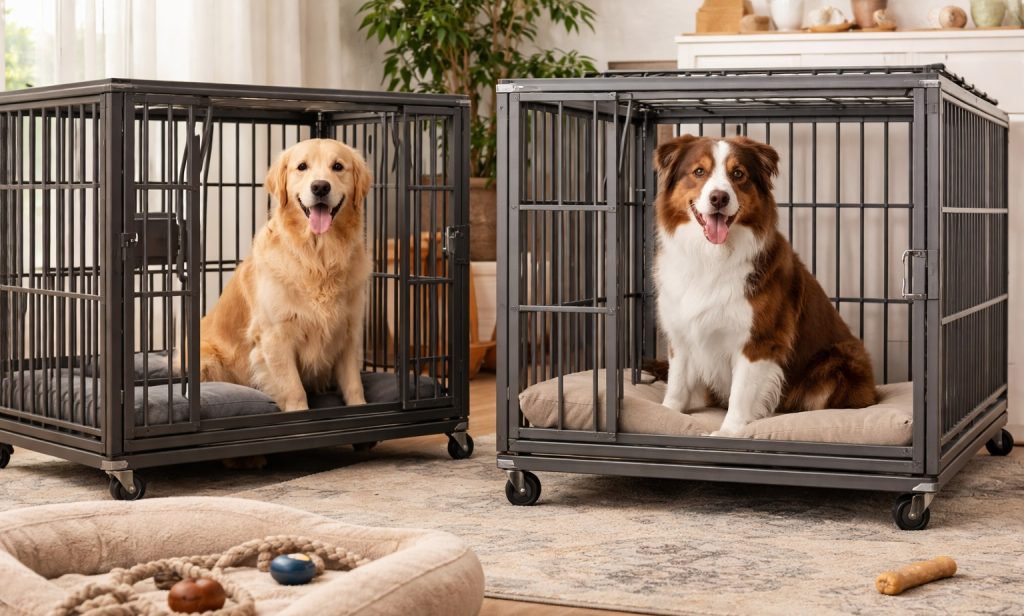
“Dog fence for large yards” can mean a permanent physical fence, portable panels, an in-ground wire system, or a GPS collar. Those options solve different problems. Panels make a visible barrier in a smaller area; wired and GPS products define a boundary that depends on training and a collar. The right choice depends on your property shape, your dog’s escape habits, installation preferences, and whether you need a barrier other animals cannot cross.
We compared two portable physical playpens with five electronic containment systems. We considered setup, coverage limits, boundary flexibility, subscription needs, and the trade-offs owners should understand before relying on a system. Product details and service terms can change, so verify current specifications before buying. Electronic systems require careful, gradual training and are not a substitute for a physical barrier in every situation.
Quick Picks
| Product | Best For | Key Advantage | ||
|---|---|---|---|---|
| Yaheetech 40-Inch, 16-Panel Outdoor Dog Playpen | Portable physical boundary | 16 metal panels can be arranged for yard, RV, or camping use | View on Amazon | Jump to Review |
| FXW Rollick 50-Inch, 16-Panel Dog Playpen | Taller temporary panel boundary | 50-inch panels and flexible physical layout | View on Amazon | Jump to Review |
| PetSafe Stay & Play Wireless Fence | No-dig circular containment | Portable wireless setup with a replaceable-battery collar | View on Amazon | Jump to Review |
| SportDOG Rechargeable In-Ground Fence System | Wired fence for a large property | 1⅓ acres included, expandable up to 100 acres with added wire | View on Amazon | Jump to Review |
| PetSafe YardMax In-Ground Fence with Pawz Away Outdoor Barrier | Wired boundary with a small exclusion zone | Combines an in-ground fence kit and an outdoor barrier unit | View on Amazon | Jump to Review |
| SpotOn GPS Wireless Dog Fence Collar | Flexible GPS boundaries without buried wire | GPS fence setup and no mandatory subscription for fence creation | View on Amazon | Jump to Review |
| Halo Collar 5 GPS Wireless Dog Fence | GPS containment with app-based features | Virtual GPS fences with full feature access through an active membership | View on Amazon | Jump to Review |
How to Choose a Dog Fence for a Large Yard
First decide whether you need a physical barrier. A traditional fence or sturdy panel system can block entry and exit, while a wireless, wired, or GPS collar system creates a trained boundary but leaves the yard physically open. Measure the property you need to contain and account for corners, slopes, road access, gates, and nearby hazards. For electronic systems, read the coverage map, collar fit chart, battery requirements, and training plan. Check the full cost, including wire or ongoing membership. If your dog climbs, digs, bolts, or has a history of escaping, get professional guidance and maintain a backup containment plan.
Best Dog Fences for Large Yards
1. Yaheetech 40-Inch, 16-Panel Outdoor Dog Playpen

What We Like
- 16 metal panels
- 40-inch panel height
- Flexible temporary layout
- Physical barrier rather than a virtual boundary
What We Don’t Like
- Panel systems need stable placement
- Height may not deter climbers
This Yaheetech panel playpen is a portable physical option for a large yard, temporary outdoor area, RV stop, or campsite. The 16 panels can be arranged into different shapes, which helps when the property is irregular or when you want to close off a section instead of installing a permanent fence. Unlike electronic systems, a panel boundary is visible and does not depend on a collar signal or training response. That can make it a useful short-term containment choice for dogs that stay calmly within a visible barrier. Before buying, check the total assembled perimeter and panel spacing against the area you want to enclose; the word “16-panel” alone does not tell you the exact shape or square footage.
A portable pen is not a substitute for a property perimeter fence, and a determined dog may push, climb, dig under, or shift panels. The 40-inch height can be inadequate for athletic dogs, and stability depends on the ground and how the connectors are secured. Inspect every latch and joint after assembly, then test the layout while you supervise your dog. Make sure the pen does not create a gap near a wall or gate and remove objects that could act as a step. It is best for supervised, temporary use rather than leaving a dog unattended for long periods. If your dog has a history of escaping, choose a taller, more secure physical enclosure or consult a qualified trainer before relying on a portable panel system. Measure boundaries on a map and test the planned system gradually before allowing unsupervised yard access.
My Recommendation
Before relying on it, verify coverage at your property, follow the setup and training instructions for that system, and maintain a physical backup plan while your dog is learning.Choose Yaheetech when portability and a visible boundary matter more than enclosing an entire property. It can flex around temporary spaces, but its 40-inch height and panel stability make dog-by-dog assessment essential. Supervise the first sessions and avoid relying on it for an escape-prone climber.
2. FXW Rollick 50-Inch, 16-Panel Dog Playpen

What We Like
- 50-inch panel height
- 16-panel arrangement
- Physical containment
- Useful for yard, indoor, and RV setups
What We Don’t Like
- Still not a permanent property fence
- Panel placement and ground contact matter
The FXW Rollick is another portable physical boundary, with a listed 50-inch height and 16 panels. The taller panels may be a better fit than shorter playpens for dogs that are large but not committed climbers, and a modular layout lets you shape the enclosure around a yard corner, campsite, or temporary work area. A visible panel fence can be easier for a dog to understand than a hidden electronic line, although individual behavior still matters. Measure the area you want to enclose and decide whether you need a compact pen or a longer perimeter. Also plan how you will anchor or stabilize each panel on the surface where it will be used.
Even taller panels can be pushed or climbed, and a portable pen does not provide a continuous physical barrier around a large property. The panel joints and gate are likely weak points, so inspect them before each use. Check that the bottom edge follows the ground closely and that there is no opening where your dog can squeeze underneath. Keep the pen away from furniture, retaining walls, or other launch points a dog could use to get over the top. Use it under supervision while you learn how your dog reacts. If your dog tests fences, digs, or jumps, move to a more robust permanent fence or a professionally planned containment system. The 50-inch height is a helpful specification, not a guarantee of containment. Measure boundaries on a map and test the planned system gradually before allowing unsupervised yard access.
My Recommendation
Before relying on it, verify coverage at your property, follow the setup and training instructions for that system, and maintain a physical backup plan while your dog is learning.FXW is a stronger portable option to consider if you want a taller panel boundary than a basic playpen. Its physical panels avoid electronic training requirements, but you still need to supervise, stabilize the connections, and make sure your dog cannot climb or push through.
3. PetSafe Stay & Play Wireless Fence

What We Like
- Wireless setup avoids buried perimeter wire
- Portable system format
- Replaceable-battery collar
- Useful for a defined circular area
What We Don’t Like
- Coverage is limited to a ¾-acre circle
- Not a physical barrier; training is essential
The PetSafe Stay & Play system creates a wireless circular boundary, which can appeal if you want containment without burying wire. The listed maximum coverage is three-quarters of an acre, making the size limit important for a search focused on large yards. A circle does not use every corner of a rectangular lot, so the practical usable area may be smaller than the number suggests. The replaceable-battery collar is a convenience if you prefer swapping batteries instead of charging a receiver. Before purchase, compare the system’s circular boundary with a map of your yard, including driveways, gardens, sidewalks, and any areas where your dog should not go. Confirm collar fit and system compatibility for your dog.
This is an electronic training system, not a physical fence. A dog can still cross the boundary, and the system cannot block people, wildlife, or other animals from entering. The ¾-acre limit may leave little usable space on a genuinely large property, especially if the circular perimeter excludes parts of the yard. Training must be gradual and consistent, and owners should follow the manufacturer’s instructions rather than expecting the collar alone to teach the boundary. Avoid use if the dog’s health, temperament, or training history makes the correction unsuitable, and seek veterinary or trainer advice when uncertain. Test signal coverage and keep a backup containment plan while training. It is most appropriate for owners who value portability and whose yard fits the system’s circle. Measure boundaries on a map and test the planned system gradually before allowing unsupervised yard access.
My Recommendation
Before relying on it, verify coverage at your property, follow the setup and training instructions for that system, and maintain a physical backup plan while your dog is learning.Consider Stay & Play only when its ¾-acre circle covers the area you actually need. The no-dig setup is convenient, but the boundary is electronic and requires training. If your property is larger or has an irregular shape, compare wired or GPS systems before settling on it.
4. SportDOG Rechargeable In-Ground Fence System

What We Like
- 1⅓-acre base coverage
- Expandable up to 100 acres with extra wire
- In-ground boundary can follow a custom layout
- Rechargeable collar
What We Don’t Like
- Installation requires burying or securing wire
- Expanded area requires additional wire
For a large or irregular yard, an in-ground fence can let you shape the boundary around the property instead of accepting a fixed circle. SportDOG lists 1⅓ acres of included coverage and says the system can expand up to 100 acres with additional wire. That makes it the most expandable option in this roundup, provided you are willing to plan and install a physical perimeter loop. You can consider how the boundary relates to driveways, garden beds, access gates, and other no-go areas. The rechargeable collar is part of the package, but check charging routine and battery maintenance before relying on it. Map the layout carefully and identify where the wire will cross or avoid paths before installation.
The larger coverage figure is not automatic; you need extra wire and more installation work to expand beyond the included area. Burying wire takes planning, and a break in the loop can interrupt the boundary until it is located and repaired. Like other electronic systems, it is not a physical barrier and cannot prevent other animals or people from entering your yard. Your dog must be introduced to the boundary with the manufacturer’s training steps, and the collar must fit properly. Check the system routinely and maintain a backup plan during setup or repairs. If your property has a complicated layout or the wire route is difficult, professional installation may be worth considering. This model suits owners who want custom coverage and accept the work involved. Measure boundaries on a map and test the planned system gradually before allowing unsupervised yard access.
My Recommendation
Before relying on it, verify coverage at your property, follow the setup and training instructions for that system, and maintain a physical backup plan while your dog is learning.SportDOG is the best fit here for a large property that needs a custom wired boundary. The 1⅓-acre included area and expansion potential are useful, but expansion requires extra wire and careful installation. Budget time for training and routine loop checks. Keep your loop map and repair notes accessible for future maintenance and boundary updates.
5. PetSafe YardMax In-Ground Fence with Pawz Away Outdoor Barrier

What We Like
- Custom wired perimeter
- Includes Pawz Away outdoor barrier
- Can designate a protected outdoor spot
- Useful combined system concept
What We Don’t Like
- Requires setup and training for both functions
- Coverage and included components should be checked
The PetSafe YardMax kit pairs an in-ground fence system with a Pawz Away outdoor barrier, giving it two related jobs: defining a property boundary and protecting a smaller selected area. That can be useful if you want to keep your dog inside the yard while also discouraging access to a garden bed, trash cans, or another outdoor spot. A wired boundary can follow a more custom shape than a wireless circle, which helps when the yard is not a simple open rectangle. Review the kit contents to understand what wire, flags, and barrier components are included. Sketch the perimeter and exclusion zone before installation, then decide whether the layout and power needs work for your property.
The combined design brings more setup steps, and each function needs clear training so the dog can learn the perimeter and the smaller restricted zone. Neither component creates a physical wall, so dogs that are highly motivated or unfamiliar with correction may still cross. Verify the exact coverage area and whether the included wire suits your desired layout; do not assume the package will protect a large property without measuring. The outdoor barrier must also be placed and maintained as directed. You will need to check the collar, battery, wire loop, and boundary indicators regularly. Owners who prefer no collars or who need immediate physical containment should select a panel or traditional fence instead. This is a more specialized option for someone who has a specific exclusion-zone use in mind. Measure boundaries on a map and test the planned system gradually before allowing unsupervised yard access.
My Recommendation
Before relying on it, verify coverage at your property, follow the setup and training instructions for that system, and maintain a physical backup plan while your dog is learning.Choose YardMax with Pawz Away if you want both a custom perimeter and a way to mark one small outdoor no-go area. It adds flexibility, but also increases setup and training demands. Confirm the package’s coverage and components before deciding it fits your lot.
6. SpotOn GPS Wireless Dog Fence Collar

What We Like
- Create GPS boundaries without perimeter wire
- Useful for large or changing property lines
- Official guidance says no subscription is required to create fences
- Collar is listed for 19–26-inch necks
What We Don’t Like
- Requires correct collar fit and GPS conditions
- Tracking extras may involve a paid plan
SpotOn is a GPS-based virtual fence collar, so you can set a boundary without installing a wire around the property. That can be useful for a large yard, acreage, or a boundary that changes with travel. The listed version is sized for a 19–26-inch neck, so check your dog’s measured neck circumference against the current size chart before considering it. Manufacturer information says a subscription is not required to create and use fences; additional cellular tracking features may be optional paid services. That distinction matters when comparing ongoing costs. Think through the boundary shape and where GPS reception could be obstructed, then read the training instructions and collar-fit guidance before setting up a fence.
A GPS boundary is still virtual, so it does not physically stop a dog from running away or keep other animals out. Performance can depend on satellite visibility, terrain, and how accurately the boundary is set, so verify signal and fence behavior in your specific property before trusting it. GPS systems need patient training and a well-fitted collar. The collar size listed here is not suitable for every large dog; confirm that the dog falls within the fit range rather than assuming the product is one-size-fits-all. Keep a backup physical containment plan during training and whenever the collar is charging or not in use. Also separate core fence functionality from optional tracking subscriptions when calculating cost. This pick is for owners comfortable with app-based setup and virtual boundaries. Measure boundaries on a map and test the planned system gradually before allowing unsupervised yard access.
My Recommendation
Before relying on it, verify coverage at your property, follow the setup and training instructions for that system, and maintain a physical backup plan while your dog is learning.SpotOn makes sense if you want a flexible GPS boundary and your dog fits the 19–26-inch neck range. Its fence function does not require a subscription according to the manufacturer, while some tracking features may. Verify fit, GPS conditions, training needs, and total cost before purchase.
7. Halo Collar 5 GPS Wireless Dog Fence
What We Like
- GPS virtual fence format
- Flexible boundaries without buried wire
- App-based fence and training tools
- Product line designed for outdoor containment
What We Don’t Like
- Active membership is required for full features
- Not a physical fence
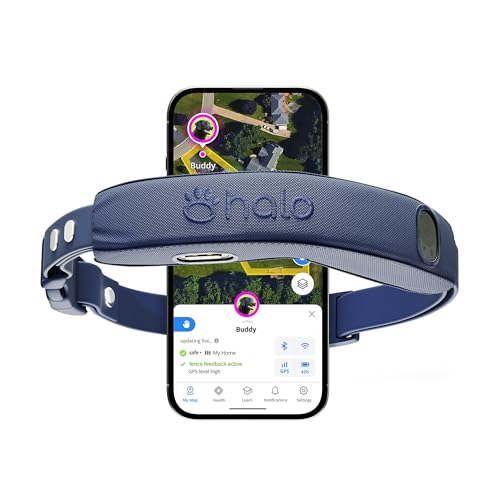
Halo Collar 5 is a GPS-based collar system for creating virtual boundaries, which can suit a yard or property where buried wire is impractical. You can define a fence through the app and use the system’s training tools to introduce the boundary. That flexibility may appeal to owners who travel with their dog or want more than one saved layout. Halo’s current plan information says full feature and service access requires an active membership, so factor the recurring plan cost into your decision rather than comparing only the initial collar price. Review the collar’s size range and fit guidance, then plan a gradual training schedule before relying on it in the yard.
The membership requirement is a meaningful ongoing cost, and plan terms can change, so verify current pricing, features, and billing before ordering. Like any GPS virtual fence, Halo does not create a physical barrier: the dog can cross the line, and visitors or wildlife can enter. The dog must be trained to respond reliably, and the collar needs to be correctly fitted and charged. GPS accuracy can vary by surroundings, so test the system’s boundary behavior at your property and keep a backup containment plan. Do not use a virtual fence as the only safeguard for a dog that is likely to bolt or for a yard beside a busy road. This option fits owners who want app-based GPS features and accept the cost and training requirements. Measure boundaries on a map and test the planned system gradually before allowing unsupervised yard access.
My Recommendation
Before relying on it, verify coverage at your property, follow the setup and training instructions for that system, and maintain a physical backup plan while your dog is learning.Choose Halo if GPS flexibility and app-based tools are priorities and you are comfortable with a membership plan. Confirm current subscription terms, collar fit, and local GPS performance. For dogs or properties needing a physical barrier, choose traditional fencing or a secure panel enclosure.
Final Verdict
For truly large properties, the SportDOG in-ground system offers the clearest expansion path in this group, while SpotOn and Halo offer GPS flexibility with different subscription terms. The PetSafe Stay & Play is convenient for a no-dig circular setup, but its ¾-acre limit may not suit many large yards. Yaheetech and FXW are physical panel options for temporary areas, not whole-property fencing. Match the system to your dog and land, train gradually, and keep a backup plan whenever containment depends on a collar.
Frequently Asked Questions
What kind of dog fence works best for a large yard?
It depends on whether you need a physical barrier, how the property is shaped, and whether you can install wire. A large yard with irregular edges may suit an in-ground or GPS boundary, while dogs that need a visible barrier may be better served by traditional fencing.
Are wireless dog fences safe?
Safety depends on correct collar fit, appropriate training, the dog’s temperament and health, and the yard’s surroundings. Follow manufacturer instructions and consult a veterinarian or qualified trainer if you have concerns. A wireless collar is not a physical fence.
How much yard does PetSafe Stay & Play cover?
The listed maximum coverage is a ¾-acre circle. A circular boundary may not use all corners of a large rectangular property, so map the usable area before purchase.
Do GPS dog fences require a subscription?
Terms vary. SpotOn’s manufacturer says a subscription is not required to create fences, while optional cellular tracking features may have a cost. Halo requires an active membership for full feature access. Check current plans before ordering.
Can a dog escape an invisible fence?
Yes. Electronic boundaries do not physically prevent crossing, and they cannot stop other animals or people from entering. Training, fit, signal conditions, and backup containment all matter.
As an Amazon Associate, PetAdvisorPro may earn from qualifying purchases.