A small dog may enjoy a raised car seat because it creates a familiar spot and can improve the view from the window. But a padded booster is not automatically a crash-tested restraint. If you are learning how to choose the right dog car seat for small dogs, start with safety and installation, then assess fit, comfort, cleaning, and your dog’s behavior. A seat should fit the vehicle and the dog. Its tether must connect as directed to a body harness, never a collar. Keep the dog away from active airbags and never allow free movement around the driver. This guide explains what to inspect before each ride, how to introduce a car seat gradually, and when to replace worn components. A best dog car seat for small dog households should suit the dog’s size and travel needs while working with a safe vehicle restraint plan.
What a dog car seat does—and does not do
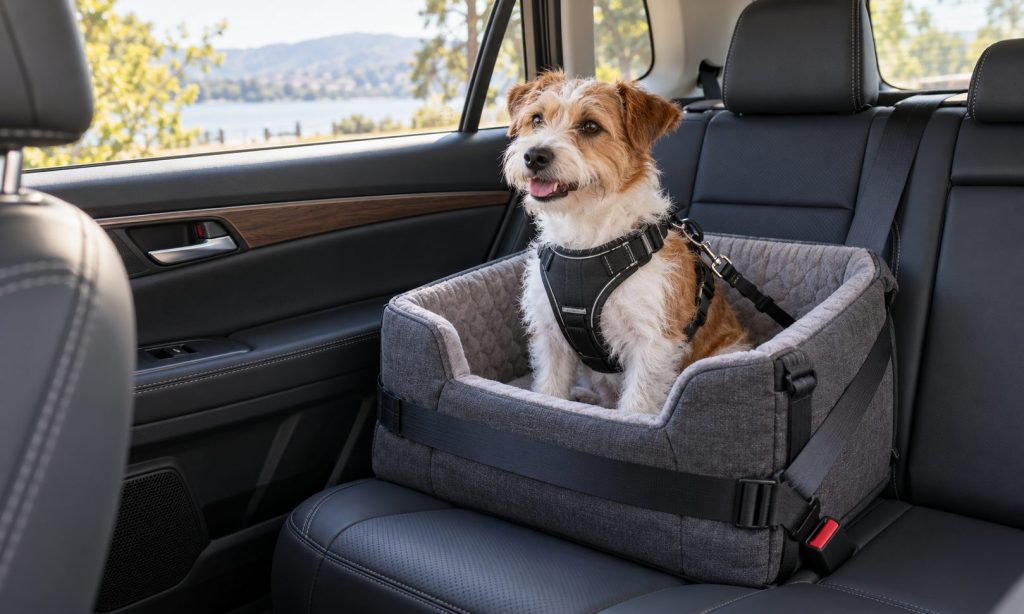
A dog car seat is usually a raised or contained area that gives a small dog a designated place to sit or rest. Some seats include straps to secure the seat to the vehicle. Some also include a short tether for the dog. These features do not automatically mean the seat has passed independent crash testing.
The Center for Pet Safety publishes test information for certain pet travel restraints and carriers. Check the exact model and size in the testing organization’s records before treating a safety claim as verified. Testing for one product does not apply to every model from a brand. If crash protection is the priority, compare appropriately tested restraint systems and follow their installation instructions.
The American Veterinary Medical Association advises using a secure, fitted harness or appropriately sized carrier, placed away from airbags. Do not let a dog ride loose in the vehicle. A raised booster may support comfort or visibility, but it should not replace a restraint plan that keeps the dog and people safer.
How to choose the right dog car seat for small dogs
How to choose the right dog car seat for small dogs starts with your dog’s measurements and your vehicle’s layout. Then check the seat’s attachment points, stability, tether, and materials. Treat comfort features as a separate consideration from crash protection.
Measure your dog and the available space
Measure your dog’s length while sitting and lying down. Note the dog’s weight, but do not select a size by weight alone. A long-bodied small dog may need more room than a compact dog of similar weight. Compare those measurements with the seat’s interior dimensions and stated weight limits.
Measure the width and depth of the vehicle seat, too. A booster should sit flat and should not obstruct the driver’s view or interfere with seat belt buckles. Check whether the seat fits the rear seat or another approved location. Never place it where an airbag could strike the dog.
Check how the seat attaches to the vehicle
How to choose the right dog car seat for small dogs includes checking its vehicle attachments. Look for clear instructions on routing the seat belt or connecting the seat’s anchor straps. The seat should not slide, tip, or rotate during normal entry and exit. Test installation while the car is parked.
Do not assume a strap that hooks over a headrest or wraps around the seat is suitable for crash protection. Verify the design and any safety claims for the exact model. If instructions are unclear, contact the manufacturer before using the seat on a road trip. Do not modify straps or hardware.
Understand the dog tether and harness connection
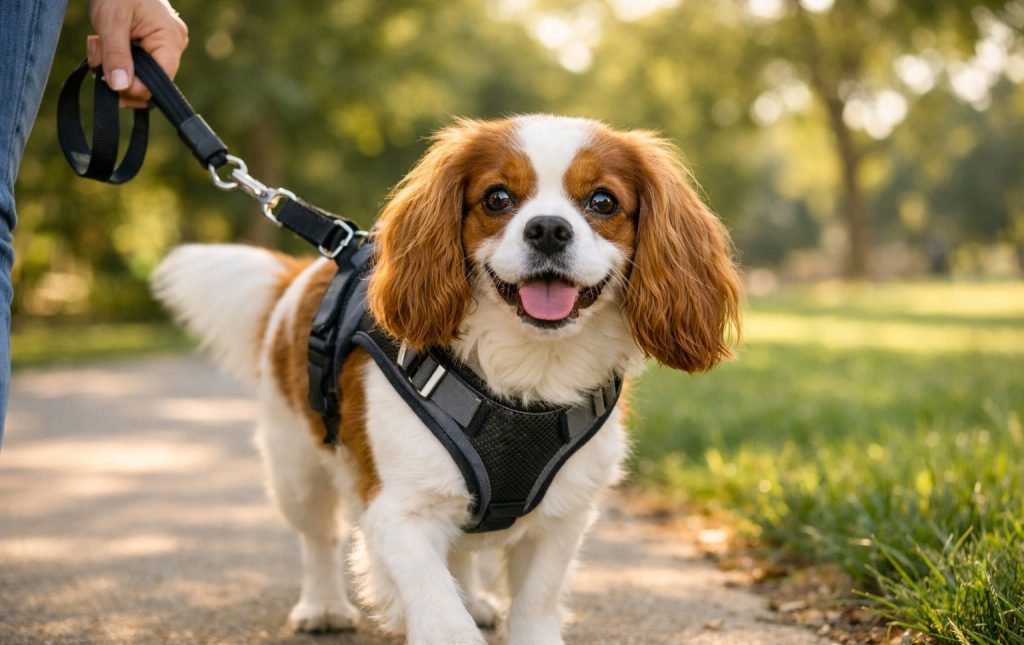
If a tether is included, it should attach to a well-fitted body harness. Never attach a car tether to a collar. A sudden stop can put force on the neck. Follow the manufacturer’s guidance on tether length and connection points. A long tether can allow excessive movement or entanglement.
The tether that comes with a booster seat may not be independently crash-tested. Do not assume it provides crash protection unless reliable testing confirms that exact system. Use the seat and restraint only as designed. If you plan to use a separate restraint, check that the components are compatible and do not connect multiple tethers unless the instructions allow it.
Evaluate comfort without compromising restraint
A padded base can make a seat feel more comfortable, but thick cushioning should not hide damaged straps or unstable construction. Check whether your dog can sit, lie down, and turn without being pressed against the sides. The dog should not be able to jump out or reach the driver.
Some owners report that a raised view helps their dog settle. Others find their dog becomes more stimulated by passing scenery. Those are individual experiences, not proof that a booster will prevent motion sickness or anxiety. If your dog drools, vomits, trembles, or pants in the car, discuss the behavior with a veterinarian.
Choose manageable materials and cleaning
Look for a removable cover or liner that follows a clear care label. Check whether the seat can be spot-cleaned and whether the cushion dries quickly. A waterproof layer may protect the vehicle, but it should not trap heat or create a slippery surface. Avoid loose accessories that can shift under the dog.
How to choose the right dog car seat for small dogs includes planning for regular inspection and cleaning. Look at stitching, buckles, seams, zippers, and attachment straps. Materials should not have sharp edges or exposed filling. Replace any part that is chewed, frayed, cracked, or stretched.
Think about your dog’s temperament and travel habits
Some dogs prefer a low-sided bed or secured carrier. Others may settle in a booster after gradual practice. Consider whether your dog feels safer with a familiar blanket or more enclosed sides. Avoid seats that force the dog into an uncomfortable posture or leave no room to shift.
A booster seat does not make every dog comfortable with car rides. Begin with short, calm sessions while the vehicle is parked. Reward relaxed behavior and allow the dog to leave the seat between sessions. Do not start a long drive until the dog can settle with the restraint secured.
How to set up and use a dog car seat safely
How to choose the right dog car seat for small dogs also means checking the complete setup. Install the seat according to its instructions. Confirm the vehicle seat belt is routed correctly and locked as required. Attach the dog’s harness to the restraint point only when all components are compatible.
Keep the seat in a location away from airbags. The rear passenger area is often a practical place, but follow vehicle and restraint instructions. Never let a dog sit on a driver’s lap or roam between seats. Do not leave a dog unattended in a parked vehicle, even in shade or with windows partly open.
Secure loose items that could strike the dog during a stop. Keep the dog’s leash and tags from snagging on seat hardware. Take breaks on longer drives and offer water when stopped safely. If the dog becomes distressed or ill, stop in a safe place and seek veterinary advice as needed.
Prepare the dog and vehicle before travel
How to choose the right dog car seat for small dogs includes preparing the dog for the setup. The car seat should not appear only when a stressful trip is about to start. Let your dog inspect it at home. Keep every practice session calm and short.
Practice entering and settling
How to choose the right dog car seat for small dogs also means checking whether your dog can enter and settle comfortably. Place the seat on the floor first if its shape allows. Reward calm investigation. Then practice with the seat installed while the vehicle is parked. Keep the dog’s harness on and use the restraint as directed.
When the dog can relax in the parked car, try a very short drive. Have another adult supervise if possible, while the driver keeps attention on the road. Stop if the dog becomes distressed. Do not unclip the restraint while the vehicle is moving.
Plan for temperature and breaks
A car seat does not protect a dog from heat or cold inside a vehicle. Keep the cabin comfortable and never leave the dog unattended in a parked car. On longer trips, stop in a safe location for a short break. Offer water and a chance to stretch while the dog remains securely leashed.
How to choose the right dog car seat for small dogs also includes thinking about the journey length and your dog’s travel history. A seat that works for a five-minute ride may not meet every need on a long trip. Ask your veterinarian about repeated nausea, panic, or other symptoms before traveling farther.
Review the vehicle manual and seat instructions before installation. Some vehicles have specific restrictions for seat belts, headrests, or child-seat anchors. Use only attachment points approved by both manufacturers. If instructions conflict or remain unclear, do not improvise a connection.
How often should you use or replace a dog car seat?
You can use a dog car seat whenever your dog travels, as long as the seat fits correctly and the restraint is used as directed. The seat is not a substitute for a carrier or restraint system that better meets your dog’s needs. If the dog cannot remain settled or secured, ask your veterinarian or a qualified pet travel safety resource about alternatives.
How often should you replace a dog car seat for small dogs? Replace it when straps fray, buckles crack, seams split, the base collapses, or the seat no longer installs securely. Replace it after a collision or other serious impact unless the manufacturer or testing organization confirms it remains safe to use.
Inspect the seat before every trip. Check that straps are not twisted and attachment points are intact. Clean the cover as directed and allow it to dry fully. Recheck the size as a puppy grows or an adult dog gains or loses weight. Keep the instructions so you can reinstall the seat correctly after cleaning.
Common mistakes to avoid
Do not equate a raised seat with a crash-tested restraint. Do not rely on marketing terms without checking test records for the exact model. Avoid attaching a tether to a collar or using an extension that allows the dog to lunge forward.
Do not put the dog in the front seat near an active airbag. Do not install the seat loosely or use a broken buckle. Never allow the dog to ride with its head outside the window. A dog’s comfort matters, but restraint and vehicle placement come first.
Do not assume that one owner’s positive or negative experience will predict your dog’s reaction. Public discussions describe a range of experiences, including dogs settling better with a raised view and others still showing signs of motion sickness. Use those reports as anecdotes. They cannot establish safety performance or medical effects.
Frequently asked questions
These answers cover common questions about selecting and using a small dog car seat.
Are dog booster seats crash-tested?
Some pet restraints and carriers have been tested, but not every booster seat has. How to choose the right dog car seat for small dogs includes checking the exact model and size. Check independent records for the exact product and size. Do not assume a marketing claim is equivalent to verified testing.
Can I attach a dog car seat tether to a collar?
No. Connect a restraint tether to a properly fitted body harness, following the manufacturer’s instructions. A collar connection can put force on the neck during sudden movement.
Should a small dog ride in the front seat?
Keep pets away from active airbags. Follow your vehicle and restraint instructions. The rear seating area is often a safer practical location than the front passenger seat.
Will a booster seat prevent motion sickness?
Not necessarily. Some dogs may settle with a different view or position, while others remain uncomfortable. Ask a veterinarian about repeated drooling, vomiting, or distress during travel.
When should I replace a dog car seat?
Replace it if the seat, straps, buckles, or seams are damaged or if it no longer installs securely. Replace it after a collision unless its safety is confirmed by the manufacturer or testing organization.
Final words
How to choose the right dog car seat for small dogs is a question of fit, vehicle installation, restraint compatibility, and comfort. Measure both the dog and the car seat area. Check every strap and tether. Look for independent safety testing of the exact model, and keep the dog away from airbags. A best dog car seat for small dog travel should fit your dog’s habits while supporting a secure setup. If a seat cannot be installed or used as directed, choose another suitable travel restraint. Inspect it regularly and replace worn or impact-damaged parts before the next trip.