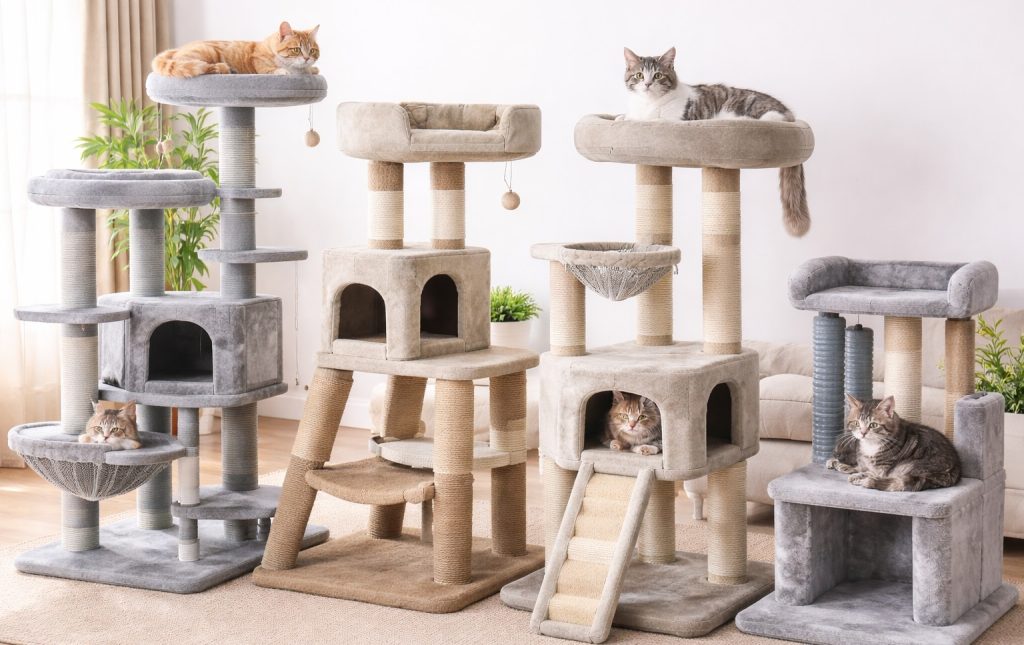
How to choose the right tall cat tree for large cats begins with matching the design to your cat’s preferences, routine, and environment. This guide explains how to assess those details, introduce the tree, and maintain it without turning a useful climbing space into a safety gamble. The right match should be comfortable for your animal and practical to maintain. Look beyond total height by checking the dimensions of the sleeping platforms, the width of each scratching surface, and how firmly each post meets the base. A heavy cat needs enough room to turn and settle, plus a structure that does not rock during a jump. Compare the tree’s footprint with available floor space and identify whether the unit can be secured to a wall if needed. These checks help you balance climbing room with stability.
Start with your cat’s body and habits
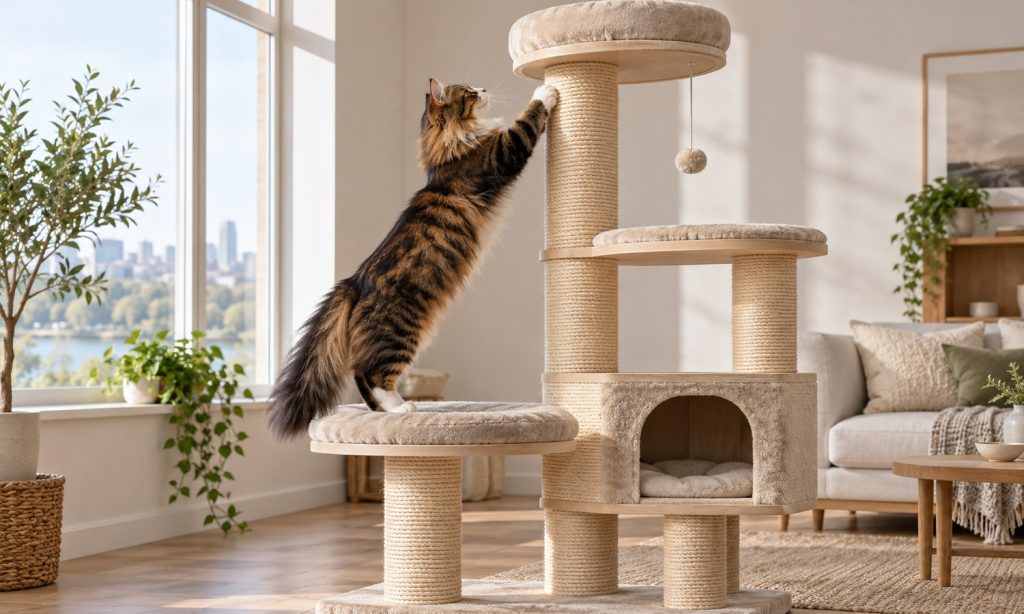
Measure your cat from nose to rump and note the cat’s current weight. These details help you judge whether a perch is deep and wide enough for a relaxed curl or a full-body sprawl. Check each platform’s usable surface rather than its outside dimensions; a raised rim or hammock fabric can reduce the space a cat can actually occupy. If your cat likes to stretch high while scratching, compare the exposed scratching area with the cat’s standing reach. A tall frame is not useful if the scratching posts end below the shoulders.
Also observe how your cat moves. Some cats leap directly to high shelves; others prefer a gradual route with intermediate steps. Large body size does not predict agility or confidence. A young, athletic cat may enjoy a challenging climb, while an older or cautious cat may use a lower perch more often. Choose a layout that matches the individual cat instead of assuming that every large cat wants the tallest possible route.
Check stability before height
A tall structure creates leverage when a cat jumps, so its footprint, frame, joints, and assembly matter together. Look for a broad, rigid base that sits flat on your floor. A heavy base can help, but weight alone does not prove that a structure will resist tipping. The uprights should connect firmly to the base and platforms, and the instructions should explain how to tighten and recheck each fastener.
Review the stated weight capacity for the whole structure and, when provided, for individual perches or hammocks. For a home with more than one cat, consider whether the rating and layout account for simultaneous use. Avoid guessing a safe limit from appearance. If the manufacturer does not explain capacity or assembly, you have less information for judging whether the structure fits your cats.
Place the tree on a level surface with enough clearance for the cat to jump on and off. If the design includes a wall anchor, follow its instructions and use hardware appropriate for the wall. Renters should confirm what installation is allowed. Do not improvise an anchor or place the tree where a fall could land on a sharp edge, glass, or another hard obstacle.
Match platforms and routes to a large cat
A large cat needs landing areas that feel roomy, not merely platforms that can technically hold the cat’s weight. Check the width and depth of the top perch, any enclosed bed, and the space around a hammock. A hammock should support the cat without pulling its attachment points out of alignment. If your cat likes to sleep stretched out, prioritize a broad resting surface over extra decorative levels.
Look at the route between levels. Platforms should be positioned so your cat can step or jump without colliding with a post or squeezing through a cramped opening. Staggered shelves can make a climb easier to navigate. For cats that hesitate at height, a route with lower intermediate platforms may be more useful than a single steep leap. Consider how the cat will descend, too; going down can feel less comfortable than climbing up.
For multiple cats, check whether the layout creates passing space and more than one way off. Two cats meeting on a narrow shelf can block one another. Separate resting levels and clear escape routes may make the tree easier to share, but a cat tree does not replace other resting, scratching, and play spaces around the home.
Choose a scratching surface your cat will use
Cats vary in the direction and texture they prefer for scratching. Many use vertical posts, while others choose horizontal or angled surfaces. A tall tree often combines vertical sisal-covered posts with carpeted shelves, but the material matters less if your cat avoids it. Notice what your cat scratches now and use that preference to guide the surface and orientation.
Inspect the scratching area for exposed length, firm wrapping, and secure attachment. A short post may prevent a large cat from stretching fully. Loose fibers, protruding staples, or damaged rope need attention because claws can catch. Natural scratching surfaces also serve as places where cats leave scent marks, so a tree may be more appealing when positioned near a commonly used resting area rather than hidden in a remote corner. If furniture is still taking the brunt of scratching, the guide to redirecting furniture scratching covers ways to encourage an appropriate surface.
Plan the location and introduction
Measure the floor footprint and ceiling clearance, then mark the tree’s proposed position before assembly. Keep walking paths, doors, and windows accessible. For more on planning limited floor space, see the guide to cat trees for small apartments. A location near a window can add a useful lookout, but the tree should not press against blinds, cords, or unstable furniture. Choose a spot where the cat already spends time so the structure becomes part of the cat’s normal environment.
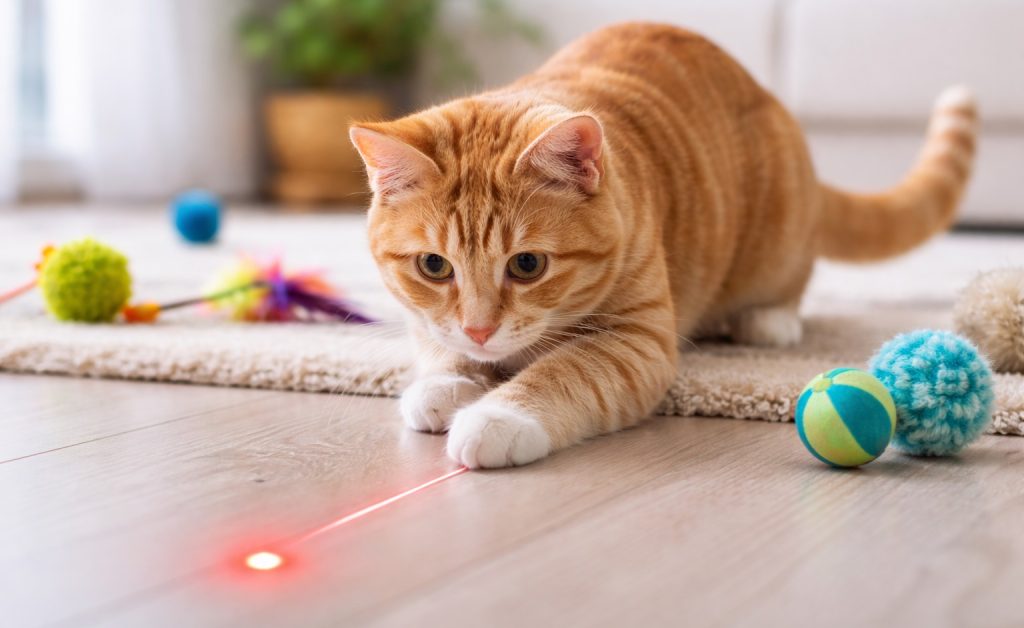
Let your cat explore at its own pace. Keep the area calm, allow the cat to approach and sniff, and reward voluntary use with praise or a small treat if food rewards suit your cat. You can play nearby with a wand toy to invite investigation, but do not pull or place the cat on a high platform. If the cat ignores the tree, try a different location or scratching orientation before assuming the cat dislikes all cat trees. Caregiver discussions often describe this kind of preference and placement mismatch, but those reports are individual experiences rather than a guarantee of what your cat will do.
Inspect and maintain the structure
Recheck fasteners after assembly and periodically afterward, especially when the tree is used for energetic jumping. Stop access if a post loosens, a platform tilts, or the base rocks. Replace damaged components only with parts intended for that structure, and follow the maker’s care instructions for fabric and rope. Keep the surrounding floor clear so a cat can land without slipping over toys or household clutter.
Watch how your cat uses each level over time. A change in climbing, jumping, or willingness to use a familiar perch may reflect a change in comfort or health, not a furniture problem. If movement changes suddenly or seems painful, contact a veterinarian. For routine care, keep nails trimmed as advised by your veterinary team and remove loose threads or dangling pieces before they become hazards.
Frequently Asked Questions
How tall should a cat tree be for a large cat?
There is no universal height that suits every cat. Measure your cat’s standing reach and consider the room’s ceiling, jumping ability, and preferred resting height. Stability and usable platforms matter more than maximum height alone.
What makes a cat tree stable enough for a heavy cat?
Assess the base, frame connections, platform attachments, assembly instructions, and stated weight limits together. Place it on a level floor and use any supplied wall anchoring system as directed.
Are carpeted platforms or sisal posts better?
They serve different purposes, and cats have individual preferences. Observe the surface and direction your cat already chooses, then provide a matching scratching option alongside a comfortable resting platform.
Can two large cats share one tall cat tree?
They may, if the structure’s stated capacity, platform sizes, and layout suit both cats. Provide multiple resting and scratching locations in the home so one cat cannot block the other from essential resources.
What should I do if my cat ignores the new tree?
Try moving it to a place your cat already visits, and check whether the scratching angle and texture match existing preferences. Invite exploration with calm play or rewards; avoid forcing the cat onto it.
Final Words
The best fit starts with your cat’s measurements, scratching style, climbing confidence, and favorite resting positions. Check the base and connections carefully, confirm weight limits, and make sure platforms give a large body room to land and lounge. For more examples of fit and stability features in a stable tall cat tree for large cats, see the related guide. Once the tree is assembled, keep it stable, place it where your cat feels comfortable, and adjust based on how the cat actually uses it.