
Ever wondered how often do dogs need rabies shots? I sure have—especially after that heart-pounding moment when my pup, Luna, chased a stray cat down the block. FYI, keeping up with rabies vaccinations isn’t just paperwork; it’s about protecting your furry BFF (and your peace of mind).
I remember when I first got my rescue, a goofy Golden Retriever named Max. The shelter paperwork was a blur of information, and the vaccination schedule looked like a complex battle plan. I found myself frantically Googling “how often do dogs need rabies shots?” at 2 AM, convinced I was already behind schedule.
If you’re in a similar boat, take a deep breath. We’re going to break it all down together, friend to friend. No scary medical jargon, just the straightforward info you need to keep your pup safe and healthy. Let’s talk schedules, side effects, and everything in between—no fluff, just straight talk.
What Are Dog Vaccinations?
Dogs, like humans, need vaccines to stay healthy and fend off nasty diseases. Think of vaccinations as superhero shields delivering tiny “red flags” to your dog’s immune system. When the real villain (virus) shows up, your pup’s defenses are already primed to fight.
Common dog vaccinations include:
- Rabies Vaccine – mandatory in most places (The big one we’re here to talk about today)
- DHPP – protects against distemper, hepatitis, parvo, and parainfluenza.
- Bordetella – guards against kennel cough.
- Leptospirosis – fights a bacteria that can affect kidneys and liver.
- Lyme Disease – for pups at tick risk.
- Canine Distemper: A serious and often fatal virus.
- Parvovirus: A highly contagious virus that can be deadly for puppies.
- Adenovirus (Hepatitis): Protects against infectious canine hepatitis.
- Parainfluenza: One of the culprits behind kennel cough.
Understanding Rabies and Its Vaccine
Rabies. The word itself is enough to send a shiver down your spine. It’s a viral disease that attacks the central nervous system of mammals, including dogs and, yes, humans. Once symptoms appear, it is virtually 100% fatal. It’s usually transmitted through the bite of an infected animal. This isn’t some old-timey disease from a black-and-white movie; it’s a very real and present danger.
Why Vaccinate Against Rabies?
- Public Safety: Rabies can jump to humans; that’s a hard nope.
- Legal Requirement: Most states mandate rabies shots by law.
- Preventative Care: It’s cheaper and easier than emergency treatment (if there was any).
How Often Do Dogs Need the Rabies Vaccine?
- Puppies: Initial shot at 12–16 weeks.
- First Booster: One year after that initial shot.
- Subsequent Boosters: Every 1–3 years, depending on your state’s laws and the vaccine brand.
Ever notice how some places stamp “1-year” on the certificate, while others say “3-year”? It’s not a typo—it’s the difference between 1-year and 3-year vaccine formulations.
Why are rabies boosters required?
Each booster reminds your dog’s immune system, “Hey, remember this guy?” Without that nudge, immunity can wane over time.
Can a vaccinated dog get rabies?
In theory, yes—but it’s extremely rare if your dog’s boosters are up to date. It’s like wearing both a seatbelt and airbag—double safety.
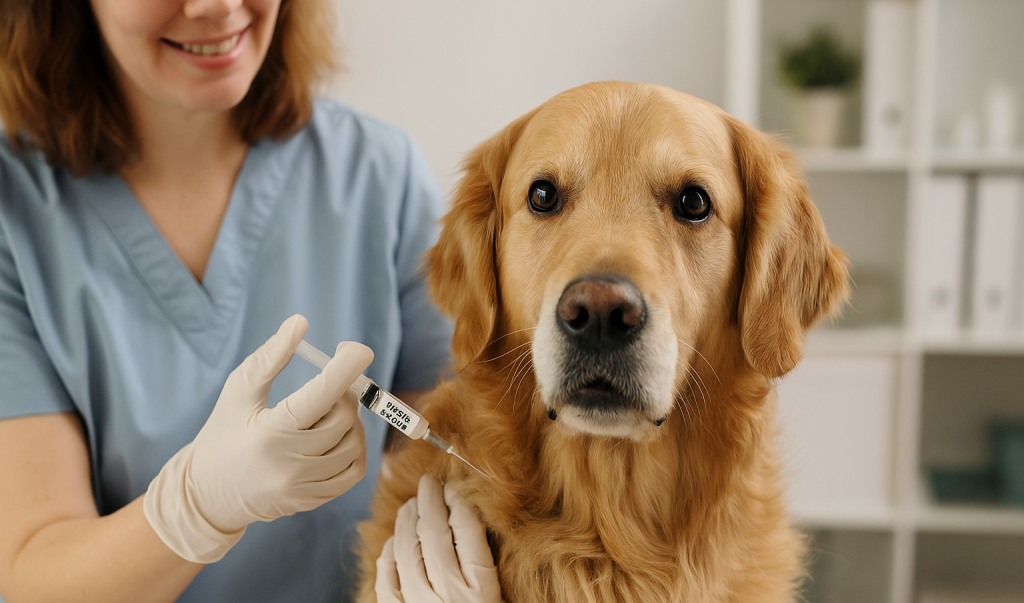
Scheduling Your Dog’s Rabies Vaccine
Mapping out your dog’s vaccine calendar doesn’t need to be rocket science. With a little planning, you’ll never miss a due date.
The Importance of a Vaccination Schedule
A vaccination schedule isn’t just a suggestion from your vet; it’s a carefully planned strategy. The initial puppy shots are timed to take over protection as the immunity they get from their mother’s milk starts to fade. Sticking to the schedule for boosters ensures there are no gaps in this protection. I keep a calendar on my phone specifically for Max’s vet appointments—it’s a lifesaver!
Local Laws and Rabies Vaccinations
Every locale has its own timeline. Check with your county or state health department—they often publish vaccination intervals online. IMO, it’s best to mark your calendar right away rather than play catch-up with the paperwork.
The Rabies Vaccine: Safety and Side Effects
Worried about side effects? You’re not alone. But most dogs breeze through rabies shots just fine.
Common Side Effects
- Mild soreness or tenderness at the injection site.
- Slight lethargy for 24–48 hours.
- Rarely, a low-grade fever.
Monitoring Your Dog After Vaccination
After any vaccination, keep a close eye on your dog for the next 24-48 hours. While serious reactions are very rare, they can happen. If you spot persistent vomiting, severe swelling, or difficulty breathing, call your vet pronto—these are ultra-rare but serious reactions.
How Long Does a Rabies Vaccine Last?
Thanks to modern biotech, you’ve got options:
- 1-Year Vaccines give you flexibility if your schedule changes.
- 3-Year Vaccines pack long-term protection in one shot (and fewer vet visits—score!).
Why Does My Pet Need Rabies Boosters?
Because your pup’s immune memory needs refreshing. Think of it like going to the gym: if you stop, your gains fade. Boosters rev up your dog’s defenses, ensuring that stray bat or raccoon encounter doesn’t turn into a nightmare.
Can a Vaccinated Dog Get Rabies?
To reiterate this important point: the rabies vaccine is one of the most effective vaccines in veterinary medicine. While no vaccine offers a 100% guarantee, the chances of a fully vaccinated dog contracting rabies are incredibly slim.
The key is to keep up with the recommended booster schedule to ensure their immunity never dips to a vulnerable level.

Dog and Puppy Vaccines Cost
“How much is a rabies shot for a dog?” you ask. It varies:
- Low-Cost Clinics: $10–$20.
- Regular Vet: $25–$50.
- Mobile Services: $30–$60 (depending on your area).
Remember: the cost of prevention beats the expense and heartache of treatment—and some facilities throw in free microchipping or nail trims.
Puppy Vaccination Guide
Bringing a new puppy home is one of life’s greatest joys. It’s also a huge responsibility. Getting their vaccinations right from the start is one of the most important things you can do for their health.
What Shots Do Puppies Need?
Core puppy vaccines
- DHPP: Begin at 6–8 weeks, booster every 3–4 weeks until 16 weeks.
- Rabies: Once at 12–16 weeks.
Non-core dog and puppy vaccines
- Leptospirosis: If your puppy romps in areas with standing water.
- Bordetella: If boarding or daycare is on the horizon.
- Lyme Disease: In tick-prone zones.
Puppy Vaccination Schedule
6 to 8 weeks of age:
- DHPP 1st dose
- Deworming if recommended
10 to 12 weeks of age:
- DHPP 2nd dose
- Leptospirosis (optional)
- Bordetella (optional)
14 to 16 weeks of age:
- DHPP 3rd dose
- Rabies Vaccine
- Lyme (optional)
Adult Dog Vaccination Schedule
The schedule for adult dogs is much less intense than the puppy series, which is a relief for both you and your dog. 🙂
At age 1:
- DAPP Booster: Your dog will get a booster for the DAPP vaccine one year after their puppy series concluded.
- Rabies Booster: They will also get their first rabies booster one year after their initial puppy rabies shot.
Every one to three years:
- Rabies: As we’ve discussed, this will be needed every one or three years, depending on the vaccine used and local laws.
- DAPP: After the one-year booster, many vets move to a three-year schedule for the DAPP vaccine as well.
- Non-core vaccines: Vaccines like Bordetella, Leptospirosis, and Lyme may need to be given annually, depending on your dog’s risk.
Deworming Vaccine for Dogs and Puppies
Strictly speaking, deworming isn’t a vaccine—it’s a medication to flush intestinal parasites. But it deserves a shout-out because worms can seriously wreck your pup’s health.
Titer Testing for Dogs
Not sure about boosters? Titer tests measure antibody levels. If your dog’s still sporting strong titers, you might delay that next jab. Ask your vet if titer testing makes sense for your lifestyle and stress levels.
How Long Are Dog Vaccines Effective?
- DHPP: 1–3 years.
- Rabies: 1 or 3 years (vaccine-dependent).
- Leptospirosis & Bordetella: Annual.
Dog Vaccination Side Effects
Most pups shrug off vaccines like we ignore telemarketing calls. Yet, monitoring is key:
- Common: soreness, tiredness, mild fever.
- Rare: anaphylaxis, facial swelling, persistent diarrhea.
Rhetorical question: Wouldn’t you rather watch TV for a day than see your pup suffer serious disease?
Frequently Asked Questions
1. How often do dogs need rabies shots if I move states?
Local laws reign—double-check your new locale’s mandates.
2. Is the 3-year vaccine less effective?
Not at all—just formulated differently. Your vet picks the best brand.
3. Can I vaccinate my dog under six months?
Rabies vaccine requires at least 12 weeks of age. Others start earlier.
4. What happens if I miss the booster window?
You might need to restart the series; check with your vet immediately.
5. Are homeopathic alternatives legit?
Nope. Stick to scientifically proven vaccines.
6. Can dental procedures wait if my dog’s not vaccinated?
Vets often require current vaccines before performing
Final Words
Whew, that was a lot of information, wasn’t it? But hopefully, you’re feeling a lot more confident about the whole rabies vaccine situation now. The bottom line is this: rabies shots are a critical, non-negotiable part of responsible dog ownership.
Keeping up with your dog’s vaccination schedule protects them, your family, and your community from a truly terrifying disease. The initial puppy shots, the one-year booster, and the ongoing one or three-year boosters are all essential pieces of the puzzle. Yes, it’s another expense and another trip to the vet, but the peace of mind it buys you is priceless. So, check your dog’s records, set a reminder on your phone, and give your vet a call. Your furry best friend is counting on you.