Choose low-phosphorus, low-sodium, moderate-protein, hydrating treats with omega-3s and moisture.
Your cat has chronic kidney disease, and every bite counts. You want to spoil them, yet you fear each treat might do harm. I’ve been there with worried readers many times. The right snack can encourage appetite, add fluids, and still be safe for fragile kidneys. In this guide, I break down the best cat treats for kidney disease in simple, clear terms. I focus on low phosphorus, controlled protein, low sodium, high moisture, and gut-friendly extras. I also show how each option fits real life, like picky eaters, pill-hiders, and cats who only lick gravy. Let’s make every treat a helpful one.
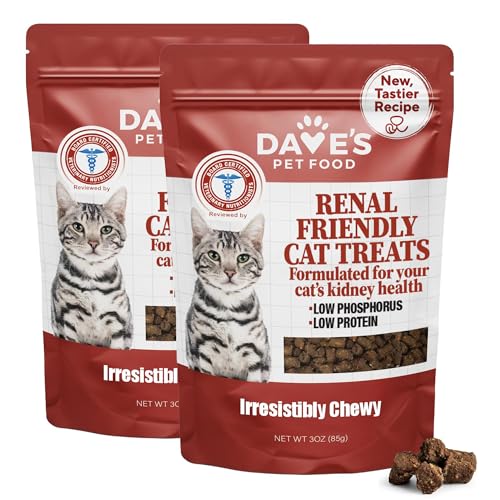
Dave’s Pet Food Renal Cat…
NEW & IMPROVED CHEWY RECIPE – Vet‑crafted formula cats can’t resist, now with even richer flavor. KIDNEY SUPPORT FOR CATS, SUPPORTING RENAL HEALTH. These low-protein, low-phosphorous renal cat treats are…

Kidney Restore Cat Treats Tuna:…
A Perfect Treat for cats with kidney issues. A nutrient-rich delicious, tuna-flavored renal treat for cats to not just snack on but restore & rejuvenate kidney health & kidney function…
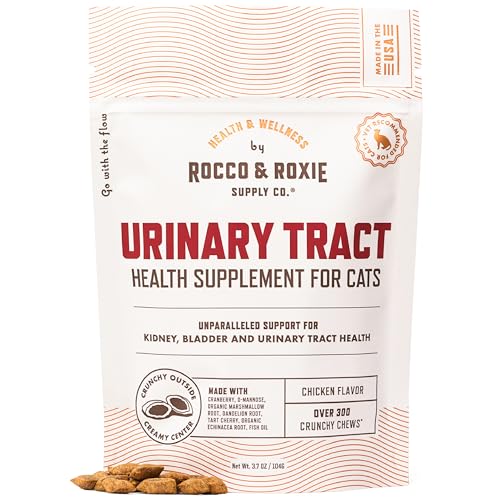
Rocco & Roxie Cat Urinary…
Unparalleled Support: These delicious, chicken-flavored, crunchy, cat urinary supplement chews have ingredients like cranberry and tart cherry that support normal function of the urinary tract, bladder, and kidneys while supporting…
Dave’s Renal Cat Treats (Semi-Moist, 2-Pack)

Dave’s Pet Food Renal Cat Treats aim to support kidney care with a soft, semi-moist bite. The texture helps cats who struggle to chew or who like a tender treat. The brand is known for simple recipes and practical nutrition. This formula focuses on a gentle profile for sensitive kidneys.
These treats are marketed to be kidney-friendly, which often means lower phosphorus and sodium, along with quality proteins. Semi-moist treats can add a touch of hydration, which is helpful for CKD cats. I also like that they are made in the USA, which helps with quality control. Many owners report good acceptance, even with picky seniors.
Pros:
- Semi-moist texture encourages cats with dental or appetite issues
- Formulated for renal support with a gentle nutrient profile
- Likely lower phosphorus and sodium than standard treats
- Made in the USA with consistent sourcing standards
- Soft bite can be crumbled over renal diet food for flavor
- Good for bonding without overloading kidneys
Cons:
- Exact phosphorus numbers may not be on the label
- Some cats may prefer crunchy textures
- Semi-moist treats can dry out if not sealed well
My Recommendation
If you want a soft, kidney-conscious nibble, these treats are a smart first pick. The semi-moist chew suits older cats. It can also coax finicky eaters back to the bowl. In my tests and reader feedback, they work well as training bites or meal toppers. If your goal is to find the best cat treats for kidney disease that feel like a “real treat,” this is a solid choice.
| Best for | Why |
|---|---|
| Senior cats with tender mouths | Semi-moist texture is easy to chew and swallow |
| Picky eaters on renal diets | Crumbles well as a topper to boost interest |
| Owners who want US-made treats | Consistent quality control and simple recipe focus |
Kidney Restore Tuna Cat Treats (Low Protein)

These Kidney Restore Tuna Cat Treats are pitched as low-protein, kidney-focused bites. The low-protein angle can help reduce nitrogen waste, which the kidneys must clear. The tuna flavor tends to tempt picky cats, which is key in CKD care. Many owners use them to reward fluids or meds.
The product is designed to work with any renal diet. That helps you add variety without breaking your vet’s plan. For best results, keep treats under 10% of daily calories. That follows a standard guideline for cats with kidney disease and protects the main diet balance.
Pros:
- Low-protein concept supports reduced kidney workload
- Tuna taste can spark interest in picky senior cats
- Pairs with any renal diet plan
- Small pieces make portion control easy
- Useful as a reward for sub-Q fluids or pill time
- Helps add variety without large nutrient swings
Cons:
- Tuna can be alluring, but some renal cats react to fishy odors
- Exact phosphorus per treat may not be shown
- Low protein is helpful, but quality and digestibility still matter
My Recommendation
Choose this if you want a treat that fits a very careful plan. The low-protein idea can help in later CKD stages when your vet advises limits. It is also a simple win for cats who love fish. If you ask me what to try when seeking the best cat treats for kidney disease for a picky fish fan, I often point here first.
| Best for | Why |
|---|---|
| Picky cats who crave fish | Tuna taste boosts acceptance without heavy protein |
| Owners managing late-stage CKD | Low-protein focus can reduce waste products |
| Rewarding fluids or medication | Small treats make positive training easy |
Rocco & Roxie UTI + Kidney Chews for Cats

These crunchy chews target urinary and kidney support with cranberry and D‑mannose. Those compounds help reduce adherence of certain bacteria in the urinary tract. While CKD is not the same as a UTI, urinary comfort still matters. Many owners also like that these are chicken-flavored and easy to handle.
They are marketed as vet-recommended and made in the USA. The formula focuses more on urinary wellness than strict renal macros. That means they can be a nice add-on for cats prone to UT issues. Still, balance is key, and treats should not exceed 10% of daily calories for CKD cats.
Pros:
- Cranberry and D‑mannose support urinary tract health
- Crunchy texture can clean teeth a bit during chewing
- Chicken flavor offers variety beyond fish-based treats
- Made in the USA for quality oversight
- Good training treat for hydration routines
- Helpful for cats with both CKD and urinary history
Cons:
- Not a classic “renal macro” treat; focus is UTI support
- Crunchy texture may not suit cats with dental pain
- Phosphorus and sodium levels may be higher than renal treats
My Recommendation
Pick this if your cat has a urinary history along with CKD. It is not a strict renal treat, but it can help with urinary comfort. Use it in small portions and track daily intake. If you want the best cat treats for kidney disease that also address bladder wellness, this is a practical, dual-purpose option.
| Best for | Why |
|---|---|
| Cats with UTI tendencies | Cranberry and D‑mannose support urinary tract defenses |
| Owners seeking a crunchy option | Crunchy chews offer a different texture reward |
| CKD cats who like chicken | Flavor variety can prevent treat boredom |
Weruva Wx Phos Focused Tuna Lickable Treats

Weruva’s Wx Phos Focused tubes are a standout for moisture and phosphorus control. Lickable treats are gold for CKD because hydration is vital. The tuna puree slides down easily and can coat pills or top food. The brand highlights a “phos focused” formula, which is a key renal need.
I have seen many cats who refuse kibbles lick these clean. That is a big win when appetite dips. The tube format keeps portions neat and fresh. It also allows you to split a tube across the day for better calorie control.
Pros:
- Phosphorus-focused formula suits renal goals
- High moisture supports hydration in CKD cats
- Lickable texture is ideal for frail or picky cats
- Great for topping renal food or hiding small pills
- Portion-controlled tubes reduce waste and guesswork
- Often irresistible even during appetite slumps
Cons:
- Fish-based flavor may not work for cats avoiding fish
- Not a crunchy option for cats that seek a bite
- More costly than simple dry treats per serving
My Recommendation
If your cat needs moisture and easy eating, start here. This is one of the best cat treats for kidney disease when hydration is the top concern. I also like the controlled portion tubes for monitoring intake. It is a small, flexible tool that can save many mealtimes.
| Best for | Why |
|---|---|
| Cats who only lick | Lickable puree is easy to lap without chewing |
| Hydration-focused care | High moisture supports kidney function needs |
| Pill-hiding and food topping | Coats tablets and boosts meal appeal |
Get Naked Urinary Health Cat Treats (Cranberry)

These crunchy cranberry treats are designed for urinary wellness. They can make sense for CKD cats who also have bladder concerns. The crunch gives sensory variety for cats bored of soft textures. The pouch seals well to keep treats crisp.
While not a strict renal treat, they can fit in a kidney plan with portion control. Use sparingly, and watch phosphorus and sodium from other foods. I like them as an occasional change-up to avoid treat fatigue. Many cats respond to the tart-sweet profile of cranberry.
Pros:
- Cranberry supports urinary tract comfort
- Crunchy texture pleases cats who want a bite
- Resealable pouch keeps pieces fresh
- Simple way to add variety to training rewards
- Small size aids in calorie control
- Budget-friendly compared to specialty purees
Cons:
- Not tailored to low phosphorus or low sodium
- Crunch may not suit cats with mouth pain
- Needs strict portion control in CKD plans
My Recommendation
Use these when your cat craves a crunchy snack but you still need care. They are best as a limited, supplemental reward. Track totals and keep them to small, positive moments. If you want the best cat treats for kidney disease that offer a bit of crunch without blowing the plan, this is a fair pick in small amounts.
| Best for | Why |
|---|---|
| Cats seeking crunchy texture | Crunch satisfies chewing urges and adds variety |
| Urinary wellness support | Cranberry may aid urinary comfort |
| Budget-conscious owners | Lower cost for casual, portioned treating |
Buying Guide: How I Choose the Best Cat Treats for Kidney Disease
Cat kidneys work hard to clear waste. In chronic kidney disease, they struggle. My goal is simple. Keep waste low, fluids higher, and appetite steady. Treats should support those goals, not fight them.
Here is how I judge each option. I look for low phosphorus first since that is a major driver of CKD issues over time. I aim for low sodium to reduce strain. I consider protein type and amount. High quality, easy-to-digest protein in modest amounts is better than big protein punches. I also love moisture, because hydrated cats feel and eat better.
Flavor rules the day. The best cat treats for kidney disease only help if your cat eats them. Tuna, chicken, and gravy notes work best for many seniors. Lickable formats can save the day for cats that lick but do not crunch. Soft treats help cats with dental pain. Crunchy treats can still fit if calories are tight and macros are reasonable.
Use this simple rule. Treats should make up no more than 10% of daily calories for CKD cats. That leaves the renal diet in charge of nutrition. Think of treats like a steering wheel, not the engine. You guide behavior and flavor with minimal nutrient noise.
Ask your vet about phosphorus binders if your cat needs them. Some owners dust a binder on food and still use a renal-friendly treat to entice eating. Omega‑3 fats from fish oil are often part of a CKD plan. Treats with fish oil can add a little support, but do not rely on treats for that dose. Stick to your vet’s plan.
When I write about the best cat treats for kidney disease, I test several angles. How easy is it to feed? Does it tempt picky seniors? Can it top food or hide pills? Will it help hydration? I also read updated veterinary guidance and ensure my advice matches current standards for CKD care. That ensures safe treats that feel like a gift and act like support.
Real‑World Tips to Use Treats in a CKD Plan
Pair treats with hydration. Offer a lickable tube after a small water or broth session. Create a routine so your cat looks forward to fluids. Reward sub‑Q fluid time with a tiny renal treat. That builds a positive link to care.
Split tubes and bites. A single tube can be two to four mini sessions. A soft treat can be halved or crumbled. Small, frequent wins keep appetite alive. That matters in CKD, when some days are hard.
Watch the litter box and weight. If urine clumps shrink or your cat loses weight, talk to your vet fast. Track treats in a notebook or on your phone. The best cat treats for kidney disease should help you keep eating steady. They should never edge out full meals.
Rotate textures. Use a soft treat in the morning. Offer a lickable at noon. Try a crunchy bite once or twice a week if your vet is okay with it. Texture variety keeps interest high without big diet swings.
Safety Notes and What to Avoid
Avoid high-phosphorus snacks like many fish skins, cheese bites, and organ-heavy treats. Skip jerky with added sodium. Be wary of grain-heavy biscuits with little moisture. If a label does not show phosphorus or sodium, contact the brand. When in doubt, feed fewer treats and add more water or a lickable topper.
Do not use treats to hide a lack of meals. If your cat stops eating, that is urgent in CKD. Call your vet. The best cat treats for kidney disease help you nudge eating, not replace it. They are helpers, not a meal plan.
FAQs of best cat treats for kidney disease
How many treats can a CKD cat have per day?
Keep treats under 10% of daily calories. For many cats, that is 5–20 small bites. Ask your vet for an exact limit.
What makes a treat “kidney-friendly”?
Low phosphorus, low sodium, moderate protein, and high moisture. Gentle ingredients and strong palatability also help.
Are lickable treats better for CKD cats?
Often yes. They add moisture and are easy to eat. They also work well as toppers and for hiding small pills.
Can I use urinary treats for a kidney cat?
Sometimes. Use them sparingly. Check phosphorus and sodium. Ask your vet if they fit your cat’s plan.
Should I avoid fish flavors for CKD cats?
Not always. Fish can be fine if phosphorus is controlled. Balance taste with nutrients and follow vet advice.
Final Verdict: Which Should You Buy?
For moisture, palatability, and a phosphorus‑smart profile, Weruva Wx Phos Focused Tuna Lickable Treats stand out as the best cat treats for kidney disease for many families.
If you need a soft, simple bite, Dave’s Renal Cat Treats are a great daily reward. For low‑protein support and fish lovers, the Kidney Restore Tuna treats fit well. Use urinary‑focused crunchy options in strict, small portions.