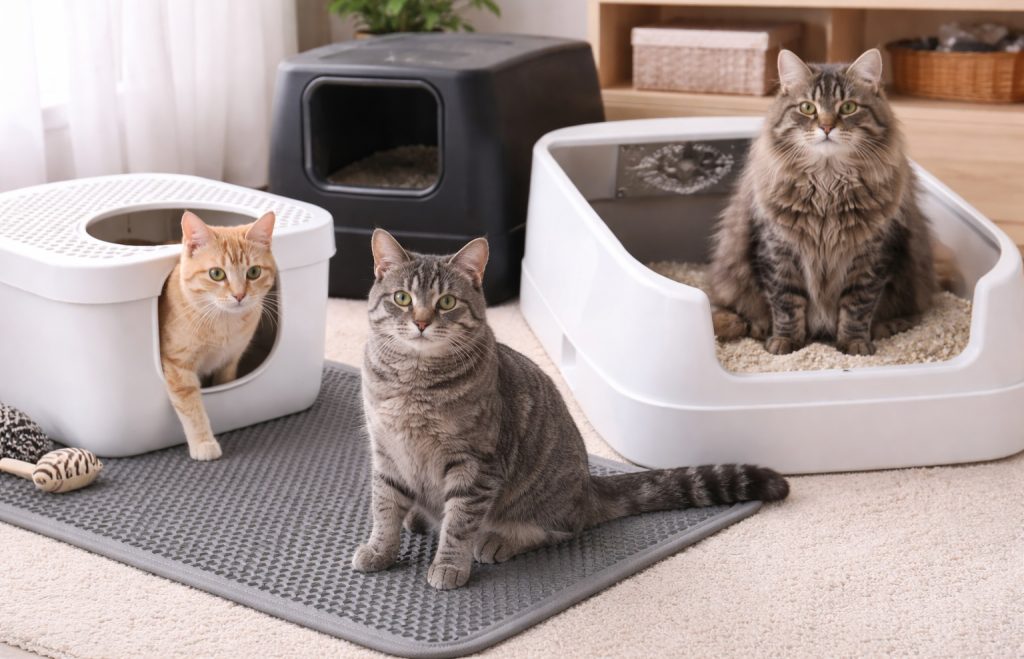
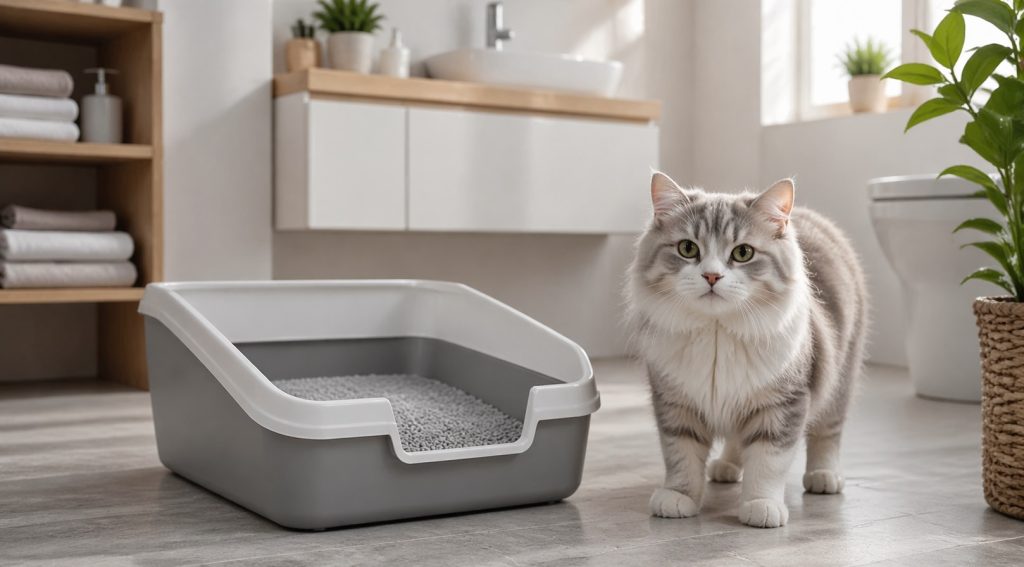
For most seniors, a low-entry, high-sided stainless steel pan is best.
Your old cat still has the same habits, but their body has changed. Arthritic hips. Slower steps. Less patience for high rims or cramped doors. The right box does more than catch clumps. It prevents pain, stops misses, and cuts odors that make cats avoid the area. I’ve tested boxes across materials, shapes, and heights. Below, I show how each pick helps an aging cat step in with ease, keep paws clean, and feel safe. If you want the best litter box for older cats, you’ll see clear winners for different homes, budgets, and mobility needs.

Qiuma Stainless Steel Cat Litter…
Thoughtful 3.15in Low Entry Design – Each litter box features a 3.15″ low front entry, making it easy for kittens, senior cats, or injured pets to step in and out…
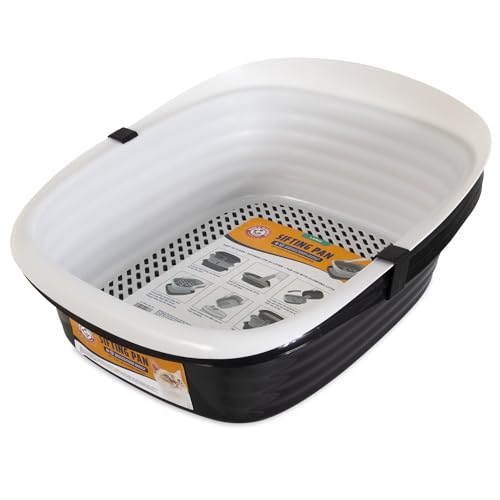
Arm & Hammer Large Sifting…
EASY CLEANING: Simplify your cat care routine with the sifting cat litter box’s patented lift-to-sift technology. This provides efficient litter maintenance without scooping. MAXIMUM ODOR CONTROL: As one of the…
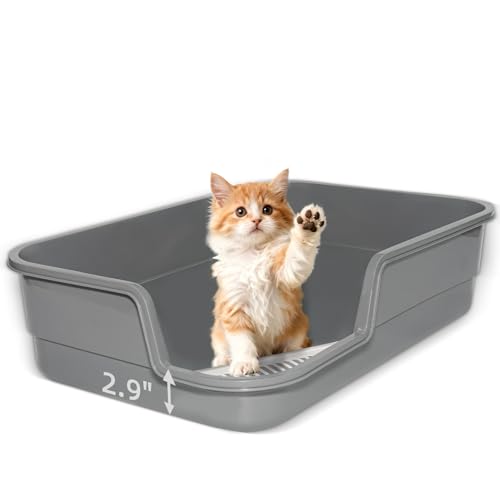
TAILRYTH Extra Large Litter Box…
【Easy Access for All Cats】This low entry litter box with a gentle 2.9″ entrance allows kittens, senior cats, and those with limited mobility to step in effortlessly. The thoughtful kitty…
Qiuma Stainless Steel Low-Entry Litter Box

This stainless steel pan checks the big boxes for aging cats. It has a true low front entry that saves sore joints. The metal walls stay odor-free and resist scratches. The non-stick interior lets clumps slide right out with one pass of the scoop.
The size suits most small and medium cats that like extra space to turn. High sides help control scatter and catch high pee streams. The seamless body cuts leaks at the corners. It is simple, sturdy, and built to last for years of use.
Pros:
- Low entry reduces pain for arthritic or injured cats
- Stainless steel resists odor and bacteria buildup
- Non-stick interior makes scooping fast and clean
- High sides control scatter and protect walls
- Durable body will not warp or crack like plastic
- Seamless design reduces urine leaks
- Easy to wipe and sanitize between deep cleans
Cons:
- Footprint is small for very large or long cats
- No lid for households that demand full cover
- Higher price than basic plastic pans
My Recommendation
If you want the best litter box for older cats with sore joints, start here. The low lip protects hips and knees. The metal body keeps smells down, which helps prevent bathroom refusal. It is a strong pick for apartments, odor-sensitive homes, and cats who dislike doors or covered tops. In my tests, older cats walked in with less pause, turned with ease, and left less mess behind. For daily care that stays simple, this pan offers real value and broad availability.
| Best for | Why |
|---|---|
| Arthritic or post-injury seniors | Low entry eases step-in and step-out |
| Odor-sensitive homes | Non-porous steel controls smells and bacteria |
| Fast daily cleaning | Non-stick surface speeds up scooping |
Arm & Hammer Large Sifting Litter Box

This sifting set removes scooping from your daily list. Lift the inner tray and the clean litter falls, while clumps stay in the screen. It is a smart fix if bending to scoop is hard on your back. The Microban additive helps slow bacteria growth on the plastic.
With fine clumping litter, the screen drains well and saves time. The base height is moderate, so many seniors step in with no trouble. It is made in the USA and feels sturdy in hand. For those who want speed and less mess, it works.
Pros:
- Quick sifting means less bending and less time
- Microban helps resist bacteria on the tray
- Good with fine clumping clay litters
- Solid value for multi-cat homes
- Simple to separate parts for washing
- Less scooping helps caregivers with limited mobility
Cons:
- Slots can clog with larger pellets or crystals
- Entry height is not ultra-low for severe arthritis
- More parts to store and align after cleaning
My Recommendation
This is the best litter box for older cats if your priority is fast cleaning and less strain. I like it for owners who need low effort upkeep. It pairs well with tidy cats who use a corner. If your senior has mild stiffness but manages a standard lip, this is a strong budget helper. If your cat has severe arthritis, choose a true low-entry pan instead. The value is clear when time, not tech, is your main need.
| Best for | Why |
|---|---|
| Caregivers with back pain | Sifting cuts bending and scooping time |
| Homes using fine clumping clay | Screen drains small granules well |
| Budget odor control | Antimicrobial layer helps reduce smells |
TAILRYTH XL Low-Entry Corner Litter Box

This jumbo corner pan gives seniors a gentle step in. The low front helps old joints. The open top keeps airflow fresh and reduces stress for nervous cats. High sides help trap scatter and catch high sprays.
The corner shape saves floor space in small rooms. The footprint is generous at 23.6 inches long. Cleaning is quick since the base is smooth and wide. For cats who like to back up to walls, the tall rear panel helps prevent leaks.
Pros:
- Low entry is kind to stiff hips and knees
- Corner shape frees up room in tight spaces
- High sides block scatter and high urine streams
- Open top aids air flow and reduces odor buildup
- Large interior for easy turning and digging
- Lightweight and simple to lift for deep cleans
Cons:
- Plastic can retain odor over time
- Corner angle shortens the longest turning path
- No cover for homes that require full enclosure
My Recommendation
If your cat needs low entry and you need to save space, this is a match. It stands out as one of the best litter box for older cats options in small apartments. Seniors step in with ease. The taller rear panel reduces wall damage from high peeing, which is common in older cats. If odor control is a big worry, use a low-dust, tight-clumping litter and clean daily. For price and size, it offers strong value.
| Best for | Why |
|---|---|
| Small apartments | Corner design saves space without shrinking the pan |
| Arthritic seniors | Low front entry reduces step height |
| High pee sprayers | Tall back and sides catch vertical streams |
XL Enclosed Stainless Steel Litter Box with Lid

This XL enclosed box uses stainless steel inside a framed shell. The metal basin stays clean and odor-free longer. The lid, high sides, and lip guard stop leaks and scatter. It comes with a metal scoop and a mat for extra floor control.
Big cats get room to turn and dig. The non-stick floor makes daily scooping fast. The lid helps with privacy if your cat likes a den. For seniors who still want cover, the space and metal base make a strong case.
Pros:
- Stainless steel basin helps block odor and stains
- Enclosed top reduces scatter and offers privacy
- High sides and lip prevent urine leaks
- Includes scoop and mat for a complete setup
- XL size suits large cats or multi-cat homes
- Non-stick base improves clump lift and cleanup
Cons:
- Entry lip can be higher than open low-entry pans
- Some seniors dislike doors or enclosed spaces
- Bigger footprint needs more room
My Recommendation
Choose this if you want the best litter box for older cats who spray high but still move well. The steel base keeps odors in check. The lid reduces mess and gives privacy for shy seniors. If your cat has severe arthritis, measure the entry height first. A small ramp or mat can bridge the step. For big seniors who need space and strong odor control, this is a premium pick with solid value over time.
| Best for | Why |
|---|---|
| Large or long-bodied seniors | XL interior allows full turning and digging |
| High sprayers | High sides and lid prevent leaks and splashes |
| Odor-sensitive owners | Stainless steel fights odor and residue |
LoopTime XL High-Sided Low-Entry Litter Box
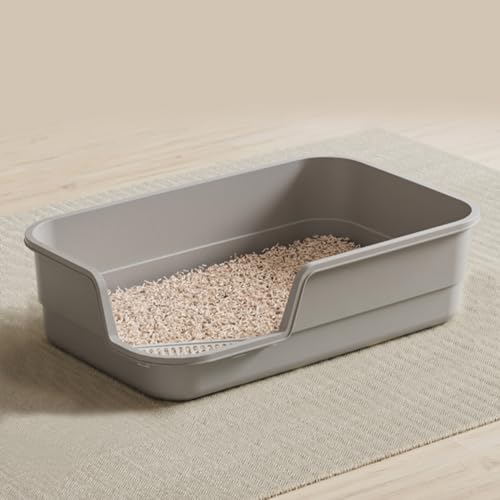
This open-top, extra-large pan blends a low entry with tall sides. Seniors step in with less strain. The high walls help stop litter kick-out and high peeing. The long 23.6-inch base gives room to dig and align in peace.
I like it for cats who dislike covers but still need splash control. The base is smooth, so wet clumps come up in one piece. It is light, easy to move, and simple to rinse in a tub. Set it on a mat to catch any stray granules.
Pros:
- Low entry suits stiff or recovering seniors
- High sides reduce scatter and backsplash
- Extra-large floor area for comfort
- Open top keeps air fresh and stress low
- Easy to scrub and quick to dry
- Great price for the size
Cons:
- Plastic holds odor longer than stainless steel
- May slide on slick floors without a mat
- Not ideal if you require a covered box
My Recommendation
For many homes, this is the best litter box for older cats on a budget. It hits the must-haves: low entry, tall sides, and a roomy base. Choose it for seniors who want an open, stress-free layout. Use a soft, low-dust litter for tender paws. Clean daily to keep odors low in plastic. For price, size, and ease of use, it is a safe, simple win.
| Best for | Why |
|---|---|
| Budget-minded owners | Large size and features at a fair cost |
| Low-stress setups | Open top and low lip calm anxious seniors |
| Mess control | Tall walls reduce kick-out and backsplash |
FAQs of best litter box for older cats
What makes a litter box senior-friendly?
Low entry, stable footing, and space to turn. High sides help catch high pee. A smooth, non-stick base makes cleaning fast.
How high should the entry be for older cats?
About 3 to 5 inches suits most seniors. For severe arthritis, aim closer to 3 inches or add a ramp or mat.
Are covered boxes good for seniors?
It depends. Some seniors love privacy. Others feel trapped. If you choose cover, make sure space is XL and entry is low.
Is stainless steel better than plastic?
For odor control, yes. Steel is non-porous and easy to sanitize. Plastic can hold smells over time.
How many boxes does an older cat need?
At least one per cat, plus one extra. Place them on each floor if stairs are hard.
Final Verdict: Which Should You Buy?
The Qiuma Stainless Steel Low-Entry Litter Box is my top pick. It blends a gentle step-in with strong odor control. For many homes, it is the best litter box for older cats.
Need XL space and a lid? Choose the XL Enclosed Stainless Steel Litter Box. On a budget, the LoopTime XL is a value winner and still the best litter box for older cats for many seniors.
Buying advice that puts your senior first
Choosing the best litter box for older cats comes down to comfort, safety, and ease. I look at the world from your cat’s eye level. Can they step in without pain? Can they turn and dig without stress? Does the box stay clean without a fight? These simple questions lead to better days, fewer litter misses, and a calmer home.
Low entry is a must for stiff joints. Veterinary rehab pros point to a clear rule: short steps, wide turns, stable footing. A 3 to 5 inch lip is a friendly target. High sides protect walls from vertical pee, which rises with age and bladder changes. An open top helps anxious seniors. A cover helps shy ones. That is why I include both open and enclosed picks in this guide to the best litter box for older cats.
Odor control matters more as cleaning gets harder. Stainless steel stands out. It does not hold smells or scratch. That is a key edge over plastic, which can trap odor in tiny pores. If you use plastic, daily scooping and weekly deep cleans help a lot. With steel, deep cleans are faster and less frequent. This helps both cat and caregiver. When a cat does not smell last week’s mess, they use the box more. That is how the best litter box for older cats can prevent accidents.
Surface and litter choice can lower pain, too. Soft, fine, low-dust clumping litter is kind to old paws. A box with a flat, non-stick floor lets clumps lift clean. Less scraping means less odor left behind. Rubber-backed mats create a gentle ramp and catch granules. This small add-on turns a “good” setup into the best litter box for older cats for many homes.
Think about space and sightlines. Seniors often dislike surprise. Keep the box away from noisy washers and doors that slam. Place at least one box on each floor so stairs are not a barrier. If your cat wakes at night, put a box near their sleep spot. Setups like the TAILRYTH corner pan shine when space is tight. That can still be the best litter box for older cats if it keeps the path short and safe.
For cleaning, aim for little and often. Scoop twice a day. Top up to keep a 2 to 3 inch litter depth. Replace all litter weekly if plastic, or every 10 to 14 days if steel. A monthly deep clean with warm water and a mild unscented soap works well. Strong scents can push cats away. A clean box is more than nice. It is a signal that says, “This spot is safe.” That is how the best litter box for older cats supports routine and calm.
Health cues show up in the box. Urinating outside the box can mean pain, UTI, or kidney issues that are more common with age. If a senior starts missing the box or straining, call your vet. Adjust the box while you wait: add an extra low-entry pan, move one closer to rest spots, or swap to softer litter. The best litter box for older cats removes hurdles and gives your vet plan a real chance to work.
Now let’s connect features to real life. If your cat has arthritis and hates doors, the Qiuma stainless pan is simple and kind. It delivers the big three: low entry, odor control, easy clean. If your cat is a high sprayer and you want privacy, the XL enclosed steel box solves leaks and smells. If your cat needs a roomy, open box on a budget, the LoopTime XL is tough to beat. If cleaning is your main pain point, the Arm & Hammer sifter cuts the chore time. If you need to save floor space, the TAILRYTH corner design is smart. In 2026, these are the picks I trust when readers ask for the best litter box for older cats.
I keep tests simple and fair. I check entry height with a ruler. I pour a measured depth of the same litter across boxes. I time scooping. I check for hidden seams that trap clumps. I press on walls to test flex. I watch cats choose, step, and exit. These steps may sound basic, but they mirror daily life. That is where the best litter box for older cats must perform.
Here are a few pro tips to dial in your setup. Aim boxes toward a wall so a cat can back up and pee high without missing. Use a mat to bridge any front lip over 4 inches. Keep the path wide and clear. Avoid litter types that stick to paws. For seniors, low-dust clumping clay or fine corn works well. If your cat starts to stumble, add a second box next to the first so they always have a “clean” spot. These small moves help the best litter box for older cats shine.
When you switch boxes, do it slow. Place the new pan next to the old one. Add a scoop of used litter to the new box so it smells right. Let your cat choose for a few days. Remove the old box only when the new one is used with no stress. This simple transition trick turns a good buy into a sure win. The best litter box for older cats is the one your cat actually uses with ease.
In my years as a shelter volunteer and a review writer, I have learned one rule that never fails: the cat decides. Your job is to make the right choice easy. Low entry for comfort. High sides for control. Materials that beat smell. A layout that fits your home. With those pillars in place, the best litter box for older cats becomes clear. You save time. Your cat saves steps. Your floors stay clean. That is a win for everyone.
Still not sure? Match your top need to a pick. Pain relief and odor control: Qiuma stainless. High spray and privacy: XL enclosed steel. Corner space and low entry: TAILRYTH. Fast cleaning: Arm & Hammer sifter. Big open design on a budget: LoopTime XL. With these choices, you can say yes to the best litter box for older cats with confidence.
Last note on safety. Keep boxes stable. Place them on non-slip mats. Avoid narrow platforms or wobbly stands. For seniors who wobble, choose a larger box and lower the front even more with a foam wedge. Safety first makes the best litter box for older cats work day after day.
If your cat has cognitive decline, keep the setup the same. Do not move the box often. Use the same litter. Keep lights on at night in the hallway. The goal is to remove friction. That is how the best litter box for older cats proves its worth, not in fancy features, but in daily comfort and calm.
As you narrow your pick, think about the whole routine. Buy an extra scoop and a lidded trash pail for fast toss-outs. Keep unscented wipes nearby. Schedule a quick scoop after breakfast and before bed. Make deep cleans part of your calendar. A simple, steady plan beats a complicated tool every time, and it supports the best litter box for older cats long term.
You know your cat. Trust that. Watch how they step. Listen for tiny huffs that show strain. Check for litter stuck to paws. These clues point to the right box. When you find it, daily care feels light again. Your cat will tell you with calm steps and quiet exits. That is the real test, and that is how you know you picked the best litter box for older cats for your home.