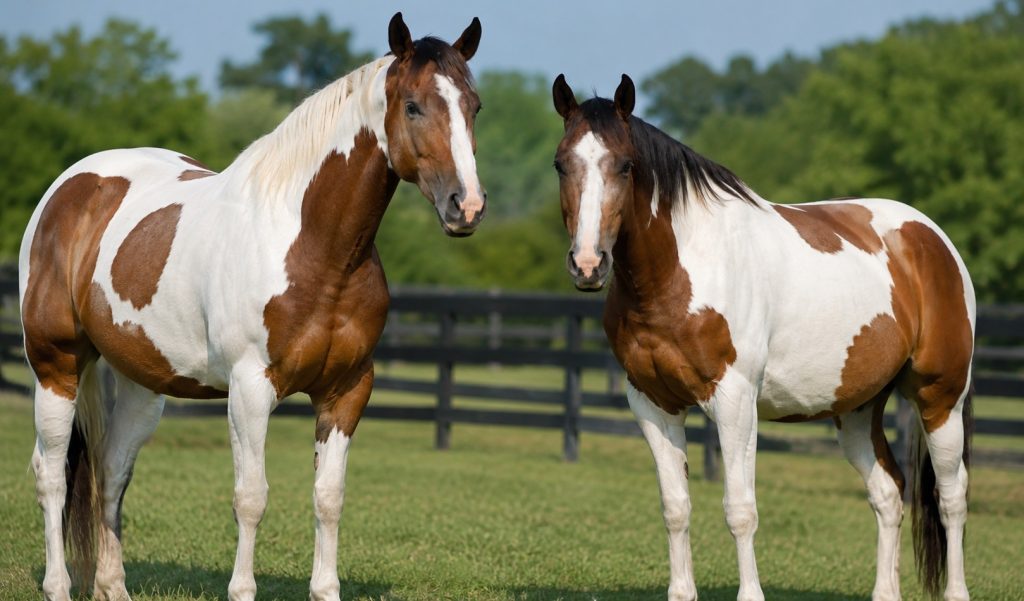
Paint is a breed registry; pinto is a color pattern found across many breeds.
I have spent years working with show horses, breeders, and equine registries. I will clearly explain what is the difference between a paint and pinto horse, so you get simple facts, useful examples, and practical tips for buying, breeding, or riding. Read on for precise definitions, genetics, registry rules, and real-world advice from hands-on experience.
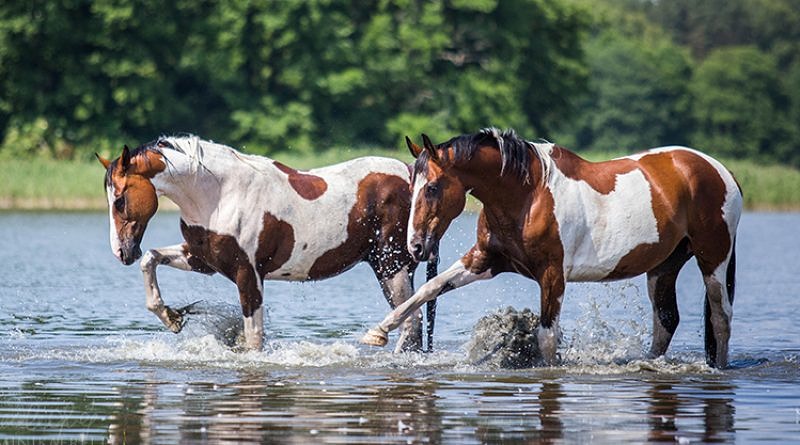
Source: good-horse.com
Breed vs. Color: Core Differences
A paint horse is a registered breed with specific pedigree and bloodline rules. A pinto describes a coat pattern: large white and colored patches. When people ask what is the difference between a paint and pinto horse they often mean breed versus color. The paint breed has riding, conformation, and temperament standards. Pinto simply tells you how the horse looks, not its breed.
Common quick points to remember:
- Paint is a breed registry with rules that include stock-horse bloodlines and conformation.
- Pinto is any horse with a white-and-colored patch pattern, regardless of breed.
- A horse can be both paint and pinto if it meets registry criteria and shows a pinto pattern.
History and Registries
The paint horse developed from working stock breeds with spotted coats. Breed registries formed to protect lineage and performance traits. The pinto coat pattern has appeared in many breeds around the world for centuries. When people search what is the difference between a paint and pinto horse they often want to know registry implications. Paint registries require pedigree evidence and sometimes performance records. Pinto registries accept many breeds based mainly on color and pattern.
Practical registry notes:
- Paint registries may require Quarter Horse or Thoroughbred bloodlines plus pinto markings.
- Pinto registries register horses of many breeds as long as the color pattern fits their rules.
- Some horses with pinto patterns cannot be Paint registered due to lineage rules.
Color Patterns and Genetics
Pinto refers to several patterns: tobiano, overo, and tovero are the main types. Each pattern has a visible look and a distinct genetic mechanism. If you want to know what is the difference between a paint and pinto horse at the genetic level, remember paint relates to breed genes and pinto relates to coat-color genes. A horse can carry genes for pinto patterns but still not qualify for a Paint registry if its ancestry does not meet standards.
Patterns and basic genetics:
- Tobiano: vertical white patches, often crosses the back; typically dominant.
- Overo: jagged or horizontal white markings; often linked to different genes.
- Tovero: mixes of tobiano and overo traits.
- Some pinto genes carry health considerations; testing can guide breeding.
PAA-style questions:
- What causes pinto patterns?
- Pinto patterns are caused by specific genes that affect pigment cell migration. Different genes produce tobiano, overo, and other patterns.
- Can a solid-colored foal be pinto?
- Yes. A foal can inherit pinto genes that are hidden and not expressed, or white may not develop fully until later.
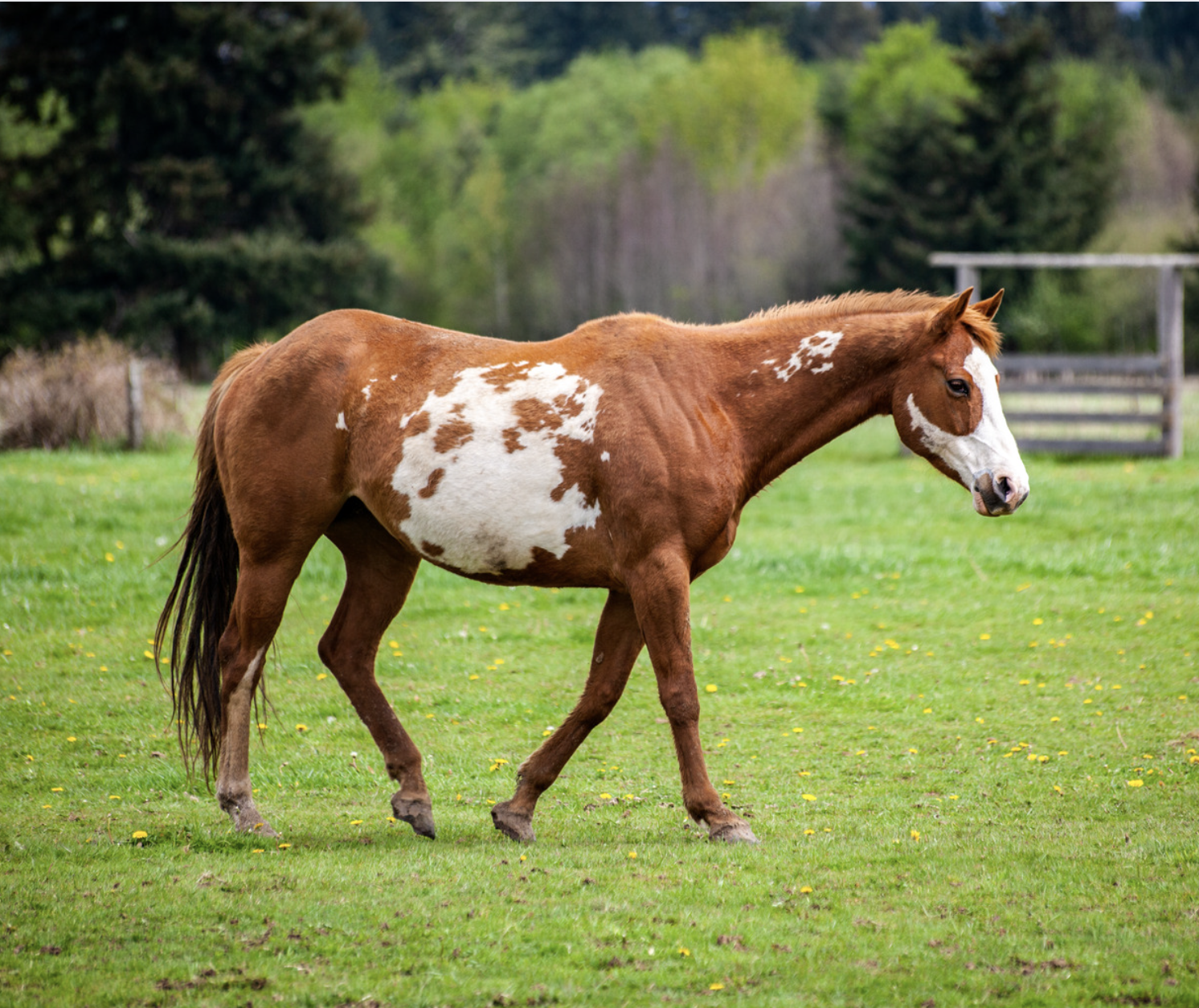
Source: cowgirlmagazine.com
Practical Implications for Owners
Knowing what is the difference between a paint and pinto horse matters for buying, registering, and breeding. If you want show eligibility in Paint-specific classes, choose a horse with the right pedigree. If you want a flashy color without breed limits, pinto registries offer more options. For health, temperament, and resale value, breed identity often matters more than color.
Tips from hands-on experience:
- Always request pedigree papers and a vet check when buying a Paint or pinto-patterned horse.
- Use genetic testing to confirm color genes and avoid breeding risks linked to certain overo types.
- Consider intended use: trail, show, or ranch work—breeding goals affect whether you prioritize Paint registry or pinto color.
Frequently Asked Questions of what is the difference between a paint and pinto horse
What exactly makes a horse a Paint?
A Paint is a horse registered with a Paint breed registry that requires certain bloodlines and traits. The registry looks at pedigree, conformation, and performance in addition to color.
Can a pinto be any breed?
Yes. Pinto describes a coat pattern and can occur in many breeds, including solid-breed horses that show white-and-colored patches. Breed identity is separate from color.
Is every Paint horse a pinto?
No. Many Paint horses display pinto patterns, but a Paint registry focuses on bloodlines; a Paint without large white patches would be rare and might not meet the visual norms.
Are there health risks with pinto patterns?
Some pinto-related genes can be linked to health issues, such as lethal white syndrome in certain overo crosses. Genetic testing reduces breeding risks.
How do I register a foal as Paint or Pinto?
To register as Paint, submit pedigree documentation and meet registry rules; to register as Pinto, apply to a pinto registry that accepts the foal’s breed and pattern. Each registry has clear application steps.
Conclusion
Understanding what is the difference between a paint and pinto horse helps you make better choices as an owner, breeder, or buyer. Remember that Paint is a breed registry with pedigree rules, while pinto is a descriptive color pattern found across breeds. Use pedigree papers, color-gene testing, and clear goals to guide purchases and breeding. If you enjoyed this guide, leave a comment with your experience, subscribe for more equine insight, or share this article with a friend looking to buy their next horse.