Best overall: C.E.T. Enzymatic Poultry Toothpaste for feline gingivitis.
Your cat’s gums look a little red. The breath is strong. You know plaque is building, but brushing feels hard. I’ve been there with my own stubborn tabby. The right paste turns a fight into a routine. Below, I break down the best cat toothpaste for gingivitis, how they work, and what actually matters for sore gums. I also share simple brushing tips that helped me go from once-a-month panic to calm, daily care. If you want fast relief and long-term gum health, this guide is for you.

C.E.T. Enzymatic Toothpaste for Dogs…
FOR DOGS AND CATS: Enzymatic toothpaste specifically formulated using an enzyme system for dogs and cats to reduce plaque, freshen breath, and ensure a clean mouth. Poultry flavor pets love…

Enzadent Enzymatic Toothpaste – Poultry-Flavored…
Delicious Enzymatic Toothpaste: Enzadent Enzymatic Toothpaste is a poultry-flavored paste that dogs and cats enjoy, making daily teeth brushing teeth easier and less stressful Oral Care for Pets: This versatile…

Petrodex Dental Care Kit for…
ALL INCLUSIVE CAT DENTAL KIT: Everything you need in one easy to use kit. FIGHTS BAD BREATH: With regular use, the Petrodex Enzymatic Toothpaste for Cats in this Sentry dental…
C.E.T. Enzymatic Toothpaste, Poultry, 2.5oz

This classic poultry-flavored paste is a favorite for a reason. It uses a dual-enzyme system to help break down plaque. That means less biofilm and fewer bacteria along the gumline. It is safe to swallow and free from foaming agents. Cats accept the taste, which makes brushing shorter and calmer.
I notice this paste works best with small, gentle circles at the gum edge. The texture spreads fast, so even a quick brush counts. For cats with tender gums, start with a pea-sized dab on a finger. Then move to a soft brush over a week. Daily use can ease redness and support healthy gums.
Pros:
- Dual-enzyme system targets plaque at the gumline.
- Poultry taste most cats accept on day one.
- Non-foaming, safe to swallow, gentle on tummies.
- Great texture that coats teeth in a thin film.
- Trusted by many vets for daily home care.
Cons:
- 2.5 oz tube may run out fast with multiple cats.
- Some very picky cats still refuse poultry flavor.
- Cap can get messy if you squeeze too hard.
My Recommendation
If you want the best cat toothpaste for gingivitis that just works, start here. The enzymes are proven, the flavor is cat-friendly, and the texture helps you brush fast. I reach for this when gums look red and tender. It supports plaque control and smoother breath. It is a strong first pick for busy owners who want quick wins.
| Best for | Why |
|---|---|
| Everyday gingivitis care | Dual enzymes reduce plaque along sore gums |
| Picky cats | Poultry flavor boosts acceptance and repeat use |
| New brushers | Safe, non-foaming paste with smooth spread |
Enzadent Enzymatic Toothpaste, Poultry, 3.2oz

Enzadent leans into a robust enzymatic blend that supports gum health. The poultry flavor is gentle and not too strong. The 3.2 oz tube offers more paste per dollar. The paste is smooth but slightly thicker, which helps it cling to teeth longer.
I like this for cats who drool or fling paste. It stays put, so more active brushing pays off. You can use a finger brush or a small, soft brush. With steady use, it can calm mild inflammation and lower plaque. It is a solid pick for multi-cat homes too.
Pros:
- Strong enzymatic action to fight sticky plaque.
- Larger 3.2 oz tube is good value.
- Clings to teeth for better contact time.
- Safe to swallow and easy to rinse off tools.
- Works with finger brushes or small toothbrushes.
Cons:
- Thicker texture may feel heavy to some cats.
- Flavor is mild, which some picky cats ignore.
- Cap threads can cross if not aligned.
My Recommendation
Pick Enzadent if you want longer contact on problem areas. The texture sticks, so enzymes have time to work. For the best cat toothpaste for gingivitis in busy households, the bigger tube helps. It is great if you brush more than one cat or if your cat needs more coverage.
| Best for | Why |
|---|---|
| Multi-cat homes | Larger tube offers value and steady supply |
| Stubborn plaque | Thicker paste clings for better enzyme contact |
| Gentle brushing | Mild flavor and smooth spread reduce fuss |
Petrodex Cat Dental Kit, Malt, 2.5oz + Brush

This kit gives you everything you need to start. The malt-flavored enzymatic toothpaste pairs with a small cat brush. The brush head is slim and angled for tight mouths. It reaches the back molars, where plaque loves to hide.
I like malt for cats who dislike poultry. It smells like a treat, not meat. The bristles are soft yet firm enough to lift film. If your cat is new to brushing, this bundle keeps things simple. One purchase and you’re set for your first month.
Pros:
- Complete starter kit with toothpaste and brush.
- Malt flavor can win over picky cats.
- Angled brush head reaches back teeth well.
- Enzymes support gum health and fresh breath.
- Good value for new brushers.
Cons:
- 2.5 oz paste runs out if you over-apply.
- Brush may feel big for very tiny mouths.
- Some cats prefer a finger brush at first.
My Recommendation
This is the easiest on-ramp to daily care. If you want the best cat toothpaste for gingivitis plus a ready brush, start here. You can test a new flavor and stick with it if your cat approves. The angled head helps you learn fast. It is a kind pick for first-time owners.
| Best for | Why |
|---|---|
| First-time brushers | Includes a cat-sized brush that reaches molars |
| Picky taste testers | Malt flavor feels like a treat |
| Budget shoppers | Bundle pricing adds value |
Petsmile VOHC Toothpaste, Chicken, 2.5oz

Petsmile’s formula is known for a unique stain- and plaque-fighting system. It is VOHC-accepted for plaque control and is gentle for daily use. The chicken flavor is light and tends to be well liked. Many cats accept it even if they resist brushes.
You can apply it with a brush or a cotton swab. The paste spreads and works as your cat licks. For cats with sore gums, that “no-stress” start helps. Brush if your cat allows. If not, swab daily and build up. It is a smart pick for fragile mouths.
Pros:
- VOHC-accepted formula for plaque control.
- Works with or without full brushing.
- Light chicken taste suits sensitive cats.
- Smooth texture spreads with a simple swab.
- Good for easing into a routine with sore gums.
Cons:
- Price per ounce runs higher than most.
- Best results still come with brushing.
- Tube can feel small for daily swab use.
My Recommendation
For skittish or painful mouths, this feels kind. If you want the best cat toothpaste for gingivitis but your cat hates brushes, start with swabs. Add brushing when your cat can handle it. This can be a game changer for stress-free care.
| Best for | Why |
|---|---|
| Brush-averse cats | Effective with gentle swab application |
| Early gingivitis | Helps cut plaque without hard scrubbing |
| Owners needing quick wins | Easy daily routine builds trust fast |
C.E.T. Enzymatic Toothpaste, Vanilla Mint, 2.5oz
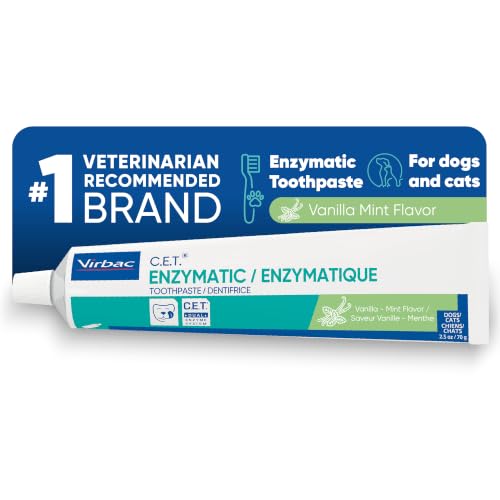
Some homes prefer a fresh scent after brushing. This vanilla mint option brings that clean note. It still uses the trusted dual-enzyme system from C.E.T. The texture is the same as the poultry version, which spreads fast and rinses clean.
Not all cats love mint, but some accept it well. I use this when owners want a fresher post-brush smell. It can be handy in small homes. If your cat likes novelty, this can be a nice rotation option. It keeps plaque at bay with gentle daily care.
Pros:
- Dual-enzymes support gum health and plaque control.
- Fresh scent that owners appreciate.
- Smooth texture coats teeth fast.
- Safe to swallow and non-foaming.
- Good rotation option to prevent flavor fatigue.
Cons:
- Many cats prefer meat flavors over mint.
- Scent can be strong for sensitive noses.
- Flavor switch may slow adoption at first.
My Recommendation
Try this if your cat accepts mint or you want a fresh finish. It has the same enzyme power I trust. As a second tube in a rotation, it can keep interest high. It is not my first pick for the best cat toothpaste for gingivitis, but it is a useful backup.
| Best for | Why |
|---|---|
| Owners who want fresh scent | Vanilla mint leaves a clean smell after brushing |
| Flavor rotation | Prevents cats from getting bored of one taste |
| Daily plaque control | Dual enzymes help support healthy gums |
How I choose the best cat toothpaste for gingivitis
I look for proven plaque control. Enzymes matter. They help break down the sticky layer where bacteria live. That is how we calm red gums.
I avoid fluoride and human pastes. Cats swallow paste. They need safe, non-foaming gels. Flavors should be mild and cat-friendly.
I favor brands with long use in clinics. I also like formulas linked to dental groups that test claims. VOHC acceptance for plaque control is a plus. I check label clarity and batch consistency.
Texture matters more than you think. A paste that clings means more time at the gumline. That helps when your cat gives you 20 seconds, not two minutes. I also weigh cost per ounce for multi-cat homes.
Gingivitis 101: simple facts cat owners need
Gingivitis is gum inflammation. It is common in cats. It starts with plaque. Bacteria in plaque irritate the gum edge. That leads to redness, swelling, and pain.
Left alone, gingivitis can progress. Tartar hardens, pockets form, and teeth get loose. Daily brushing helps stop this chain. A good paste boosts your brush by softening plaque.
Watch for signs: red gums, bad breath, drool, and pawing the mouth. Some cats drop food or chew on one side. If you see bleeding or weight loss, call your vet. You may need a pro cleaning first.
How to brush a cat with tender gums
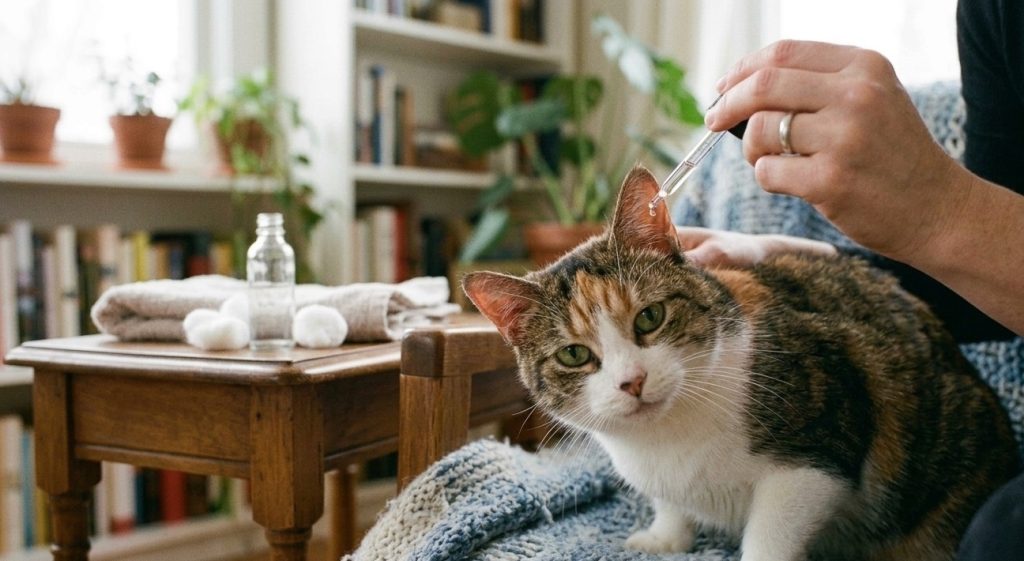
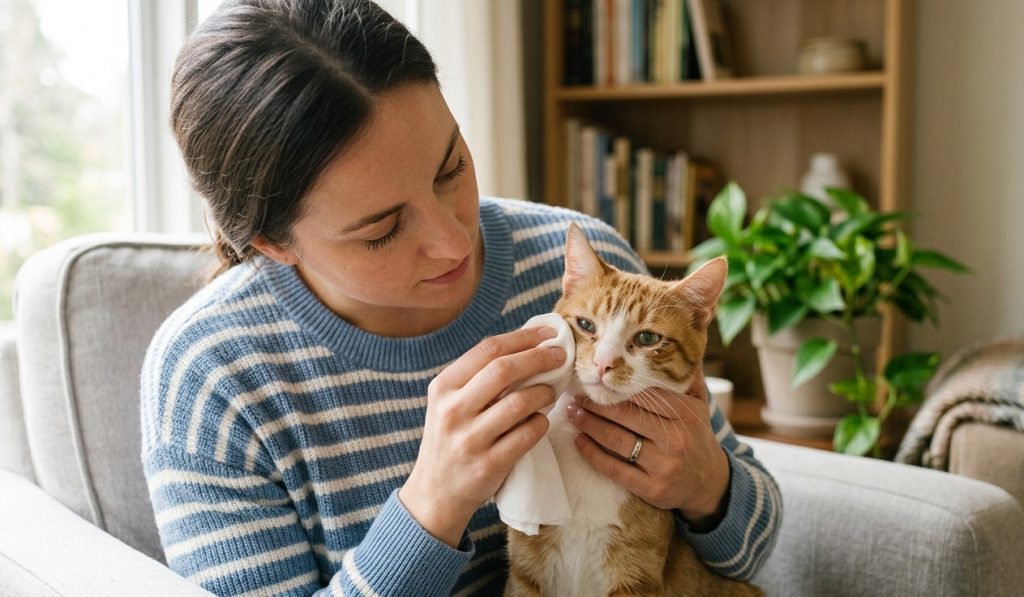
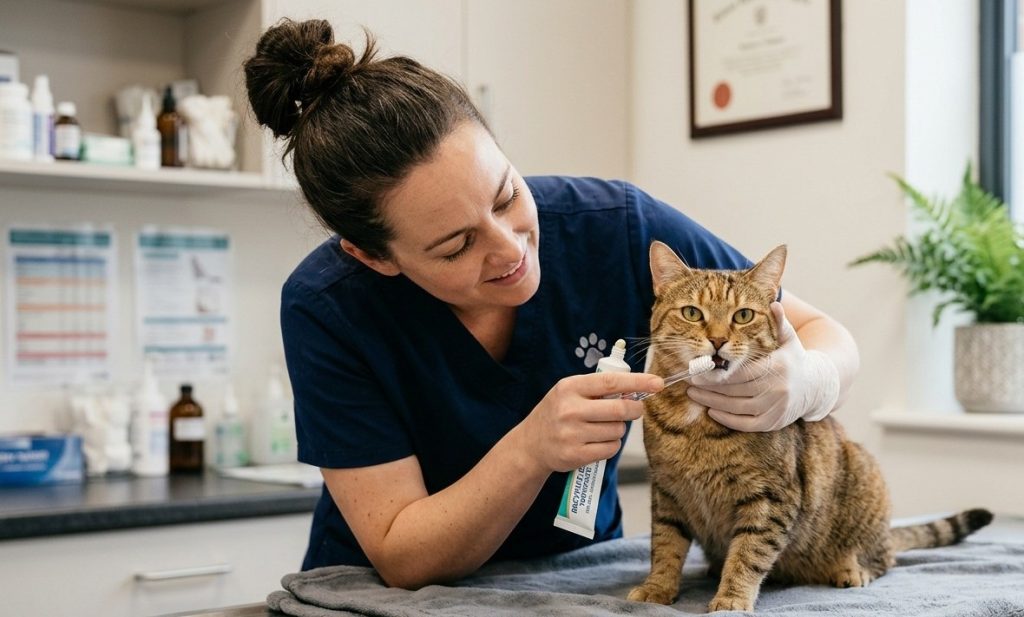
Go slow. Your first goal is trust, not a full cleaning. Day one, offer a pea-sized dab of paste on your finger. Let your cat lick and walk away.
Day two, touch the paste to a front tooth. Praise and end. Day three, trace the gumline for two seconds. Keep the session under 30 seconds. Cats prefer short wins.
Use a soft brush, finger brush, or gauze. Aim for the outer surfaces only. That is where plaque builds fast. Brush daily for the best results. Every other day still helps.
Checklist: does your paste fit your cat?
Use this quick screen before you buy the best cat toothpaste for gingivitis:
- Cat-friendly flavor your cat has liked before.
- Non-foaming, safe to swallow, enzyme-based.
- Texture that clings but spreads with light pressure.
- Works with your preferred tool: brush, finger, or swab.
- Clear label, batch date, and reliable supply.
Proof that brushing matters
Daily brushing is the gold standard for plaque control. Enzymatic pastes add power to short sessions. Studies show less plaque means fewer gum signs. You often see better breath in a week.
For deep tartar, you still need a vet cleaning. Paste keeps results longer after the cleaning. That is how you save money over time. The best cat toothpaste for gingivitis supports both short-term comfort and long-term health.
Practical tips for fast wins
Brush at the same time daily. Cats like routines. Use a calm voice and end with a play or a treat.
Keep paste visible on the counter. That is your cue. Use a pea-sized dab only. Too much paste can cause licks and no brushing.
Track progress. Take a gum photo once a week. Look for less redness over two weeks. Adjust tools if your cat resists. A swab can bridge the gap.
When to see a vet
If gums bleed often, call the clinic. If your cat drools with blood or stops eating, go sooner. Pain is real and needs relief.
Bad breath that does not improve in two weeks can signal deeper disease. Your vet may suggest a cleaning, x-rays, or meds. After care, keep brushing with the best cat toothpaste for gingivitis you and your cat accept.
FAQs of best cat toothpaste for gingivitis
How often should I brush my cat’s teeth for gingivitis?
Daily is best. Every other day still helps. Short, calm sessions beat long, stressful ones.
Can I use human toothpaste on my cat?
No. Human paste can harm cats. Use pet-safe, non-foaming, swallow-safe paste only.
Which flavor works best for picky cats?
Poultry and malt are top wins. Start with poultry. If your cat refuses, try malt.
Do I need to brush if I use Petsmile?
Brushing gives the best results. You can swab first for sore gums, then add brushing later.
How long until I see better gums?
Many owners see less redness in 7–14 days. Keep brushing daily to maintain gains.
Final Verdict: Which Should You Buy?
C.E.T. Enzymatic Poultry Toothpaste is my top pick. It balances taste, enzyme power, and value. It is the best cat toothpaste for gingivitis for most homes.
Choose Enzadent for bigger tubes, Petsmile for swab starts, and Petrodex for a ready kit. Keep brushing, stay patient, and your choice of the best cat toothpaste for gingivitis will pay off fast.