

Have you ever stood in front of your pantry, spotted that lonely can of sardines, and wondered, “Could my dog eat this?” You’re not alone—countless dog owners have pondered the same. Luckily, you’ve landed in the right spot. As someone who’s no stranger to canine nutrition quirks, I’ve explored this salty little conundrum in depth.
In this guide, we’ll dish out the pros, cons, and smart feeding tips when it comes to sardines and your four-legged friend. So pour yourself something warm, hand your pup a treat, and settle in for a fishy conversation that’s anything but flaky!
Basic facts about sardines
Sardines belong to the herring family and live in oceans worldwide. They come in different sizes, but most canned sardines weigh around 3.75 ounces. Don’t let their small size fool you—they brim with nutrients that can benefit your canine friend. FYI, these fish have been a staple human snack for centuries, so why not share the love?
Essential vitamins and minerals in sardines
These little guys are bursting with nutrients. We’re talking about a serious boost for your dog’s overall health. It’s like giving them a superfood supplement without them even realizing it!
- Omega-3 fatty acids: These healthy fats support your dog’s skin, coat, and brain function.
- Protein: Sardines deliver a solid protein boost for muscle maintenance.
- Vitamin D: They offer one of the rare natural sources of vitamin D, crucial for bone health.
- Calcium & Phosphorus: These minerals work together to keep those teeth strong.
- B vitamins (B12, Niacin): Vital for energy metabolism and nerve health.
- Selenium: An important antioxidant that helps protect cells from damage. Think of it as a tiny bodyguard for your dog’s cells.
- Coenzyme Q10 (CoQ10): Another powerful antioxidant, CoQ10 supports heart health.
Are sardines good for dogs?
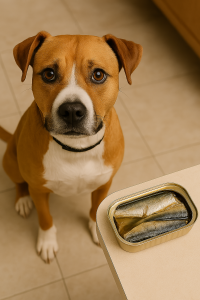
Honestly, I think sardines deserve a gold star in any dog diet. When prepared correctly and given in moderation, sardines offer a fantastic nutritional punch. I swear by them for my own Labrador, Buster; his coat has never looked better, and he practically glows with health. It’s like he’s on a secret super-dog diet, and sardines are a key ingredient!
What are the health benefits of sardines?
The benefits of incorporating sardines into your dog’s diet are pretty impressive. It’s not just about a nice coat, although that’s a definite perk! We’re talking about some serious internal improvements.
- Shiny coat: Those omega-3 fats turn dull fur into something you’d envy.
- Joint support: Anti-inflammatory properties can ease arthritis symptoms in senior dogs.
- Heart health: EPA and DHA help maintain a strong ticker.
- Brain boost: Puppies and adult dogs alike benefit from omega-3s for cognitive function..
- Immune System Boost: The vitamins and minerals, like Vitamin D and Selenium, help bolster your dog’s immune system, making them more resilient to illness.
- Bone Strength: Calcium and Vitamin D team up to ensure strong, healthy bones. This is especially important for growing puppies and active adult dogs.
Ever wondered why some dogs seem more energetic after fishy treats? That’s the magic of sardines.
Can puppies eat sardines?
Yes, puppies can eat sardines, but with extra caution and in very small amounts. Their digestive systems are still developing, so you need to introduce new foods very gradually. Think of it as introducing them to gourmet cuisine – small tastes, slowly! Always consult your vet before adding any new food to a puppy’s diet, especially something as potent as sardines.
When are sardines unsafe for dogs?
Before you go emptying your entire sardine stash, let’s talk about when these little fish can be bad for your dog. Because, as with anything, there’s a right way and a wrong way.
Can dogs be allergic to sardines?
Yes, though it’s rare. Watch for itching, swelling, or vomiting in the hours after feeding. If you notice any reaction, pause the sardines and consult with your veterinarian. Better safe than sorry, right?
Can sardines make dogs sick?
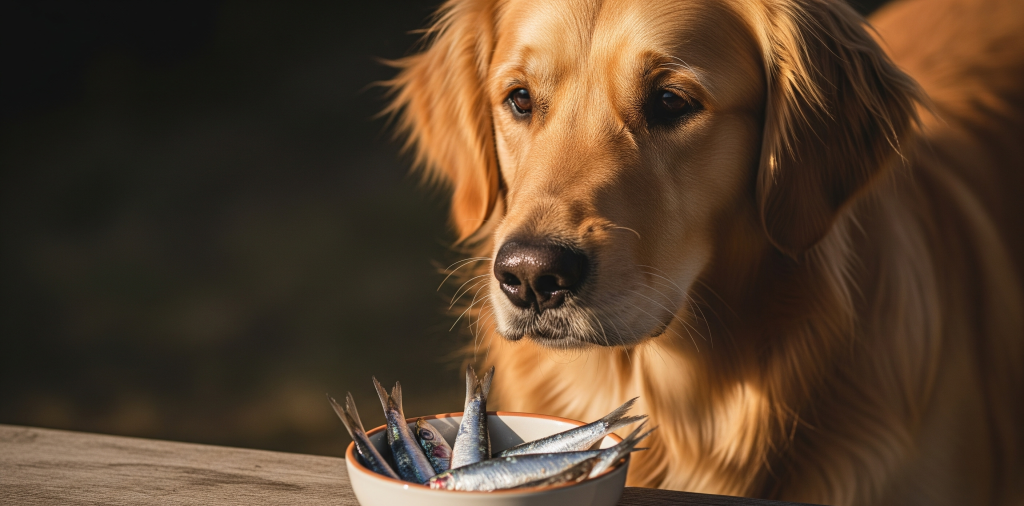
If you feed the wrong kind of sardines, too many, or prepare them incorrectly, sardines can absolutely make dogs sick. We’re talking about things like too much sodium, unhealthy oils, or even tiny bones. It’s not rocket science, but it does require a bit of attention.
Feeding instructions: giving sardines to dogs
This is crucial, folks. Pay attention! Following these guidelines will ensure you’re doing your best for your furry friend.
Sardines should be cooked
This might sound like a no-brainer, but sardines should be cooked before feeding them to your dog. Raw fish can carry parasites and bacteria that could make your dog very sick. A quick steam or boil is all it takes.
Avoid sardines in oil
This is a biggie. Avoid sardines packed in oil, especially sunflower, soybean, or vegetable oil. These oils add unnecessary fat and calories and can even cause digestive upset or pancreatitis in some dogs.
Avoid salted sardines
Many canned sardines are packed in brine or have added salt. High sodium intake can lead to thirst, urination, and in severe cases, sodium ion poisoning. Always check the label for “no salt added” or “packed in water.”
Sardines in moderation
Sardines in moderation are key. A small dog might get half a sardine a few times a week, while a larger dog could handle one or two. It’s not a full meal replacement, just a healthy supplement. Start small and see how your dog reacts.
Avoid large sardine bones
Tiny, cooked bones are usually soft, but I still fish out any big bits to prevent choking. Always double-check before serving.
How to serve
- Flake over their regular food.
- Mash into a pâté-like consistency for seniors.
- Mix them into their regular food or offer them as a standalone treat.
- Use as a training reward—instant enthusiasm guaranteed!
Can dogs eat sardines every day?
Generally, no, dogs should not eat sardines every day. Think of them as a supplement or a special treat, not a main meal. Overfeeding can lead to an imbalance of nutrients, especially too much Vitamin D or Omega-3s, which can have adverse effects. Aim for a few times a week, maximum.
How Should Sardines Be Introduced to a Dog’s Diet?
Start slow: Start with a tiny amount, like a quarter of a small sardine for a medium-sized dog. Observe your dog for any signs of digestive upset for 24-48 hours. If all looks good, you can gradually increase the amount over a week or two until you reach the recommended portion size for their weight.
What kinds of sardines can dogs eat?
Not all cans are created equal. Choose wisely to keep health hazards away.
Can dogs eat sardines in tomato sauce?
Nope—tomato sauce often contains garlic, onion, sugar, and spices that can harm dogs. Skip the flavor packets.
Can dogs eat tinned/canned sardines?
Yes, if they’re in water with no added salt or oil. Always check labels.
Can dogs eat sardines in oil (sunflower, olive)?
I’d avoid these. Extra fats can lead to weight gain and pancreatitis. Water-packed is best.
Can dogs eat sardines in brine?
Brine packs load in sodium. Too much salt spells trouble, so pass on brined versions.
Can dogs eat whole raw sardines with bones?
Raw fish risks parasites and bacteria. Cooking solves that. Always cook before sharing.
Can dogs eat sardines in spring water?
Spring water–packed sardines are safe and hydrating. They’re my top pick for flavor and simplicity.
Can dogs eat frozen sardines?
Absolutely—once you thaw and cook them. Frozen keeps nutrients locked in, so they’re a great option if you shop fresh fish.
Can dogs with pancreatitis eat sardines?
Generally no, unless your vet gives the green light. Low-fat diets rule in these cases.
Can pregnant dogs eat sardines?
Yes, in moderation. The omega-3s support fetal brain and eye development. Talk to your vet before adding any new food.
What other foods can dogs safely eat?
Beyond sardines, there are plenty of other safe and healthy options. Just a few off the top of my head:
- Cooked, plain chicken (no skin or bones)
- Plain pumpkin (canned, unsweetened)
- Carrots
- Green beans
- Apples (no seeds or core)
- Blueberries
- Cooked sweet potatoes
Are sardines good for dogs with liver disease?
When it comes to specific medical conditions like liver disease, the suitability of sardines for dogs depends entirely on the individual dog and the severity of their condition.
Liver disease often requires a very specific, veterinarian-prescribed diet. While the Omega-3s in sardines are anti-inflammatory and generally beneficial, the protein and fat content might need to be restricted for some liver conditions.
You must consult your vet before adding sardines to the diet of a dog with liver disease. Seriously, don’t guess here.
Are sardines good for dogs with kidney disease?
Similarly, for dogs with kidney disease, sardines can be a bit of a mixed bag and require veterinary guidance.
Dogs with kidney disease often need a diet restricted in phosphorus and protein. While sardines are a good source of Omega-3s, they are also relatively high in phosphorus and protein.
Therefore, feeding sardines to a dog with kidney disease could potentially worsen their condition. This is another situation where a “chat with your vet” isn’t just a suggestion; it’s a necessity.
Frequently asked Questions
Is it ok to feed my dog sardines everyday?
Feeding fish daily risks mineral overload. Limit to once or twice weekly to keep balances right.
Can dogs eat sardines with bones?
Cooked, tiny bones usually soften, but I remove all visible bones to be safe. Safety first, always.
What type of sardines are best for dogs?
Sardines packed in water with no added salt are the absolute best choice for dogs. This ensures you’re giving them all the good stuff without any harmful additives.
Can older dogs benefit from sardines?
Absolutely. The anti-inflammatory fats ease joint pain, helping seniors stay spry.
Can dogs eat sardines with skin?
Yes, dogs can eat sardines with skin. The skin is perfectly safe and contains additional nutrients, including more of those wonderful Omega-3s.
Do all breeds love sardines?
Most breeds enjoy them, but individual tastes vary. Always test a tiny piece first.
How many sardines can I give my dog?
The amount depends on your dog’s size. For small dogs, a half a sardine a few times a week is often sufficient. Medium to large dogs might get one to two sardines a few times a week.
Final Words
So, are sardines good for dogs? You bet they are—when you pick the right kind and serve them the right way. These little fish pack a nutrient punch that supports coat health, brain function, and more. Next time you open a can, toss a few to your pup and watch them do a happy dance. Remember, moderation and proper prep keep tails wagging without any vet visits. Happy feeding!




Pingback: 🐾 Can Cats Eat Sardines? Truth, Safety & Health Benefits! -
Pingback: Dog Nutrition Guide: Tips for a Healthier, Happier Pup! 🐶 -
Pingback: Cat Nutrition Made Easy: Your Ultimate Feline Feeding Guide 🐾 -