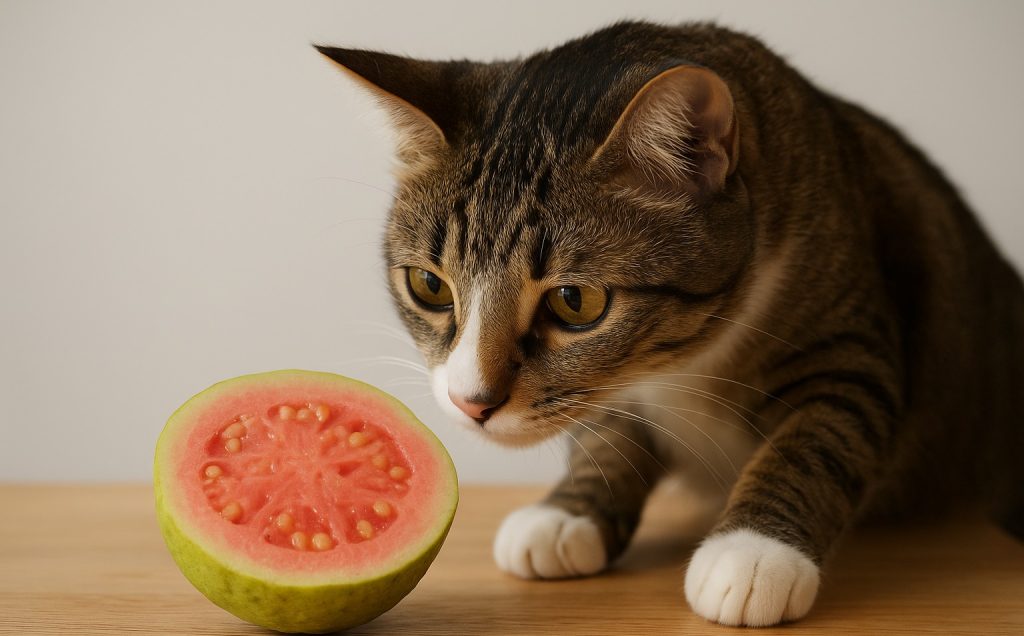
Now, let’s get serious: have you ever been enjoying a juicy guava slice when you noticed your cat staring at you? You know the one. The “I’m cute, I’m curious, and I might steal your snack” look. So naturally, you wonder: Can cats eat guava? Is it safe? Will it turn your feline into a tropical fruit connoisseur or send you sprinting to the vet?
I’ve been there. My cat, Loki, once tried to swipe a piece of guava off my plate. That moment sparked a deep dive into feline nutrition and fruit safety. So if you’re here because your cat’s got a taste for the exotic, or you’re just a curious pet parent, buckle up. We’re about to unpack everything you need to know about guava and cats—without the boring textbook vibes. 😼
Can Cats Eat Guava?
Short answer? Yes, cats can eat guava—but only in moderation.
Guava isn’t toxic to cats, which is a relief. However, safety does not equate to ideality. Cats are obligate carnivores, meaning their bodies are built to thrive on meat. Fruits like guava? They’re more like the occasional weird snack your cat might nibble out of curiosity.
Can Cats Eat All Types of Guava?
Not all guavas are created equal. There are red, pink, and white flesh varieties—and each has slightly different sugar and fiber levels. While the flesh is generally safe in tiny amounts, avoid feeding flavored or processed guava products (like guava jelly or guava pastries). Those often contain added sugars or artificial sweeteners (xylitol = toxic for cats, FYI).
Are Guavas Good for Cats?
This is where things get a little complicated. Are they “good” in the sense that they’ll boost your cat’s health? Not really. Are they “good” in the sense that they won’t cause immediate harm? Mostly, yes. It’s a fine line. Cats get all their necessary nutrients from high-quality cat food. Any added fruits, including guava, are just extra. They aren’t going to suddenly make your cat healthier. Frankly, IMO, a cat’s diet should be simple and focused on what they’re naturally meant to eat.
The Pros and Cons
Pros:
- Vitamin A: Promotes healthy skin and eyes.
- Potassium and calcium are beneficial for muscles and bones.
- Antioxidants: May strengthen immunity and reduce inflammation.
- Iron: Promotes normal blood function.
Cons:
- High sugar content: Cats don’t require sugar, and consuming too much of it can cause diabetes or obesity.
- Seeds: difficult to digest and a choking hazard.
- Overconsumption of pectin can result in diarrhea or constipation.
No sweet taste receptors: Since cats are incapable of tasting sweetness, the allure of guava is… dubious.

Potential Health Benefits of Guavas for Cats
Alright, so we now know that cats do not require guava. But what about the advantages humans have in terms of health? Are those applicable to our feline companions? Perhaps a little, but that doesn’t mean you should give it to them.
Digestive Health and Guava
A bite or two of guava’s fiber may support mild digestion. But too much fiber can backfire—think “litter box disasters.” Moderation is the magic word.
Immune System Boost from Guava
Guava contains vitamin C and antioxidants that, in theory, could support immune health. But cats synthesize their own vitamin C, so the benefit isn’t as dramatic as it is for humans. Still, it doesn’t hurt to offer a small piece now and then.
Vitamins and Minerals in Guava
Guava has a decent dose of potassium, vitamin A, Vitamin C and folate. These nutrients can play minor supportive roles in your cat’s overall well-being. Just remember, your cat’s main nutrition should come from a complete, meat-based diet.
Fiber Content in Guava
Fiber can help with hairball management (cat parents, you know the struggle!). But again, only in tiny amounts. Think of guava as a side salad to your steak dinner—nice, but not the main event.
Considerations When Preparing Guava for Cats
This is the most crucial part. Never, ever give your cat a whole piece of guava. You have to prepare it safely.
- Wash thoroughly: Remove pesticides.
- Peel the skin: It’s tough and hard to digest.
- Remove all seeds: Choking hazard alert.
- Cut into tiny pieces: Think pea-sized or smaller.
Basically, treat guava like you’re prepping it for a toddler with trust issues.

How Much Guava Feed to Your Cats?
A tiny piece. And I mean tiny. Think of a piece no bigger than your pinky fingernail. That’s it. It’s a “once-in-a-while” treat, not a daily supplement. If you want to offer them a taste, let them lick a tiny bit of the flesh off your finger. It’s a fun way to share without going overboard.
How Much is Too Much?
If your cat eats more than a few small pieces, expect potential tummy upset or loose stools. Guava is high in sugar and fiber compared to what cats normally eat. As a rule of thumb, treats should make up no more than 10% of your cat’s daily intake.
How to Safely Feed Guava to Cats
Here’s your step-by-step:
- Wash the guava to remove chemicals.
- Peel the skin—it’s tough and not cat-friendly.
- Remove all seeds—seriously, all of them.
- Cut into tiny bits—pea-sized is perfect.
- Offer a small piece and watch for reactions.
If your cat sniffs it and walks away? That’s normal. They’re not being rude—they just don’t taste sweetness. 😹
Risks, Side Effects and Precautions When Feeding Guava to Cats
Let’s get serious for a moment. Just because something isn’t toxic doesn’t mean it’s completely safe.
Possible Allergic Reactions
Although rare, some cats may develop mild itching, vomiting, or diarrhea after eating guava. If that happens, stop immediately and call your vet.
Choking Hazards and Guava Seeds
Guava seeds are small but hard and slippery. They can cause choking or even intestinal blockage. Always remove them. This is the one step you should never skip.
Alternatives to Feeding Your Cat Guava
If guava’s not your cat’s jam, try these instead:
- Blueberries: Low sugar, high antioxidants.
- Cantaloupe: Cats weirdly love it.
- Watermelon: Hydrating and safe (seedless only).
- Banana: In tiny amounts.
These fruits are more cat-approved and less likely to cause drama.
More Cat-Friendly Fruits
Here’s a quick list of fruits that are generally safe:
- Apples (no seeds)
- Strawberries
- Mango (again, ironic)
- Pears (seedless)
- Pumpkin (cooked)
Pro tip: Always introduce new fruits slowly and watch for reactions.
Fruits Toxic to Cats
This list is for your “FYI” because this is knowledge every cat parent should have.
- Grapes & Raisins: Highly toxic, can cause kidney failure.
- Citrus Fruits: Oranges, lemons, limes. The oils and citric acid can cause digestive upset.
- Cherries: The pits contain cyanide. Stay away.
Fruits to Be Wary of
Even if not strictly toxic, some fruits bring other risks.
Tomatoes
Green parts and unripe tomatoes contain solanine, which is toxic. Skip them.
Cherries
The fruit itself is okay, but the pits, stems, and leaves contain cyanide and are very toxic. It’s just not worth the risk.
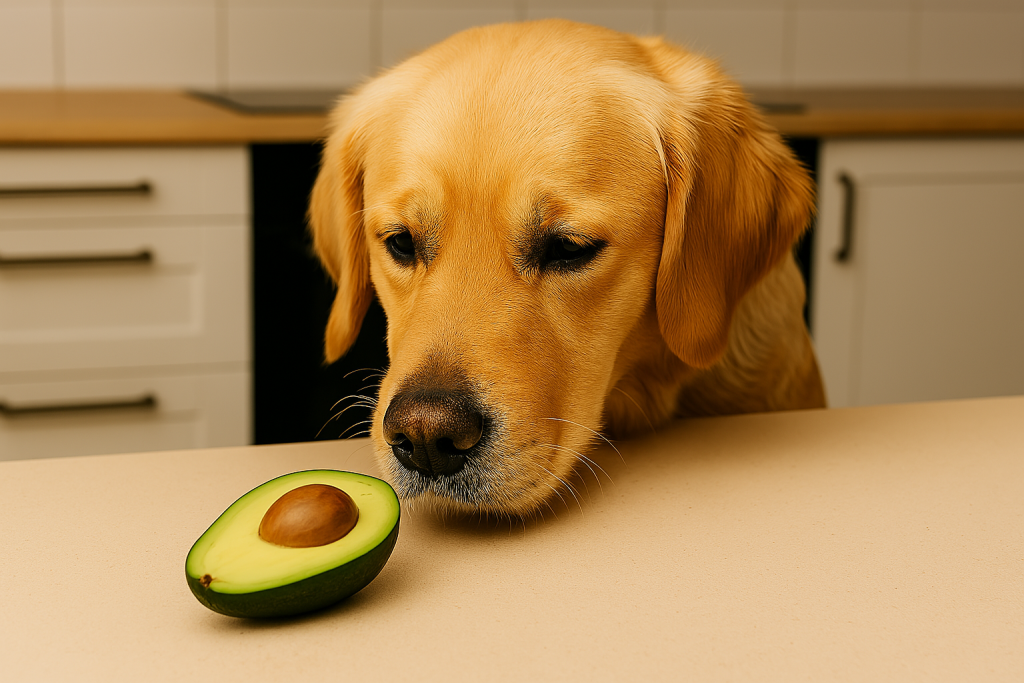
Avocados
The flesh is generally mild, but the pit and skin contain persin, which can upset your cat’s stomach. Better not to risk it.
Can Cats Eat Vegetables?
Yep, some cats do fine with small amounts of veggies like steamed carrots or peas. Just like fruit, veggies should be an occasional treat, not a dietary staple.
Frequently Asked Questions
Can puppies eat guava?
Yes, in moderation. But remove seeds and skin. Puppies have sensitive tummies too.
Can cats eat dried guava?
Not recommended. Dried guava = concentrated sugar. Cats don’t need that kind of energy boost.
Can cats drink guava juice?
Nope. Too much sugar, and often contains additives. Stick to water, please.
Can diabetic cats eat guava?
Hard no. Guava’s sugar content can spike blood sugar levels. Not worth the risk.
Can cats eat guava leaves?
Technically non-toxic, but they can cause stomach upset. IMO, skip it.
Final Words
So, can cats eat guava? Yes—but only a tiny bit, and only occasionally.
Guava isn’t toxic, but it’s not necessary either. Your cat won’t miss it, and they probably won’t even enjoy it (thanks to their lack of sweet taste buds). But if your feline insists on stealing a nibble, now you know how to keep it safe.
Remember: Always remove seeds, peel the skin, and serve in moderation. And if your cat turns their nose up at guava? That’s okay. They’re just being their picky, fabulous selves. 🙂
Got a funny guava-cat story? Drop it in the comments or share it with fellow pet parents. Let’s keep the convo going!