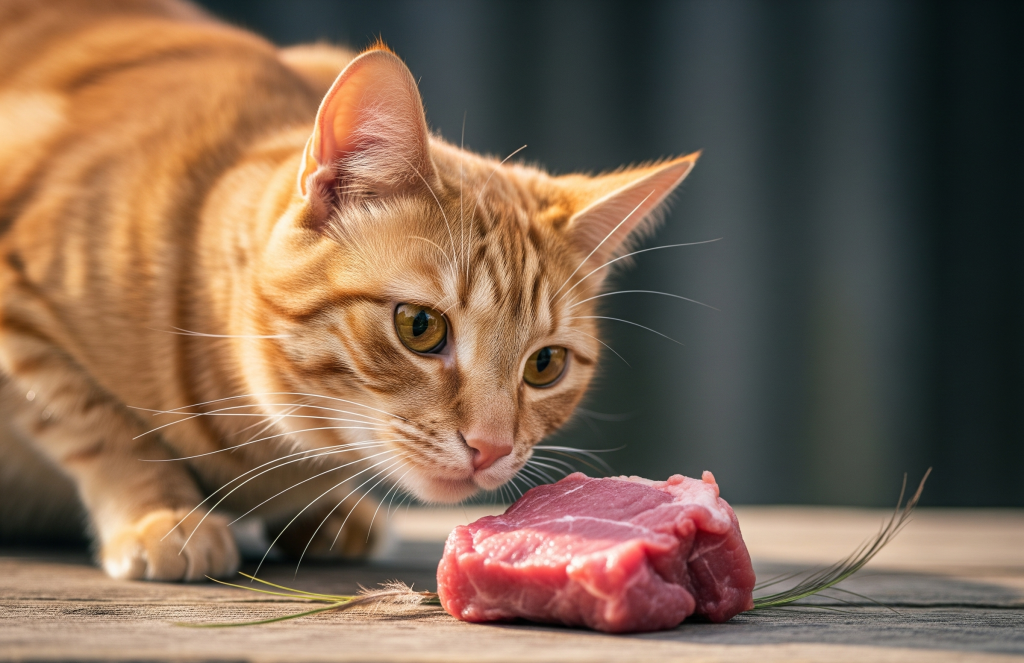
Ever caught yourself staring at that raw chicken in your fridge and wondered, “Can cats eat raw meat?” I’ve been down that rabbit hole—and trust me, I geek out on feline nutrition. Today, I’ll share everything I’ve learned, from potential perks to hidden pitfalls, plus my own kitchen experiments that went… interestingly chaotic. Ready to chat raw diets with a fellow cat geek? Let’s roll. 🙂
What is a raw food diet for cats?
A raw food diet—sometimes called BARF (Biologically Appropriate Raw Food)—focuses on uncooked meats, organs, and bones. It aims to mimic what wild cats eat in nature rather than processed kibbles.
- Muscle meat: Chicken breast, beef, turkey
- Organs: Liver, kidney, heart (nutrient powerhouses!)
- Edible bones: Tiny, soft bones for calcium (more on safety later)
I switched my Luna to a raw routine last year. She sniffed the bowl like a food critic and dove in. That first crunch of raw bone? Priceless.
Can cats eat raw meat?
Absolutely, cats can eat raw meat. In fact, many argue it’s what they should eat. Cats are obligate carnivores, which is a fancy way of saying they must eat meat to survive and thrive. Their digestive systems are short, acidic, and perfectly designed to process raw protein. It’s not just a preference; it’s a biological necessity.
But hold up—not all raw meat is created equal. Quality matters. I always grab human-grade meat from a trusted source and freeze it for 48 hours to zap parasites.
Ever wondered why your cat zooms around after dinner? Raw diets often spark that zoomie energy because they deliver nutrients in a form cats instinctively recognize.

What are the benefits of cats eating raw meat?
Oh, the possible benefits! When cats are fed a raw diet, I’ve seen some pretty amazing changes. I am among the many enthusiasts who extol these advantages:
- Healthier skin and a glossier coat: Natural fats increase the sheen of fur.
- Improved digestion: Less drama from hairballs results from fewer fillers.
- Dental health: Plaque can be scraped off by crunching on raw bones.
- More vigor: My girl once more leaps on counters with style.
- Maintenance of lean muscle: Sleek, toned muscles are supported by pure protein.
In my opinion, watching your cat flourish in this manner is always preferable to using generic kibble.

What dangers can a raw diet pose to cats?
While the benefits are enticing, raw feeding isn’t without its caveats. It’s not all rainbows and purrs, folks. You need to be aware of the potential pitfalls.
Foodborne illnesses
Uncooked meat can harbor pathogens such as Salmonella or E. coli. After handling raw, I always sanitize surfaces and wash my prep area with hot, soapy water.
Internal injuries
Hard or large bones can splinter, resulting in intestinal damage or choking hazards. To reduce risk, I limit myself to soft, meaty bones like thighs or chicken necks.
Parasites and bacteria
Freezing for at least two days kills many parasites, but it doesn’t fix sloppy handling. Gloves and separate utensils? Non-negotiable.
Which types of raw meat can cats eat?
So, you’re leaning towards giving it a whirl, huh? Smart move! Now, which meats are on the menu?
Is it safe for cats to consume raw chicken?
Indeed, a common option for raw cat food is raw chicken. Cats adore it, and it’s lean and reasonably priced. Large bones can be crushed gently or removed.
Can cats eat raw bacon?
Nope. Bacon carries high salt and nitrates, which can harm your cat’s delicate system. Think twice before sharing your breakfast strips.
Can cats eat raw beef?
You bet! Raw beef is a fantastic option. It’s rich in nutrients and a good source of protein. Muscle meat, heart, and liver are all excellent choices.
Can cats eat raw pork?
I skip pork. It often harbors parasites like Trichinella. If you must, freeze it for four weeks and cook lightly.
Can cats eat raw mince?
Yes, raw mince (ground meat) is a convenient way to feed raw. Just make sure it’s plain, unseasoned meat. Whether it’s chicken, beef, or lamb mince, it’s a solid choice for a raw diet.
Can cats eat raw lamb?
Absolutely—lamb introduces variety and novel proteins for picky eaters. I trim excess fat to avoid upset tummies.
Can cats eat raw turkey?
Sure! Turkey’s similar to chicken but with a slightly richer taste. It adds nice rotational protein.
Is it safe for cats to consume raw duck?
You can bet! A rich, frequently more costly, but incredibly nutrient-dense protein is raw duck. To make sure your cat receives a variety of nutrients, it’s a great option for rotation.
Is it safe for cats to consume raw steak?
Yes, cats can eat raw steak—unseasoned, of course. Depending on how well your cat can chew, cut it into bite-sized pieces. Just keep in mind that it shouldn’t be their sole source of food.
Can cats eat raw sausage?
Definitely not. Sausages hide spices, fillers, and preservatives that cats can’t digest.
Can cats eat raw bones?
Small, appropriate raw bones (like chicken necks or wings, or quail bones) are generally safe and beneficial for dental health. They’re soft enough to be crushed and digested. However, larger, weight-bearing bones from larger animals (like beef femurs) are too hard and can chip teeth or cause internal issues. Never, ever feed cooked bones!
What other things can cats eat?
In addition to raw meat, a full raw diet frequently consists of a small amount of:
- Organs: A balanced diet must include the kidney, liver, and heart. They contain a wealth of vital vitamins and minerals.Small amounts of certain vegetables: While cats don’t need veggies, some raw feeders include small amounts of pureed vegetables for fiber and additional nutrients. Think pumpkin or green beans.
- Supplements: Depending on the diet, some may include fish oil, taurine, or other specific supplements to ensure nutritional completeness.

What raw meat can cats not eat?
Let’s get clear: avoid these raw pitfalls:
- Pork (parasite risk)
- Bacon & processed meats (excess salt, nitrates)
- Bones from large animals (e.g., cow femur) that splinter
- Seasoned or marinated meats
If it’s not plain, fresh, and high-quality, toss it.
What can cats not eat?
Beyond raw meat specifics, here’s a general list of human foods that are big no-nos for cats:
- Onions & garlic (toxic to red blood cells)
- Grapes & raisins (kidney failure trigger)
- Chocolate (theobromine poisoning)
- Alcohol (dangerous even in tiny amounts)
- Caffeine (overstimulates heart & nervous system)
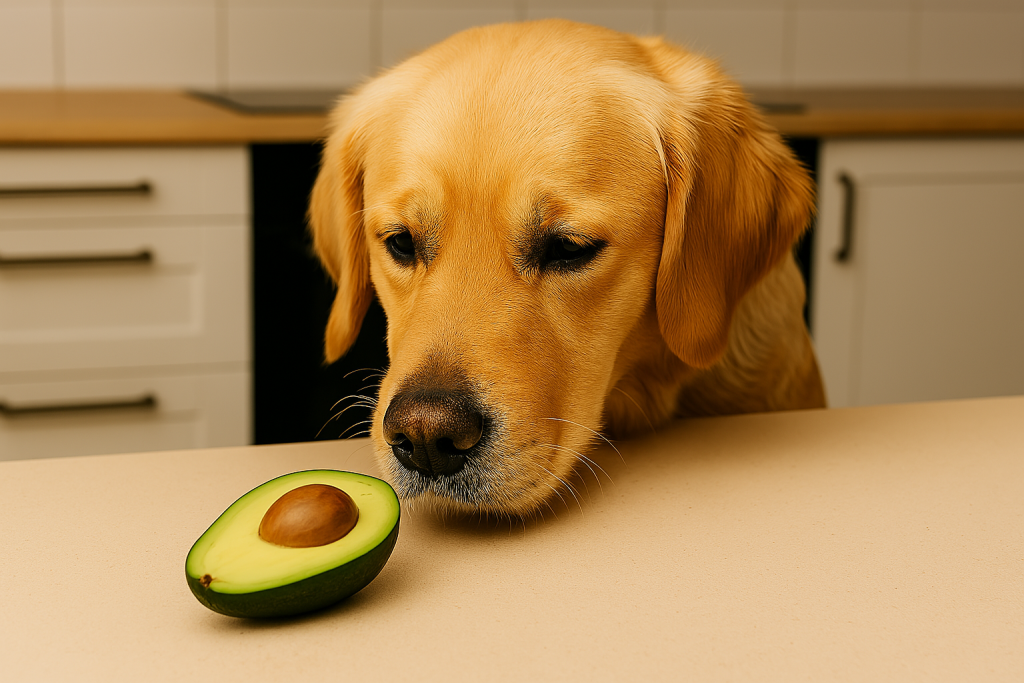
- Avocado (Contains persin, which can be toxic.)
- Caffeine: Can cause heart issues.
- Xylitol: A sugar substitute that’s highly toxic.
- Milk (in large quantities): Most adult cats are lactose intolerant and will get an upset tummy.
- Cooked bones: They splinter and are super dangerous
Curious why cats sniff onions but freak out later? Their taste buds differ sharply from ours—FYI.
How to prepare raw meat for your cat
Alright, so you’re ready to jump into the raw food world. Excellent! But don’t just toss a chicken leg on the floor and call it a day. Preparation is key to safety and success.
- Select human-grade meat from a reliable vendor.
- Freeze for 48 hours to kill parasites.
- Thaw in the fridge overnight to keep bacteria at bay.
- Wash hands and tools before and after handling.
- Cut into bite-sized pieces or grind for easier digestion.
- Add supplements like taurine or fish oil if needed.
How to make your own raw cat food – Homemade recipes
I whip up batches every Sunday, labeling each tray so I don’t mix up recipes. Here are two of my favorites.
- Chicken Bowl
- 70% chicken thigh (minced)
- 10% chicken heart & liver
- 20% ground bone (or supplement powder)
- Beef & Veg Mix
- 60% lean beef
- 20% beef liver
- 10% pumpkin puree (fiber boost)
- 10% bone powder
Freeze in individual portions and defrost one meal at a time. Luna never gets tired of variety.

Dry cat food vs raw cat food – Which is better?
This is the age-old debate, isn’t it? Dry cat food, or kibble, is convenient, shelf-stable, and generally cheaper. However, it’s often high in carbohydrates, low in moisture, and heavily processed. Raw cat food, on the other hand, is closer to a cat’s natural diet, high in moisture and digestible protein, and minimally processed.
My personal take? For an obligate carnivore, raw food simply makes more biological sense. Kibble is like us living on cereal – sure, it’ll sustain you, but are you thriving? Probably not. Raw food delivers the goods in a way kibble often can’t.
Fresh cat food vs raw cat food – Which is better?
“Fresh cat food” can mean different things. It often refers to gently cooked or lightly processed human-grade food, which is a step up from traditional kibble. It’s typically higher in moisture and fewer artificial ingredients. Raw cat food is, by definition, uncooked.
While fresh, gently cooked food is better than kibble, raw food is still considered superior by many raw advocates because it retains all enzymes and nutrients that can be destroyed by cooking. If I had to pick, and assuming proper handling, raw wins the gold medal for biological appropriateness.
What is the best food for cats with IBS?
If your fluffball battles IBS, they benefit from:
- Limited-ingredient diets (one meat source + rice or sweet potato)
- Probiotics to balance gut flora
- Low-fat recipes to avoid triggers
- Consistency—switch foods gradually to prevent flare-ups
I saw my buddy’s cat calm down after switching to a duck-only raw formula with pumpkin fiber. Magic? Almost.
What human foods are safe for cats?
Beyond meat, here are a few human foods cats can safely munch on (in moderation, of course!):
- Cooked Lean Meats: Plain chicken, turkey, beef (no bones, no seasoning!).
- Cooked Fish: Salmon, tuna (in water, no salt). Again, plain.
- Scrambled Eggs: Plain, cooked eggs are a good source of protein.
- Small amounts of certain fruits: Blueberries, apples (no seeds).
- Small amounts of certain veggies: Cooked pumpkin, green beans.
- Blueberries (antioxidant boost)
- Plain yogurt (live cultures for digestion)
Throw in a chunk of cooked egg for a protein hit—just no raw eggs, okay?
Frequently asked Questions
Is raw beef okay for my cat?
Yep, raw beef is perfectly fine and often recommended for cats. Just make sure it’s fresh, human-grade, and unseasoned.
Is it better to feed cats raw or cooked meat?
Raw preserves more natural enzymes and nutrients, but cooked meat kills pathogens. I rotate both to balance safety and nutrition.
Can cats eat raw eggs?
I avoid raw eggs due to Salmonella risk. Lightly cooked eggs provide safe protein and biotin.
What is the recommended amount of raw food for cats?
Aim for about 2–3% of their body weight daily. A 10-pound cat eats roughly 3–5 ounces of raw food per day, divided into two meals.
Final Words
It may seem like a culinary rabbit hole to feed your cat raw food, but I can assure you that the benefits—glossier coats, toned muscles, and increased energy levels—make the effort worthwhile. Prioritize safety above all else: purchase high-quality meat, prepare it thoroughly, and speak with your veterinarian before making any significant dietary changes. Have more queries or unfiltered war stories? Put them down below. Let’s continue the discussion, and let’s wish cats more health and happiness!