Hey there, fellow cat fanatic! Ever looked at your cat’s fancy feast and wondered if they get tired of the same old chicken or tuna? Maybe you were enjoying a delicious salmon dinner yourself and caught your kitty giving you those famous “I want a bite” eyes. You’re not alone. I’ve been there, staring into the soulful eyes of my own cat, wondering if sharing a little piece of my dinner would be okay.
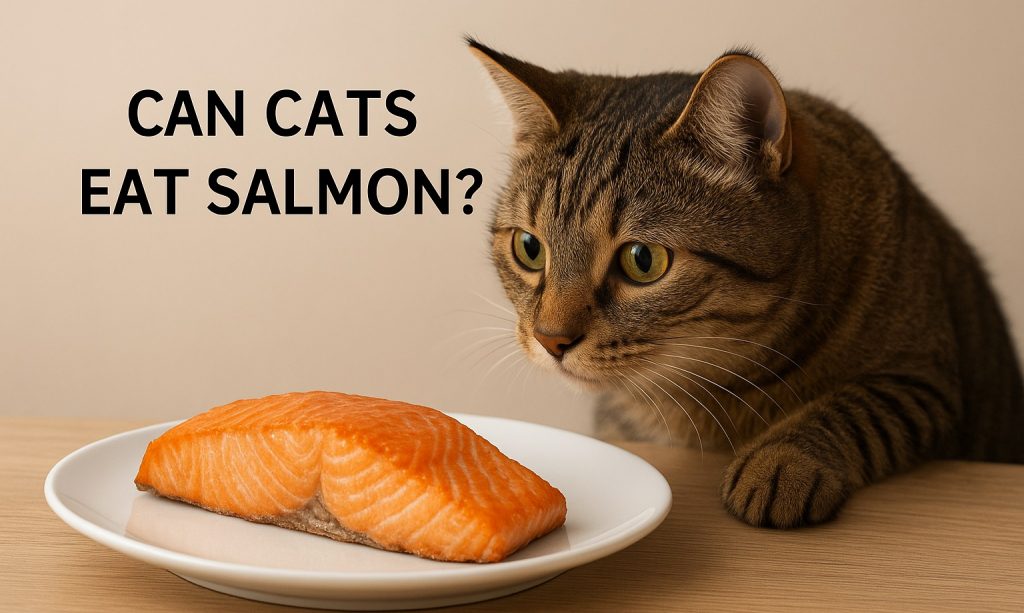
So, can cats eat salmon? It’s a question every cat owner has pondered at some point, and it’s a good one to ask. You’re trying to figure out if you can give your little furball a treat while keeping them healthy and safe. Let’s examine the pros and cons of giving your cat this well-liked fish so you can make an informed decision for your pet.
Can Cats Eat Salmon?
It’s true that cats can consume salmon, but when it comes to cat feasting, not all salmon is made equal. If you’ve ever caught your cat sniffing around your dinner plate like a tiny, judgmental food critic, you’ve probably wondered: Can cats eat salmon safely? Or are we unknowingly turning our furball into a fish junkie?
I’ve been there. My cat once tried to swipe a piece of grilled salmon straight off my fork. Bold move, right? That moment sent me down a rabbit hole (or should I say, salmon stream?) of research. So, here’s the lowdown—served fresh and flaky.
Is Salmon Good for Cats?
Yes, in moderation! High-quality protein, good fats, and vital vitamins are all abundant in salmon. Consider it a cat-friendly energy enhancer. Since cats are obligate carnivores, they must consume meat-based protein to survive, and salmon is the ideal source of this protein.
Health Benefits of Salmon for Cats
Salmon Nutrition
Salmon is a nutritional treasure trove in addition to being delicious. It is an excellent source of high-quality protein that aids in the maintenance and growth of muscles. However, the vitamins and fatty acids are the true stars of the show.
Omega-3 Fatty Acids
These little wonders help your cat maintain shiny fur, healthy skin, and strong joints. If you’ve got an older kitty who moves like an old man on a rainy day, omega-3s can actually ease inflammation.
Vitamin B12
B12 helps with nerve function and energy production. Cats need it to stay active and alert. Imagine their morning shot of espresso without the jitters.
Vitamin B6
The immune system and metabolism are supported by vitamin B6. It functions similarly to the backroom staff that ensures your cat’s body functions properly.
Can Salmon Be Bad for Cats?
Okay, here’s where things get fishy. While salmon has its perks, it’s not all sunshine and omega-3s.
- Raw salmon can carry parasites like Neorickettsia helminthoeca (say that five times fast), which causes salmon poisoning.
- Smoked salmon is loaded with salt, which is a big no-no for cats.
- Canned salmon often contains additives and too much sodium. Not ideal unless you’re trying to turn your cat into a salt lick.
Risks to Consider
While the benefits of salmon are great, the potential for harm is real if you’re not careful. The biggest danger comes from improper preparation. Raw salmon can contain a parasite called Nanophyetus salmincola, which can transmit a bacteria called Neorickettsia helminthoeca.
This can lead to what’s known as salmon poisoning disease. It’s a serious illness that can be fatal if you don’t treat it right away. Symptoms include fever, vomiting, and diarrhea.

When to Avoid Salmon
You should always avoid giving your cat certain types of salmon. Smoked salmon, for example, is full of salt and preservatives that are terrible for your cat. Raw salmon is a no-go because of the risk of parasites and bacteria.
And, of course, you should never give your cat a salmon meal that has been cooked with onions, garlic, or other seasonings, as these are toxic to cats. Your cat might love the smell, but you have to be smarter than they are.
How to Incorporate Salmon into Your Cat’s Diet
So, what’s the best way to sneak some salmon into your cat’s bowl? Let’s break it down:
Raw Salmon
Don’t do it. Raw salmon can contain parasites like tapeworms. Unless you’re feeding sushi-grade, frozen-for-parasite-kill fish (and let’s be honest, who’s doing that for their cat?), stick to cooked.
Canned Salmon
Tempting, but risky. Most canned salmon has added salt and preservatives, which aren’t cat-friendly. A tiny bit is okay in emergencies, but don’t make it a habit.
Smoked Salmon
Another no-go. High sodium levels make it dangerous. Plus, smoked salmon often contains spices and seasonings that cats shouldn’t eat.
Salmon Skin
If cooked and unseasoned, a little bit of salmon skin is fine. Just don’t give them the crispy, oily stuff you’d find on a restaurant dish.
Cooked Salmon
This is probably the best and safest way to give your cat salmon. Cook a small piece of salmon without any salt, oil, or seasonings. You can bake it, boil it, or grill it. Once it’s cooked and cooled, you can flake off a small amount and mix it into their regular food.
Fish-First Cat Foods
Some cat foods use salmon as the first ingredient, which can be great. Look for “complete and balanced” labels to make sure your cat gets all the nutrients they need.
Salmon Toppers
These are great for picky eaters. Just make sure they’re formulated for cats and not just human-grade leftovers.
Salmon-based Cat Treats
Many brands sell freeze-dried salmon treats, which are healthy and safe. My cat practically does backflips for these.
How Much Salmon Can Cats Eat?
This is a question I get all the time, and the answer is simple: less is more. You want to give them a small amount, not a big ol’ fillet.
Portion Sizes and Frequency
Think of salmon as a treat, not a meal replacement. A good rule: about 1–2 small bites once or twice a week is plenty.
Signs of Overfeeding or Allergies
Watch out for:
- Vomiting or diarrhea
- Itchy skin or excessive grooming
- Lethargy or behavioral changes
If your cat starts acting like they’ve just binge-watched a sad drama, something’s off.
When to Consult a Veterinarian
Always consult your veterinarian if:
- Your cat has a medical condition;
- You observe any unusual reactions; or
- You regularly add salmon to your cat’s diet.
After feeding salmon, contact your veterinarian right away if you experience any strange symptoms. Being a paranoid pet parent is preferable to being a regretful one.
My Cat Ate Too Much Salmon—What Do I Do?
First off, don’t panic. Most likely, your cat will just have an upset stomach. Keep water nearby and monitor them. If they vomit repeatedly, act lethargic, or stop eating, call your vet ASAP.
If your cat just inhaled half a fillet, monitor them for the next 24 hours.
- Hydrate them
- Watch for vomiting or diarrhea
- Call your vet if symptoms persist
And maybe hide the leftovers better next time.
Why Do Cats Like Salmon?
Have you ever wondered why cats have such a strong obsession with fish? It’s more than a cartoon cliché. Cats naturally crave animal protein because they are obligate carnivores.
Fish, especially fatty fish like salmon, is a rich source of that protein and other nutrients. Plus, the strong, appealing smell of fish is incredibly attractive to them. It’s a primal thing, really. They just can’t resist that savory smell and taste.
Choosing the Right Salmon Products for Cats
When you’re at the pet store or grocery store, you have a lot of options. So how do you know what to choose? I always go for quality over quantity, and you should too.
What Makes a Good Salmon Cat Food?
When you’re looking for cat food, check the ingredients list. A high-quality cat food will list salmon as the first ingredient. Look for brands that use real, whole ingredients and don’t include a bunch of fillers or artificial preservatives. It’s a little more expensive, but your cat is worth it, right?
Salmon Treats and Toppers
The same rule applies to treats and toppers. Look for products that list salmon as a main ingredient and avoid those with a lot of junk. Freeze-dried salmon treats, for example, are a great option because they are just pure salmon with no additives.
Why Quality Matters
Cheap salmon products might contain by-products, artificial flavors, or preservatives. Your cat deserves better. Think of it like this: would you eat mystery meat every day? Yeah, didn’t think so.
Should I Be Giving My Cat Salmon Oil Supplements?
Salmon oil can be awesome for cats—shiny fur, joint health, brain support. But be careful. Weight gain or diarrhea can result from consuming too much oil. Before adding supplements, always measure carefully and consult your veterinarian.
Other Human Foods To Feed Your Cat
If you want to mix things up, here are some safe foods cats can enjoy:
- Plain cooked chicken
- Scrambled eggs (no butter, no seasoning)
- Pumpkin puree (great for digestion)
- Blueberries (in tiny amounts)
Just remember, treats should never replace balanced cat food.
Frequently Asked Questions
Can cats eat raw salmon?
Nope. Raw salmon can carry parasites. Always cook it.
How often can I feed my cat salmon?
Once or twice a week in small amounts is safe.
Is canned salmon safe for cats?
Only occasionally and only if it’s plain, unsalted, and preservative-free.
Can kittens eat salmon?
Yes, but keep it limited. Their tummies are sensitive. Always cook first.
Can cats eat salmon skin?
Yes, if it’s cooked and plain. Skip the crispy, oily stuff.
Final Words
So, can cats eat salmon? Yes—but only the right kind, in the right amount, and with a little common sense. Salmon can be a tasty, nutritious treat that supports your cat’s health and happiness. Just don’t let your cat con you into turning it into a daily delicacy. They’re clever like that. 😉
If you’ve got a salmon-loving feline at home, treat them wisely. And hey, if you’ve got a funny salmon story or a favorite cat treat brand, drop it in the comments. Let’s swap notes—cat parents unite! 🐾