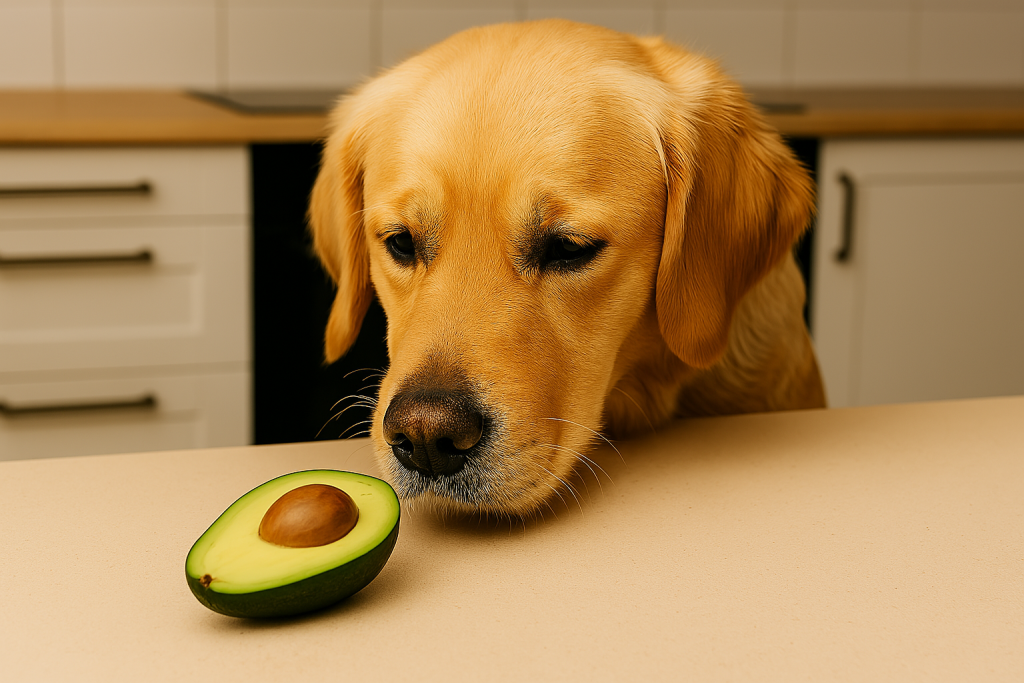
Picture this: you’re slicing into a perfectly ripe avocado, and your pup sits beside you with that utterly hopeful gaze. You pause mid-cut and wonder, Can Dogs Eat Avocado? That little pit in your kitchen suddenly feels like a minefield.
I’ve seen my own mutt, Ziggy, drool over avocado chunks like he discovered the world’s best snack. I dug into every vet article and foodie forum so you don’t have to.
In this guide, I’ll cover the good, the risky, and how to safely introduce avocado and avocado oil to your dog—plus whether Avocado Oil is safe for Dogs? 🙂
Can Dogs Have Avocado?
This is where things get a bit murky, and you’ll find a ton of conflicting advice out there. Many people believe avocados are a strict no-go for dogs, much like chocolate or grapes. However, the truth is a little more nuanced than a simple “yes” or “no.”
The main concern typically revolves around a fungicidal toxin called persin. This substance exists in the avocado fruit, pit, leaves, and bark. While persin is known to be highly toxic to some animals, like birds, horses, and goats, its effects on dogs are generally much milder. Phew, right?
Yes, dogs can nibble on avocado pulp in moderation. The creamy green fruit packs healthy fats and nutrients that your dog won’t hate.
Are Avocados Bad for Dogs?
Avocados contain persin, a compound that can irritate a dog’s stomach in large doses. The skin and pit pose choking hazards and risk intestinal blockage. Some sensitive pups might vomit or get diarrhea from too much pulp. Always watch your dog when he’s exploring your snack plate.
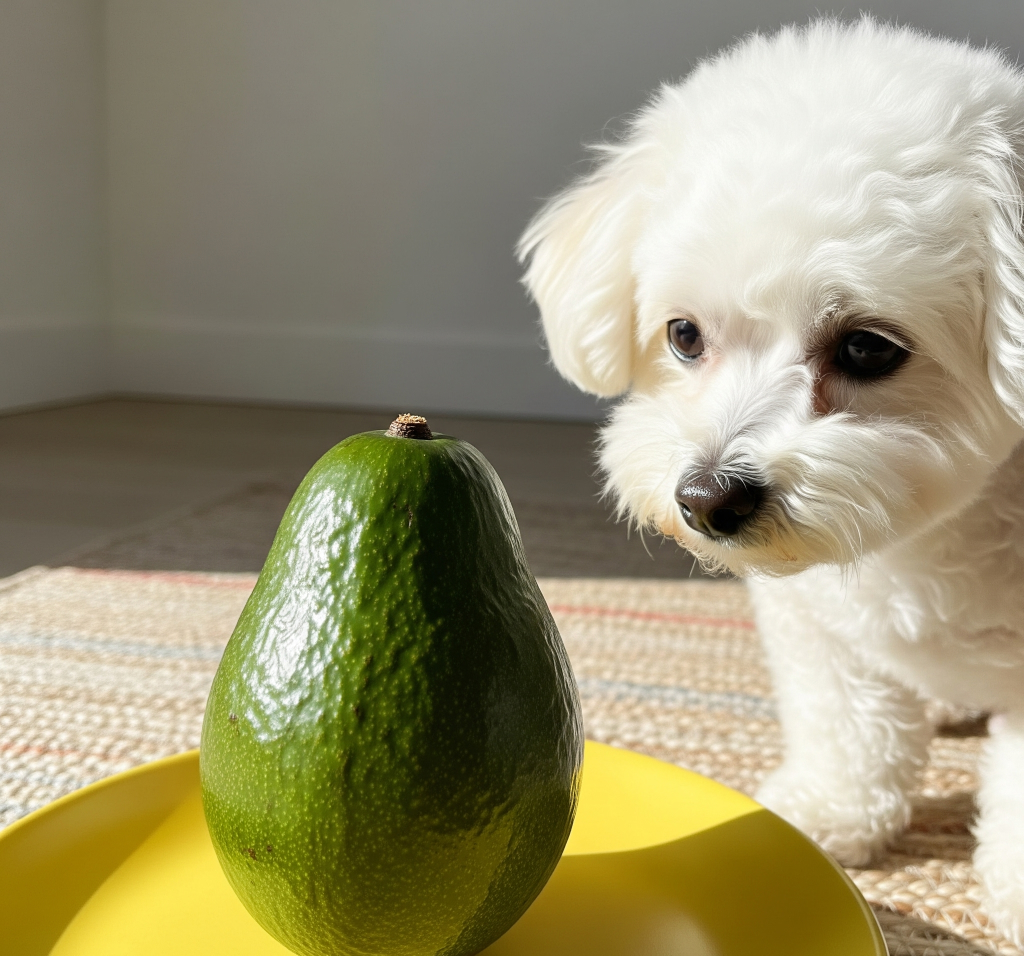 How Much Avocado Can I Give My Dog?
Portion control matters—just like your diet. Ever wondered why your dog gobbles a bite or two and then seems fine? Too much fat can cause GI distress or even pancreatitis in sensitive pups. As a rule:
- Small dogs (under 20 lbs): 1–2 teaspoons of pulp
- Medium dogs (20–50 lbs): 1–2 tablespoons
- Large dogs (over 50 lbs): 2–3 tablespoons
Start at the lower end and see how your dog reacts.
What Happens If My Dog Gets Into an Avocado?
Chances are your dog will suffer mild upset if he snacks on pulp—think loose stool or a bit of gas. If he chews on the pit or skin, you might face choking, blockage, or vomiting. Stay calm and inspect the scene. Removal of any large pieces is your first move.
My Dog Ate Too Much Avocado—What Do I Do?
First, stay cool. Dogs handle small indiscretions better than we do.
- Remove access to any remaining avocado.
- Monitor for vomiting, diarrhea, or signs of blockage like lethargy.
- Call your vet if symptoms last over 24 hours or worsen.
You’ll likely get a “watch and wait” verdict, but always trust your gut and your vet.
Does Avocado Oil Carry Similar Risks?
It’s become quite the darling in the human health world, right? For dogs, the good news is that avocado oil typically doesn’t contain persin. This is because the oil is extracted from the fruit’s flesh, and the persin is largely concentrated in the pit and skin.
So, the direct toxicity concern from persin is generally not present in the oil.
However, it’s still an oil, which means it’s high in fat. Too much fat can lead to digestive upset, like diarrhea or vomiting. In some cases, excessive fat intake can even contribute to pancreatitis, a serious inflammation of the pancreas.
So, while it’s safer than the whole fruit, moderation is key.
 Is Avocado Oil Good for a Dog’s Skin & Coat?
This is where avocado oil gets interesting for our furry friends. Many dog parents swear by certain oils for improving their dog’s skin and coat.
Given that avocado oil is rich in monounsaturated fats, vitamin E, and antioxidants, it does have potential benefits in this area.
Think about how good it makes your hair and skin feel; the same principles can apply to your dog. It’s all about healthy fats and nourishing vitamins.
What Avocado Oil Can Do for Your Dog’s Fur?
Shiny Coat:
The fatty acids in avocado oil can help lubricate your dog’s fur from the inside out, leading to a healthier, more lustrous coat. Who doesn’t want a dog that gleams?
Reduced Shedding:
While not a miracle cure, a well-nourished coat often sheds less. Healthy hair follicles hold onto their strands more effectively.
Improved Texture:
If your dog’s fur feels dry or brittle, avocado oil might help restore its softness and pliability. It’s like a deep conditioning treatment for their fur!
What Avocado Oil Can Do for Your Dog’s Skin?
- Soothe dry patches and hot spots
- Alleviate itchiness thanks to anti-inflammatory properties
- Combat microbial infections with natural antioxidants
A gentle topical rub (diluted) can calm irritated zones—but always patch-test first.
When Can Benefits Take Effect?
Patience, my friend! You won’t see results overnight. Like any dietary supplement, the benefits of avocado oil for skin and coat health typically take time to become noticeable. I usually tell people to give it at least 4-6 weeks of consistent use before expecting significant changes. It’s not a magic potion, after all.
Are There Negative Side Effects?
Even the best supplements come with caveats. Too much fat might trigger an upset stomach or weight gain. Some dogs develop mild allergies—keep an eye on scratching or redness. If you spot trouble, scale back or pause.
How to Safely Introduce Avocado and Avocado Oil to Your Dog?
You know the drill—start slow, avoid the bad parts, and use oil sparingly to protect your pup’s health.
- Start Small: Begin with a tiny dab of avocado pulp or a few drops of oil. Watch for any digestive hiccups over 24 hours. If your dog gives you a thumbs-up (or tail wag), you can slowly increase.
- Avoid the Bad Parts: This is crucial. NEVER give your dog the avocado pit or skin. These are the most dangerous parts due to the choking hazard and higher concentration of persin. Honestly, just don’t even let them near it.
- Use Oil Sparingly: A little oil goes a long way. I recommend no more than ¼ teaspoon per 10 lbs of body weight daily. Excess leads to extra calories.
Why Should I Monitor What I Give My Dog?
Look, your dog trusts you. They rely on you for everything, including their dinner. As responsible pet parents, it’s our job to be vigilant about what goes into their mouths.
Monitoring their diet prevents accidental poisoning, reduces the risk of allergic reactions, and helps maintain their overall health. It’s not about being a helicopter parent; it’s about being a good parent.
What Fresh Fruits and Vegetables Are Safe?
Varying treats keep things interesting—and healthy. Alongside avocado, plenty of produce fits the bill.
Vitamin E-Rich Produce
- Spinach
- Broccoli
- Mangos
- Sweet Potatoes
Other Healthy Fruits and Vegetables To Consider
- Blueberries (antioxidants!)
- Carrots (vitamin A boost)
- Apples (fiber—but remove seeds)
- Carrots: Great for teeth and eyes.
- Green Beans: Low-calorie and packed with fiber.
- Pumpkin (plain, cooked): Excellent for digestive health.
- Watermelon (no seeds!): Hydrating and refreshing.
Is It Safe To Feed Your Dog Tofu?
Interestingly, some dogs can eat tofu in moderation. It’s a good source of protein, but like anything new, introduce it slowly and in small amounts. Always ensure it’s plain, unseasoned tofu.
Can Dogs Eat Cherries: Is It Safe for Dogs?
Absolutely NOT! Cherries, especially the pits, stems, and leaves, contain cyanide. This is a big no-no. Keep cherries far, far away from your dog. This is one of those definite “bad” foods, FYI.
Alternatives to Avocado Oil for Dogs
If you decide avocado oil feels too rich or risky, try:
- Salmon oil (omega-3 powerhouse)
- Coconut oil (medium-chain fats) (can be given orally or applied topically to soothe dry skin patches.)
- Olive oil (light monounsaturated fats)
- Safflower Oil (A good source of Omega-6 fatty acids) (Important for skin health.)
Each has its pros and cons—fish oil nails omega-3s, coconut oil excels on skin, and olive oil stays digestible.
Is Avocado Oil Worth the Risk to Your Dog?
IMO, avocado oil’s benefits often outweigh the downsides—when you dose carefully. Its coat and skin perks can outperform other oils. That said, if your dog has a sensitive tummy or a history of pancreatitis, you might skip it.
Avocado Oil vs Salmon Oil for Dogs
- Fatty Acid Profile: Salmon oil has more DHA/EPA, while avocado oil carries more monounsaturated fats.
- Skin & Coat: Both support a glossy coat, but salmon oil offers stronger anti-inflammatory action.
- Digestibility: Avocado oil feels lighter; some dogs handle it better.
Pick based on your dog’s needs: allergy management, coat goals, or digestion.
FAQs
Is avocado oil safe for dogs to consume? Can dogs safely consume avocado oil?
Yes, dogs can safely consume small amounts of avocado oil. It offers antioxidants and good fats. To prevent indigestion, limit your daily intake to ¼ teaspoon per 10 pounds of body weight.
Can dogs eat guacamole? What if my dog eats guacamole?
No—skip guacamole. Guacamole often contains onions, garlic, salt, and sometimes chili. These ingredients can harm dogs. If your dog nibbles guac, watch for vomiting or lethargy and call your vet if symptoms persist.
Can dogs be allergic to avocados?
Yes, although rare. Look for itching, hives, or GI upset after feeding avocado. If you spot any allergic signs, stop serving and consult your vet.
What Happens If My Dog Eats Avocado?
Pulp only causes mild stomach upsets for most pups. However, choking and obstruction are risks associated with chewing pit or skin. Keep a close eye on your dog and remove any non-flesh parts right away.
Can I Give My Dog Too Much Avocado?
Just give small pups 1-2 teaspoons, medium dogs 1-2 tablespoons, and large dogs up to 3 tablespoons. Keep an eye out for stomach issues and always start at the lower end..
Can dogs have avocado oil for skin?
You can apply avocado oil topically in a diluted form to soothe dry patches. A small patch test prevents irritation. Always massage gently and wipe away excess.