So, you’re chilling on the couch, popcorn in hand, mid-binge of your favorite show—and there it is. That look. The one your dog gives you like you’ve just betrayed them by not sharing your snack. And now you’re wondering: Can dogs eat popcorn? Or are you about to become the villain in your pup’s story?
Let’s break it down, snack-style. 
Can Dogs Have/Eat Popcorn?
The short answer is yes – but with a few big fat asterisks, sometimes, with a whole lot of caveats. It’s not as simple as just tossing them a handful. Think of it like giving your kid a sugary treat; a little bit won’t hurt, but the whole bag? Probably not the best idea.
We’re talking plain, air-popped popcorn here, folks. None of that movie theater, butter-drenched, salt-laden goodness we humans adore. Honestly, sometimes I wish my dog had less discerning taste, but alas, their digestive systems are far more delicate than ours, bless their cotton socks.
Is Eating Popcorn Safe for Dogs?
Is eating popcorn safe for dogs? In its purest form, air-popped and unseasoned, it can be. It’s actually got some good stuff in it, like fiber, which is always a bonus for a healthy digestive system. Plus, a tiny bit of magnesium and phosphorus.
But here’s the kicker: the way we typically eat popcorn is what makes it a minefield for our canine companions. Ever tried to eat unseasoned popcorn? It’s like eating styrofoam, IMO. And that’s why we load it up with all the things that are bad for our pups.
Is Popcorn Bad for Dogs?
Okay, let’s flip the coin. Is popcorn bad for dogs? Absolutely, it can be! The main culprits are all the delicious toppings we love. Think butter, salt, sugar, and those artificial flavorings that make our taste buds sing. These are major no-nos for dogs.
High levels of fat can lead to pancreatitis, a painful inflammation of the pancreas. Too much salt can cause sodium ion poisoning, which is a serious emergency. And don’t even get me started on artificial sweeteners like xylitol – that stuff is downright toxic to dogs.
So, while the kernel itself might be innocent, its seasoned brethren are basically tiny little trouble bombs waiting to explode in your dog’s gut.

How should I feed my dog popcorn?
If you’re brave enough to venture into the world of canine popcorn consumption. The golden rule is plain, air-popped, and completely unseasoned.
That means no butter, no salt, no cheese powder, no caramel, no nothing. Just the fluffy white stuff. And even then, moderation is key. A few pieces, as an occasional treat, are probably fine. A whole bowl? Nope. You don’t want to upset their delicate digestive balance, do you? Think of it as a novelty, not a dietary staple.
Can Dogs Eat Kettle Corn or Caramel Popcorn?
Absolutely not, my friend. A big, fat NO here. Can dogs eat kettle corn or caramel popcorn? No way, Jose! Kettle corn is loaded with sugar and salt, and caramel popcorn is basically a sticky, sugary death trap for doggy teeth and tummies.
These are the equivalent of giving your dog a whole candy bar. Too much sugar can lead to obesity and dental problems, and as we discussed, salt is a major issue. Plus, the stickiness of caramel can be a choking hazard or cause digestive blockages. Just imagine that sugary mess in their intestines. Yikes!
Can dogs eat popcorn with cheese?
My general response to this difficult question is no. Can dogs consume cheese and popcorn together? Even though a small amount of plain cheese is usually okay and many dogs love cheese, cheese-flavored popcorn frequently contains artificial flavorings, high sodium content, and occasionally even onion or garlic powder—all of which are very bad for dogs.
Plus, many dogs are lactose intolerant, so even real cheese can cause digestive upset. Why risk it? Stick to plain air-popped popcorn if you must, or better yet, a treat specifically made for dogs.
Can dogs eat popcorn with butter?
A firm no once more. Butter is made entirely of fat, and too much fat can cause pancreatitis in dogs. For some sensitive pups, even a tiny bit of butter can be too much.
Plus, if it’s salted butter, you’re adding another layer of risk. You wouldn’t want to explain to your vet why your dog has an inflamed pancreas because you shared your buttery movie snack, would you? Trust me, the guilt is real.

What Happens If Your Dog Eats Kernels from Popcorn?
The dreaded unpopped kernel, oh! What happens if your dog consumes popcorn kernels? Things can get a little dicey at this point. Particularly for smaller dogs, unpopped kernels pose a significant choking hazard.
Additionally, they can cause digestive distress and even blockages if swallowed, or they can become lodged in their teeth and result in dental issues.
Imagine a tiny, hard, sharp object attempting to pass through their sensitive intestines. It’s not a pretty picture, is it? If your dog has consumed some, closely monitor them for any indications of distress, such as lethargy, vomiting, or choking. If you’re concerned, don’t hesitate to call your vet. Better safe than sorry!
How to Safely Feed Your Dog Popcorn
Alright, so you’ve decided to brave the popcorn sharing. Here’s how to safely feed your dog popcorn, if you absolutely must:
Air-Pop It:
This is non-negotiable. No oil, no butter, no anything. Just hot air and corn kernels.
Plain and Unseasoned:
I can’t stress this enough. No salt, no sugar, no cheese powder, no weird flavorings. None of it!
Remove Unpopped Kernels:
Sift through the popcorn and remove every single unpopped kernel. These pose a risk. Be careful, really.
Moderation is essential:
this is a treat, not a substitute for food. It is sufficient to have a few pieces, perhaps five or ten. Don’t give them the entire bowl.
Tiny Bits:
To lessen the chance of choking, break larger pieces into smaller, more manageable pieces.
Alternatives to Popcorn for Dogs
Honestly, there are so many better, safer alternatives to popcorn for dogs! Why even risk it, when you have these fantastic options?
Carrots:
Crunchy, sweet, and great for dental health. My dog goes absolutely bonkers for a good carrot stick.
Apple Slices:
(Seeds and core removed!) A healthy, sweet treat.
Green Beans:
Low-calorie and packed with vitamins. Some dogs love them.
Blueberries:
Small, sweet, and full of antioxidants. Perfect little pop-in-the-mouth treats.
Pumpkin (Plain, Canned):
Great for digestive health, especially if your dog has an upset tummy.
Dog-Specific Treats:
There are so many amazing, healthy dog treats on the market designed to be safe and nutritious. Support those brands!
What should and shouldn’t be done when giving dogs popcorn?
Let’s put it plainly, shall we? The following are the absolute dos and don’ts when it comes to giving dogs popcorn:
 DOs:
DOs:
Popcorn should be air-popped.
- Make sure it’s unseasoned and entirely plain.
- Take out every kernel that hasn’t been popped.
- Serve it as a rare treat in very small amounts.
- Divide bigger pieces into smaller ones.
- After that, keep an eye out for any negative reactions in your dog.
 DO NOT:
- Serve them flavored, salted, sugared, or buttery popcorn.Let them have unpopped kernels.
- Make it a regular part of their diet.
- Give them large amounts.
- Share kettle corn, caramel corn, or cheese popcorn.
- Give it to puppies without consulting your vet.
- Forget that a dog’s digestive system is different from yours!
Can popcorn kill dogs?
Okay, let’s not be dramatic—but yes, in extreme cases, popcorn can kill dogs.
If your dog chokes on a kernel or suffers from salt poisoning, things can go south fast. It’s rare, but it happens.
So while popcorn isn’t inherently deadly, it’s not risk-free either. Be smart about it.
Harmful Substances and Toxic Foods for Dogs
While we’re on the subject, let’s quickly cover some other harmful substances and toxic foods for dogs. It’s an important topic, and honestly, you can never be too careful.
Chocolate:
This is probably the most well-known. Theobromine in chocolate is highly toxic to dogs and can cause heart problems, seizures, and even death. Seriously, keep all chocolate far away from your dog.
Grapes and Raisins:
These innocent-looking fruits can cause kidney failure in dogs. The exact mechanism isn’t fully understood, but the risk is real.
Onions and Garlic:
These, along with chives and leeks, can cause damage to a dog’s red blood cells, leading to anemia.
Avocado:
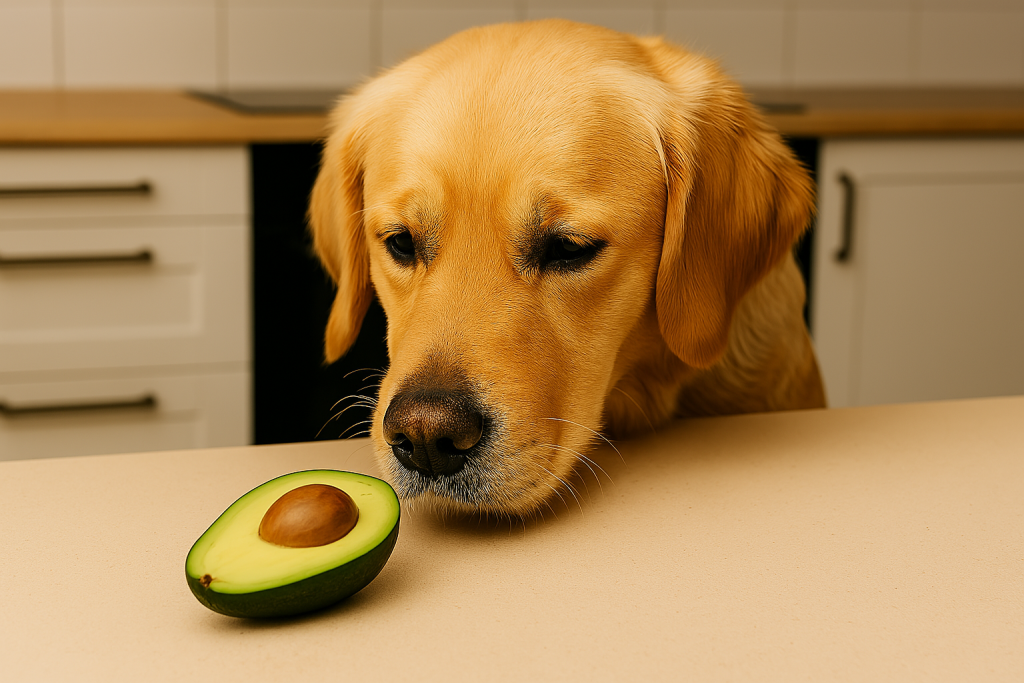
While the fleshy part isn’t highly toxic, the pit contains persin, which can cause vomiting and diarrhea in some dogs. Plus, the pit is a choking hazard.
Alcohol:
Duh. Dogs’ livers can’t process alcohol like ours, leading to alcohol poisoning.
This isn’t an exhaustive list, but it’s a good starting point for what to avoid. Always double-check if you’re unsure about a new food!
Can Dogs Eat Chocolate
A resounding, emphatic NO! Never. Not even a little. Seriously, this one is a hard pass. I know we all love our chocolate, but it’s poison for pups. Even a small amount can cause serious problems, especially dark chocolate. If your dog gets into chocolate, call your vet immediately. Don’t wait. It’s not worth the risk.
Can Dogs Eat Strawberries?
Good news! Yes, in moderation. They are packed with antioxidants and vitamin C, and many dogs absolutely love them. Just make sure to wash them thoroughly and remove the stems. And like anything else, too many can lead to an upset stomach. But as a healthy, refreshing treat, strawberries get a big thumbs up from me!
Can Dogs Eat Oranges?
What about oranges? They can, but again, in moderation and with a few precautions. Oranges are a good source of vitamin C, but they also contain a lot of sugar and can be a bit acidic for some dogs’ stomachs. Always remove the peel and any seeds. The peel contains oils that can be irritating. A small segment now and then is probably fine, but don’t go overboard. My own dog gives them a sniff and usually turns his nose up – picky, picky, picky!
Frequently Asked Questions (FAQ)
Can dogs eat sweet popcorn?
No, absolutely not! Sweet popcorn is loaded with sugar, which is terrible for dogs’ teeth and can lead to obesity and other health issues. Skip the sweet stuff for your furry friend.
Is it okay for dogs to eat popcorn?
Not really. Plain, air-popped popcorn isn’t poisonous to dogs, but it doesn’t give them much nutrition. There are many other treats that are better for dogs, healthier, and more useful.
How much popcorn can a dog eat?
A tiny, tiny bit! We’re only talking about a few pieces, maybe 5 to 10 at most, as a rare treat. It should never be a regular part of their diet or given in large amounts.
Can dogs eat microwave popcorn?
Only if it’s plain and air-popped. Most microwave popcorn has butter, salt, and chemicals. So unless you’re popping it yourself and reading every label like a hawk—skip it.
What should I do if my dog eats flavored popcorn?
Keep a close eye on them. Call your vet right away if they start to show signs of distress, like vomiting, diarrhea, or being tired.
Final Words
Last Words
So, is it okay for dogs to eat popcorn? Yes, but only if it is plain, air-popped, and given in small amounts. No butter. No salt. No fancy tastes. Just the dull stuff.
There are way better treats out there that won’t make you second-guess every bite. But hey, if your dog loves popcorn and you’re careful about it—go ahead and share a few pieces. Just don’t let them guilt you into handing over the whole bowl. 
And remember: when in doubt, always check with your vet. Because your dog deserves the best—and that includes snack time.
Now go give your pup a belly rub from me.