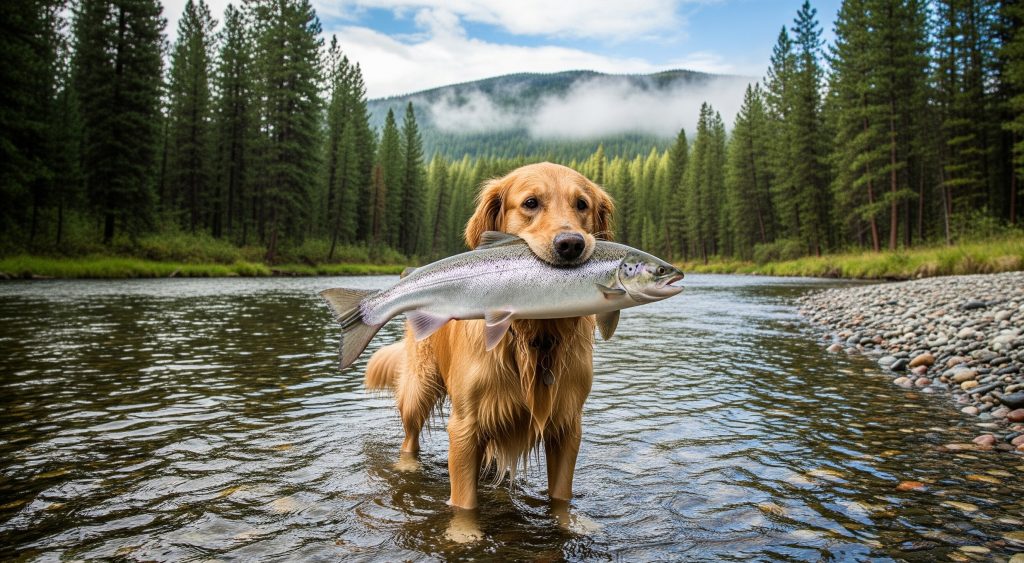
Let’s be real—if you’ve ever cooked salmon at home, your dog probably gave you that look. You know the one. The “I’m starving and clearly you forgot I exist” look. So naturally, you start wondering: Can dogs eat salmon? Is it safe? Is it healthy? Or are we about to enter the “oops, emergency vet visit” territory?
I’ve been there. My Labrador once swiped a piece of grilled salmon off the counter like a ninja. No shame, just pure fishy satisfaction. That moment kicked off my deep dive into salmon safety for dogs—and spoiler alert: it’s not as simple as “fish is fish.”
So let’s dissect it together. I’ll explain the advantages, dangers, and proper way to serve salmon to your dog without making them a furry food critic. Are you ready? Let’s go.
Can Dogs Eat Salmon?
Yes, dogs can eat salmon—but only if it’s prepared properly. Raw or undercooked salmon can carry parasites and bacteria that are seriously bad news. But cooked, boneless salmon? That’s a whole different story.
Is Salmon Good for Dogs?
Of course! Salmon is a superfood for dogs in addition to being delicious. It contains vital vitamins, healthy fats, and protein. But remember: moderation is everything. Too much of a good thing? Yep, that applies here too.
Health Benefits of Salmon for Dogs
So why do vets and dog enthusiasts (like me 🙋) love salmon? Because it is packed with nutrients that promote the general health of your dog.
Salmon Nutrition
Salmon is a nutritional powerhouse in addition to being delicious. What makes it so fantastic for dogs is this:
Omega-3 Fatty Acids
The salmon show’s biggest stars are these! Dogs benefit greatly from omega-3 fatty acids, particularly EPA (eicosatetraenoic acid) and DHA (docosahexaenoic acid).
They can promote heart health, lessen inflammation (which is excellent for dogs with allergies or arthritis), and even maintain the glossy, opulent appearance of their coat. Who doesn’t want a dog with a glamorous coat, right?
Vitamin B12
This vitamin is essential for the production of red blood cells and nerve function in your dog. It keeps their nervous system functioning properly and their energy levels high.
Vitamin B6
Another crucial B vitamin that promotes a number of body processes, such as immunological response and brain development, is vitamin B6. Your dog’s immune system can remain strong with a healthy dose of vitamin B6.
Can Salmon Be Bad for Dogs?
Sadly, yes. Not everything fishy is fantastic. Raw or improperly cooked salmon can carry parasites that could land your pup in the ER. And let’s not forget the risk of mercury or sodium (especially in processed versions like smoked salmon).
Risks to Consider
The tricky part about salmon is this:
- Bacteria and parasites: Dogs may contract “salmon poisoning disease” as a result of parasites found in raw salmon. It may sound dramatic, but it’s true.
- High Sodium: Cans or smoked versions may contain excessive amounts of salt. For dogs, salt is bad news.
- Bones: Your dog’s throat or intestines may become lodged with tiny fish bones. (That kind of drama is not what anyone wants.)
When to Avoid Salmon
You should avoid giving your dog salmon in the following circumstances:
- If it’s raw: As previously stated, there is an excessive risk of parasites. Make sure to fully cook salmon before serving it to your dog.
- If it contains toxic ingredients: Steer clear of giving your dog salmon that has been prepared with garlic, onions, or a lot of salt and spices.
- If your dog has a known allergy: It goes without saying that you should avoid serving salmon to your dog if you know or suspect that they are allergic to it.
- If it’s highly processed: Your pet shouldn’t eat smoked salmon or salmon products that contain a lot of artificial additives.

How to Incorporate Salmon into Your Dog’s Diet
So now you’re thinking: “Cool, I’ll just throw a filet in the bowl.” Slow down, champ. There are safe ways to give your dog salmon, and not-so-safe ones.
Raw Salmon
Hard pass. Raw salmon is risky and can make your dog seriously ill. Don’t even think about it unless you’re working with a vet-approved raw diet plan.
Canned Salmon
Yes, but check the label. Go for canned salmon in water with no added salt. Avoid versions packed in oil or brine.
Smoked Salmon
Tempting, but nope. Smoked salmon is high in salt and often contains preservatives. It’s a treat for humans, not dogs.
Salmon Skin
Cooked salmon skin? Fine in moderation. Raw salmon skin? Big no-no. Frying it in butter? That’s a treat for you, not your dog.
Cooked Salmon
This is the safest and best way to feed salmon to your dog. You can bake, grill, poach, or steam plain salmon. Make sure it’s fully cooked, deboned, and has no added oils, butter, or seasonings.
Fish-First Dog Foods
Many premium dog foods use salmon as their primary protein. These are balanced, convenient, and safe. My dog thrives on salmon-based kibble—no fishy smell in the kitchen, no mess.
Salmon Toppers
Cooked or canned salmon can be used as a tasty and nutritious topper to your dog’s regular kibble. This can be especially helpful for picky eaters or to add some extra omega-3s to their diet.
Salmon-Based Dog Treats
Yes! Salmon jerky or dehydrated salmon treats can be awesome—just pick quality brands with minimal ingredients.
How Much Salmon Can Dogs Eat?
So we know how to prepare it, but how much is too much? Moderation is the name of the game here. Salmon shouldn’t be the primary food your dog eats; it should be a treat or supplement.
Portion Sizes and Frequency
- Small dogs: 1–2 tablespoons, once or twice a week
- Medium dogs: up to ¼ cup
- Large dogs: ½ cup max
Signs of Overfeeding or Allergies
Watch out for:
- Diarrhea or vomiting
- Itchy skin or ear infections
- Excessive licking or chewing paws
If your dog starts acting weird after eating salmon, it’s time to pause and reassess.
When to Consult a Veterinarian
It’s always best to consult your veterinarian before adding salmon to your dog’s diet, particularly if they have any dietary sensitivities or underlying medical conditions. They are able to offer tailored advice according to the particular requirements of your dog.

My Dog Ate Too Much Salmon—What Do I Do?
First, don’t panic. (Easier said than done, I know.) If your dog just grabbed extra cooked salmon off the counter, they’ll probably be fine—maybe just a little gassy. But if it’s raw salmon, call your vet ASAP.
Why Do Dogs Like Salmon?
Because, at least to them, it smells like heaven and is meaty and greasy. Salmon is a great protein-rich food because dogs are hardwired to love it.
Have you ever observed how your dog goes crazy for table scraps but ignores their kibble? Yes, salmon is essentially dog food’s Beyoncé.
Choosing the Right Salmon Products for Dogs
It’s crucial to select premium products and prepare them properly when giving salmon to your dog.
What Makes a Good Salmon Dog Food?
- Salmon as the first ingredient
- No fillers like corn or soy
- Added omega-3s and joint support
Salmon Treats and Toppers
Pay close attention to the ingredient list when purchasing salmon treats or toppers. Steer clear of goods that contain a lot of preservatives or artificial flavors or colors. Choose natural, basic ingredients.
Why Quality Matters
Toxins, heavy metals, or inferior fish parts may be present in inexpensive salmon products. For peace of mind, I think it’s worth a little extra money.
Can Dogs Eat Salmon Skin?
Yes, but only if it’s cooked and in moderation. Salmon skin has lots of healthy fats, but too much can cause an upset stomach. Think of it as dessert—not the main course.
Can Dogs Get Salmonella?
Unfortunately, yes. Dogs can get salmonella from raw or undercooked salmon. And FYI, they can pass it to humans too. So if you’re prepping salmon, wash your hands like you’re scrubbing for surgery.
Should I Be Giving My Dog Salmon Oil Supplements?
Omega-3 fatty acids are concentrated in salmon oil supplements, which can be a convenient way to give your dog these benefits without regularly feeding them whole salmon. Consult your veterinarian about the right dosage for your dog’s size and requirements if you’re thinking about giving them salmon oil.
Other Human Foods to Feed Your Dog
Feeling generous? Here are a few human foods that are safe for dogs:
- Carrots (crunchy and low-cal)
- Blueberries (antioxidant-packed)
- Pumpkin (great for digestion)
- Chicken (plain and cooked)
- Sweet potatoes (fiber-rich and tasty)
Just keep in mind that no chocolate, grapes, garlic, onions, or alcohol are allowed. Never. Not even a sip, really.
Frequently Asked Questions
Can dogs eat raw salmon?
No, it’s dangerous. Always cook salmon for your dog.
How often can I feed my dog salmon?
Once or twice a week is plenty. Think of it as a supplement, not a staple.
Is canned salmon safe for dogs?
Yes, provided it is packed in water and isn’t salted.
Can kittens eat salmon?
Technically yes, but they have different nutritional needs. Stick to kitten food unless your vet says otherwise.
Can dogs eat salmon skin?
Yes, if cooked and served in moderation.
Can dogs eat smoked salmon?
Definitely not. It frequently contains preservatives and is excessively salty.
Final Words
So, can dogs eat salmon? Heck yes—if you do it right. Cook it, portion it, and keep it simple. Your dog will thank you with tail wags, shiny fur, and maybe fewer vet visits.
Personally, I love adding a little salmon to my dog’s bowl once a week. It’s like giving them a gourmet treat without the Michelin-star price tag. Just remember: quality matters, and moderation is your best friend.
Now go forth and feed your pup like the royalty they think they are. 🐾
And hey—if your dog starts demanding salmon every night, don’t blame me. I warned you 😉