
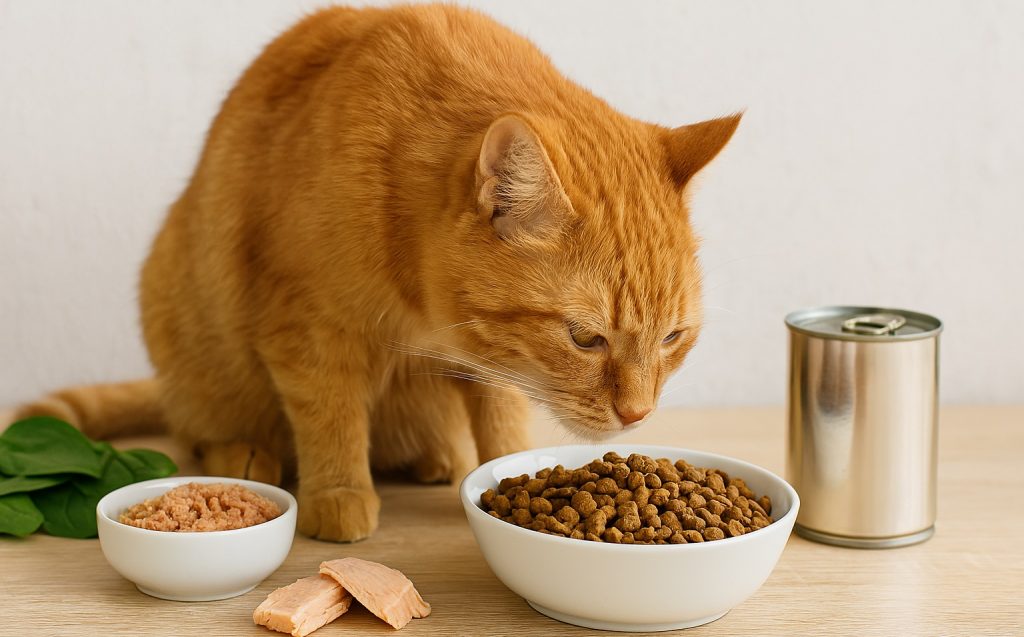
Let’s get down to business: understanding cat nutrition can be like learning feline algebra. Your fluffy overlord will act as though you gave her a cardboard one moment and then love chicken the next. 😒 Sound familiar?
That’s why I put together this guide—Cat Nutrition Made Easy: Your Ultimate Feline Feeding Guide! Whether you’re a seasoned cat parent or just got ambushed by a kitten in a cardboard box (blessing in disguise, IMO), this friendly little walkthrough will help you understand what’s really going into those bowls and why it matters.
I’ve spent hours obsessing over ingredient lists, stalking vet forums (don’t judge), and trialing foods with my picky furball. I’m here to share what actually works—minus the dry textbook talk.
So grab a snack (maybe not kibble) and let’s talk cat food like the pros we aspire to be. 🙂
What is the best diet for Cats?
Honestly, the best diet for cats mimics what they’d eat in the wild: high in animal protein, moderate in fat, and super low in carbohydrates. Here’s the deal: cats are obligate carnivores. That’s just a fancy way of saying, “Gimme meat or leave me alone.”
A balanced cat diet should include:
- Minimal carbohydrates (cats don’t like pasta night);
- Moderate fat levels for energy;
- High-quality animal proteins (think chicken, turkey, and beef);
- Taurine is an essential amino acid, meaning it is extremely important.
- Minerals and vitamins to maintain their health
Look for foods that are labeled as “complete and balanced” and have meat as the primary ingredient when perusing those shelves or websites.
Is wet or dry food best for Cats?
Ah, the eternal debate! Wet food vs. dry food – it’s like choosing between a comfy couch and a thrilling adventure. Although each has advantages, I believe that wet food is usually the best option for the majority of cats.
Dry food (aka kibble):
✅ Easy to store & serve.
✅ Helps with dental crunch (but not a dental cure-all, FYI).
❌ Often low in moisture—hydration? Meh.
Wet food:
✅ Packed with water (perfect for cats who don’t pay attention to their water bowls).
✅ More appetizing for finicky eaters.
❌ May cost more and expire more quickly.
So which wins? Honestly, a combo works best. Wet food boosts hydration and taste, while dry food adds convenience. You do you—but keep it balanced.
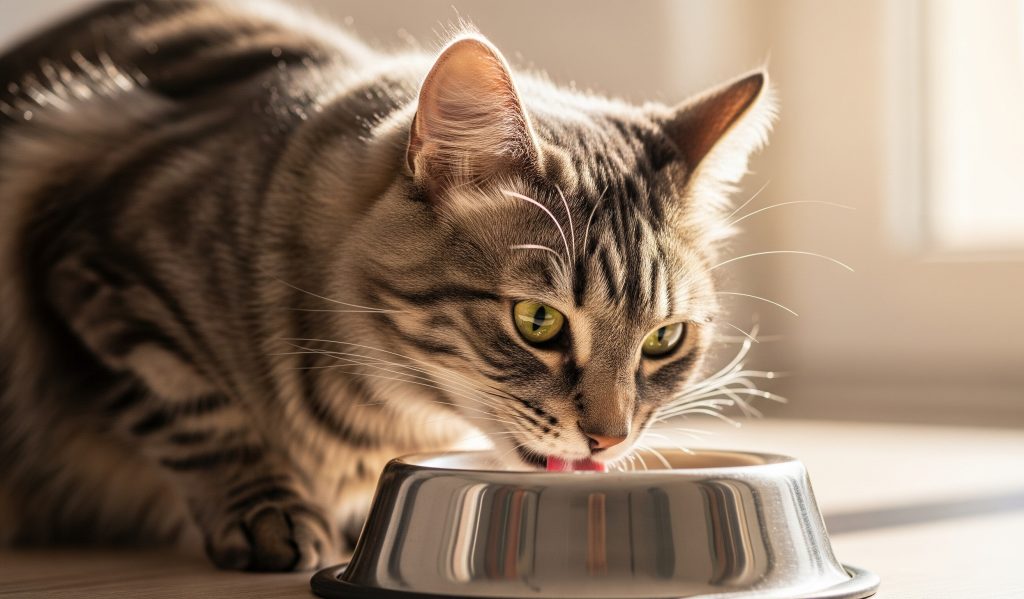
How to choose the right food for your Cat
So many bags, cans, and labels… it can feel like the cat food aisle is judging you. But don’t worry, here’s what you should look for:
- Look for “Complete and Balanced” on the label (we’ll talk about AAFCO in a sec)
- Pick protein as the first ingredient (avoid foods with corn fillers at the top)
- Avoid artificial colors and preservatives
- Choose age-appropriate formulas (kittens vs adults vs seniors)
- Consider your cat’s health needs (e.g., sensitive stomachs, allergies, weight control)
Bonus tip: Trial and error is normal. Don’t feel bad if your feline diva turns her nose up at a “premium” option. Sometimes, budget food works better than gourmet stuff. Cats – mystery.
How much should I feed my Cat?
Ever eyeballed your cat’s food bowl and wondered, “Did I give too much?” or “Is she starving or just dramatic?” 😂 Trust me, we’ve all been there.
Here’s how to size it right:
- Your cat’s age, weight, and activity level
- The caloric density of the food
General guideline: Most adult cats need 20 calories per pound of body weight per day. A 10-pound cat? About 200 calories daily.
Pro tip: Split meals into smaller servings throughout the day. Helps with digestion and gives your cat more “yay, food!” moments.
How often should I feed my Cat?
Cats love routine (even if they act like they don’t). Here’s a simple breakdown:
- Kittens: 3-4 small meals per day
- Adults: 2 meals a day works great
- Seniors: Stick with 2 meals, unless your vet says otherwise
Free feeding (leaving food out all day) can lead to a chunky kitty real fast. Trust me, I’ve learned the hard way.
Healthy and Safe Foods You Can Feed Your Cat
Beyond their regular cat food, did you know there are some healthy and safe foods you can feed your cat as occasional treats? Yep, it’s true! Think of it as a little culinary adventure for your furball.
- Cooked Chicken – Lean protein that most cats worship.
- Salmon – Rich in Omega-3s; helps skin and coat shine.
- Turkey – Another lean protein fave.
- Carrots – Cooked & soft; packed with beta-carotene.
- Pumpkin – Great for digestion. Serve it plain, not pie-style.
- Green Beans – Fiber boost. Cook ’em first.
- Eggs – Cooked only. A protein powerhouse.
- Blueberries – Antioxidant-packed. Plus, they’re adorable.
- Spinach – Nutrient-rich but don’t overdo it (oxalates can be tricky).
- Melon – Surprisingly loved by some cats! Try cantaloupe.
- Cheese – Tiny bits only. Some cats digest it fine; others… not so much. Proceed with caution. 😬
Remember, these are treats, not meal replacements! Keep portions small – think of them as tiny bonus bites, not a second dinner.
Always check with your vet before introducing new foods.
What Goes Into a Balanced Cat Food?
Balanced Cat Food Should Meet Your Cat’s Energy Requirements
Ever had a hyper cat zoom across the living room at 2 AM? That’s energy. And they need the right food to fuel their cat parkour.
- Kittens & active breeds need higher calorie and nutrient density.
- Senior or chill cats do better with less fat and carbs.
And no, feeding extra treats doesn’t count as nutrition 😜.
Protein in Cat Food
Let’s talk protein, baby! This is arguably the most critical component of your cat’s diet. Why? Since cats are carnivores, the protein in cat food serves as both their main source of energy and is necessary for maintaining healthy muscles, skin, and almost every other bodily function.
Sources of Protein in Cat Food
You want to see high-quality sources of protein in cat food. This means things like:
- Meat: Chicken, turkey, beef, lamb and duck
- Fish: Salmon, tuna and whitefish
- Eggs: A very easily digested protein.
- Meat Meals: While whole meat is ideal, quality meat meals (e.g., “chicken meal” rather than “meat meal”) can be concentrated sources of protein.
Avoid foods that rely heavily on plant-based proteins (like corn gluten meal) as their main protein source. Your cat’s digestive system just isn’t built for that.
What Does Crude Protein Mean?
“Crude protein” is just the measure of total protein content, not quality. Think of it as quantity without telling you if it’s filet mignon or rubbery hot dog.
Protein Quality
Protein quality is super important. High-quality protein means it’s easily digestible and contains all the essential amino acids your cat needs. Think of it like a perfectly cooked steak versus a piece of rubbery shoe leather – both are protein, but one is far superior.
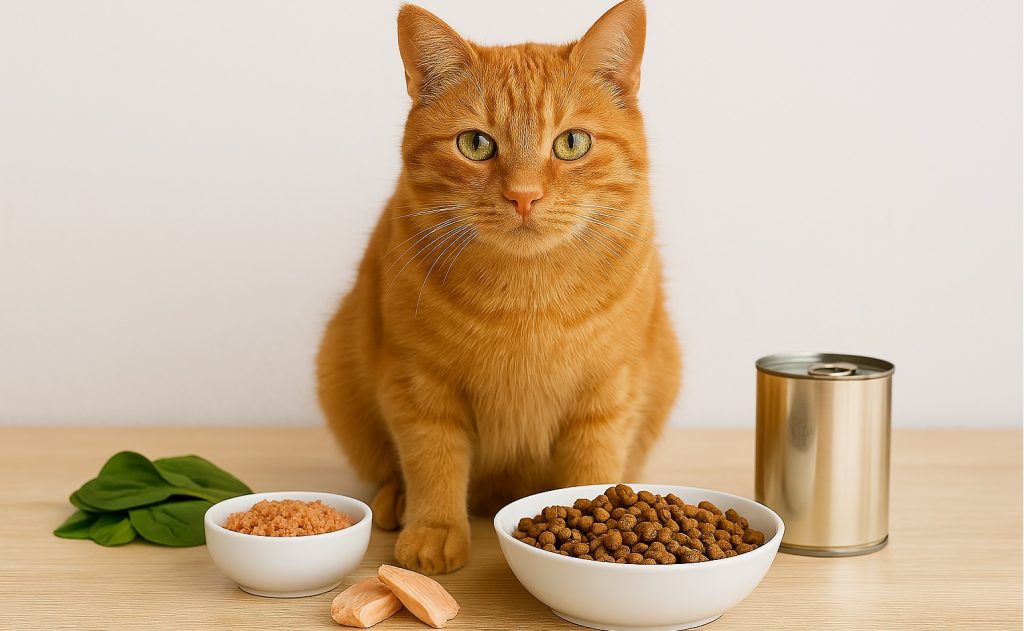
How Much Protein Does My Cat Need?
Most adult cats need 26–40% protein in dry food form. Athletes (read: zoomie champions) might need more.
Low-Protein Diets
Sometimes vets recommend these for cats with kidney disease. Always go by vet guidance—not what you read in a random forum. 😉
Can Cats Be Allergic to Certain Proteins?
Yep, it happens. Chicken is a common culprit (I know, ironic). If your cat’s scratching a lot or has tummy troubles, your vet might suggest an elimination diet.
Signs include:
- Itchy skin
- Vomiting
- Diarrhea (aka the curse 💩)
In this case, novel protein diets like duck, rabbit, or venison might be your best bet.
Fat in Cat Food
Fat isn’t the villain here. In fact, cats need it to thrive, shine, and occasionally look at you like they own the place.
Sources of Fat in Cat Food
Look out for animal-based fats:
- Chicken fat – Sounds weird, works wonders.
- Fish oil – Loaded with Omega-3s for a shiny coat.
- Beef fat – Tasty and calorie-rich.
Avoid mystery fats like “animal fat” (vague much?) and steer clear of overly processed oils.
Too much fat? Yep, that’s a problem. Kitty obesity is real. But too little can cause dry skin and low energy. So balance it like a ninja.
Carbohydrates in Cat Food
Unlike humans, cats are not designed to consume large amounts of carbohydrates prior to a marathon. However, they do require some carbohydrates for energy and fiber.
Fiber From Carbohydrates
Carbohydrate fiber may be good for your cat’s digestive system. By making your cat feel fuller, it can help control bowel movements and help them manage their weight.
Soluble Fiber
- Dissolves in water and becomes gel-like (kinda cool, actually).
- Found in pumpkin, oats, peas.
- Helps regulate blood sugar and cholesterol.
Insoluble Fiber
- Doesn’t dissolve—adds bulk to stool.
- Found in whole grains, cellulose, carrots.
- Keeps the digestive train moving.
Sources of Carbohydrates
Best sources include:
- Sweet potatoes
- Pumpkin
- Brown rice
- Peas
Less ideal:
- Corn gluten meal 😒
- Wheat fillers 😒😒
How Many Carbs Does My Cat Need?
Not many. Cats don’t actually need carbs, but small amounts are okay—especially for fiber.
Vitamins in Cat Food
Vitamins are the tiny superheroes keeping your cat alive and fabulous. But balance matters—too much or too little can cause issues.
Which Vitamins Do Cats Need?
Cats need both fat-soluble and water-soluble vitamins.
Fat-Soluble Vitamins
Fat-soluble vitamins (A, D, E, K) are stored in the body’s fatty tissues and liver. They include:
- Vitamin A – Eyesight boost.
- Vitamin D – Bone strength.
- Vitamin E – Antioxidant shield.
- Vitamin K – Helps blood clot like a boss.
Water-Soluble Vitamins
- Vitamin B1–B12 – Energy & nerve function.
- Vitamin C – Cats make their own, but a little extra doesn’t hurt.
Do Cats Need Vitamin Supplements?
Only if your vet recommends it. Most complete commercial foods already include all the essentials.
Minerals in Cat Food
Consider the minerals found in cat food as the unsung heroes of your feline’s internal system. In addition to many other essential functions, they play a role in bone formation, fluid balance, and nerve transmission.
Which Minerals Do Cats Need?
Cats require a range of trace minerals (needed in smaller amounts) and macro-minerals (needed in larger amounts). Important ones consist of:
- Calcium and Phosphorus: Strong bones and teeth require the proper ratio of calcium and phosphorus.
- Potassium, Sodium, Chloride: Important for fluid balance and nerve function.
- Magnesium: Involved in muscle and nerve function.
- Iron: Crucial for oxygen transport in the blood.
- Zinc: Supports immune function and skin health.
- Copper: Essential for red blood cell formation and connective tissue.
- Selenium: An antioxidant.
- Iodine: Necessary for thyroid function.
Water Requirements for Cats
Cats are notoriously bad at drinking water. Like, seriously bad.
- Wet food helps boost hydration
- Always have fresh water available
- Try a cat water fountain (some cats love the running water vibes)
Dehydration – big no-no. It can lead to kidney issues and urinary problems.
Can I Make My Balanced Cat Food?
Short answer? Sure. But long answer? It’s a lot trickier than it sounds.
Here’s what to keep in mind:
- Cats need precise nutrients, like taurine, arachidonic acid, and vitamin A—all hard to balance with human food.
- You’ll need supplements and maybe a consultation with a vet or pet nutritionist. This isn’t an improv recipe deal. 😅
- Raw diets? Controversial. Some swear by them; others avoid due to bacteria risks and nutritional gaps.
IMO, unless you’ve got expert guidance, stick with commercial foods labeled complete and balanced. You don’t want your cat low-key judging your cooking decisions. 😾
List of Human Foods Cats Can and Can’t Eat
Cats are curious, which usually means sticking their face into whatever you’re eating. But not all snacks are created equal.
✅ Human Foods Cats CAN Eat:
- Cooked meat (chicken, turkey, beef)
- Cooked fish (salmon, tuna)
- Scrambled eggs (fully cooked)
- Pumpkin (unsweetened)
- Blueberries (a few)
- Melon (small amounts)
- Plain rice or oats
- Carrots (steamed)
- Green beans (cooked)
- Cheese (tiny amounts if tolerated)
❌ Human Foods Cats CAN’T Eat:
- Onions & garlic (toxic—no exceptions)
- Chocolate (also toxic—save it for yourself)
- Alcohol (seriously??)
- Caffeine (hyper cat – disaster)
- Grapes & raisins (kidney risk)
- Raw dough (expands-bad news)
- Xylitol (found in gum – nope)
- Raw potatoes & tomatoes (solanine – not safe)
Frequently asked Questions
Can my cat be vegan?
Nope. Cats need meat. No tofu, please.
Why is my cat obsessed with tuna?
It’s strong-smelling and flavorful. But too much can lead to mercury poisoning.
How can I tell if a food is high-quality?
Read the label. First ingredients = meat. Bonus if it says “AAFCO approved.”
What treats are healthy?
Look for low-calorie, single-ingredient options like freeze-dried chicken.
Is grain-free better?
Not always. Grain-free isn’t carb-free. Check the full ingredients..
Final Words 🐾
Feeding your cat isn’t just about filling a bowl twice a day. It’s about making smart choices that help them thrive (and maybe live long enough to knock your glasses off the table for another 10 years).
Remember: prioritize protein, check those labels, and don’t get sucked into every trendy food ad. Your cat doesn’t care about influencer brands—they want tasty, nutritious food that keeps them feeling fabulous.
Hope this guide helped make cat nutrition way less confusing and a lot more manageable. Go give your feline a head scratch from me. They probably won’t appreciate it, but hey, we try.




Pingback: Can Cats Taste Sweet or Spicy? Unraveling Feline Flavors -
Pingback: How Much to Feed Your Cat? Ultimate Cat Feeding Chart Guide