

Ever watched your dog sprint across the yard like it’s auditioning for the next Fast & Furious sequel, only to crash into a nap pile two minutes later? 😅 Same here. And if you’re like me, you’ve probably asked yourself: “Is my dog getting the fuel it really needs?”
Well, friend, welcome to the Dog Nutrition Guide: Tips for a Healthier, Happier Pup! 🐾 Whether you’re new to pup parenting or already spoil your furball rotten (guilty as charged), understanding what goes into your dog’s bowl can genuinely change your pet’s life—and yours.
What is the best diet for dogs?
Here’s the million-dollar question, right? Well, the answer isn’t one-size-fits-all. Dogs come in all shapes, sizes, and energy levels—from the lazy couch potato Pug to the always-ready Border Collie.
A good dog diet usually includes:
- Proteins – for growth, repair, and energy. Think meat, poultry, fish.
- Fats – for energy and healthy skin/coat. Yes, that shiny fluff isn’t just for show.
- Carbohydrates – not essential, but useful for energy and fiber.
- Vitamins and minerals – to keep their internal engines humming smoothly.
- Water – the MVP that nobody talks about enough.
👉 Dog Nutrition Guide: Tips for a Healthier, Happier Pup! starts with acknowledging your dog is not a garbage disposal. Feeding scraps and leftovers as a daily routine? I see you. But let’s do better 😅
Is wet or dry food best for dogs?
It’s practically a canine version of the great pizza vs. tacos argument. Dry kibble is often more convenient and budget-friendly. It also helps with dental hygiene, which is a big plus for preventing those dreaded vet bills. On the other hand, wet food can be super palatable, hydrating, and often less calorie-dense by volume, which helps with weight management. I often mix a little wet food with kibble for my dogs; they think they’re getting a gourmet meal, and I know they’re getting variety!
How to choose the right food for your dog 🐕✨
Ever stood in the dog food aisle staring at a wall of bags like it’s the Da Vinci Code of kibble? 😵 Yup, same.
Here’s how to decode that madness:
- Check for “Complete & Balanced” Label: It means the food meets basic nutritional standards—huge win.
- Understand your dog’s life stage: Puppy, adult, senior—they all need different nutrient profiles.
- Consider allergies/sensitivities: Is your pup scratching like it’s auditioning for a flea commercial? Could be a food allergy.
- Look at ingredients: First few ingredients matter. Chicken meal > corn fillers, IMO.
- Try it out: Sometimes it’s trial and error. You’ll know it’s a hit when your dog’s coat glows and poop doesn’t resemble a science experiment.

How much should I feed my dog?
This is where many of us go a little off-piste, myself included at times! Overfeeding is a real problem and can lead to obesity, which brings a whole host of health issues. Look at the feeding guidelines on the dog food bag—they’re a starting point, not gospel. Adjust based on your dog’s activity level and body condition.
You should be able to feel their ribs easily, but not see them. If your dog looks like a furry sausage, it’s time to cut back a bit, IMO! Don’t just free-feed; measure out their portions. It makes a huge difference.
General guidelines:
- Puppies: 3–4 meals/day
- Adults: 2 meals/day
- Portion sizes: Check the label based on weight/activity level (but don’t treat it like gospel—adjust as needed).
Pro Tip: Use a measuring cup and stick to a feeding routine. Consistency is key.
- Puppies: since they use up energy more quickly than toddlers, they should eat small meals throughout the day.
- For adults, meals in the morning and evening are optimal for mood and digestion.
Healthy and Safe Foods You Can Feed Your Dog
You can give your dog healthy human foods as treats or meal toppers in addition to their usual kibble. Just be sure to use them sparingly and safely!!
- Cooked Lean Meats: Beef, turkey, and chicken (without bones, too much fat, or seasonings!). A little boiled chicken makes my dogs go crazy.
- Plain Yogurt: Excellent for probiotics, but make sure it’s unsweetened and plain.
- Carrots: Crunchy and beneficial to dental health. They are also low in calories.
- Apples: Peel the seeds and core from the apples!
- Green Beans: A fantastic low-calorie snack, especially for dogs needing to shed a few pounds.
- Blueberries: Full of antioxidants and a tiny burst of flavor.
- Pumpkin (canned, plain): Wonderful for digestive upset (both constipation and diarrhea). Keep it plain, though!
- Sweet Potatoes: Cooked and plain, they offer great vitamins and fiber.
- Oatmeal: Cooked plain, it can soothe a sensitive tummy.
- Eggs (cooked): A fantastic source of protein.
- Fish (cooked, boneless): Omega-3s are abundant in cooked, boneless fish, such as sardines and salmon.
👉 New foods should always be introduced gradually, and reactions should be observed. A surprise poop apocalypse is not what anyone wants.
What Goes Into a Balanced Dog Food?
A truly balanced dog food provides all the nutrients your dog needs for optimal health. It’s not just about tossing some meat in a bowl! We’re talking protein, fats, carbohydrates, vitamins, and minerals, all in the right proportions.

Balanced Dog Food Should Meet Your Dog’s Energy Requirements
Let’s not feed a couch potato like it’s training for the K-9 Olympics, okay?
- Active breeds (like Huskies or Border Collies) need more calories and protein.
- Less active breeds (Chihuahua squad, I see you) need fewer calories.
- Overfeeding? Leads to weight gain, lethargy, joint issues… basically a grumpy pup 🙁
A balanced diet isn’t about fancy packaging—it’s about meeting YOUR dog’s unique energy needs.
Protein in Dog Food
Protein is a powerhouse nutrient for dogs! It’s essential for building and repairing tissues, creating enzymes and hormones, and generally keeping that furry body in tip-top shape. Think of it as the building blocks of life for your pup.
Sources of Protein in Dog Food
High-quality protein sources in dog food often include:
- Meat: Chicken, beef, lamb, turkey, fish. Look for these listed as the first ingredients.
- Meat Meals: Chicken meal, lamb meal. These are concentrated forms of meat protein, with the water removed, so they’re actually quite potent!
- Eggs: A highly digestible and complete protein source.
- Legumes: Peas, lentils (though these are often lower on the ingredient list as primary protein sources).
What Does Crude Protein Mean?
Crude protein is the percentage of protein before digestion is considered. So yeah, it’s more “theoretical” than practical. It doesn’t say much about how digestible or usable the protein is.
What Is My Dog’s Protein Requirement?
- Puppies: 22–32%—More protein equals greater growth!
- For maintenance, adults should consume 18–25% moderate protein.
- Active dogs: Higher end of the scale
- Seniors: Equilibrium levels to help ageing muscles without putting undue strain on the kidneys.
Low-protein diets
Low-protein diets are occasionally required, especially for dogs with specific kidney disorders. These specific diets aid in lessening the kidneys’ workload. Or not? 🐶 When dogs are fed protein, they live their best lives.
Can Dogs Be Allergic to Certain Proteins?
Yep. Chicken and beef top the list of common offenders. Try novel proteins like duck or venison if allergies show up.
Fat in Dog Food
With more than twice as many calories per gram as either protein or carbs, fats are a vital source of energy for dogs. They are also essential for maintaining healthy skin and a glossy coat, as well as for absorbing fat-soluble vitamins.
Sources of Fat in Dog Food
Your dog can look like a show dog on a catwalk thanks to healthy fats that support energy, healthy skin, and a shiny coat.
Top sources include:
- Chicken fat – Common and digestible.
- Fish oils (like salmon oil) – Rich in Omega-3 fatty acids.
- Vegetable oils – Usually from flaxseed or canola.
But too much fat? That’s a no-go. It leads to digestive drama and weight gain. Weight gain and digestive drama are the results. Consider it a daily version of giving your dog a VIP pass to the snack table.
Carbohydrates in Dog Food
For your dog’s everyday activities, carbohydrates offer easily accessible energy. They’re also a good source of fiber, which helps with digestion. Some people get a bit dramatic about carbs in dog food, but in moderation, they’re perfectly fine and beneficial.
Fiber From Carbohydrates
Fiber = better digestion and happier poops. You’re welcome.
Soluble Fiber
- Dissolves in water, slows digestion.
- Great for managing blood sugar.
- Found in oats, peas, apples.
Insoluble Fiber
- Adds bulk, speeds digestion.
- Found in veggies, whole grains.
Both types keep your dog regular and reduce the risk of tummy tantrums 💩
Sources of Carbohydrates
- Grains: Rice, oats, corn, barley.
- Starches: Potatoes, sweet potatoes.
- Legumes: Peas, lentils.
What Is My Dog’s Carb Requirement?
It depends! Active dogs benefit more from carbs, while couch potatoes (lookin’ at you, pug owners 😅) need fewer.
Balance is key—not carb-loading like it’s a pre-marathon breakfast.
Vitamins in Dog Food
Just like us, dogs need vitamins for a gazillion bodily functions, from vision to bone health and immune system support. They’re the little helpers that make everything tick.
Which Vitamins Do Dogs Need?
These dissolve in fat and are stored in the body. They include:
- Vitamin A: Good for vision, immune function, and skin.
- Vitamin B Complex – energy, nerves
- Vitamin C: immune boost
- Vitamin D: Essential for bone health and calcium absorption.
- Vitamin E: A powerful antioxidant, great for cell health.
- Vitamin K: Crucial for blood clotting.
Fat-Soluble vitamins
Stored in fat, not flushed out. That means A, D, E, K can build up—so moderation matters!
Water-Soluble Vitamins
Used and excreted fast. These include B-complex and C. Overdoing it usually just means expensive pee 😅
Do Dogs Need Vitamin Supplements?
If they’re on a balanced commercial diet? Probably not.
But for homemade diets or health issues—supplements might help. Always ask your vet before going full vitamin wizard 🧙♂️
Minerals in Dog Food
Minerals are inorganic substances crucial for bone formation, nerve function, fluid balance, and countless other processes.
Which Minerals Are Necessary for Dogs?
Essential minerals include:
- Calcium and Phosphorus: Strong bones and teeth depend on calcium and phosphorus, which must be in the proper ratio.
- Magnesium: Essential for nerve and muscle function.
- Potassium and Sodium: Electrolytes crucial for fluid balance.
- Iron: Essential for oxygen transport in the blood.
- Zinc, Copper, Selenium: Important trace minerals for various enzymatic reactions and immune function.
Balanced dog foods have these in the right ratios. IMO, you don’t need to go rogue with mineral supplements unless your vet gives the green light.
Water Requirements for Dogs
If food is fuel, then water is oil for the engine.
Dogs need clean water daily—and a lot of it, especially in hot weather or after exercise.
- Rule of thumb: 1 oz of water per pound of body weight.
- Don’t rely on “moist food” alone for hydration.
- Monitor water bowls like it’s your job. Because it is. 🙂

Can I Make My Balanced Dog Food?
You can, but it’s incredibly challenging to formulate a homemade dog food that is truly nutritionally complete and balanced without expert guidance. It’s not just throwing some chicken and rice in a bowl.
Tips: 🍳🐕
- Work with a vet or pet nutritionist. You don’t want to guess the ratios.
- Include all essential nutrients: protein, fats, carbs, vitamins, minerals, and water.
- Use quality meats and grains.
- Consider adding a supplement to fill in nutrient gaps.
Making your own dog food isn’t just boiling chicken and rice and hoping for the best. It’s like pet-parent meal prep—with science.
List of Human Foods Dogs Can and Can’t Eat
✅ Safe for Dogs (in moderation):
- Cooked chicken
- Turkey (plain)
- Rice
- Peanut butter (no xylitol)
- Cucumber
- Sardines
- Watermelon (no seeds)
- Zucchini
❌ Unsafe for Dogs (avoid completely):
Human Food Safety Measures for Dogs
- If you’re not sure about a food, always consult your veterinarian or trustworthy internet sources.
- Introduce new foods slowly and in small amounts to watch for adverse reactions.
- Avoid seasonings, excessive salt, sugar, or fat when sharing human food.
- Remember treats should make up no more than 10% of their daily caloric intake.
Just because they want a bite doesn’t mean they should have one. Sorry, buddy.
Frequently Asked Questions
Can I switch my dog’s food suddenly?
Nope. Transition over 7-10 days to avoid stomach issues.
Is grain-free better?
Not always. Only go grain-free if your dog has an allergy.
Should I feed raw food?
Controversial. Some swear by it, others avoid due to bacteria risk. Talk to your vet.
Can dogs eat dairy?
Some can. Many are lactose intolerant. Try small amounts first.
What if my dog is overweight?
Cut portions, choose weight-management food, and move that booty (the dog’s, not yours—but hey, both work!).
Final Words
Feeding your pup well isn’t rocket science, but it does take some thought. Use this Dog Nutrition Guide: Tips for a Healthier, Happier Pup! as your cheat sheet to keep tails wagging and bellies full.
After all, your furry friend deserves the best—and now you know how to give it to them. Go ahead, bookmark this. Your dog (and your future self) will thank you.
Now go give your pup a belly rub and maybe a carrot stick 🥕—because good nutrition is just the beginning of a happy, tail-waggin’ life.


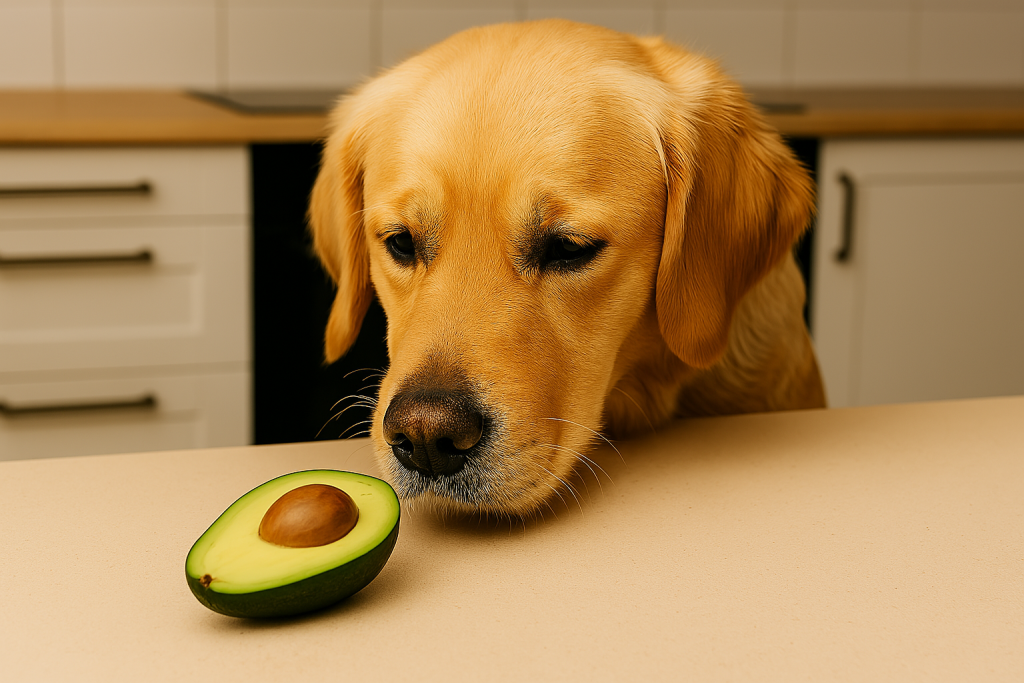


Pingback: Can Dogs Eat Avocado? The Ultimate Guide for Pet Owners -
Pingback: Cat Nutrition Made Easy: Your Ultimate Feline Feeding Guide 🐾 -
Pingback: Coconut Water for Dogs: Is It Safe or Refreshing Treat?
Pingback: Dog Feeding Chart: How Much to Feed Your Dog-Complete Guide