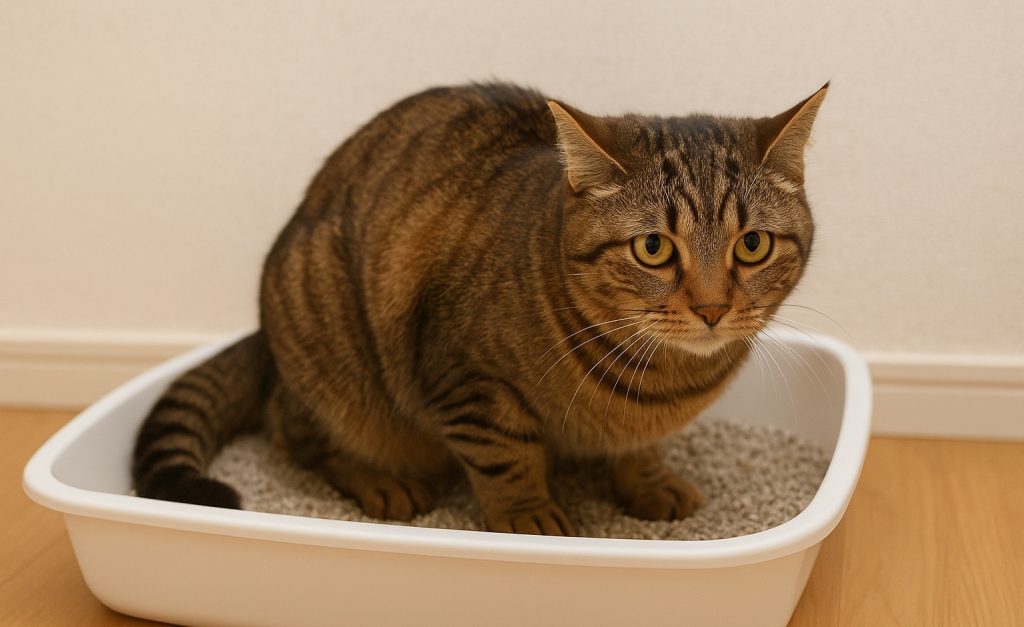
To be honest, nothing makes a cat parent more anxious than witnessing their pet struggle in the litter box. You see the squatting, you hear the scratching, but nothing happens. Let the panic start. You’re not alone if you’ve ever frantically searched for “How to make a constipated cat poop instantly.” Like a detective attempting to unravel a mystery, I’ve been there, gazing at my cat. Constipation is common in cats, but you shouldn’t ignore it.
The good news? There are quick and safe methods to help your kitty get relief. And no, it doesn’t involve magic wands or bribing them with tuna (though hey, tuna bribes never hurt). Let’s break it down together in a way that feels less like a vet textbook and more like a chat between friends who love cats.
How to Treat Constipation in Cats
Cat constipation happens more often than you’d think, but it still catches you off guard every time. When I first dealt with it, I panicked like my cat swallowed a bowling ball. But once you understand how it works, treating constipation becomes way less scary.
You treat cat constipation by focusing on three things:
- Hydration
- Diet changes
- Stool softening or stimulation
Ever wondered why cats act like water is lava? They love ignoring their bowl and drinking only when the water comes from a weird source—like your glass, the sink, or the toilet (if you’re unlucky). That’s exactly why dehydration is one of the biggest constipation triggers.
Treating constipation early prevents serious issues, like megacolon, painful blockages, and expensive emergency vet visits that feel like highway robbery. So acting quickly helps both your cat and your wallet.
What Could Cause Cat Constipation?
It’s tempting to blame a bad batch of kibble, but often, the cause runs deeper. Understanding the why helps prevent the how to make a constipated cat poop instantly panic next time.
- Dehydration is the biggest culprit. Cats, being descendants of desert dwellers, don’t have a strong thirst drive. If they only eat dry food, they simply don’t get enough moisture, leading to hard, dry stools that are impossible to pass.
- Dietary issues play a huge role. Low-fiber diets or, conversely, too much non-digestible fiber (like excessive hair from grooming) can cause trouble.
- Lack of exercise slows down the whole digestive process. A couch potato cat often means a constipated cat. Makes sense, right? If you don’t move, neither do your insides.
- Pain or orthopedic issues might make it difficult or painful for your cat to get into the squatting position, so they avoid the litter box. That’s a classic case of holding it in until it’s too late.
- A contributing factor may be underlying medical conditions. The bowels can be impacted by conditions like diabetes, kidney disease, or even neurological issues. For this reason, if it starts happening frequently, a veterinary visit is crucial.
Symptoms of Constipation in Cats
How can you tell if your cat is constipated rather than just picky about the litter box? Keep an eye out for these warning signs:
- Getting little to no results from straining in the litter box.
- Hard, dry, small stools (or none at all).
- Crying or vocalizing while trying to poop.
- Loss of appetite.
- Lethargy or hiding more than usual.
If your cat looks like they’re auditioning for a Shakespeare tragedy every time they squat, it’s time to take action.
Treatment for Constipation in Cats
When you need to help your cat poop quickly, the best strategy is choosing safe and proven methods. Avoid random internet hacks like olive oil overloads or risky home enemas—your cat isn’t a DIY project.
Safe constipation treatments include:
- Hydration boosts
- Canned food transition
- Vet-recommended stool softeners
- Increasing fiber in the diet
- Gentle belly massage
- Encouraging movement
A combination of methods usually works best. Think of it as a “support team” helping your cat get things moving again.
When I dealt with this the first time, I tried one method at a time and nearly went crazy waiting. Now I stack my strategies, and things move (literally) much quicker.
Immediate Veterinary Interventions
Sometimes, home remedies won’t cut it. If your cat is severely constipated, vets may step in with these methods:
Enema
A vet-administered enema can clear blockages quickly. Don’t DIY this—seriously. Cat enemas are not the same as human ones, and you don’t want to risk hurting your pet.
Fluid therapy
Dehydrated cats can’t pass stool easily.
Subcutaneous fluids rehydrate the body quickly, soften stool, and help the colon work normally again.
Your vet may recommend:
- One-time fluid therapy
- A short fluid series
- At-home fluids (in chronic constipation cases)
It sounds intimidating, but it helps a lot.
Manual removal
This option sounds horrifying, and it kind of is, but it works when the stool is severely impacted.
Your vet sedates your cat and manually removes trapped stool. It’s safe, but it’s the last resort.
If you act early, you likely won’t reach this stage.
Cat Constipation Home Remedies
Okay, once the immediate crisis is averted, or if the constipation is mild, you have a lot of tools in your toolbox for long-term prevention and gentle, at-home relief. These are the steps I swear by, having dealt with a few finicky felines myself.
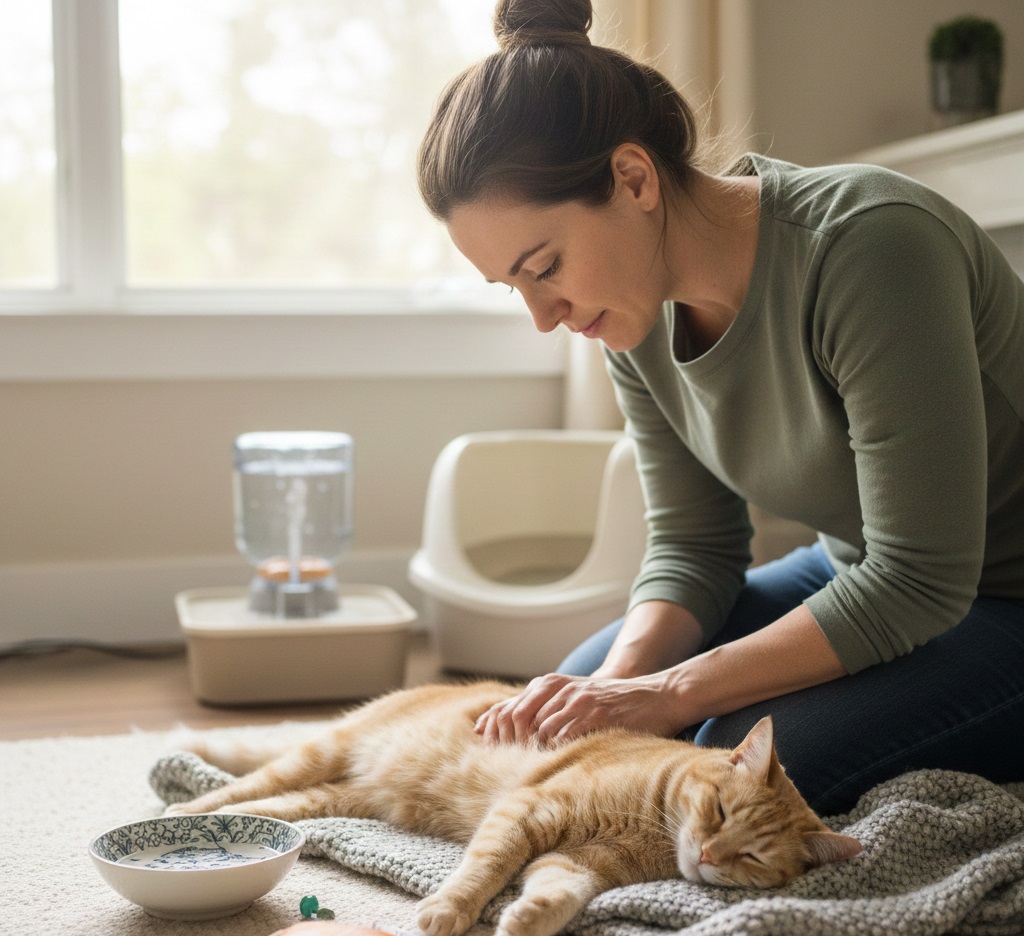
Increase hydration
Hydration matters more than anything else. Cats naturally drink very little, so you must find ways to encourage them.
Try these:
- Add water to wet food (1–2 tablespoons)
- Use a cat water fountain (cats love moving water)
- Offer broth (unsalted, no onions or garlic)
- Place water bowls in multiple rooms
Ever noticed your cat ignores their bowl but drinks from your cup? Same here. Cats are ridiculous.
But more water = softer stool = faster relief.
Bold tip: Wet food solves 80% of constipation problems.
Try a New Diet
While wet food is great, the type of food matters, too.
Look for diets that are low-carb, high-protein, and specifically formulated for digestive health. Some cats do well on a novel protein source if they have underlying sensitivities that might be causing inflammation.
Help Your Cat Maintain a Healthy Weight
Obesity slows digestion and increases constipation risk.
If your cat resembles a fluffy loaf (no judgment—we’ve all been there), helping them slim down will improve their bathroom habits.
You can:
- Reduce treat portions
- Use more wet food
- Encourage playtime
- Try automatic feeders for controlled meals
A lighter cat poop more easily. Simple.
Gentle massage
Rub your cat’s belly gently in circular motions. It can stimulate bowel movement. Bonus: they’ll think you’re spoiling them.
Increase Exercise and Enrichment
Remember, a tired cat is often a healthy cat! Movement encourages gut motility. Use toys like feather wands or laser pointers to encourage at least 15 minutes of active play daily. Climbing on cat trees or scratching posts also counts as exercise!
Minimize Stress and Anxiety
Stress messes with digestion. Keep their environment calm & consistent routine. No surprise fireworks or loud vacuums.
Add More Litter Boxes
Cats are picky. If the litter box isn’t clean or accessible, they may hold it in. Add more boxes around the house.
Add fiber
Fiber helps stool stay soft and move easily.
But don’t overload—too much fiber can cause worse constipation.
Try:
- 1 teaspoon pumpkin purée
- 1/8 teaspoon psyllium
- Vet-recommended fiber supplements
Pumpkin works like magic for many cats. Mine eats it like it’s dessert (don’t ask me why).
Monitor Your Cat for Constipation
Keep track of litter box habits. If constipation lasts more than 48 hours, call your vet.
Not sure whether to see a vet?
If you are ever asking yourself, “Should I wait another day?” the answer is probably NO. When it comes to your cat’s digestive system, it’s always better to be safe than sorry.
- If your cat hasn’t pooped in 48 hours, call the vet immediately.
- If they are vomiting, lethargic, or actively crying out in the litter box, this is an emergency! Don’t wait—drive to the clinic.
A quick phone call often clears things up. Your vet can advise you on safe over-the-counter options or tell you, in no uncertain terms, that you need to bring them in. Seriously, vets prefer you call with a false alarm than show up with a medical crisis. Better safe than sorry!
Frequently Asked Questions
How can I make my constipated cat poop quickly at home?
You can encourage fast relief by increasing hydration, giving wet food, adding a little pumpkin, encouraging movement, or giving a vet-approved stool softener. Never use unsafe oils or human laxatives.
Can stress cause constipation in cats?
Absolutely. Stress disrupts digestion, appetite, and bathroom habits. Reducing stress often fixes constipation faster than you’d expect.
How long can a cat safely go without pooping?
Most cats poop daily. Going more than 48 hours without pooping may indicate constipation. At 72 hours, you should contact a vet.
Is wet food better for constipated cats?
Yes. Wet food contains moisture that softens stool and helps digestion. It’s one of the easiest and fastest fixes for constipation.
Is olive oil safe for constipated cats?
No. Olive oil doesn’t always relieve constipation and can induce vomiting. Instead, stick to safe, veterinarian-approved techniques.
Final Words
In addition to being uncomfortable, constipation in cats can be harmful if left untreated. The secret is to know when to seek professional help and when to try quick fixes at home. Exercise, nutrition, hydration, and stress reduction are all very important.
Hey, don’t be so hard on yourself if your cat has constipation. It affects even the best cat parents. It’s crucial to act quickly and make sure your cat is comfortable.
The next time you find yourself searching Google for “How to make a constipated cat poop instantly,” keep in mind that you have options, knowledge, and a dependable furry friend.