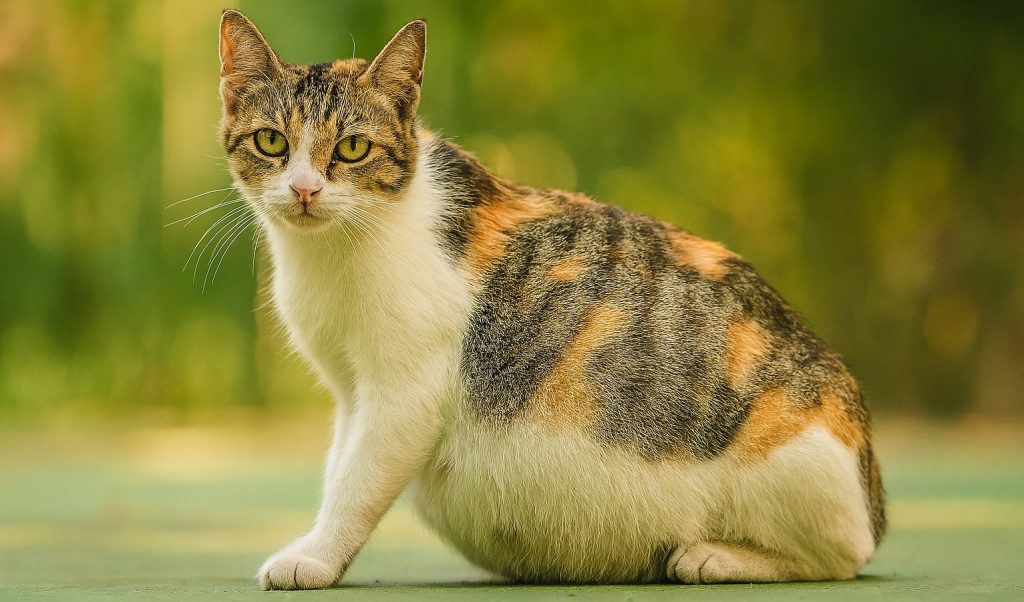
How Long Are Cats Pregnant? What to Expect
So, your cat’s acting a little… different. Maybe she’s suddenly super cuddly or has started nesting in your laundry basket like it’s her personal maternity ward. You’re wondering, “How long are cats pregnant?” and “What the heck do I do now?” Been there, panicked over that.
Let me walk you through everything you need to know—from spotting the signs to prepping for the big kitten debut. I’ve had my fair share of feline drama, and trust me, it’s a wild ride (with tiny paws at the end).
Signs a Cat is Pregnant
Okay, let’s be real—cats are already dramatic little furballs. But when pregnancy comes into play? Expect even more changes. Here are some signs that your kitty might have a bun (or several) in the oven:
- Pinked-up nipples (they turn darker and more noticeable—sometimes called “pinking up”).
- Bigger appetite (yep, she’s eating for a small army now).
- Napping like a pro (cats already sleep 16+ hours, but pregnant cats? They basically clock out).
- Mood swings (affectionate one minute, diva the next).
- A slightly rounder belly (though this shows later on).
And FYI, some of these signs are pretty subtle. So don’t feel bad if you can’t tell right away. Cats love keeping us on our toes.
How Long are Cats Pregnant?
Let’s get straight to the essential facts, because that’s why you clicked on this, right? The average length of a cat pregnancy is 63 to 67 days, which is roughly two months. I know, that’s insanely fast compared to humans! It’s like they have a VIP express lane for gestation.
However, a normal, healthy cat gestation period can actually range a little wider, from 61 days all the way up to 72 days. Why the variance? Think of it like cooking a steak: some are done a little sooner, some need a little extra time. The number of kittens, the cat’s breed, her age, and even her general health can slightly influence the timing. The key takeaway here is this: If your cat goes past 70 days, you should absolutely call your vet, ASAP.
What are the basics of cat reproduction?
Let’s talk cat biology. Cats are seasonally polyestrous (fancy way of saying they can go into heat multiple times during breeding season). Female cats can become pregnant as young as 4–6 months old. Yep, they grow up way too fast.
A few fun (and slightly terrifying) facts:
- Cats don’t ovulate until they mate. So, the act itself triggers ovulation.
- This means they can get pregnant multiple times in one heat cycle, by different males. (Think of it as a feline soap opera.)
- Unspayed cats can have 2–3 litters a year. Multiply that by 3–6 kittens per litter… yeah, you get the idea.
So, IMO, spaying your cat if you’re not planning on kittens is the best way to go. Saves you the stress, and saves your cat a lot of health risks.
How to Tell if a Cat Is Pregnant
So how do you confirm it’s a pregnancy and not just too many snacks?
Early signs that a cat is pregnant
In the first few weeks, your cat might still act normal. But around week 3, you’ll notice:
- Nipple changes—they become pinker and more prominent.
- Slight weight gain
- More naps (because growing kittens is exhausting)
Cat behaviour during pregnancy
Pregnant cats usually:
- Sleep more.
- Demand food more often.
- Seek out cozy hiding spots.
Honestly, if your cat is suddenly acting like she owns the couch (more than usual), she might be prepping for motherhood.
Should I keep my pregnant cat indoors?
Absolutely. Pregnant cats need a safe, stress-free environment. Plus, you don’t want her giving birth under your neighbour’s porch. Been there. Regret that.
Cat Pregnancy Stages
The typical cat gestation period is neatly divided into three trimesters. Each one brings its own changes and needs.
First Trimester
This is weeks 1–3. This is the silent stage. Not much happens externally, but a lot is happening internally! The fertilized eggs implant in the uterine lining and the tiny embryos begin to develop. You won’t see much weight gain, but you should notice those “pinked up” nipples.
Second Trimester
Weeks 4–6. The kittens are growing rapidly! Your vet may be able to palpate (gently feel) the individual fetuses around the 35-day mark, though this should always be done by a professional to avoid injury. By the end of this stage, you’ll definitely notice her belly rounding out—that classic “pregnant cat look.”
Third Trimester
Weeks 7–9. Get ready! This is when things get serious. The kittens are almost fully developed and ready for the world. You might even see and feel movement in her belly, which is one of the coolest things to experience. Her appetite should be at its peak now, and her nesting behaviour will be intensified. She’s getting tired, too, so don’t expect her to play much.
What happens during a normal cat birth?
Labor usually lasts 2–6 hours, but it can stretch longer. Here’s what to expect:
- Contractions and restlessness
- Vocalizing (some cats meow, others go full drama queen)
- Delivery of kittens every 30–60 minutes
- Placenta expelled after each kitten
If she’s pushing for over an hour with no kitten, call your vet. Don’t wait.
How do I care for a pregnant cat?
Caring for a pregnant cat is mostly about making sure she gets top-tier nutrition, a quiet environment, and proper veterinary check-ups. Think of yourself as her personal assistant/concierge.
Diet for a Pregnant Cat
Feed her high-quality kitten food. It’s richer in protein and nutrients. Continue this diet through pregnancy and while she’s nursing.
Parasite Prevention for Pregnant Cats
Talk to your vet before giving anything. Not all flea or worm treatments are safe during pregnancy.
Vaccinations for Pregnant Cats
Ideally, cats should be up to date before pregnancy. Avoid live vaccines while pregnant.
Illness in Pregnant Cats
If she seems lethargic, stops eating, or shows signs of distress, call your vet ASAP. Better safe than sorry.

Getting Ready for Labor and Delivery
The secret to a stress-free birth is preparation. Establish a cozy, hygienic, and peaceful nesting box approximately one week before the anticipated due date (keep in mind that 63 to 67 days is the sweet spot).
The ideal nesting box ought to be:
- Private and Dark: A big cardboard box or a plastic tub kept in a spare room or quiet closet.
- Cushioned and Warm: Cover it with soft, disposable bedding that you can discard after giving birth, such as newspapers or towels.
- Accessible: Ensure that the sides are high enough to contain the newborns but low enough for her to enter and exit with ease.
Signs Your Cat Is in Labor
You can tell when showtime is coming when you see these indicators!!
- Temperature Drop: 12 to 24 hours before the start of labor, your cat’s rectal temperature will frequently fall to less than 100°F (37.8°C). This calls for a very patient cat and a digital thermometer.
- Vocalization/Restlessness: She might begin to pace, purr loudly, check the nesting box frequently, and act incredibly tense.
- Licking: One of the main indicators that contractions are beginning is excessive, continuous licking of her abdomen and genital area.
- Discharge: While a slight reddish-brown discharge is possible, excessive, dark, or odorous discharge is a serious concern.
Basically, she’ll make it obvious something’s happening
Posts navigation
Want to bookmark this for later? Save this post and check back when your cat hits week 6. You’ll thank me when she’s nesting in your laundry pile.
Cat giving birth for the first time
First-time moms may be more nervous. Stay nearby, but let her handle things unless there’s an emergency. If a kitten gets stuck, you might need to assist—but usually, nature takes care of it.
How do I care for newborn kittens?
Once those little bundles of joy arrive, their care relies completely on their mother—at least for the first few weeks. Mother’s milk is liquid gold; it provides the necessary antibodies and nutrition.
- Keep them warm: Kittens cannot regulate their own body temperature. Ensure the nesting area stays around 85-90°F initially.
- Monitor nursing: Make sure every kitten is latching on and getting its turn.
- Weigh them: Weigh the kittens daily for the first week. They should gain weight every day. If a kitten consistently loses weight, call the vet.
How Many Kittens Can a Cat Have?
On average, 3–6 kittens per litter. But some cats can have up to 9. Yep, a whole football team of tiny furballs.
At what Age Can a Cat Get Pregnant
Brace yourself: as early as 4 months old. Yep, that young. So if you’re not planning for kittens, spay early.
Frequently Asked Questions
How many times can a cat get pregnant in a year?
Up to 3–5 times. Cats are very fertile. It’s like they read romance novels on repeat.
How long is a cat’s pregnancy week by week?
Here’s a quick breakdown:
- Weeks 1–2: No visible changes
- Week 3: Nipples pink up
- Weeks 4–5: Belly starts to swell
- Weeks 6–7: Nesting behavior begins
- Week 8–9: Labor signs appear
Can cats get pregnant while nursing?
Yes. Facepalm. Cats can go into heat while still nursing kittens.
Should I spay my cat after birth?
Yes, but wait until she’s done nursing—usually 8–10 weeks postpartum.
Can I touch newborn kittens?
Yes, but wash your hands and keep it brief. Mama cat might get protective.
What if my cat rejects her kittens?
Step in only if necessary. Keep them warm and fed. Call your vet for guidance.
Do cats need help giving birth?
Usually no. But if labor stalls or she’s in distress, call your vet ASAP.
Can I bathe a pregnant cat?
Nope. Too risky. Use pet wipes if needed.
Final Words
So, how long are cats pregnant? About 9 weeks, give or take. But the journey? Oh, it’s full of surprises, mood swings, and tiny meows.
Whether you’re a seasoned cat parent or just got thrown into feline maternity, remember: you’ve got this. Keep your vet on speed dial, stock up on kitten food, and maybe clear out that sock drawer—your cat’s about to turn it into a nursery.
And hey, when those kittens arrive, send me pics. I’m a sucker for tiny toe beans 😻.