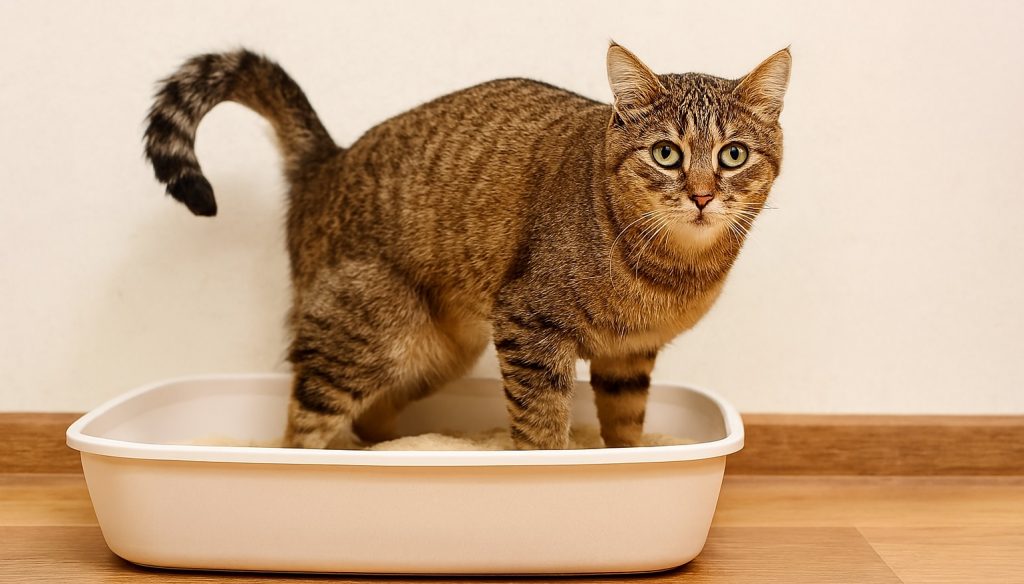
Let’s be real—cats are mysterious little furballs. One minute they’re zooming around the house like caffeinated ninjas, and the next they’re curled up in a sunbeam, judging you silently. But when your feline friend hasn’t pooped in a while, it’s not just mysterious—it’s kinda concerning. So, how long can a cat go without pooping? Let’s dig into the litter box drama and figure out when to chill and when to call the vet.
How Often Do Cats Poop?
Most healthy cats poop once every 24 to 36 hours. Yep, just once a day is perfectly normal. Some cats are more “regular” than others, just like us humans.
Factors such as diet, activity level, and age play a significant role. If your cat eats a high-protein diet with less fiber, they might poop less often than a kibble-loving kitty.
How Often Do Kittens Poop?
Kittens? Oh, they’re little poop machines. Most kittens under 6 months old will poop two to four times a day. Their tiny digestive systems work fast, especially if they’re on milk or wet food. If your kitten isn’t pooping at least once a day, that’s definitely a red flag.
How long can a cat go without pooping?
Here’s the answer you’re waiting for, the big reveal: You should worry if your adult cat hasn’t pooped in 48 hours, or two full days. Going a full day without a bowel movement isn’t necessarily a crisis, but it’s your cue to start watching closely and encouraging them to drink more.
Once you hit that 48-to-72-hour mark, you’ve likely moved from “a little backed up” to “constipated,” and that’s when you should seriously consider calling your veterinarian. Why? Because the longer the stool stays in the colon, the harder, drier, and more painful it becomes to pass, which only exacerbates the problem. It’s a vicious cycle, and frankly, who needs that kind of drama?
Factors That Can Affect a Cat’s Bathroom Habits
Cats are complicated creatures (understatement of the year). Their pooping habits depend on a bunch of things:
Age
Older cats tend to slow down—literally. Their digestion can get sluggish, which means less frequent poops.
Water Intake
Hydration is everything. If your cat drinks little water, their stool can become hard and difficult to pass. That’s why wet food often leads to smoother “transactions” in the litter box.
Diet
Low-fiber diets or too much dry food can mess with your cat’s gut. Wet food helps keep things moving.
General Health and Health Problems
Underlying issues like kidney disease, diabetes, or thyroid problems can affect digestion. If your cat’s got other symptoms, don’t ignore them.
Activity Level
Lazy cats (you know the ones—professional nappers) tend to get constipated more than active, playful ones. Movement keeps the digestive system moving too.
Environmental Factors
Stress, travel, or a new pet in the house can throw your cat’s routine off. Cats are sensitive little drama queens.
Signs of Constipation in Cats
So how do you know if your cat’s constipated or just being weird? Look for these signs:
- Straining in the litter box
- Crying or meowing while trying to poop
- Small, hard, dry stools
- No poop for 48+ hours
- Lethargy or hiding
- Vomiting or loss of appetite
What is the difference between obstipation and constipation?
Oh, joy, more medical jargon! But this one is important. Think of constipation as the common, treatable traffic jam—slowed or difficult passage of stool.
Obstipation is the total gridlock. It’s when the constipation is so severe that the cat cannot pass stool on its own, and the colon is packed solid. Obstipation is a medical emergency and almost always requires veterinary intervention, including enemas or sometimes manual removal of the stool. It’s way more serious than just a little backup
Why a Cat May Not Be Pooping Regularly
There are plenty of reasons your cat may skip their bathroom visits. Some are harmless, while others are more serious.
Most Common Causes of a Cat Not Pooping:
- Dehydration
- Lack of fiber
- Dirty litter box avoidance
- Stress or environmental changes
More Medically Serious Causes of Cat Constipation Include:
- Neurological disorders
- Colon blockages
- Injuries that affect movement

Low Fiber Diets
Fiber helps bulk up stool and makes it easier to pass. A cat on an all-protein, no-fiber diet may struggle.
Dehydration
Probably the number one culprit. Cats are notorious for not drinking enough water.
Colon Blockage or Growths
Masses, tumours, or physical blockages can make pooping nearly impossible.
Megacolon
This is when the colon stretches too much and loses its ability to contract. It often requires long-term management.
Spinal or Pelvic Injuries
Injuries that affect nerves can interfere with bowel movements.
Fur-Related Digestion Issues
Hairballs aren’t just about puking—sometimes swallowed fur clogs things up at the other end.
Obstipation
This is constipation’s evil twin. Once it reaches this stage, your cat may need enemas or even surgery.
Avoiding a Dirty Litter Box
Cats are picky. If the litter box smells like a dumpster, they’ll hold it in. Clean it daily—your cat (and your nose) will thank you.
Obstipation Symptoms – When It Gets More Severe
Obstipation isn’t just annoying—it’s dangerous. Watch for:
- No poop for 3+ days
- Bloated belly
- Pain when touched
- Lethargy
- Vomiting
- Loss of appetite
If your cat shows these signs, don’t wait. Get to the vet.
How to Get Your Cat to Poop When Constipated & Home Remedies
Okay, so your cat is at the 24-to-48-hour mark. You don’t need to panic yet, but you definitely need to switch from passive observation to active intervention. The goal is to gently soften the stool and encourage movement.
Encourage Hydration
- Add water to dry food
- Offer wet food
- Use a cat water fountain
- Try low-sodium chicken broth
Add Fiber to Your Cat’s Diet
- Canned pumpkin (unsweetened!)
- Psyllium husk (in small doses)
- Fiber-rich cat food
Ensure the Litter Box Stays Clean
Make it an appealing place to go! If your cat is holding it in because the box is gross, this simple fix might be all they need.
- Scoop Twice Daily:
Consider an Extra Box: The general rule is one box per cat plus one extra. Give them options!
Groom and Brush Your Cat Regularly
If hairballs are the issue, this is your solution. Brushing reduces the amount of hair your cat swallows, preventing fur-cement blocks in the gut.
I love a good shedding blade for this, especially during the spring. It’s a simple preventative measure that has huge digestive benefits.
Try a Mild Laxative
Only with vet approval. Some vets recommend Miralax or lactulose, but don’t DIY this without guidance.
When to See a Vet for Cat Constipation
If your cat hasn’t pooped in 48–72 hours or shows signs of pain, vomiting, or lethargy, call your vet. Don’t wait for things to “work themselves out.” Spoiler: they won’t.
How Long Can a Cat Go Without Peeing?
While we’re on the topic of bathroom habits—cats shouldn’t go more than 24 hours without peeing. If they do, it could be a urinary blockage, which is a medical emergency. Like, rush-to-the-vet-right-now kind of emergency.
Frequently Asked Questions
Cat Not Pooping: When to Worry?
If it’s been more than 48 hours, it’s time to worry and call your vet.
How Long Can Cats Hold Their Poop and Pee?
Cats can hold poop for up to two days, and pee for up to 24 hours—but both are risky.
How Long Can a Cat Go Without Pooping Before?
Usually, two days is the max before it’s a health concern.
How Long Can a Cat Go Without Pooping Reddit?
Cat parents on Reddit agree—two days is the danger zone, though many say they call the vet after 36 hours.
Can Stress Stop My Cat From Pooping?
Yes. Moving homes, new pets, or even changing their litter brand can cause stress-related constipation.
Can Hairballs Stop My Cat From Pooping?
Yes, swallowed fur can clog things up and contribute to constipation.
Is Wet Food Better for Constipation?
Definitely. Wet food increases water intake, which helps stool pass more easily.
Final Words
So, how long can a cat go without pooping? Not long—48 hours tops. If your cat’s bathroom habits are off, don’t ignore it. Whether it’s diet, stress, or something more serious, constipation can lead to bigger problems.
Keep the litter box clean, offer wet food, and watch for signs. And hey, if your cat’s being dramatic about pooping (because of course they are), at least now you know what to do.
Got a constipated kitty story? Or a weird poop-related cat tale? Share it with fellow cat lovers—you’re definitely not alone in this litter box saga 😉
Let me know if you want a printable checklist or a vet-approved constipation care guide. I’ve got your back (and your cat’s butt).