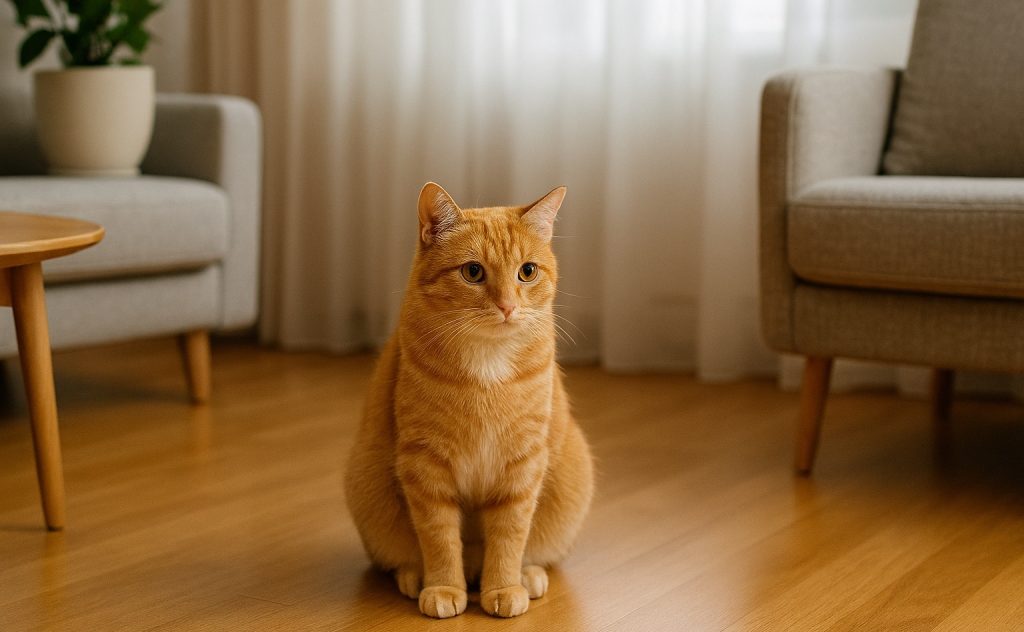
So, you’ve got a cat. Congrats—you’re officially living with a fluffy roommate who thinks they own the place. But here’s the million‑dollar question: How long can you leave a cat alone? If you’ve ever stared at your cat while packing for a trip and thought, “Will you survive without me, or will you plot my downfall?”—you’re not alone.
I’ve asked myself this countless times. My cat once gave me the death stare after I left her for just 12 hours. (FYI, she was fine, but the guilt trip lasted weeks.) That’s why we’re diving into safe time limits and practical safety tips—because none of us want to come home to a shredded couch or a sulking furball.
Let’s break it down, friend‑to‑friend, with a mix of science, experience, and a sprinkle of humor.
How Long Can You Leave a Cat Alone?
Cats are independent, sure, but they’re not robots. Most adult cats can handle being alone for 24 hours if they have food, water, and a clean litter box. But stretch that to 48 hours? Risky. Beyond that? You’re basically gambling with their health and happiness.
Think of it this way: cats may act aloof, but they still crave routine, safety, and—yes—your annoying presence.
General Guidelines by Age
Age plays the biggest role in how long your cat can handle “home alone” time. A tiny kitten has vastly different needs than a lazy ten-year-old tabby. You wouldn’t leave a toddler alone for an afternoon, so why expect a kitten to manage?
How long can kittens be left alone?
Kittens may be tiny chaos machines, but they’re also tender, needy little beans who depend heavily on attention and security.
Kittens Under 4 months
Leaving a kitten under 4 months alone for more than 2–4 hours is a bad idea. They need constant feeding, play, and supervision. Ever seen a kitten try to climb curtains? Yeah, disaster waiting to happen.
4 to 12 months
Older kittens can manage up to 8 hours alone, but they still thrive on interaction. They’re basically teenagers—curious, mischievous, and prone to trouble if unsupervised.
How long can an adult cat (1+ years) be left alone?
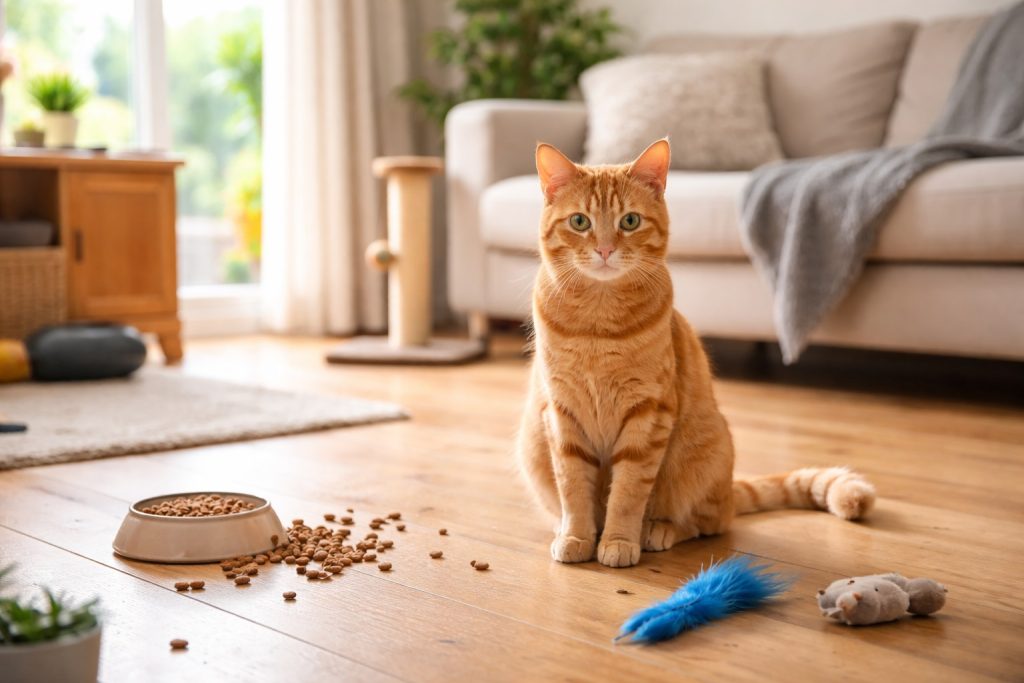
Adult cats can usually handle 24 hours alone if you prep properly. Food, water, and a clean litter box are non‑negotiables. Longer than that? You’ll want someone to check in.
How long can senior or sick cats be left alone?
Senior cats and those with medical conditions require much more supervision. Limit alone time to 4–6 hours if your cat requires regular medication or has mobility issues. Older cats often deal with kidney issues, meaning they need constant access to fresh water and frequent litter box trips.
If your cat suffers from a chronic illness, a sudden dip in health can turn fatal quickly. Would you feel comfortable leaving a vulnerable family member alone for an entire day? Probably not.
Maximum Limits and Risks
Pushing the limits of feline solitude invites several dangers into your home. You might think your cat is fine, but hidden risks lurk in the shadows of an empty house.
24‑Hour Check‑ins
Even healthy adult cats benefit from daily check‑ins. A quick visit ensures they’re eating, drinking, and not stuck in a closet (yes, it happens).
Safety Risks
Leaving a cat alone isn’t only about loneliness. Safety matters. Some dangers include:
- Knocking over water bowls
- Electronics chewing
- Fire hazards (candles, wires, stovetops)
- Accidental lock-ins (yes, they trap themselves in cupboards…)
- Indoor plants that might be toxic
One time my cat sat on my stove knob—thankfully it wasn’t turned on. Lesson learned: cats + appliances = chaos potential.
Emotional Impact
People often underestimate the emotional toll of isolation on cats. Many felines suffer from separation anxiety, leading to excessive vocalization or over-grooming. They might feel abandoned if their routine suddenly vanishes for days on end.
Have you noticed your cat becoming extra clingy the moment you walk through the door? That’s not just hunger; that’s relief. Long periods of isolation can lead to depression and behavioral issues that take weeks to resolve.
How to Care for Your Cat When They Are Left Alone
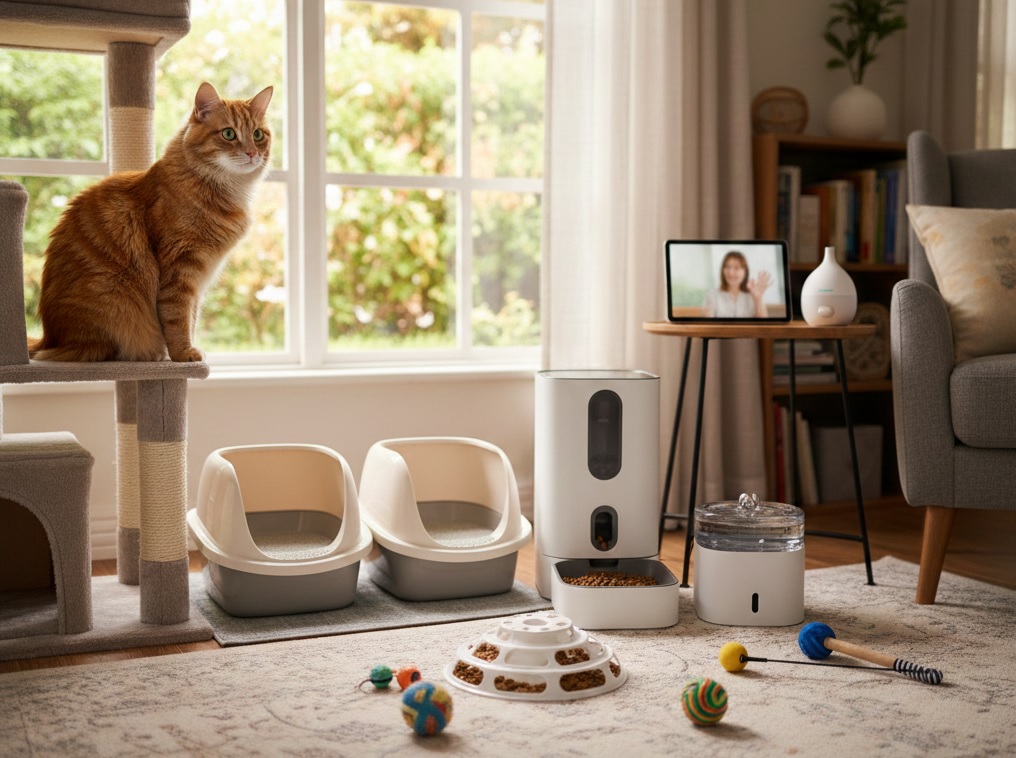
Preparation is the secret sauce to a successful solo stint for your cat. You want to transform your home into a feline paradise that keeps them safe and entertained.
Leave enough food and water
Automatic feeders and water fountains help maintain hydration and prevent overeating. I personally swear by dual-portion feeders—because one time Mochi ate tomorrow’s food “for safety.”
Clean the litter tray
Cats hate dirty bathrooms. Don’t make them use a litter box that smells like something died. Scoop before you leave.
Tidy away any hazards
Walk through your home like a detective looking for “cat traps.” Hide all loose strings, rubber bands, and plastic bags. Secure your window blind cords so your cat can’t get tangled in them.
I also suggest closing the doors to rooms that contain hazardous items, like the laundry room with its enticing (but dangerous) chemicals.
Leave them some toys
This prevents boredom, destruction, and vengeance. Choose toys like:
- Treat puzzle toys
- Soft mice
- Laser toys
- Cat towers
Keep rotating toys. Cats get bored faster than I lose motivation on Mondays.
Provide hiding places and perches
Cats feel most secure when they have options for elevation and concealment. Clear a spot on a window sill so they can watch “cat TV” (the birds outside). Make sure they have access to their favorite cardboard box or a cozy cat tree.
Vertical space allows them to survey their kingdom and feel in control of their environment. A confident cat is a much calmer cat when the house is empty.
Check exit/entry points
I once found my cat stuck in a wardrobe because I didn’t check the door latch. Lesson: Shut doors properly.
Create a calming environment
Background noise can mask the scary silence of an empty house. Leave a radio or TV on a low volume to provide familiar human sounds. Classical music or “cat-specific” playlists can actually lower a cat’s cortisol levels.
Some owners swear by pheromone diffusers, which release calming scents into the air. These small touches make the house feel lived-in rather than abandoned.
What to Consider Before Leaving a Cat Alone
Sometimes, your own preparation isn’t enough. You need to evaluate whether your cat needs professional reinforcements.
Hire a Cat Sitter
A sitter can provide food, play, and cuddles. IMO, it’s the safest option for trips longer than 24 hours.
Strategic Prep
Think about the timing of your departure and return. Spend some quality playtime with your cat right before you head out to tire them out. This usually leads to a long nap that covers the first few hours of your absence. Also, avoid making a big deal out of your departure.
Boarding
Cat boarding works when:
- Your cat doesn’t mind change
- They’re healthy
- You find a clean, licensed facility
Smooth operators provide live cameras. Watching my cat sleep on camera soothed my guilt more than therapy ever could.
How to Get Your Kitten Used to Being Alone
Start small. Leave them alone for short periods, then gradually increase. Provide toys and safe spaces. Reward calm behavior when you return. It’s like training them for independence—minus the teenage rebellion.
Ways to train:
- Start with short absences (5–10 mins)
- Slowly increase time
- Leave toys and treats
- Reward calm behavior
- Avoid dramatic exits (“Goodbye precious angel child—mother loves you!”)
Your energy transfers to them. Stay calm.
Do Cats Get Sad When You Leave?
Yes, some cats experience separation anxiety. Excessive meowing, destructive behavior, or clinginess upon return are indicators. Others? They nap like royalty and barely notice you’re gone. Cats are unpredictable—shocker, right?
But some cats love the space. Every cat has a personality. Ever met a cat who prefers the room temperature to be exactly 25° and hates being touched? Yeah… some just don’t care.
Do cats like to be alone?
The answer depends entirely on the individual cat. Some cats are true introverts who enjoy the peace and quiet of an empty house. Others are social butterflies who will follow you from room to room.
If you have a multi-cat household, they often keep each other company, making your absence easier. However, even the most “loner” cat eventually hits a limit where they miss the warmth and security of your presence. Don’t mistake their independence for a lack of affection!
Frequently Asked Questions
How long can I leave a cat alone while on vacation?
Never more than 24 hours without a check‑in. For longer vacations, hire a sitter or board them.
How long can you leave a cat alone with someone checking in?
With daily check‑ins, cats can manage several days safely.
Can I leave my cat alone for 2 days?
Risky without supervision. Always arrange a check‑in.
How long can you leave cats alone with food and water?
Food and water alone aren’t enough. Cats need interaction and litter cleaning.
Is it safe to leave a cat alone for 10 days?
Nope. That’s a recipe for disaster. Always arrange care.
Final Words
What is the maximum amount of time that a cat can be left alone? Not as long as you think, to put it succinctly. Despite their independence, cats depend on us for security, comfort, and company.
The golden rule is to never leave your cat unattended for longer than twenty-four hours without checking in. Prep properly, hire a sitter, or consider boarding for longer trips.
And hey, don’t forget—cats have long memories. Leave them too long, and they’ll remind you with shredded curtains or a cold shoulder. 😉