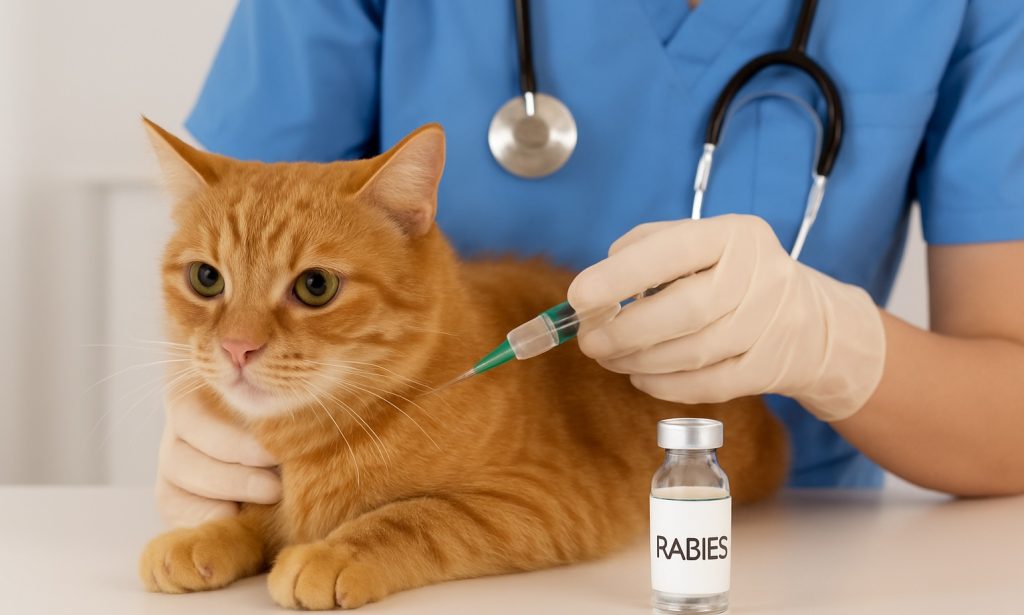
Ever wondered How Often Do Cats Need Rabies Vaccines? Vet-Approved Guide might just surprise you with its unexpected twists and turns? I’ve been there—staring at my vet’s invoice, scratching my head, and thinking, “Wait, again?” FYI, keeping your feline friend protected against rabies is non-negotiable, and I’m about to break down everything you need to know in a buddy-to-buddy chat. Let’s make this cat health talk as painless as a head scratch on a sunny afternoon. 🙂
Why Do Cats Need to Be Vaccinated?
Consider vaccinations as your cat’s own personal defence against harmful illnesses. Why treat Mr Whiskers any differently than you would your own boosters? Regular vaccinations, particularly those against rabies, protect the community and cats. Additionally, you’ll sleep better knowing that your house party won’t be interrupted by shady wildlife.
Understanding Rabies and Its Impact
What is Rabies?
Rabies is a viral infection that attacks the nervous system of mammals. Once symptoms appear, rabies is almost always fatal, so prevention is the only game in town. The virus travels from the bite site to the brain, causing confusion, aggression, and eventual paralysis. Trust me, you don’t want your cat to ever meet this foe.
How is it transmitted to cats?
Wildlife like raccoons, bats, and foxes often harbour rabies. A single bite or scratch can introduce the virus into your kitty’s bloodstream. Even indirect contact—think saliva on a surface—poses a risk. Bottom line: exposure happens faster than you’d guess.
Symptoms and Diagnosis
Early signs include fever, lethargy, and personality changes. You might notice your cat acting hyper-affectionate or, conversely, hiding in shadows. As the virus progresses, paralysis and seizures can occur. Veterinarians confirm rabies through lab tests on brain tissue—definitely not a DIY project.
Treatment
Here’s the harsh truth: once clinical signs show up, there’s no cure. Treatment focuses on supportive care and keeping your pet comfortable. Hospitals isolate suspected rabies cases to protect staff and other animals. Prevention through vaccination remains the only fail-safe plan.
Why Is the Rabies Vaccine Important for Cats?
Rabies Is Almost Always Fatal
I’ll say it once more: rabies is almost always fatal if untreated before symptoms. That’s why vets nationwide slam the gavel on mandatory vaccination laws. Skipping shots isn’t just risky—it’s irresponsible. IMO, that’s a gamble no pet parent should take.
Protecting Indoor Cats Matters
You might think indoor cats are exempt from danger. Think again—window screens don’t keep bats out, and your sneaky explorer might dart outside for a snack. A curious silhouette at the window could be dangerous. Just like their outdoor counterparts, indoor cats also require protection.
Types of Rabies Vaccines and Their Durations for Cats
Two primary rabies options are usually provided by veterinarians:
- One-year rabies vaccination: best suited for cats who spend a lot of time outdoors, this vaccination requires an annual booster.
- 3-Year Rabies Vaccine: Long-term protection; ideal for busy pet owners and low-risk indoor cats.
Verify local laws before making travel plans because some areas have legal requirements for particular vaccine types. Inactivated viruses are used in both vaccines to safely boost immunity.

How Often Do Cats Need a Rabies Vaccine?
Okay, let’s get to the brass tacks of the schedule. This is the part that dictates how often do cats need rabies shots. It’s a two-part process, split between the initial kitten series and the adult booster cycle.
Initial Rabies Vaccine for Kittens
Kittens usually get their first rabies shot at around 12–16 weeks of age. That timing balances maternal antibodies with optimal immune response. I still recall my kitten’s big-eyed stare—she clearly thought the vet’s office was an amusement park. Early vaccination sets your cat up for a lifetime of protection.
One-Year Rabies Booster
Exactly one year after that initial jab, your cat needs a booster. This one-year rabies booster cements their immune defences and meets legal requirements in most areas. Miss this window, and you risk gaps in protection. Trust me, rebooking an appointment is a lot easier than dealing with possible exposure.
Three-Year vs. Annual Rabies Vaccines
Still curious about one-year vs. three-year rabies vaccines? Here’s the lowdown:
- Three-Year Vaccine:
- Pros: Fewer clinic visits; longer coverage.
- Cons: Some vets reserve it for cats with low exposure.
- Annual Vaccine:
- Pros: More frequent health check-ups; no guesswork on eligibility.
- Cons: Slightly higher vet bills long-term.
Make your decision based on local laws, veterinary advice, and your cat’s lifestyle.
Rabies Vaccination Schedule for Cats
To keep things crystal clear, here’s a typical timeline:
- Initial shot at 12–16 weeks
- Booster at one year
- Every three years thereafter (if using a 3-year vaccine)
- Boosters for high-risk or legally required areas every year
You’ll ace your cat’s rabies vaccination plan if you follow this schedule.
Importance of Staying Up-to-Date on Vaccinations
Your cat is at risk if you skip or postpone rabies vaccinations. Also, FYI—many places legally require cats to stay current on rabies vaccines. So it’s not just about safety; it’s also about avoiding fines or quarantine situations if your cat has a run-in with wildlife.
Side Effects of Rabies Vaccines in Cats?
I know the worry. No one wants to see their little furry pal feeling under the weather after a vet visit. The good news is that most cats tolerate the rabies vaccine extremely well.
Common Mild Reactions
The most common side effects are actually pretty mild and temporary. If they happen, you’ll usually see them within a few hours to a few days after the shot.
These can include:
- Mild pain or swelling at the injection site (The famous cat “limp-and-sulk.”)
- Slight fever and a general feeling of being “off”
- Temporary loss of appetite and lethargy
If you notice these, don’t panic. They usually resolve on their own in 24 to 48 hours. Just let your cat rest and offer a little extra TLC.
Rare but Serious Reactions
While incredibly rare, some cats can have a more serious reaction. The risk of these serious reactions is what makes the transition to the non-adjuvanted, three-year vaccine so important.
Call your vet immediately if you see any of these signs:
- Persistent vomiting or diarrhea
- Facial swelling or hives
- Difficulty breathing (This is a true emergency!)
Lump at the injection site that grows or doesn’t go away within a month (This warrants an immediate re-check for a potential injection-site sarcoma, although the risk is much lower with newer vaccines).
What Happens If a Cat is Exposed to Rabies?
Vaccinated Cats
Vaccinated cats get a safety net: post-exposure boosters and observation. Your vet might advise a 45-day quarantine or additional shots. The good news? Your cat’s chances of survival remain excellent with prompt action.
Unvaccinated Cats
Unvaccinated kitties face grim options: strict quarantine for four to six months or euthanasia in some jurisdictions. No one wants that talk at the vet’s office. Prevention, folks—vaccination is what keeps hearts (and tails) intact.

Special Considerations for Rabies Vaccinations
Some cats require customised plans:
- Titer testing may be necessary for senior cats to assess their level of immunity.
- Pregnant cats: Before scheduling, veterinarians weigh the risks and benefits.
- Cats with compromised immune systems may require special procedures.
Always consult your veterinarian about special health conditions or lifestyle quirks.
What Vaccines Do Cats Need?
Core Vaccines
Your cat’s essential defence lineup:
- Rabies Vaccine: Legally required; protects against fatal disease.
- FVRCP Vaccine: Three-in-one for Feline Viral Rhinotracheitis, Calicivirus, and Panleukopenia.
- Feline Panleukopenia (FPV): Guards against a parvovirus-like illness.
- Feline Rhinotracheitis Virus/Herpesvirus 1 (FVR/FHV-1): Prevents respiratory and ocular issues.
- Feline Calicivirus (FCV): Stops mouth ulcers and pneumonia.
- FeLV Vaccine: Core for kittens; optional for adults based on lifestyle.
Non-Core Vaccines
Depending on risk factors, consider these extras:
- Feline Immunodeficiency Virus (FIV)
- Chlamydia felis
- Bordetella bronchiseptica
Your vet can guide decisions based on local disease prevalence.
Frequently Asked Questions
Do cats need rabies shots every year?
Most cats can switch to a three-year vaccine after their first yearly booster. Some local laws still demand annual updates, though. Always check with your vet and municipality to stay compliant.
1-year vs 3-year rabies vaccine for cats?
Three-year vaccinations, in my opinion, are more convenient and require fewer trips to the vet. However, yearly vaccinations provide regular health examinations that identify other problems early. Convenience and all-encompassing care should be balanced.
Do cats need rabies shots if they never go outside?
Yes, even indoor cats may unintentionally escape or be exposed to bats. All cats, regardless of lifestyle, are typically covered by vaccination laws. Avoid taking a chance on a loophole.
Can I give my cat a rabies shot at home?
Absolutely not. Rabies vaccinations can only be given by certified technicians or licensed veterinarians. Home injections risk improper dosing and potential legal issues. Trust the pros for this one.
How often do outdoor cats need rabies shots?
Outdoor adventurers typically stick to the same schedule: initial kitten vaccine, one-year booster, then every three years if eligible. Some vets recommend annual boosters for high-exposure environments. Discuss your cat’s roaming habits with your clinic.
Do indoor cats need rabies shots?
Indoor cats get full legal and medical protection from rabies vaccines, just like their outdoor pals. Tiny gaps in window screens or unsupervised bathroom breaks can lead to exposures. Better safe than sorry, right?
Final Words
Keeping up with How Often Do Cats Need Rabies Vaccines? Vet-Approved Guide is simpler than organising your sock drawer—promise. Stick to the recommended schedule, talk to your vet about special needs, and enjoy peace of mind knowing your cat stays protected. Ready to book that appointment? Your furry overlord will thank you—with purrs, not rabies.