So, you finally got yourself a dog, huh? Congrats! You’ve basically signed up for unconditional love, sloppy kisses, and the occasional chewed-up shoe. But here’s the thing: owning a dog isn’t just about cuddles and Instagram-worthy moments. It’s about responsibility. And if you’re wondering “How to Care for Your Dog?” step by step, you’re in the right place.
I’ve raised dogs for years, from hyperactive puppies to grumpy seniors, and trust me, I’ve made every mistake in the book (like leaving chocolate on the coffee table… rookie move). This guide is here to save you from those mistakes and help you build a happy, healthy life with your furry friend. Ready? Let’s break it down.
The Fundamentals of Dog Care
Think of this section as your dog-parent starter kit. Every pup—big, small, fluffy, short-haired, chill, hyper—needs a few universal essentials: safety, food, cleanliness, health care, and mental engagement.
If you nail these fundamentals, you’re already giving your dog a great life. Ever wonder why those basics matter so much? Because dogs thrive on routine, comfort, and care—just like you, except they also eat socks sometimes.
Establish a Secure and Cozy Environment
You know that feeling when you get home after a long day and collapse into your “comfort spot”? Your dog wants that too. Setting up a cozy and secure environment helps them feel grounded and less anxious—especially important for new or rescue dogs.
Establish a “Safe Room”
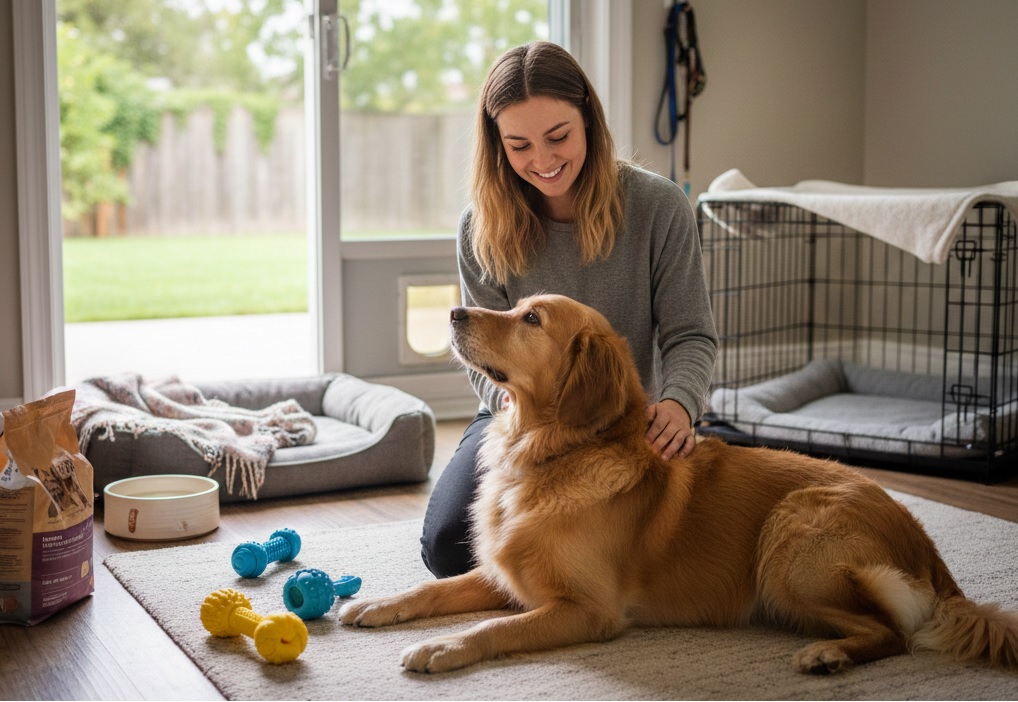
When you first bring your dog home, giving them the run of the entire house overwhelms them. Designate a specific area or room where they can decompress. For my dog, we used the laundry room with a baby gate. It allowed him to see us without being in the middle of the action.
This space serves as their headquarters. Keep their bed, water, and a few toys here. It prevents accidents on your expensive rugs while they learn the house rules.
Offer Resting & Hiding Spots
Dogs enjoy cozy, enclosed areas. Ever wonder why your pup squeezes under the bed or table sometimes? It feels safe. Provide:
- Soft beds
- Blankets
- Crate covers
- Hideouts for nervous dogs
Your dog may rotate between these like a tiny fuzzy royalty deciding which throne feels right today.
Dog-Proof Your Home
Get down on your hands and knees. seriously. Look at your house from a dog’s perspective. See that electrical cord? That looks like a chew toy. That open trash can? That’s a buffet.
Secure loose wires, lock up cleaning chemicals, and put your favorite shoes in the closet. My dog once ate a TV remote because I left it on the coffee table. Learn from my mistakes: prevention is cheaper than surgery.
Provide Proper Nutrition and Water
You know that saying, “You are what you eat”? Yeah, that applies to dogs too—minus the pizza cravings.
Choose High-Quality Food
Good nutrition forms the backbone of good dog care. Look for:
- Real meat as the first ingredient
- Limited fillers
- Adequate protein
- Age-appropriate formulas
Ever tried switching food randomly? Your dog’s digestive system will file a complaint. Choose wisely and stick to it.
Offer a Mix of Wet and Dry Food
Mixing wet and dry food keeps meals interesting. While dry food promotes dental health, wet food increases hydration. The key is balance.
Ensure Constant Fresh Water
Hydration is non-negotiable. Wash the water bowl daily. Have you ever felt the slime that builds up on the bottom of a dog bowl? That’s bacteria. Gross, right? Scrub it out and fill it with cool, fresh water. Keep multiple bowls around the house if you have the space.
Maintain Grooming and Hygiene
Unless you want your house to smell like a wet sock, you need to stay on top of grooming. It also lets you check for bumps or scrapes.
Brush regularly & trim nails
Brush weekly for short-haired dogs, daily for long-haired breeds. Trim nails every 3–4 weeks. Long nails cause pain and posture issues.
Clean the litter box daily
Okay, dogs don’t use litter boxes (cats do), but if you’re using pee pads or indoor potty systems, clean them daily. Hygiene matters.
Bathe infrequently
Bathe only when necessary. Over-bathing strips natural oils. Use dog shampoo, not your fancy lavender body wash. 🙂
Prioritize Health Care
Your dog can’t tell you when their tummy hurts. You have to play detective.
Schedule regular vet visits
Annual checkups are mandatory. Your vet catches things you miss. Build a relationship with a vet you trust. I love my vet because she gives my dog peanut butter during shots; he barely notices the needle!
Use parasite control
Fleas, ticks, and heartworms are nasty. Keep your dog on year-round preventatives. Treating a heartworm infection costs thousands of dollars and is brutal on the dog. A monthly pill is a small price to pay for protection.
Spay or neuter
Spaying/neutering reduces health risks and unwanted behaviors. Plus, it prevents surprise puppies (unless you’re running a kennel).
Monitor health
Watch for changes in appetite, energy, or bathroom habits. Dogs can’t say “I feel sick,” so you need to notice.
Provide Play and Mental Stimulation
A bored dog becomes a destructive dog. Ever seen a bored dog eat half your sofa? Yeah… not fun.
Schedule Playtime
Dedicate time every day to active play. Fetch, tug-of-war, or just running around the backyard burns off that crazy energy. It also bonds you two together. Who doesn’t love seeing a dog smile while chasing a ball?
Provide Posts That Are Scratching
Dogs don’t scratch posts like cats, but they chew. Offer chew toys, bones, or puzzle feeders. Chewing keeps teeth clean and minds busy.
Allow for Exploration
Walks offer stimulation, sniffing adventures, and exercise. Dogs don’t just “go for a walk”—they explore the world. Let them sniff. Let them lead sometimes.
Ever wonder why they sniff the same bush every day? Because dog gossip lives there.
Dog Care: Do’s & Don’ts
Do
- Feed balanced meals
- Train with positive reinforcement
- Provide daily exercise
- Keep vaccinations up to date
Don’t
- Use harsh punishment
- Overfeed treats
- Ignore sudden health changes
- Leave dogs alone for long hours
General Dog Care
Let’s cover a few specific areas to round out your knowledge base.
Make sure your Dog always has a place to potty
Whether it is a doggy door to the yard or a designated spot on a walk, your dog needs access. Holding it in causes UTIs and anxiety. Establish a signal, like bells on the door, so they can tell you when they need to go.
Keep the ‘potty area’ clean
I can’t stress this enough. Sanitation prevents disease. If you have a small dog using an indoor patch, clean it daily. If you use the yard, scoop the poop. Flies love waste, and you don’t want flies in your house.
Chewing (The Dog Version of Scratching)
Dogs explore the world with their mouths. Puppies especially need teething toys. If you catch them chewing a table leg, swap it for a toy and praise them. Ever wondered why this works so well? It teaches them what is “legal” to chew.
Housing
If your dog sleeps outside (which I don’t recommend for most breeds), ensure the shelter is insulated, dry, and elevated. However, dogs are pack animals. They want to be inside with you. Make space for them in your living area.
Health
Check their ears and teeth weekly. distinct smells from the ears indicate infection. Bad breath might mean dental disease. Brushing a dog’s teeth is a wrestling match, but it saves their kidneys and heart later in life.
Medical care
Follow veterinary instructions. Administer medications correctly. Don’t Google random home remedies—you’ll end up stressed and your dog won’t get better.
Hygiene
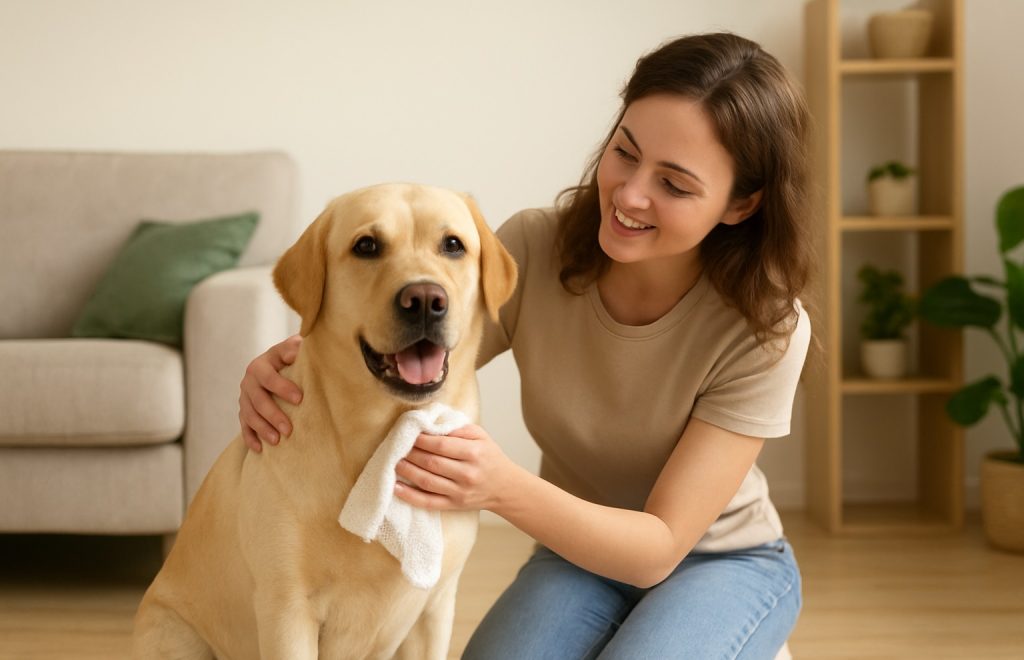
Wipe their paws after walks, especially in winter when there is salt on the roads. Salt burns their pads. A quick wipe keeps your floors clean and their paws healthy.
Vaccinations
Follow the core vaccination schedule. Rabies, Parvo, and Distemper are non-negotiable. Ask your vet about non-core vaccines like Bordetella (Kennel Cough) if you plan to board your dog or go to dog parks.
Use a Dog carrier in the car
Loose dogs in cars are dangerous projectiles in an accident. Secure your dog. Use a crash-tested harness or a crate. Plus, it stops them from climbing into your lap while you are driving on the highway. 🙂
Dog Care Tips for First-Time Owners / Beginners
Let’s get to the tips I wish someone had tattooed on my forehead when I first got a dog.
Dogs Are Not Easily Adaptive to Change
Move slowly with new routines. Introduce changes gradually. Ever switch your dog’s food too fast? Yeah, you’ll regret it. :/
Find a Vet You Can Visit for Your Dog’s Timely Checkups
Don’t wait until an emergency to find a vet. Look for reviews, ask neighbors, and visit the clinic beforehand. You want a vet who listens to you and treats your dog with kindness.
Dogs Love Quality Playtime as Well
Play strengthens your bond. It relieves stress. And most importantly, it keeps your dog out of trouble.
Your dog doesn’t want just toys—they want you.
Frequently Asked Questions
How to take care of a Dog step by step for beginners?
Start with safety, food, vet visits, grooming, and play. Build routines and stick to them.
How often should I feed my Dog?
Puppies: 3–4 times daily. Adults: 1–2 times depending on size and activity.
Can I bathe my Dog?
Yes, but only when dirty. Over-bathing causes skin issues.
What’s the best litter type?
For indoor potty systems, use absorbent pads or dog-specific litter.
How can I tell if my feline is ill?
Oops, wrong pet! However, contact the veterinarian if your dog stops eating, throws up, or appears lethargic.
Final Words
Taking care of a dog involves both happiness and responsibility. You’ll laugh at their goofy antics, cry when they’re sick, and celebrate every wagging tail. Remember the basics: safe environment, proper nutrition, grooming, healthcare, and play.
Dogs don’t ask for much — just love, consistency, and maybe a bite of your sandwich (don’t give them chocolate, though). If you follow this step-by-step guide, you’ll master How to Care for Your Dog? and enjoy the best friendship you’ll ever have.
So, are you ready to give your pup the life they deserve? Or should we talk about training hacks next?