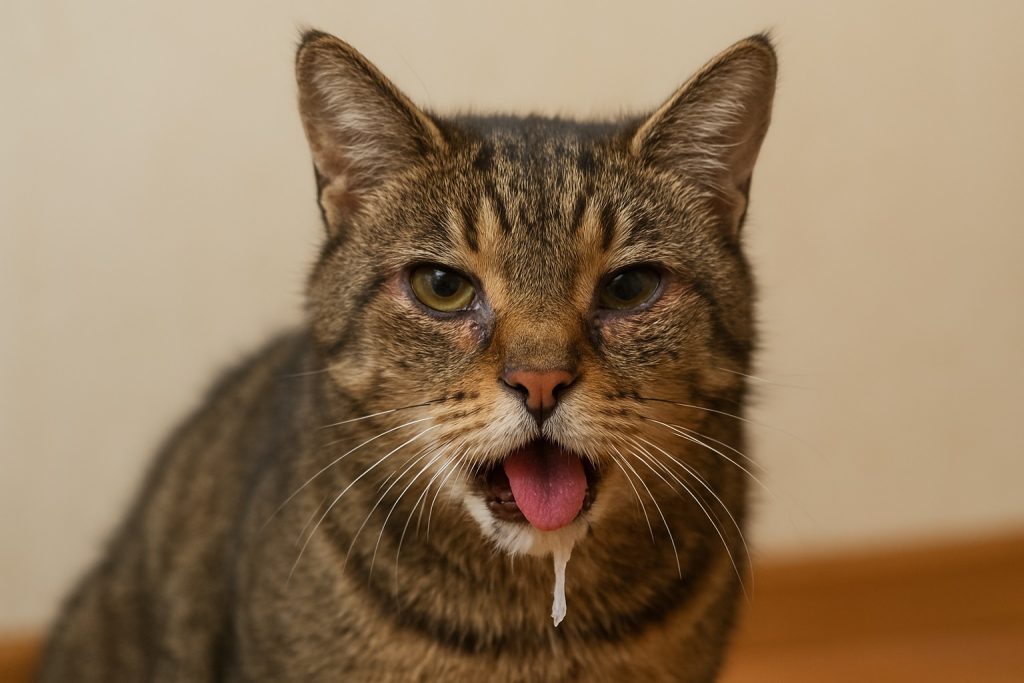
So, you’re staring at your cat and wondering: “Wait… could my fluffy little monster actually have rabies?” First off, don’t panic. Most cats don’t have rabies, but knowing how to tell if a cat has rabies is super important. Rabies is no joke—it’s fatal once symptoms show, and it’s contagious to humans and other pets.
I’ve had cats my whole life, and trust me, I’ve asked myself this question more than once. One time, my neighbour’s stray cat started acting like it was auditioning for a zombie movie—drooling, staggering, and hissing at shadows. Spoiler alert: it wasn’t rabies, but it scared the heck out of everyone. That’s why I’m writing this: to help you spot the warning signs of rabies in cats without losing your cool.
Ready? Together, let’s break it down—no dull textbook vibes, just friendly conversation.
What is the Rabies Virus?
It sounds like one of those outdated illnesses from old textbooks, doesn’t it? But nope—it still exists, and it still causes problems. The rabies virus attacks the central nervous system, which basically means it messes with the brain and spinal cord until things go completely off the rails.
Cats don’t get it often (thankfully), but when they do, the virus hits hard and fast. Because of how serious this disease is, spotting the signs early matters more than you might think.
Why Rabies Happens in Cats
Why do cats even get this awful thing? Simple: they’re hunters. They’re curious. They stick their noses (and sometimes their claws) where they don’t belong, which often means interacting with wildlife. Cats are inherently at risk because they frequently encounter the animals that carry the virus.
How is Rabies Transmitted to Cats?
It is not necessary for cats to come into direct contact with a rabid animal in order for them to foam dramatically, as in an old movie. Usually, bites from infected animals (dogs, bats, raccoons, foxes, etc.) are the cause of transmission.
- Contact between open wounds and scratches or saliva
- Seldom, via mucous membranes (mouth or eyes)
The virus is more frequently carried by wild animals like foxes, raccoons, bats, and feral cats. Therefore, things can become dangerous if your cat likes going on outdoor adventures.
Is Rabies a Common Disease for Cats?
Not really—thanks to vaccines. But unvaccinated cats, especially strays or outdoor explorers, are at risk. IMO, if your cat roams outside, rabies prevention should be at the top of your list.
Symptoms of Rabies in Cats
Here’s where things get real. Rabies symptoms appear in stages, but the tricky part is that the early signs can look like regular cat weirdness. (Because honestly, how do you tell the difference between “acting strange” and “acting like a normal cat”?)
Behavioral Changes
One of the first warning signs appears in behaviour. Cats with early-stage rabies might:
- Hide more often
- Act unusually restless
- Show sudden fearfulness, even towards familiar people
- Become overly affectionate, then suddenly withdraw
Ever met a cat that treats you like their soulmate one minute and like a suspicious stranger the next? That erratic energy can be intensified by rabies.
Aggression
A normally sweet cat might suddenly act like it’s been possessed by a tiny, angry demon. A rabid cat can:
- Unprovoked attacks: They might suddenly lash out at you, other pets, or even inanimate objects.
- Increased irritability: Touching them might trigger an immediate, violent reaction. They’re sensitive, like a grumpy teenager suddenly told to clean their room.
- A tendency to roam: Rabid cats often lose their fear of humans and other animals, leading them to wander and fight.
This aggression happens because the virus affects areas of the brain responsible for fear, control, and emotion. Basically, the brain panics, and the cat lashes out.
Neurological signs:
As the virus reaches the brain, the neurological symptoms become impossible to ignore. This is where things get really bad.
Lack of coordination or balance (staggering gait)
Cats pride themselves on grace, but rabies strips that away fast. You might see stumbling, swaying, or difficulty walking straight.
Disorientation
Your cat won’t recognize familiar people or surroundings and might just stare blankly into space.
Seizures
Uncontrolled electrical activity in the brain leads to involuntary muscle spasms.

Hypersensitivity to light, sound, or touch
A gentle touch might feel like a threat to them. Loud sounds? Instant panic.
Paralysis, which worsens over time and can affect the jaw, throat, or limbs
This often starts in the jaw or throat, making swallowing difficult. Eventually, it spreads to the limbs.
Physical symptoms:
Paralysis worsens over time, often starting with the hind legs and spreading. The virus might also paralyze the jaw or throat, making swallowing difficult.
Difficulty swallowing, leading to excessive drooling or “foaming at the mouth”
They can’t swallow their own saliva. That foaming at the mouth isn’t them generating bubbles; it’s just the inability to gulp down liquid.
Loss of appetite
Cats skip meals for dramatic reasons sometimes, but rabies causes a genuine inability or disinterest in eating.
Fever
An elevated body temperature is a common response to the infection.
Changes in their usual meow or vocalisations due to larynx spasms
That well-known meow or purr could sound strained, hoarse, or completely different. Their voice box seems to be struggling with itself.
Self-mutilation at the original bite site
Your cat might furiously lick or chew the spot where they were originally bitten, even if the wound healed long ago.
Spotting Mild Cases
Some rabid cats don’t immediately show the dramatic symptoms you expect. Mild cases still show:
- Unusual shyness or withdrawal
- Reduced appetite
- Restlessness
- A sudden dislike of being touched
These early indicators frequently appear innocuous. However, these small changes are important when you ask yourself, “How can I tell if a cat has rabies?”.
Identifying Serious Situations
Advanced rabies symptoms manifest quickly and violently:
- Severe aggression
- Paralysis shifting across the body
- Extreme disorientation
- Constant vocalizing
- Heavy drooling
- Inability to swallow water
The illness becomes very dangerous for the cat and those nearby once it reaches this stage.
What to Do If You Suspect Rabies
Here’s where things require serious caution. Rabies is fatal, and it risk to human health too. So your next steps matter more than you think.
Do Not Handle the Cat with Bare Hands
Even loving cats scratch or bite when stressed. If they have rabies, any saliva contact becomes a serious risk.
The animal should be isolated right away
If the cat is already inside, place them in a safe space (such as a laundry room or bathroom) that is inaccessible to anyone, especially kids or other animals. Shut the door firmly.
Contact Your Veterinarian and Local Animal Control/Health Department Immediately
Rabies requires legal reporting. Veterinary professionals know how to handle suspected cases safely.
Be Prepared for Difficult Decisions
This part hurts, but rabies is not curable once symptoms appear. Your vet might recommend humane decisions to protect both the cat and public safety. It isn’t easy, but it matters.

Helping Your Pet Before the Vet Visit
Until the professionals arrive, your main job is containment and safety.
Avoid Additional Exposure
Make sure the isolation is airtight. Check the room for small openings or vents where the cat could escape or where another pet could stick a curious nose.
Limit Handling
Do not attempt to comfort, soothe, or medicate the cat. The risk of being bitten is too great, especially because the cat is disoriented and potentially aggressive. You are loving your pet by staying safe and limiting their stress by avoiding contact.
Is There a Cure for Rabies in Cats?
Unfortunately, no. Once symptoms appear, rabies becomes fatal. This is why prevention matters way more than treatment.
Treatment for rabies in cats
There is no treatment in the traditional sense, only supportive care while awaiting confirmation, which is sadly followed by euthanasia.
If an unvaccinated cat is exposed to a confirmed rabid animal but shows no symptoms, a veterinarian will recommend a state-mandated strict isolation or quarantine period, usually lasting several months, to monitor for any sign of disease. They won’t treat the cat, but they’ll manage the risk.
Preventing Future Rabies in Cats
Good news? Prevention actually works.
Maintain Vaccinations
This is the number one, non-negotiable step. All cats, even indoor-only cats, need the Rabies vaccine. What if a bat gets in the house? What if your cat sneaks out? Annual or triennial booster shots keep your cat safe and keep you in compliance with the law. Seriously, get the jab.
Reduce Potential Wildlife Contact
Keep your cat indoors more often. Outdoor adventures might seem fun, but contact with wild animals increases the risk significantly.
Recovery and Management of Rabies in Cats
Sadly, recovery isn’t possible once symptoms appear. Management focuses on public safety and preventing further spread.
This is why you must take early concerns seriously. Ever wondered why vets emphasize vaccination so much? Now you know.
Is rabies in cats contagious for humans or other pets?
Absolutely, yes! Rabies is a zoonotic disease, remember? It’s transmitted via saliva, usually through a bite. That’s why the first instruction under suspicion is: Do not touch the cat! If your cat or another pet has been bitten by a suspected rabid animal, you need to call your vet and get a human post-exposure prophylaxis (PEP) consultation immediately, even before symptoms show. Better safe than sorry, right?
Frequently Asked Questions (FAQ)
When Should I Rush My Cat to an Emergency Facility?
If your cat shows aggression, drooling, or neurological issues, don’t wait.
Could My Cat Have Rabies If Vaccinated?
Vaccination makes rabies extremely unlikely, but no vaccine is 100%.
How Do I Handle My Cat Safely if It’s Acting Aggressive?
Use gloves, avoid direct contact, and call professionals.
How to know if a cat has rabies after biting?
If a cat bites, monitor symptoms and seek medical advice immediately.
What are the first signs of rabies in a cat?
Behavioural changes—fear, aggression, or confusion.
What are the signs of rabies in a cat’s eyes?
Dilated pupils, glassy stare, or hypersensitivity to light.
How do cats get rabies?
Through contact with infected animals’ saliva or bites.
How to tell if a stray cat has rabies?
Look for aggression, drooling, staggering, or unusual behaviour.
Final Words
So how can one determine whether a cat has rabies? Keep an eye out for abrupt behavioural shifts, hostility, neurological problems, and physical symptoms like paralysis or drooling. The best defence against rabies, which is uncommon but deadly, is vaccination.
I know this topic is heavy, but hey, better safe than sorry. Next time your cat acts weird, don’t jump straight to “rabies panic mode.” Sometimes it’s just a hairball or a bad mood. But if the signs match what we’ve talked about, call your vet ASAP.
And remember: love your cats, vaccinate them, and keep them safe. Because honestly, life’s way better with a healthy, purring furball on your lap than with a rabies scare. 🙂