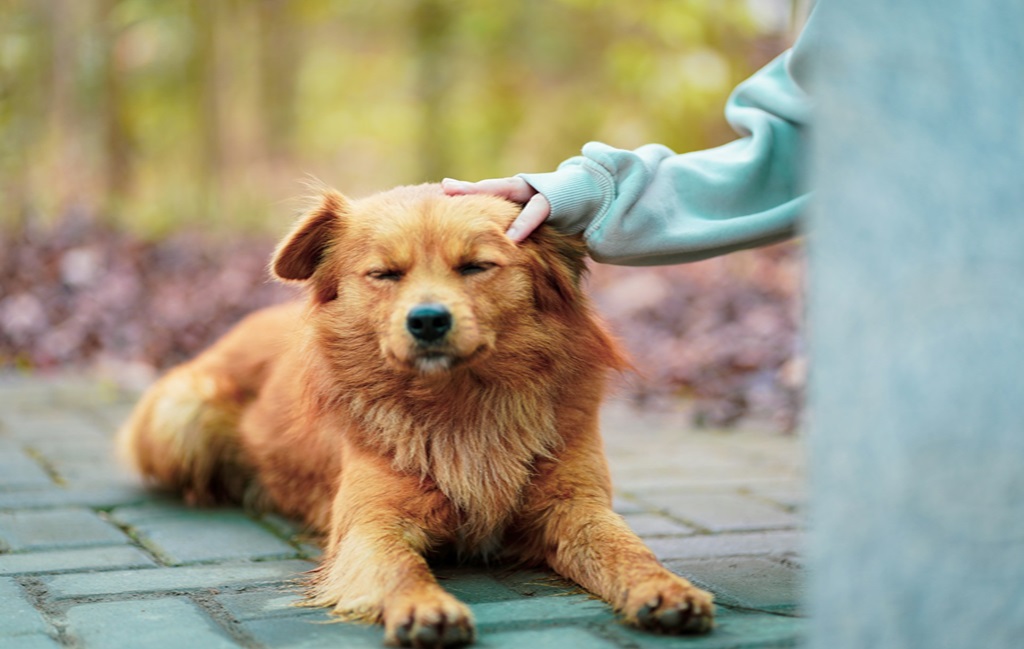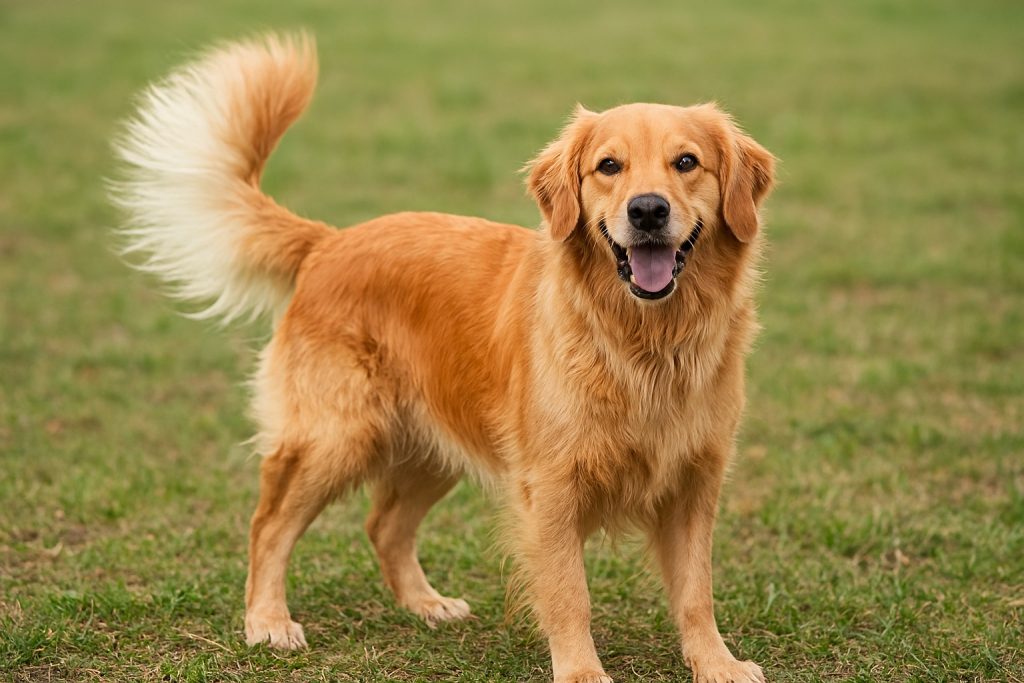
You know that moment when you walk through the door, and your dog greets you with a tail wag so intense it looks like he’s trying to power a wind turbine? Ever wondered, “Why do dogs wag their tails?” Sure, we all assume it’s happiness, but the truth is way more layered. Dogs wag their tails for joy, fear, curiosity, affection, and even while dreaming. Their tails are basically their secret language—and once you learn to decode it, you’ll feel like you’ve unlocked a cheat code for dog communication.
I’ve lived with dogs for years, and IMO, decoding tail language feels like learning Morse code but with fluff. Once you get it, you’ll never misinterpret your pup’s emotions again. So grab a coffee (or a treat for your dog), because we’re about to dive into the fascinating world of tail talk—with humor, anecdotes, and plenty of practical insights.
Why Do Dogs Have Tails?
Dogs didn’t get tails just so humans could obsess over cute wagging moments. Their tails evolved for several functional reasons that help them survive, communicate, and occasionally knock glasses off coffee tables.
Tails serve as a built-in tool dogs rely on even when they don’t think about it. Ever wonder why your dog swishes their tail without any emotional reason? There’s more underneath that furry antenna than you might expect.
What Are Dog Tails Used For?
A dog’s tail serves many purposes beyond just expressing emotions. They can physically and socially navigate the world with the aid of this all-in-one toolkit. We hardly give it credit for the heavy lifting it truly performs; it’s like the Swiss Army knife of their body.
Maintaining Balance
In the same way that tightrope walkers use poles, dogs use their tails. When they run, jump, or make abrupt turns, their tail aids in shifting their weight. I once watched my dog chase a squirrel at full speed, slip on wet grass, and somehow recover mid-air. The tail did that. Well, the tail and the squirrel’s poor life choices.
Providing Sensory Feedback
The base of the tail is packed with nerves and muscles, making it highly sensitive. It aids dogs in perceiving their surroundings. Although it is not their primary sense, it helps them understand where they are and how they move in space, which adds to their incredible agility. It’s one more layer of data they process as they bound around the dog park like a furry maniac.
Non-Emotional Movement
Sometimes, a tail movement is purely functional and has zero to do with feelings. Dogs use their tail to swat away annoying bugs or flies, especially when resting. Don’t read too much into that tiny twitch when they’re chilling out; they’re just saying, “Bug off, literally.”
Dreaming
Ever seen a sleeping dog twitch its tail like it’s chasing dream rabbits? Tail movement during sleep often reflects dream activity.
I like to imagine my dog competing in dream Olympics, but who knows?
Warmth
Dogs, especially those with thick or curled tails, use them like blankets. Huskies famously curl their tails over their noses to stay warm.
It’s basically the canine version of pulling a comforter over your face.
Why It’s Important to Decode a Dog Tail’s Meaning
Understanding tail language is like unlocking a secret code. It helps you:
- Respond correctly to your dog’s emotions.
- Prevent misunderstandings (like mistaking fear for joy).
- Strengthen your bond with your furry friend.
Wouldn’t you want to know if your dog’s wag means “I’m thrilled” or “I’m terrified”?
Dog Tail Communication
Yes, I know “communication” isn’t spelled like that, but humor me. Dogs use their tails like chat bubbles—and each position posts a different emotional status update.
Tail held high with a curve
This is your dog’s confident, “I’m the boss” walk. A high tail usually indicates alertness, curiosity, or high confidence. They’re surveying their domain, feeling good about themselves. If the tip has a little curve over the back (like a Beagle or Pug), that’s just breed-specific, but the height is the key.
Tail straight up with a quiver
This usually means intense focus or excitement—sometimes even tension. Your dog might be sizing up a stranger, anticipating a game, or preparing for a questionable decision. Kind of like when you hover over the “Add to Cart” button at 2AM.
Tail gently swishing from side to side
Ah, the classic. This is the relaxed, happy, “Hey, what’s up?” signal. The gentle, broad sweep is usually a sign of contentment and friendliness. They are approachable, calm, and enjoying the moment. This is the wag we all crave, the true hallmark of a dog at ease.
Tail low and thrashing rapidly
Hold up. This might look like a huge, friendly wag, but when the tail is low and moving like a frantic metronome, it can signal anxiety, submissiveness, or concern. They’re trying to appease you or another dog. They are saying, “I mean no harm, please don’t hurt me.” Pay attention to the speed and the height.
Puffed-up tail (like a bottle brush)
This is a huge warning sign, FYI. When the hair on a dog’s tail (and often their back) stands up, it’s called piloerection, and it means they are highly agitated, scared, or feeling aggressive. They are trying to look bigger and more intimidating. This is usually a precursor to a strong reaction, so tread carefully.
Tail wrapped around itself or tucked low
A tail tucked tightly between the legs is a clear sign of fear, anxiety, or high stress. Your dog is actively trying to make themselves look smaller and less noticeable. They feel vulnerable and want to disappear. Never force an interaction with a dog displaying this.
Tail wrapped around you
This is a personal favorite! If your dog walks up and gently wraps their tail around your leg, they are expressing affection and inclusion. It’s an intimate, “You’re my person” gesture. It’s basically the dog version of a warm hug.
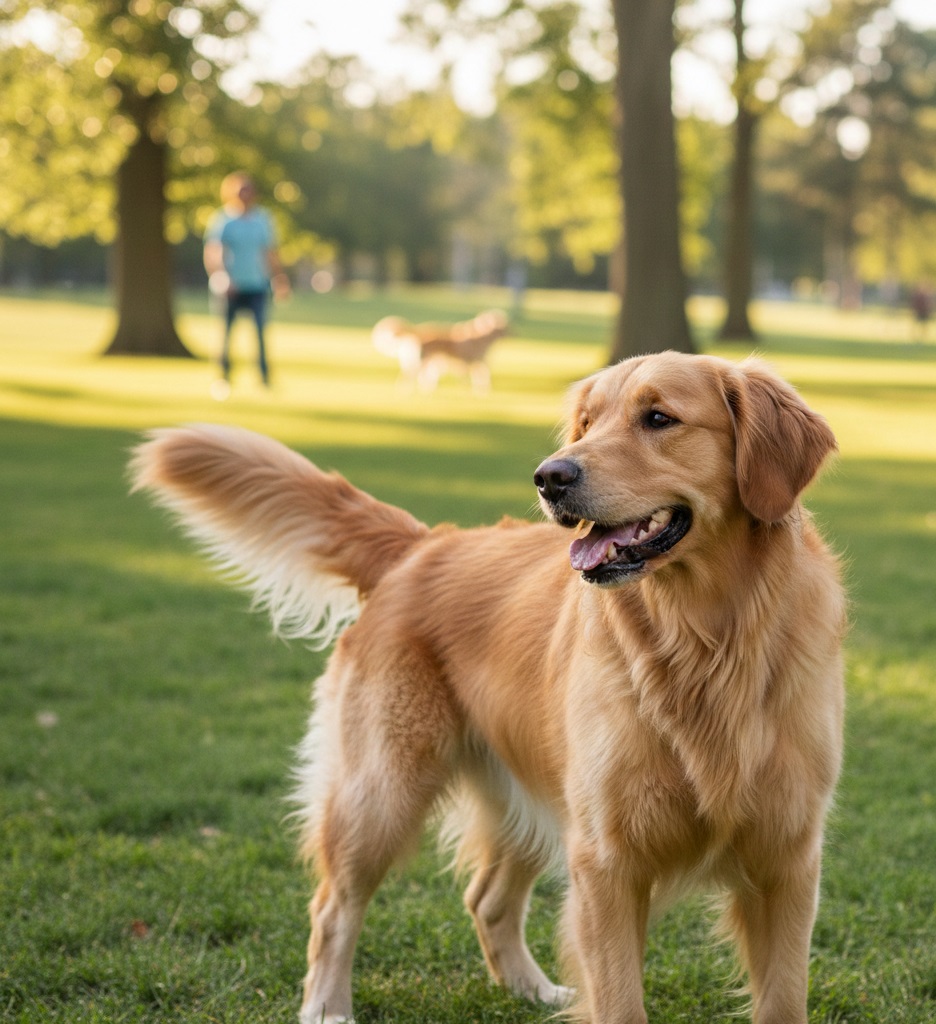
Why Do Dogs Wag Their Tails? Is There a Language?
Short answer: YES. Long answer: Dogs don’t wag randomly. They wag with intention. Tail language may not be as complicated as human sarcasm (thankfully), but it definitely exists.
Thrashing Tail Movements
A vigorous, wide wag often signals excitement, enthusiasm, or eagerness. This is the “OMG YOU’RE HOME!!!” wag—especially when paired with spinning in circles.
Twitching the Tail’s End
Irritation or mild agitation are frequently indicated by a brief, subtle twitch at the tip of the tail. “You’re testing me… don’t,” your dog might be telling you.
Swishing Tails
A slow, deliberate side-to-side swish frequently conveys doubt or reflection. It’s essentially your dog’s “Hmmmm…” moment.
Tail Quivers
A quivering tail can signal intense excitement or strong emotions. My dog quivers when he sees treats he’s not supposed to have—classic relatable behavior.
Why Do Dogs Wrap Their Tails Around You?
We briefly touched on this, but it’s worth a deeper look because it’s so touching. When your dog uses their tail to loop around your leg or arm, it’s not accidental. It’s an obvious, intentional act of ownership and bonding.
Consider it a claim to you. They are:
- Expressing Affection: They feel secure in your company and truly love you.
- Marking Territory (Sort Of): They are associating themselves with you in a non-aggressive manner. You are a member of their small pack.
- Seeking Comfort: They are strengthening their relationship with a reliable person by touching them.
It’s the greatest feeling, and I adore it when Buster does this! It’s essentially a “Don’t ever leave me” message conveyed nonverbally
Why Do Dogs Move Their Tails While Sleeping?
Tail movements during sleep reflect dreams. Dogs replay daily adventures in dreamland, so wagging could mean they’re chasing balls or squirrels in their sleep.
If your dog dreamed about you, congratulations—you’re the main character in someone’s subconscious.
Do Dogs Control Their Tails?
This is a fantastic question, and the answer is a little complicated. Yes, they absolutely control their tails, but not every single movement is a conscious, intentional signal. It’s a mix of voluntary action and involuntary reflexes.
Anatomy of the Dog Tail
The tail, or caudal region, consists of vertebrae (from 5 to 23 bones, depending on the breed), surrounded by powerful muscles, tendons, and nerves. These muscles allow for a huge range of motion, from a gentle swish to a powerful thrust.
Voluntary Movement
When your dog sees you walk in the door, and they start that crazy butt-wiggle dance? That is 100% voluntary. They consciously choose to wag their tail to communicate excitement, submission, or curiosity. They are skilled at what they do.
Unintentional Motion
Not every tail movement is intentional. The tail may move on its own during sleep, reflex moments, or unexpected events. It’s similar to jumping when your phone buzzes even though you didn’t anticipate it.
Frequently Asked Questions
When I pet my dog, why does he wag his tail?
Your dog wags his tail because he enjoys the interaction and feels connected. Petting boosts positive emotional responses—tail included.
Why do dogs move their tails when sitting?
Dogs wag while sitting because emotions don’t care about posture. If they feel joy, curiosity, or excitement, the tail joins in—even when the rest of the body stays put.
When dogs play, why do their tails swell up?
When playing, a puffed tail typically conveys both excitement and alertness. Instinctive behaviors, such as “looking bigger,” can be triggered by play.
When I speak to my dog, why does he wag his tail?
Emotional recognition is triggered by your voice. Talking to a dog can instantly make them wag their tails because they are more aware of tone than words.
Do dogs move their tails on purpose?
Yes—most tail movement is intentional communication. The only exceptions involve reflexes or dream-driven twitches.
Final Words
What makes dogs wag their tails, then? since it’s their best means of communication. Tails tell tales we frequently ignore, ranging from happiness to terror. Pay attention the next time your dog wags his tail; you might be able to decipher a secret message. Laugh it off if that wag ever topples your coffee mug. It’s a component of their love language, after all.