Okay, let’s be real—seeing your dog vomit white foam is not on your list of “fun things to witness.” It’s weird, it’s gross, and it’s kinda scary. I’ve been there, staring at my pup like, “Buddy, are you okay or are we heading to the vet in 3…2…1?” 😬
Take a break if you’re currently searching Google for “why is my dog vomiting white foam?” This article has your back and you’re not alone. We’ll explain the meaning of that foamy mess, when to be concerned, and how to help your pet recover.
What Is the White Foam That Dogs Throw Up?
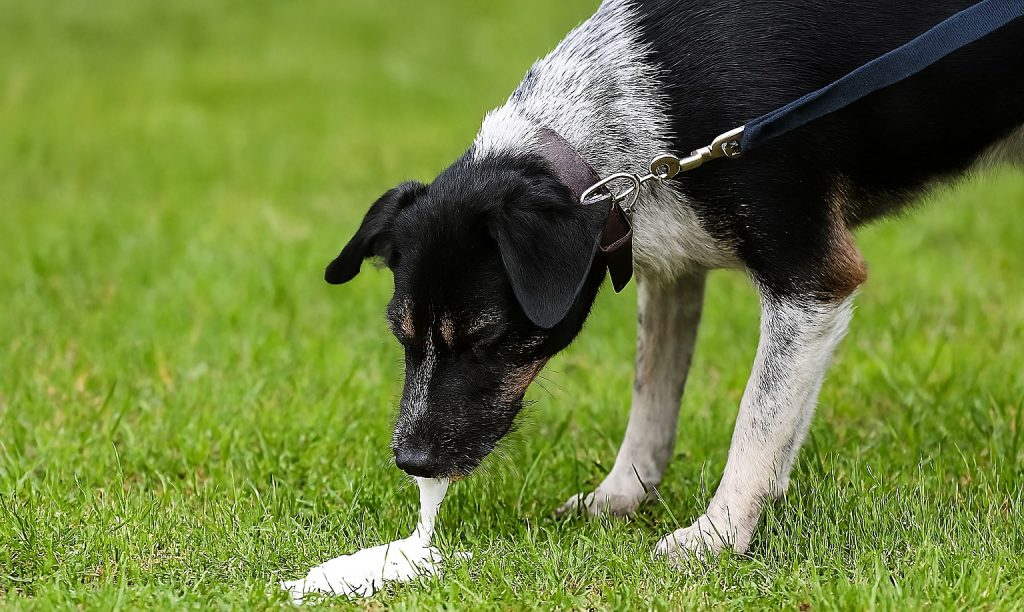
Here’s the basic version: the white foam is typically just a mixture of stomach and saliva. Your dog’s vomit is frothy and bubbly when they have little food in their stomach. Consider it similar to shaking a bottle of soda, but much less enjoyable when it’s on your rug.
But don’t brush it off just yet. While it can be harmless, white foam vomiting can also signal deeper issues. The real trick is knowing when it’s just an upset tummy and when it’s something serious.
Why does a dog vomit white foam multiple times?
So, your dog just threw up a big ol’ pile of white foam. You clean it up, offer them some water, and then, a few hours later, it happens again. And maybe a third time. Ugh. Why would a dog vomit white foam multiple times? Since a single episode is frequently less worrisome than recurrent ones, this is an important question.
Persistent vomiting indicates a more serious issue. Perhaps the underlying problem isn’t going away on its own, whether it’s a tummy bug, an obstruction, or something else entirely. Frequent vomiting and retching can also lead to dehydration and further irritate the stomach lining and esophagus, making a minor problem worse. It’s their body’s way of saying, “Hey, whatever is wrong is still wrong, and I’m going to keep trying to get it out!” This is a big flashing red light that you need to pay attention to.
Possible Causes of White Foam Vomiting in Dogs
Did your dog just eat grass, trash, or your leftover pizza crust? Yeah, that’ll do it.
Empty Stomach or Bile Irritation
Sometimes, dogs vomit white foam in the morning on an empty stomach. This happens because bile irritates the stomach lining when there’s no food to balance it out. Basically: hunger puke.
Indigestion or Dietary Upset
Did your dog steal last night’s pizza crust? Or scarf down something from the trash? (Yep, been there.) An upset stomach from bad food can lead to foamy vomit.
Kennel Cough or Respiratory Irritation
Coughing and gagging from respiratory infections can look like vomiting foam. If your dog’s also hacking, this might be the cause.
Pancreatitis
This is a biggie. Pancreatitis (inflammation of the pancreas) can cause nausea, pain, and—you guessed it—white foam vomit. Often linked to fatty foods.
Toxin Ingestion
If your pup ate something toxic—like cleaning supplies, certain plants, or medications—vomiting white foam can be an early warning.
Bloat
Also known as gastric dilatation-volvulus (GDV). This is a life-threatening emergency where the stomach twists. Symptoms include unproductive vomiting, a swollen belly, and restlessness. Don’t wait—get to the vet immediately.
Gastrointestinal Disorders
Things like gastritis, IBD, or blockages can also trigger white foam vomiting. If your dog keeps throwing up and seems off, a vet visit is non-negotiable.
Allergies
Sometimes gastrointestinal distress brought on by food allergies or sensitivities manifests as foamy vomit.
Eating Grass
Yep, dogs love to chomp grass, and sometimes it irritates the stomach enough to cause a foamy throw-up session.
Vomiting Combined with Other Symptoms
If vomiting comes with diarrhea, lethargy, or blood, don’t play the waiting game. Your dog’s body is throwing a tantrum, and you need a vet to calm it down.
Home Care for Mild Vomiting
If your dog vomits once and acts normal, you can try some TLC at home.
Steps to follow:
- Withhold food for 6–12 hours (but keep water available).
- Offer bland food like boiled chicken and rice.
- Monitor behavior—energy, appetite, bathroom habits.
- Avoid treats or table scraps for a few days.
- Keep them hydrated—ice cubes help if they’re hesitant to drink.
FYI, if your dog’s still acting like a goofball and begging for snacks, you’re probably in the clear. 🙂
How Can I Tell If It’s Just an Upset Stomach?
This is the million-dollar question, isn’t it? The difference between “just an upset stomach” and “time to panic” can be blurry. So, how do you know?
- Frequency: Did they only throw up once? It’s probably nothing to be concerned about if it was just one episode and they are now acting normally.
- Conduct: Do they still act like their silly, carefree selves? Are they content, aware, and curious about their environment? It’s encouraging if that’s the case.
- Appetite: Are they still excited for their next meal or a treat? Generally speaking, a dog with a major issue won’t be particularly hungry.
My rule of thumb is this: if they have vomited once and are otherwise acting normal, I’ll monitor them closely. If they vomit again or start showing other symptoms, I don’t hesitate. Better safe than sorry, IMO.

When to Call the Vet About White Foam Vomiting
Look, I’m all about DIY solutions when it’s safe, but sometimes, you just have to pick up the phone. Here’s when you need to call the vet about your dog vomiting white foam, no questions asked.
Constant Vomiting
It’s time to call the veterinarian if your dog appears to be in pain or if they are throwing up frequently over a brief period of time (more than twice in 24 hours, for example). Frequent vomiting may indicate a more serious underlying problem that won’t go away on its own and can result in dehydration.
Associated Symptoms
As previously stated, consult a veterinarian if the vomiting is accompanied by other symptoms such as fatigue, diarrhea, fever, abdominal swelling, or pain. These are warning signs of a serious issue, such as bloat or a blockage.
Possible Toxin Ingestion
You must contact a veterinarian or an animal poison control center right away if you even suspect that your dog may have consumed something toxic. Don’t wait for them to improve. Being a little paranoid is preferable to losing your best friend as a result of waiting too long.
Treatment for Dog Vomiting White Foam
The cause determines the course of treatment. Your veterinarian may:
- Order X-rays or blood tests;
- Give antiemetic medications;
- Suggest dietary adjustments;
- Give IV fluids to treat dehydration.
Surgery may be required in severe cases (such as those involving foreign objects or bloat).
How to Prevent Vomiting in Dogs
Let’s talk prevention. Because cleaning up foam at 2 a.m.? Hard pass.
Here are 5 solid strategies:
- Eat smaller, more frequent meals, keep the stomach content and stop acid buildup.
- Avoid table scraps and trash raids. Your dog doesn’t need your spicy taco leftovers. Trust me.
- Make use of slow feeders. These lessen vomiting caused by gulps and help dogs eat more slowly.
- Keep toxic stuff out of reach. Lock up cleaning products, meds, and chocolate. Yes, even the emergency stash.
- Frequent veterinary examinations- Before they become foam-fests, identify problems early.
Why Do Dogs Vomit Yellow Foam?
If you see yellow foam, that’s bile. This often happens on an empty stomach or due to mild gastritis. Same rules apply: if it’s frequent, call the vet.
Helping Your Dog Stay Healthy
In the end, your dog’s health is a collaborative effort. It is your responsibility to provide wholesome food, frequent veterinary examinations, and a secure environment. You can be more equipped to deal with vomiting white foam if it occurs by being aware of its typical causes and symptoms. Trust your instincts (and your dog’s, too, for that matter). If something seems strange, it’s probably because you know your dog the best.

Frequently Asked Questions
Why is my dog vomiting white foam and not eating?
This combo could mean pancreatitis, toxin ingestion, or GI upset. If they refuse food for more than 24 hours, call your vet.
Why is my dog vomiting white foam and diarrhea?
That’s a double whammy. It could be an infection, parasites, or food poisoning. Definitely vet-worthy.
Why dog vomit white foam but act normal?
Probably indigestion or acid reflux. Keep an eye out, but if they’re playful and eating, it’s likely minor.
Why does a dog vomit white foam with blood?
Blood changes everything. It could be ulcers, poisoning, or severe inflammation. Get to the vet immediately.
Can stress cause white foam vomiting?
Yep! Dogs that are under stress (travel, a new home, loud noises) may vomit foam as a result of swallowed saliva or too much acid.
Is white foam vomiting contagious?
Usually not. However, other dogs may contract it if it’s due to an infection or kennel cough.
Final Words
Therefore, asking “Why is my dog throwing up white foam?” is not a pointless query; rather, it is a legitimate worry. However, you now possess the knowledge, resources, and self-assurance to manage it expertly.
Remember: one-time foam? Chill. Repeated foam with other symptoms? Vet time.
Your dog’s health is worth every ounce of attention (and every ruined carpet). Stay observant, stay proactive, and give your pup an extra cuddle today. They deserve it. 🐾