Look for redness, blistering, raw or blackened pads, limping, and sensitivity to touch.
I have worked with many dog owners and veterinarians to identify paw injuries. This guide explains how to tell if your dog’s paw pads are burned, how to check safely at home, what first aid to give, when to seek veterinary care, and how to prevent burns in the future. Read on for clear steps, practical tips, and real-world examples you can use today.

Understanding paw pad burns and why they matter
Paw pads protect dogs from rough ground and heat. Burns damage that protection. Burns can be mild or severe. Severe burns can lead to infection, long-term pain, and mobility loss.
Burns may look like redness, blisters, blackened tissue, or peeled skin. Your dog may lick paws, limp, or avoid walking. Knowing how to tell if your dog’s paw pads are burned helps you act fast and reduce harm.
Causes and risk factors
Many things can burn paw pads. Common causes include:
- Hot pavement or sand on summer days.
- Contact with chemicals like de-icers or cleaners.
- Fire, hot coals, or embers from grills and campfires.
- Steam, boiling water, or very hot liquids.
- Friction burns from intense running on hard surfaces.
Risk factors that increase chance of burns:
- Thin-coated or short-haired breeds that walk more on hot surfaces.
- Puppies and senior dogs with fragile skin.
- Dogs with prior paw injuries or poor circulation.
- Long walks during midday heat or on rough terrain.
Understanding causes helps you prevent burns and know when to check your dog’s paws.
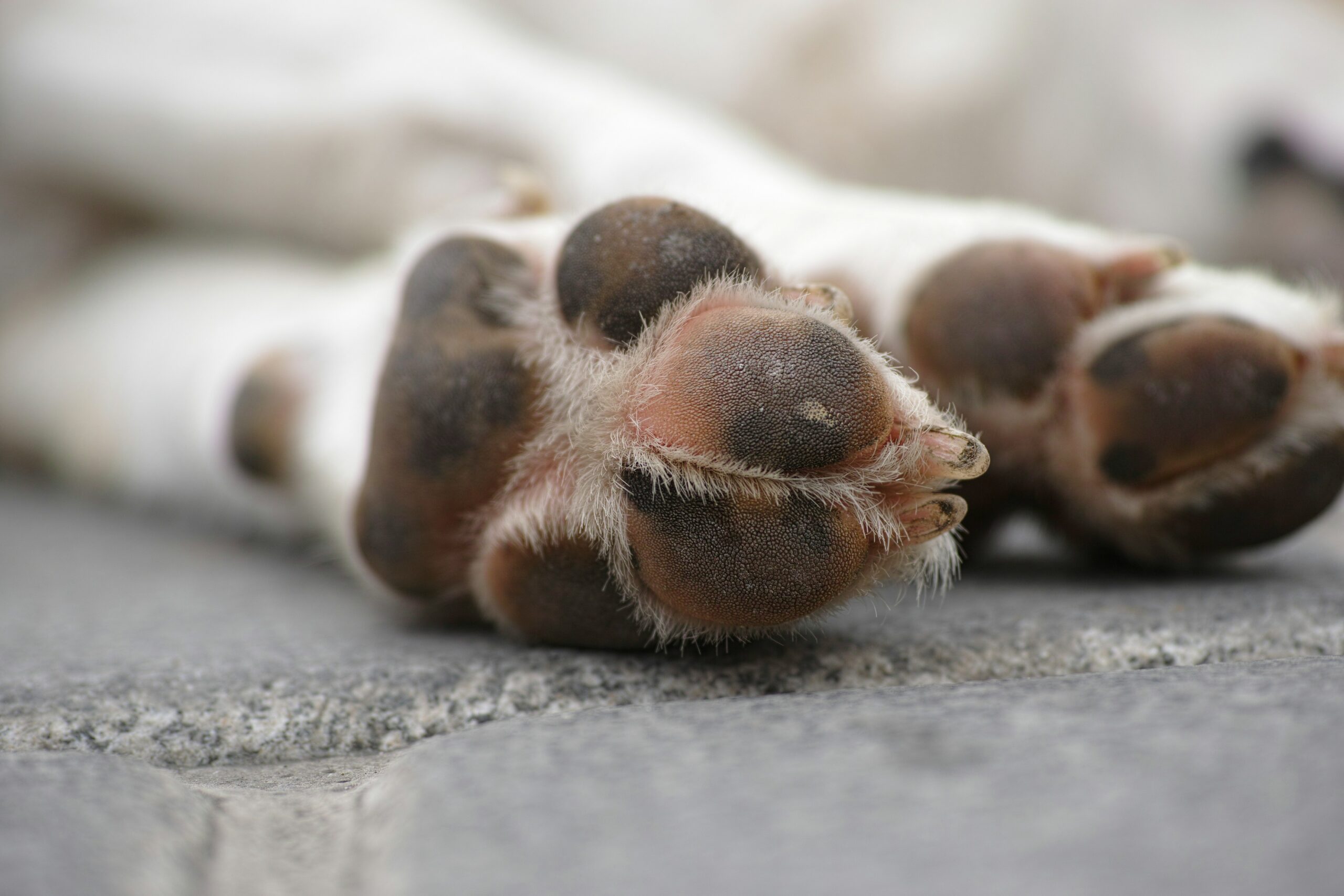
Signs and symptoms to watch for
Visible signs of a burned paw pad:
- Redness or inflammation across the pad.
- Blisters or raised fluid-filled sacs.
- Blackened or charred areas on the pad.
- Peeled or missing pad tissue.
Behavioral and functional signs:
- Limping or favoring a paw.
- Reluctance to walk or sudden stopping.
- Excessive licking or chewing of the paw.
- Whining, flinching, or pulling the paw away when touched.
Early signs can be subtle. Learning how to tell if your dog’s paw pads are burned means looking for both visual cues and changes in behavior.
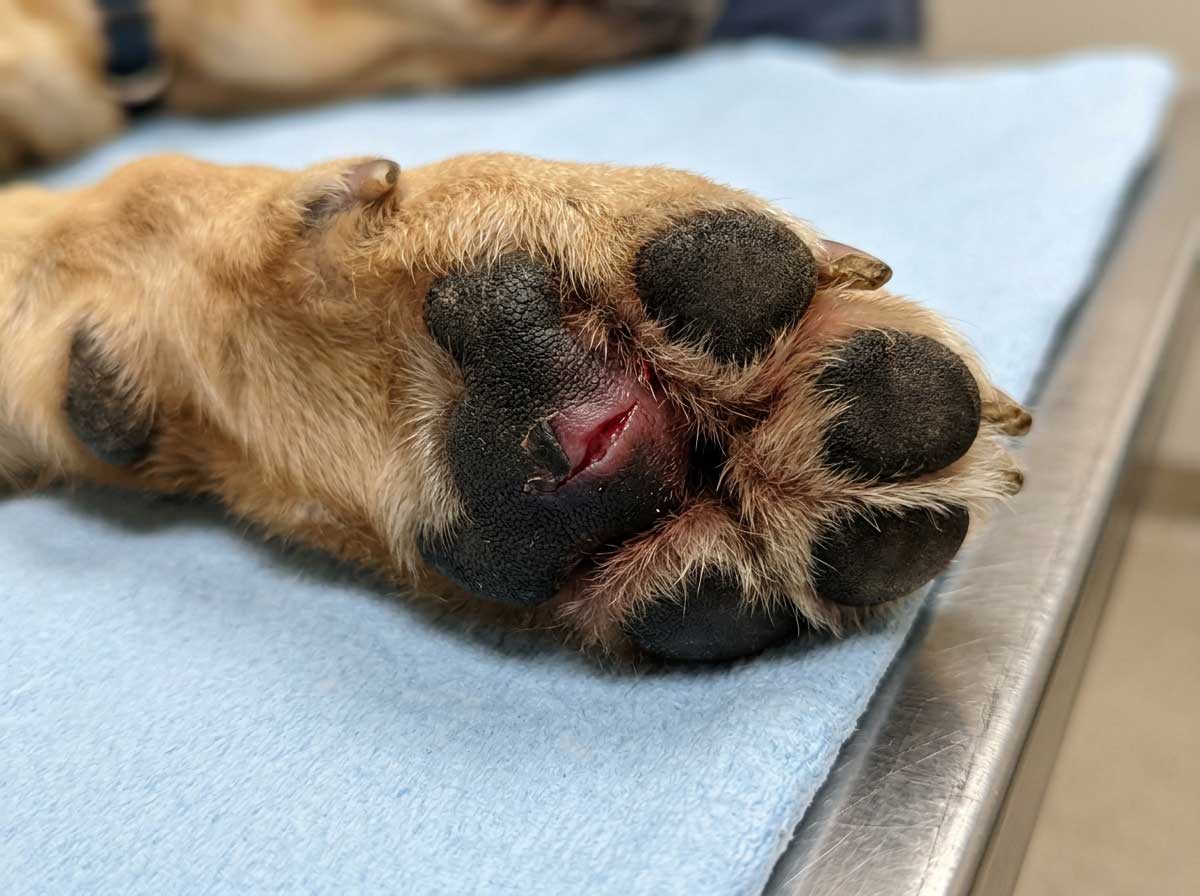
How to check your dog’s paws safely at home
Follow these steps to inspect paws with minimal stress:
- Calm your dog first. Sit or kneel at their level and speak softly.
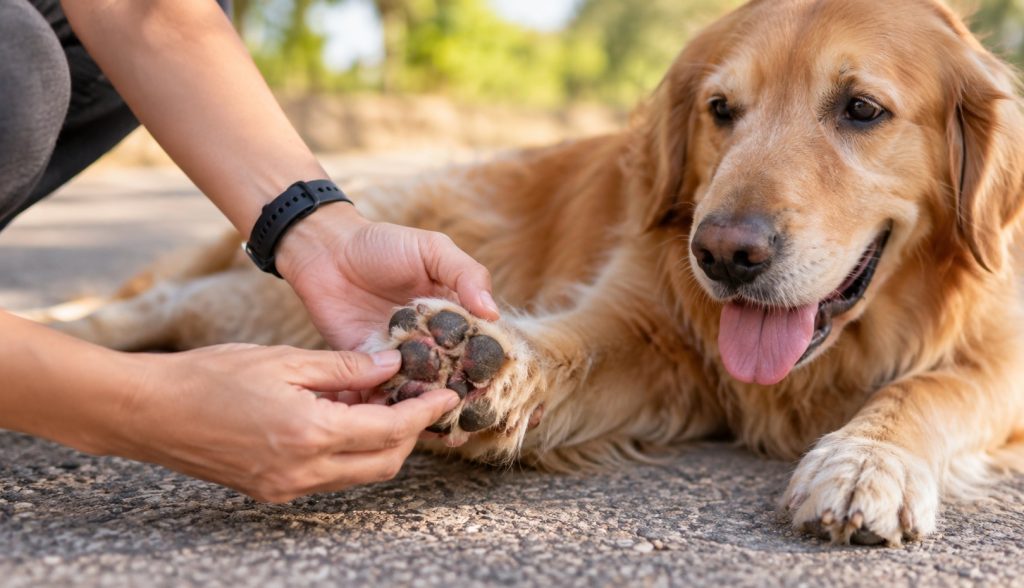
- Lift one paw gently and support it with both hands.
- Check the pad surface and between the toes for color change, blisters, and debris.
- Smell the paw; a sour or foul odor can indicate infection.
- Test sensitivity by very gently pressing the pad. Watch for flinching or yanking.
Do not apply pressure to open blisters. If your dog resists strongly or shows severe pain, stop and contact a veterinarian. Practicing gentle checks helps you spot burns early and prevents additional pain.

Immediate first aid and home care
If you suspect a burn, act calmly and quickly:
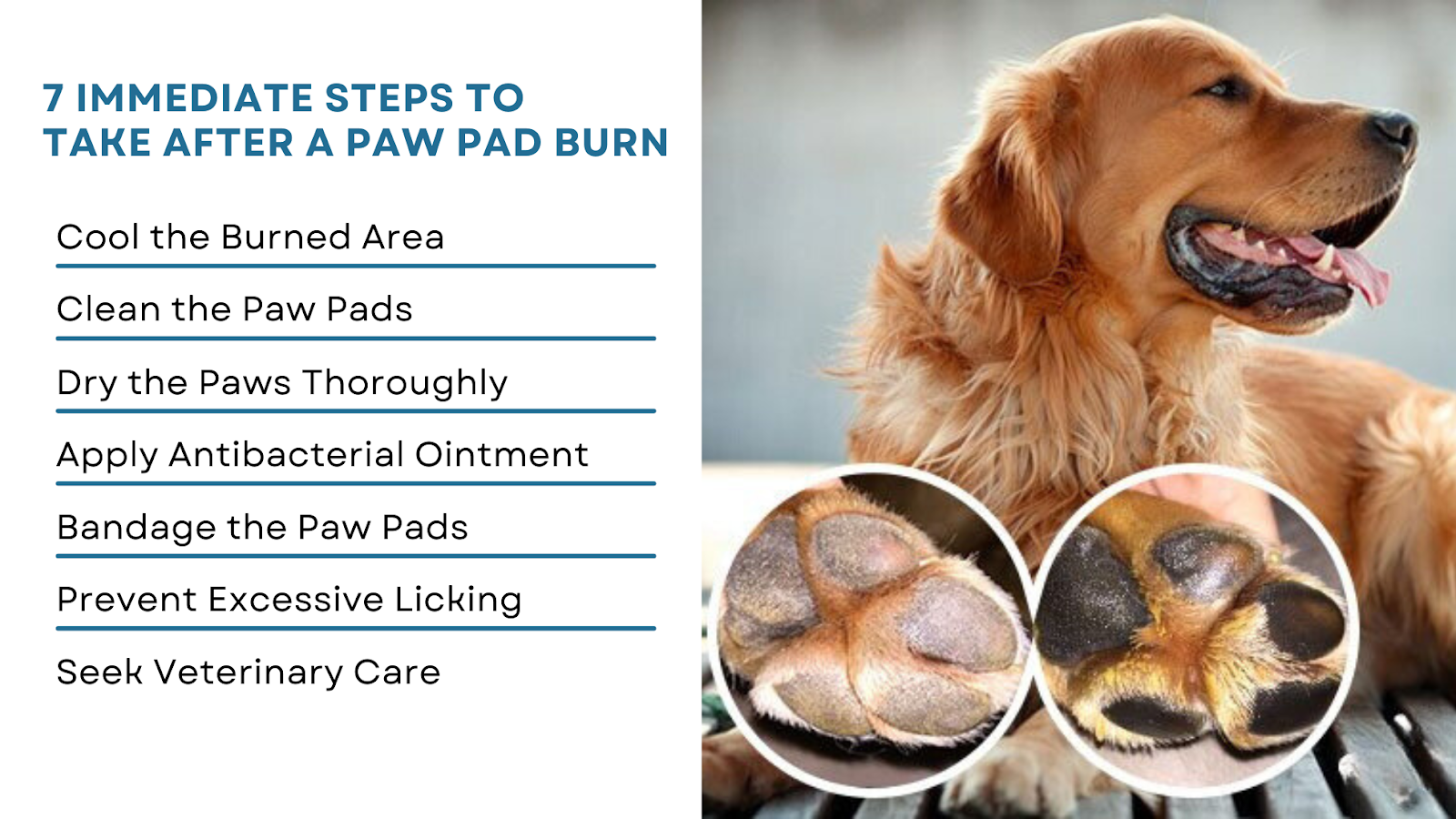
- Move the dog away from the heat source immediately.
- Cool the area with cool (not ice-cold) clean water for 5 to 10 minutes.
- Gently pat the pad dry with a clean cloth. Do not rub blisters.
- Apply a sterile non-stick dressing if the area is weeping or open.
- Prevent licking with an Elizabethan collar or a dog bootie.
Avoid home remedies that can harm, such as butter, oils, or hydrogen peroxide on deep wounds. When you perform first aid, you reduce the chance of worsening the injury or of infection.
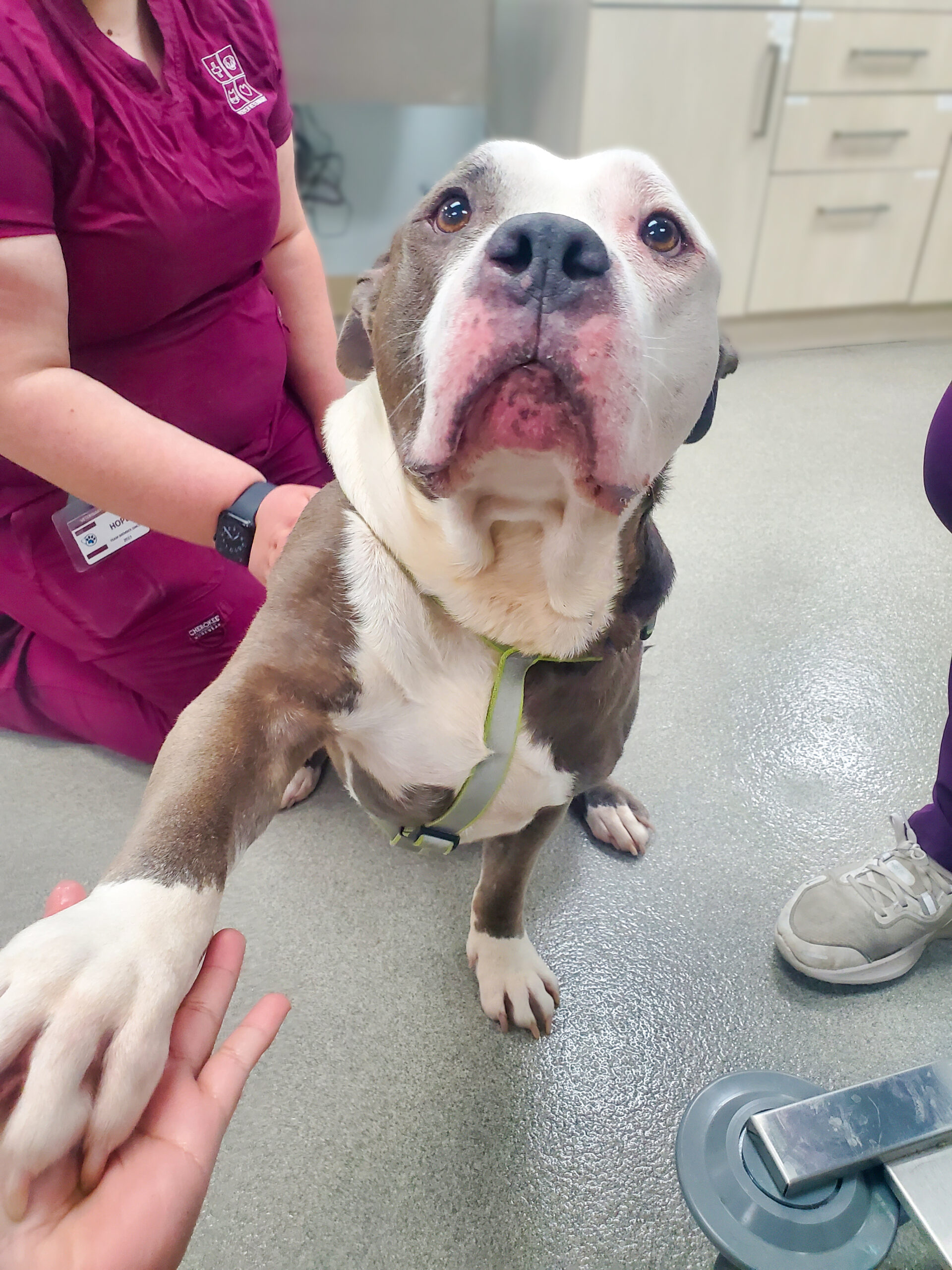
When to see a veterinarian
Seek prompt veterinary care if any of the following are present:
- Large areas of blackened or charred tissue.
- Deep blistering, open wounds, or exposed raw tissue.
- Severe lameness or inability to bear weight.
- Signs of infection: increasing redness, swelling, pus, or a bad smell.
- Burn on multiple paws or burns with chemical exposure.
Veterinarians provide pain control, clean and dress wounds properly, and prescribe antibiotics if needed. They will also evaluate for deeper tissue damage and advise on follow-up care.
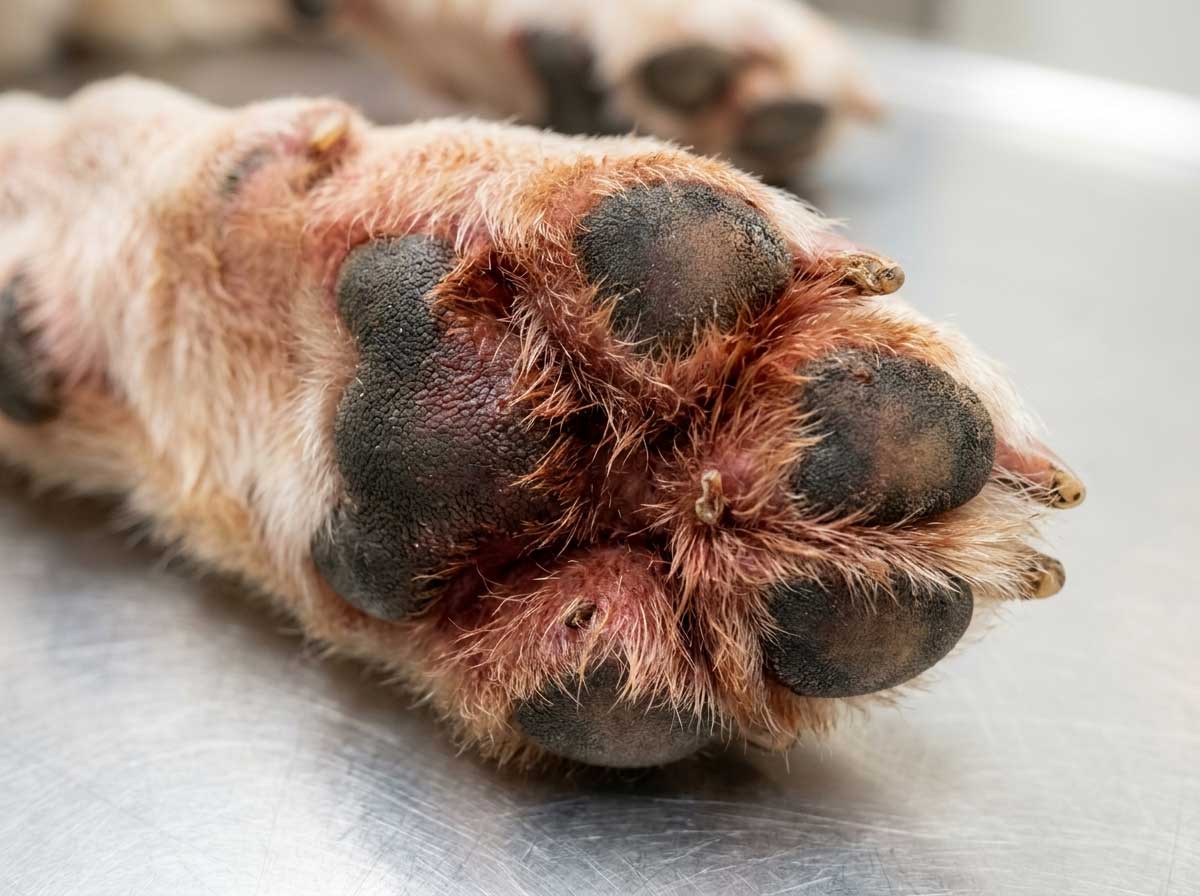
Veterinary treatments and recovery timeline
Veterinary options depend on burn severity:
- Superficial burns: cleaning, topical ointments, protective dressings, and pain control.
- Deeper partial-thickness burns: debridement, bandaging, antibiotics, and more frequent rechecks.
- Full-thickness burns: possible grafting or referral to a specialist, intensive wound care.
Recovery varies by severity. Mild burns often heal in one to two weeks with proper care. Moderate to severe burns can take several weeks to months and may need ongoing bandage changes and rehab. Monitor healing and follow the vet’s schedule for bandage changes and medication.
Prevention strategies for paw pad burns
Prevention is the best approach. Practical tips include:
- Test pavement with your bare hand for 7 to 10 seconds before walks.
- Walk during cooler hours like early morning or late evening.
- Use dog booties or paw wax on hot days.
- Rinse paws and dry after walks on treated roads or beaches.
- Keep dogs on leash near grills, campfires, and fireplaces.
Teach owners to plan walks and carry water and protection for paws. Small choices prevent many painful injuries.
Personal experience, lessons learned, and practical tips
I once treated a Labrador with second-degree burns from hot asphalt. The owner had walked mid-afternoon on a 95°F day. The dog had blisters, limped, and licked the paw constantly. Quick first aid and prompt vet care prevented infection and sped healing.
Lessons learned:
- Many owners underestimate pavement heat. A hand test is a quick check.
- Immediate cooling reduces tissue damage.
- Consistent bandage care and short leash walks aid healing.
- Use boots early; dogs often accept protection after a few tries.
Practical tips I use with clients:
- Keep spare booties in your car during summer.
- Train your dog to tolerate gentle paw checks using treats and positive reinforcement.
- Photograph the injury each day to track healing and share with your vet if needed.
Common concerns answered in short
Q: Can a quick walk burn my dog’s paw pads?
A: Yes. Pavement and sand heat quickly and can burn in minutes. Even short exposure during peak heat can injure pads.
Q: Will my dog stop limping right away after first aid?
A: Not always. Cooling helps, but pain and swelling may persist. If limping continues, see a vet.
Q: Are paw burns always obvious?
A: No. Early burns can look like slight redness or cause subtle limping. Regular checks catch them sooner.
Frequently Asked Questions
How quickly do paw pad burns show symptoms?
Symptoms can appear immediately or over several hours. Dogs may limp right away or start licking the paw later as pain increases.
Can I use ice on a burned paw pad?
Do not apply ice directly. Use cool water for 5 to 10 minutes and avoid ice, which can worsen tissue damage.
Are chemical burns different from heat burns?
Yes. Chemical burns may continue to damage tissue until the chemical is fully removed. Rinse thoroughly and seek vet care.
How long does it take for a burned paw pad to heal?
Minor burns can heal in one to two weeks. More severe burns may take weeks to months and need ongoing vet care.
Can burned paw pads get infected easily?
Yes. Burns break the skin barrier. Keep wounds clean, follow vet instructions, and watch for signs of infection.
Should I keep my dog off walks during recovery?
Limit activity and avoid long walks until the vet clears the paw. Short, controlled toilet breaks on soft surfaces are best.
When is surgery needed for paw burns?
Surgery or grafting is rare but needed for deep, full-thickness burns. A vet or specialist will assess the tissue and recommend surgery if required.
Are booties a good long-term solution?
Booties work well for many dogs and protect paws from heat, salt, and rough terrain. Proper fit and gradual introduction help dogs accept them.
Can I give my dog human pain medicine for a burn?
Never give human pain meds without veterinary approval. Some human medications are toxic to dogs. Consult your vet for safe pain control.
Will my dog’s pads regrow if tissue is lost?
Pads can regenerate to some extent, but severe tissue loss may result in permanent changes. Follow vet recommendations to support healing.
Conclusion
Knowing how to tell if your dog’s paw pads are burned helps you protect your dog from pain and long-term harm. Look for redness, blisters, blackened tissue, limping, and changes in behavior. Cool the paw gently, protect it from further damage, and seek veterinary help for deep, spreading, or painful wounds. Take preventive steps like avoiding hot surfaces, using booties, and training your dog to accept paw checks. Act quickly, stay calm, and use these tips to keep your dog walking comfortably and safely.
Please share your experiences, subscribe for more pet care guides, or leave a comment with questions about paw care and burn prevention.