
Picture this: you’re standing in the pet store aisle, jar of bone-shaped biscuits in hand, wondering, “Are Milk Bones bad for dogs? I know I have. It’s a question that pops up in my head every time my furry overlord gives me those puppy-dog eyes for a treat. We all want the best for our puppies, don’t we? Let’s examine the specifics and discover the true health consequences of these common crunchy snacks.
Milk Bones: What Are They?
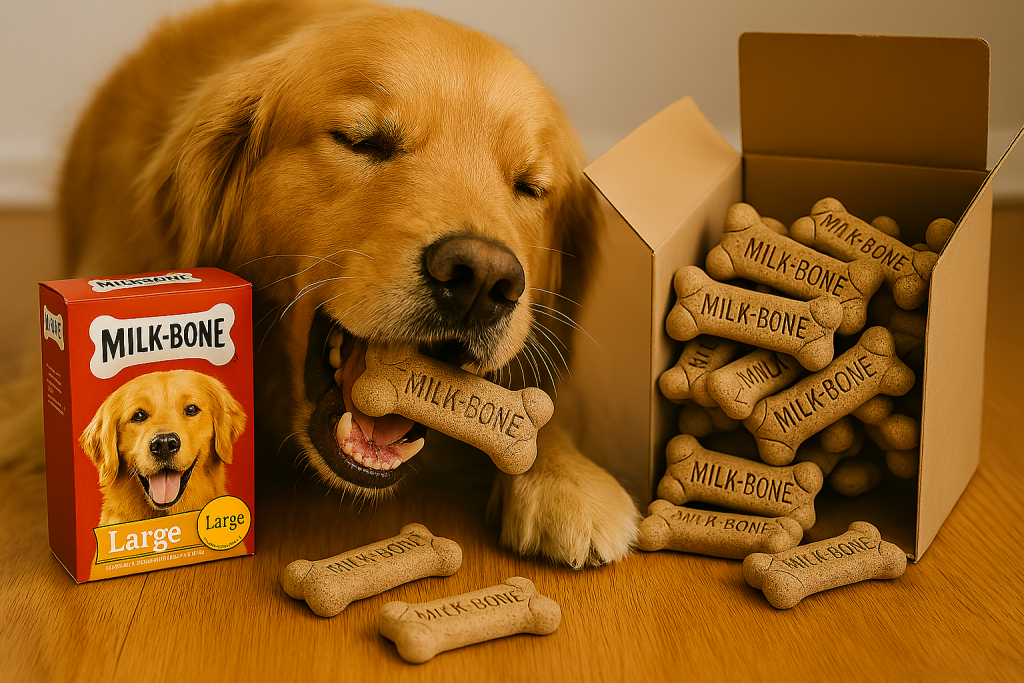
Let’s define these well-known biscuits precisely before getting into the specifics. In many ways, Milk-Bone dog biscuits are a national symbol. They have been a mainstay in many dog-owning homes for ages. However, what are they exactly?
Historical Background of Milk Bones
When pet food companies started experimenting with specialty treats in the early 20th century, Milk Bones made its debut. As the name suggests, they promoted them as a “milk-based” snack to improve canine nutrition. The concept of a biscuit with milk was welcomed by dog lovers, and Milk Bones quickly appeared in practically every treat container.
They changed over the years. What began as a straightforward recipe evolved into a multi-ingredient concoction intended for increased shelf life and widespread appeal. These days, they can be found in pet stores all over the world next to gourmet treats, rawhide chews, and specialty dog biscuits.
Ingredients and Nutritional Profile
Here’s the quick breakdown of what’s inside a classic Milk Bone:
- Wheat Flour: Provides bulk and structure.
- Meat and Bone Meal: a purported source of protein.
- Animal Fat: Increases calories and flavor.
- Corn syrup and sugar: Provide sweetness.
- Minerals & Vitamins: Contains B vitamins, calcium, and phosphorus.
- BHA, or butylated hydroxy anisole, is a preservative.
One Milk Bone has about 25 calories and 3 grams of carbohydrates on average. If your dog considers each one to be a main course, that might not seem like much, but it quickly adds up.

Health Benefits and Risks for Dogs
So, what’s the deal with Milk-Bones? Do they offer any real benefits, or are we just feeding our pups empty calories? It’s a fair question.
Potential Benefits of Milk Bones
- Quick calorie boost for underweight pups.
- Easy to break into smaller training treats.
- Boredom buster during crate time or on road trips.
- Contains added vitamins like B12 and calcium.
I’ve used these biscuits during impromptu training sessions, and I’ll admit—they get instant attention. That’s something a lot of natural treats can’t promise.
Potential Benefits of Milk Bones
- High sugar content can contribute to weight gain and dental decay.
- BHA raises worries about potential cancer risk in pets.
- Many dogs have trouble digesting wheat or corn products.
- Overfeeding may lead to obesity or gastrointestinal upset.
Ever wondered why some pups develop upset stomachs after a handful? That’s usually the sugar-and-grain combo doing its thing.
Are Milk Bones Unhealthy for Dogs?
Straight up? They’re not the worst thing you could give your dog, but they’re definitely not the best either. Think of it like this: a human eating a bag of potato chips. It’s not going to kill you, but it’s not exactly a health food, is it? The same principle applies here. When we ask, “Are Milk Bones bad for dogs?” we really need to look at the ingredients list with a magnifying glass.
4 Reasons Why Milk Bones Are Not Ideal For Dogs
- Butylated Hydroxy Anisole (BHA) Content
BHA serves as an antioxidant preservative, extending shelf life. However, some studies link long-term BHA exposure to cancer in lab animals. Would you want that in your pup’s daily snack? IMO, skipping BHA is a smarter move.
- Sugar Content
Sugar adds flavor and crunch, but dogs thrive on protein and healthy fats, not empty carbs. Excess sugar can lead to:
- Obesity
- Diabetes risk
- Yeast infections in ears and paws
- Calorie Content & Filler Ingredients
True confessions: I once handed Max a handful and realized I’d just added 100+ empty calories to his day. Most of those calories come from wheat and corn fillers, not quality protein.
- Other Potential Ingredients
Beyond BHA and sugar, you’ll find:
- Artificial colors (Red 40, Yellow 5)
- Corn syrup (yes, more sugar)
- Rendering by-products (unpleasant protein sources)
These extras make me wonder why a simple dog treat needs so many bells and whistles.
Dental Health Issues
Milk-Bones are marketed as being excellent for dental health because of their crunchiness, but this is a bit of a double-edged sword. Yes, some plaque removal may be aided by the hard texture.
They do not, however, take the place of good dental hygiene, such as brushing your dog’s teeth. Plus, as we just discussed, the sugar content can actually contribute to dental issues down the line. It’s like saying eating a hard candy helps your teeth. Umm, no.
The Pro’s & Con’s of Milk Bones
Let’s lay it all out, shall we?
Pros:
- Easily accessible: You can find it in practically any store.
- Cost-effective: They won’t break the bank.
- Convenient: Ideal for training or prompt rewards.
- Dogs adore them: They are very appetizing to many dogs.
- Abrasive texture: May provide a small dental advantage.
Cons:
- Questionable ingredients: BHA and artificial colors and flavors are among the dubious ingredients.
- Sugar content: Superfluous and possibly hazardous.
- Low nutritional value: high in fillers.
- High in calories: May cause weight gain.
- Not a comprehensive dental solution: Don’t take the place of appropriate dental care.

Do Dogs Get Allergies from Milk Bone Treats?
Yes, they can. Milk-Bones may cause allergies in sensitive dogs because they frequently contain common allergens like wheat, corn, and occasionally even dairy (although the name may suggest otherwise). If your dog has a history of allergies or develops symptoms like itching, digestive upset, or skin issues after eating Milk-Bones, definitely consider ditching them. I’m constantly on high alert because anything that contains wheat makes my pug, Oscar, extremely itchy!
Healthy Alternative to Milk Bones
Let’s ditch the questionable ingredients and whip up something wholesome.
Natural and Homemade Treat Options
This is where you can really shine as a dog chef (or, you know, a dog snack procurer).
- Single-ingredient treats: Think dehydrated sweet potato chews, freeze-dried liver, or even plain cooked chicken pieces. My dog goes absolutely wild for baked sweet potato slices.
- Fruits and veggies: Small pieces of apple (no seeds!), carrots, green beans, or blueberries make excellent, low-calorie snacks.
- Homemade biscuits: If you’re feeling ambitious, whip up some homemade dog biscuits with whole wheat flour, peanut butter (xylitol-free, please!), and maybe some pumpkin. You control the ingredients, which is the best part!
- Dental chews: Look for dental chews specifically recommended by vets that focus on enzymatic action or a unique shape for cleaning, rather than just crunch.
Recommendations for Handling Intake
- Treats should not exceed 10% of daily caloric intake.
- When training, use bite-sized pieces.
- Keep an eye on your dog’s digestion and weight.
- To avoid allergies, rotate the types you treat.
If you follow these guidelines, your dog’s snack time will remain enjoyable and safe..
Frequently Asked Questions
Are Milk-Bone treats okay for dogs?
In moderation, they generally won’t harm most healthy dogs. However, they contain ingredients like BHA and sugar that many pet parents prefer to avoid. Think of them as junk food for dogs.
What is a healthy alternative to Milk Bones for dogs?
Opt for natural options like carrot sticks, cooked lean meats, or homemade oat-pumpkin biscuits.
Are Milk Bones bad for dogs’ teeth?
They won’t replace brushing or professional cleanings. Too much sugar invites plaque and tartar.
How many Milk Bones is a dog allowed to eat in a day?
For a medium-sized dog, limit to one or two small bones. Always account for their total caloric requirements.
Do veterinarians advise giving dogs Milk Bones?
The majority of veterinarians advise limited use and favor treats free of artificial preservatives like BHA.
Are Milk Bones bad for dogs with kidney disease?
Indeed, kidney stress can result from elevated sodium and phosphorus levels. Consult your veterinarian first.
Final Words
Ultimately, Milk Bones aren’t the worst confection available, but they’re not flawless. You can avoid most health hazards if you use them sparingly, as a rare treat or as a training reward. Simple, homemade snacks that allow me to control every ingredient are what I like. Your pup’s health is worth that extra effort, don’t you think? Next time you reach for the treat jar, give those carrots a chance. Your dog’s tail (and teeth) will thank you!