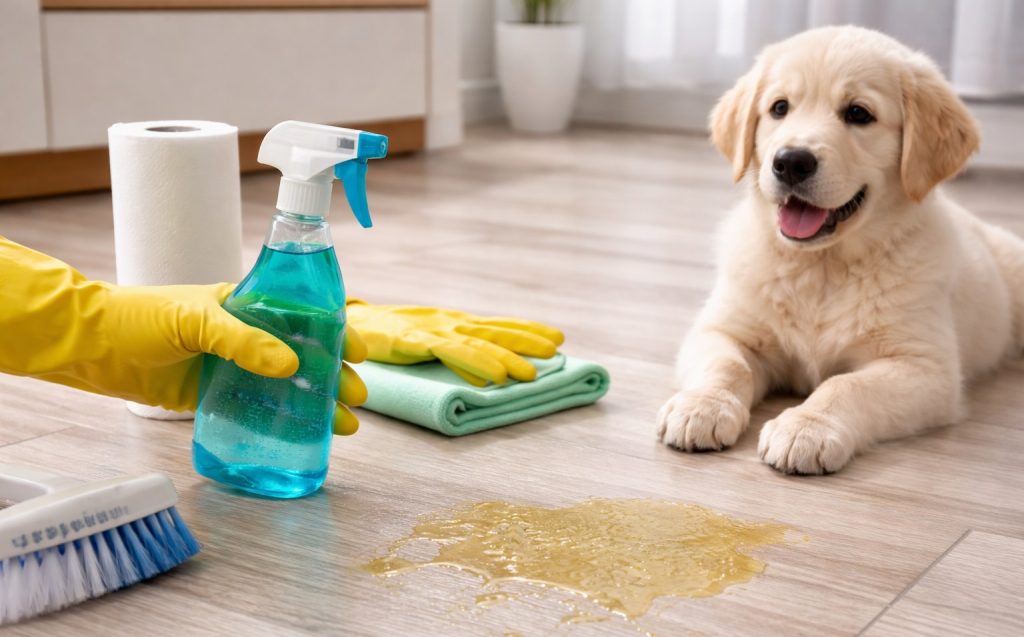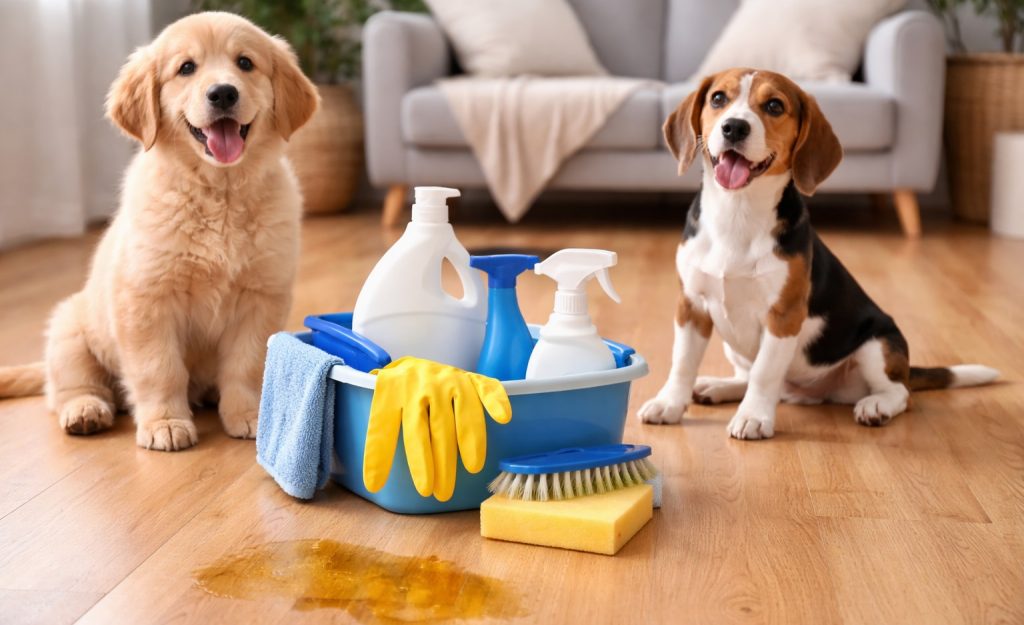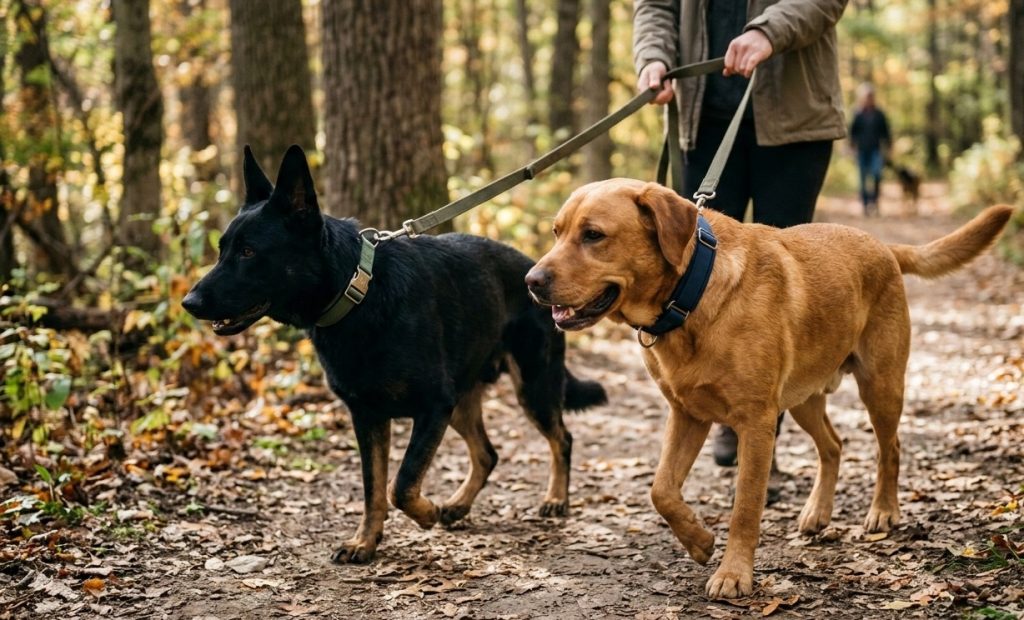
Mud has a way of traveling farther than the walk itself. A dog crosses a wet yard, steps into the hallway, and suddenly the floor, car seat, and favorite blanket all need attention. A useful paw cleaner gives you a manageable way to remove the dirt before that happens, without making every outing end in a full bath.
The best paw cleaner for muddy dogs depends on how dirty the paws get and what your dog will comfortably tolerate. This guide compares a silicone-bristle water cup, a larger handled washer, and a no-rinse foam for lighter cleanup. Recommendations are based on manufacturer information and practical design differences, not personal testing or invented buyer-review trends. Paw fit, access to clean water, and drying afterward matter as much as the product. Start with healthy paws, work gently, and contact your veterinarian if cleaning reveals pain, swelling, bleeding, or persistent licking.
As an Amazon Associate, I earn from qualifying purchases.
Quick Picks: Best Paw Cleaner for Muddy Dogs
| Product | Best For | Key Advantage | Buy | |
|---|---|---|---|---|
| Dexas MudBuster, Medium, Blue | Water-based mud removal | Soft silicone bristles inside a cup | View on Amazon | Jump to Review |
| Paw Plunger, Large, Black | Large paws and a handled washer | Large opening with soft nylon bristles | View on Amazon | Jump to Review |
| Dandylion Clean Paws No-Rinse Foam with Brush | Lighter dirt and waterless cleanup | Foam, silicone brush, and towel routine | View on Amazon | Jump to Review |
How We Chose These Products
We compared manufacturer documentation, application or fit requirements, and meaningful differences between the products. Our recommendations are editorial judgments from that research. We have not assigned hands-on test scores or treated unexamined customer reviews as evidence. The shortlist is deliberately limited to distinct, supportable choices rather than padded with similar listings.
Dexas MudBuster, Medium, Blue — Water-based mud removal
What We Like
- Soft silicone bristles
- Water-based cleaning
- Simple twist routine
- Compact tumbler shape
What We Don’t Like
- Exact paw fit matters
- Fresh water and towel needed
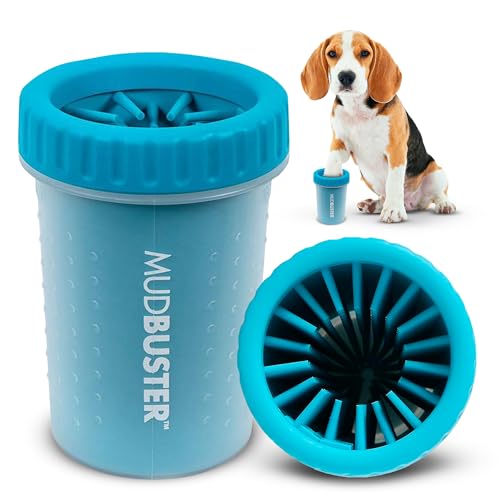
A water cup is a logical starting point when paws carry visible mud that needs to be rinsed away. Dexas MudBuster surrounds the paw with soft silicone bristles inside a tumbler-shaped container. The manufacturer’s basic routine is straightforward: add water, insert the paw, twist gently, then dry the paw before repeating. The verified option in this guide is Medium in Blue, not a generic promise that one cup fits every dog. Dexas makes several sizes, and paw width should guide the choice. Manufacturer sizing information encountered during this research differed between pages, so check the current chart and the opening for the exact version you select rather than relying on a single assumed width range. The important test is comfortable insertion and removal without squeezing or forcing the foot.
I would choose this approach for regular muddy-yard cleanup when clean water and a towel are readily available. Its main advantage is that the dirt can be rinsed into the cup instead of rubbed repeatedly over the paw with a nearly dry cloth. That is a design-based judgment, not a claim that we measured cleaning performance. Work with the dog’s natural leg position, use gentle movement, and change the water when it becomes dirty. A nervous dog may need several calm introductions before putting a foot into any container. The cup also needs its own cleanup afterward; a reusable tool is only practical if you rinse and dry it consistently. Do not treat the bristles as a reason to scrub painful or damaged pads. If your dog’s feet are too large for the Medium, choose an appropriately sized version rather than making the dog adapt to the product. A well-fitting cup and patient handling matter more than the color you pick.
My Recommendation
MudBuster is my first choice for straightforward water-based mud removal on healthy paws that fit the selected size. Keep clean water and a drying towel nearby. For very large feet or a preferred handle, compare Paw Plunger Large.
Paw Plunger, Large, Black — Large paws and a handled washer

What We Like
- 4.5-inch listed opening
- Comfortable cup handle
- Soft nylon bristles
- Removable parts for rinsing
What We Don’t Like
- Bulky Large format
- Lid is not water-tight
Big paws can make compact cleaners awkward, which is where the Large Paw Plunger has a clearer purpose. The manufacturer lists a 4.5-inch opening for its Large model and positions that size for dogs over 75 pounds with large feet. Those figures describe the product’s intended size class; actual paw fit still needs checking. Unlike the silicone-bristle MudBuster, Paw Plunger uses soft nylon bristles inside a handled container. Its top can be unscrewed so the bristles can be removed for cleaning. The manufacturer also explains that the expanding top helps limit splashing rather than squeezing the paw dry. That is an important expectation: the washer does the washing, but you still need a towel. The verified Amazon destination is the Large Black version, keeping the size distinction explicit.
The handle is the detail I would value when managing a larger container with one hand while supporting a heavy dog’s leg with the other. Prepare the station first so you do not need to search for a towel while the dog stands on three feet. Follow the manufacturer’s fill guidance and use gentle up-and-down movement without pulling the limb into an uncomfortable position. A big washer can be useful at the doorway but is less convenient in a small walking bag. Paw Plunger also says its lid is not water-tight and advises filling and emptying the container for each use rather than storing water inside. I would therefore transport it empty. The removable components make rinsing easier, but they still need attention after muddy outings. Choose this option because the dog benefits from the opening and you prefer the handling, not simply because your dog is called a large breed; some dogs in that category have comparatively narrow paws.
My Recommendation
I would choose Paw Plunger Large for genuinely large feet and owners who prefer a handled washer. Its opening and removable bristles are useful distinctions. It is less compact than a smaller cup, and it should travel empty.
Dandylion Clean Paws No-Rinse Foam with Brush — Lighter dirt and waterless cleanup

What We Like
- Fragrance-free formula
- Built-in silicone brush
- No-rinse directions
- Refillable bottle
What We Don’t Like
- Heavy mud may need rinsing first
- Consumable cleanser requires refills
If carrying a water-filled cup does not suit the outing, Dandylion Clean Paws offers a foam-and-wipe alternative. The manufacturer describes a fragrance-free, pH-balanced cleanser with a built-in silicone brush and no-rinse directions. Pump the foam, massage it over the paw, and wipe with a towel; the brush also needs regular washing. Its listed formula includes cleansing ingredients, aloe, glycerin, and plant oils, so this is a formulated cleanser rather than a plain-water tool. The bottle can be refilled, which is useful if it becomes part of your regular routine. The verified Amazon identity matches Clean Paws No Rinse Foam Cleaner with Brush. Those features make it worth considering for everyday grime or cleanup away from a sink, while the amount and type of dirt should still determine the method.
My preference would be to remove thick mud and visible grit with water before relying on a foam for the remaining light cleanup. No-rinse means the product’s directions do not require a separate rinse; it does not mean you should leave loosened dirt and foam sitting on the paw. Wiping is still part of the job, and the towel needs to reach the areas you cleaned. A fragrance-free formula is a useful selection detail, but it does not guarantee that every dog will tolerate every ingredient. Introduce it carefully and stop if it causes irritation. Because the cleanser is consumable, repeated use also brings a refill decision that a plain-water cup does not. I would choose this format when convenience and handling make a foam more realistic than a washer, especially for lighter dirt. If your dog regularly comes home with paws packed in sticky mud, a water-based method is the better first step.
My Recommendation
Dandylion is my choice for lighter grime and situations where a water cup is inconvenient. Wipe thoroughly and keep the brush clean. For heavy mud, rinse first or choose a properly fitting washer.
Water Cups, Foam, or a Damp Towel?
Choose a water-based method for paws carrying substantial mud or grit. A washer keeps a small amount of water around the foot while you work gently, but a suitable bowl or sink can also be practical if your dog tolerates it. The product should improve the routine you can actually manage.
A no-rinse foam is more appealing for lighter dirt or a trip where you have a towel but no convenient water station. It introduces ingredients and an ongoing refill cost, so compare those tradeoffs with the convenience. Wipe away the loosened material rather than letting it dry back onto the foot.
A damp cloth may be enough after a lightly dusty walk. It is less useful when mud is lodged between toes or packed into fur. You do not need to purchase the most elaborate cleaner for the occasional small mess, but you should use a method that removes the dirt without excessive rubbing.
Paw wipes have a separate role. For ingredient-sensitive dogs, our winter paw balm guide explains the difference between cleansing and conditioning. Balm belongs after appropriate cleaning and drying; it does not wash mud away.
A Calmer Post-Walk Cleaning Routine
Prepare clean water, the cleaner, and a dry towel before bringing the dog inside. Use a stable, nonslip area and keep the floor clear. A rushed setup makes it harder to support the leg and stay gentle.
Inspect the paw before inserting it into a cup. Remove easily accessible loose debris without digging into the skin. If something appears embedded or the dog reacts in pain, stop and seek veterinary advice rather than trying to scrub it out.
Support the foot close to its natural position. Let the dog sniff the empty tool first, reward calm cooperation, and introduce contact gradually. Short sessions are better than holding a struggling dog through all four paws.
Use fresh water and change it as it becomes muddy. Follow the specific cleaner’s movement and fill instructions. Do not assume every cup should be twisted, because Paw Plunger describes a different up-and-down routine from MudBuster.
Finish by drying the cleaned areas, including between the toes where you can reach comfortably. Avoid rough rubbing. A paw that looks clean can still carry moisture, so make drying part of the routine rather than an optional last step.
Choosing a Size That Your Dog Can Tolerate
Paw width matters more than a breed name. Measure the widest part of the foot while the dog is standing comfortably, then compare it with the current opening and sizing guidance for the exact tool. Do not force a foot through a narrow top.
Room for gentle movement is useful, but an oversized cup can be harder for you to hold steady. The Large Paw Plunger is intentionally substantial. If your dog has narrow paws, a more compact cleaner may be easier even when the dog weighs a lot.
Check the shape of the top as well as the stated measurement. A flexible opening, interior bristles, and overall depth all affect handling. Introduce the device empty first and stop if it catches fur or your dog resists because the fit is uncomfortable.
For dogs that dislike foot handling, the best tool may initially be a soft damp cloth and gradual training. Buying a motorized or larger cleaner does not solve handling sensitivity on its own. Choose the simplest method that works calmly.
Cleaning the Cleaner and Knowing When to Stop
Empty dirty water promptly. Rinse removable parts as directed and allow them to dry before storing. Mud trapped inside a reusable washer makes the next cleanup less pleasant and can hide damage to the bristles or top.
Keep towels clean and rotate them when they become wet or dirty. For foam tools, rinse the brush according to the manufacturer’s directions and keep the dispensing opening clear. Store each product according to its label.
Persistent licking, a limp, redness, swelling, or bleeding deserves veterinary attention. A paw cleaner removes dirt; it does not diagnose the cause of discomfort or replace treatment. Avoid applying more cleanser in an attempt to solve a painful paw.
Frequently Asked Questions
What is the best paw cleaner for heavy mud?
A comfortably fitting water-based washer is a good starting point. MudBuster suits a simple cup routine, while Paw Plunger Large is worth considering for big feet and a handled design.
Can a paw cleaner replace a full bath?
It can remove dirt from the feet after a walk, but it does not clean a muddy belly or coat. Decide which areas need washing instead of expecting a paw tool to cover the whole dog.
Should I use soap in a paw washer?
Follow the tool instructions and use only a cleanser appropriate for your dog when needed. Do not improvise with household cleaning products. Plain water is often the first step for removing loose mud.
Do I need to rinse no-rinse foam?
Follow the product’s current directions. Dandylion calls for foaming, gentle brushing, and towel wiping without a separate rinse. Thick mud may still be better removed with water first.
How often should I clean my dog’s paws?
Clean as needed after dirty outings rather than scrubbing healthy feet unnecessarily. Work gently, dry afterward, and reassess the method if the paws become irritated.
Final Verdict
MudBuster is my straightforward first pick for water-based mud removal when the selected size fits. Paw Plunger Large is the better comparison for very large paws and a preferred handle. Dandylion Clean Paws fits lighter dirt and waterless convenience. Build the routine around gentle handling, fresh water where needed, and thorough drying.
Feature photo: Ryan Fleischer / Unsplash. Illustrative lifestyle photo.