
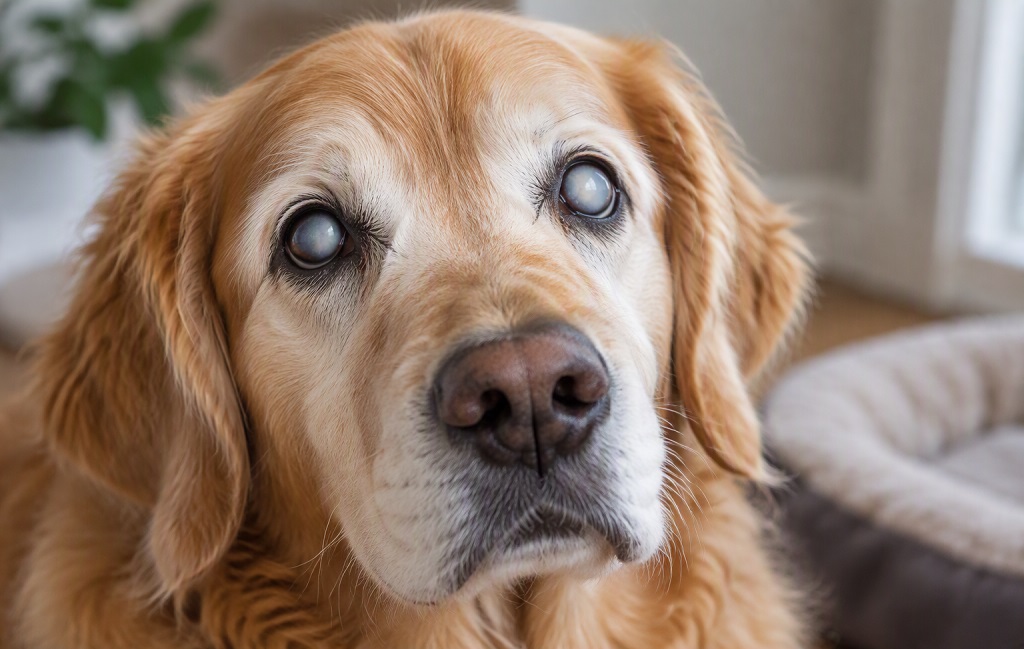
Have you noticed a blue, gray, or milky haze in your dog’s eyes? If so, you may be wondering, why are my dog’s eyes cloudy, and should I be worried? Cloudy eyes in dogs can develop because of normal aging, cataracts, inflammation, corneal injuries, glaucoma, or other eye conditions. Some causes have little effect on vision, while others can threaten eyesight if treatment is delayed.
As dog owners, we naturally pay attention to changes in our pets’ appearance and behavior. A cloudy eye can look alarming, especially when your dog seems perfectly comfortable. Unfortunately, a dog can have a serious eye problem without showing obvious signs of pain.
The good news is that a cloudy appearance does not automatically mean blindness. The important step is identifying what is causing it.
In this guide, we’ll explain common dog cloudy eye causes, available treatment options, safe home care, and how to recognize when your dog needs veterinary attention.
What Do Cloudy Eyes in Dogs Look Like?
Cloudiness refers to a loss of the eye’s usual clear appearance. Depending on the underlying condition, you might notice:
- A bluish or gray haze inside the pupil.
- A white or milky area covering part or all of the eye.
- A cloudy film across the transparent front surface of the eye.
- Redness, excessive tearing, or unusual discharge.
- Squinting, rubbing, or sensitivity to bright light.
- Difficulty navigating familiar rooms or finding toys.
The location of the cloudiness matters. The cornea is the transparent outer covering of the eye, while the lens sits behind the pupil and helps focus light. Cloudiness affecting either structure can look similar to an untrained observer.
That is why an at-home visual inspection cannot reliably distinguish a harmless age-related change from a potentially serious eye disorder.
What Causes Cloudy Eyes in Dogs?
Several conditions can make a dog’s eyes look cloudy. The following are among the most important possibilities.
1. Nuclear Sclerosis: A Common Age-Related Change
Nuclear sclerosis, sometimes called lenticular sclerosis, occurs as the lens becomes denser with age. It commonly produces a blue-gray appearance in the eyes of older dogs.
Unlike cataracts, nuclear sclerosis generally preserves the lens’s transparency and does not significantly impair overall vision. Some dogs may have subtle difficulty focusing on nearby objects.
This condition often affects both eyes gradually. However, appearance alone cannot confirm the diagnosis, and older dogs can develop cataracts at the same time.
What should you do? Arrange a veterinary examination if you first notice cloudiness or if its appearance changes. Once nuclear sclerosis has been confirmed, treatment is generally unnecessary, although regular eye checks remain important.
2. Cataracts in Dogs
Cataracts in dogs develop when the normally transparent lens becomes opaque. The cloudiness may initially affect a small area before progressing across more of the lens.
Depending on the severity and location, cataracts can interfere with vision and eventually cause blindness.
Possible contributing factors include:
- Inherited genetic conditions.
- Diabetes mellitus.
- Age-related changes.
- Previous eye inflammation.
- Eye injuries or trauma.
- Certain other eye diseases.
A dog with cataracts may hesitate on stairs, bump into unfamiliar objects, or struggle in dim lighting. Some dogs adapt remarkably well, so normal behavior does not rule out a vision problem.
Cataracts are not the same as nuclear sclerosis. A veterinarian can examine the lens, often using specialized equipment and pupil dilation, to distinguish the two.
Treatment depends on the extent of the cataract and the health of the rest of the eye. Surgery to remove the affected lens may restore useful vision in suitable candidates. Not every dog is an appropriate surgical candidate, so a veterinary ophthalmologist may need to assess the eye.
3. Corneal Ulcers, Scratches, and Eye Injuries
The cornea is the clear surface at the front of the eye. Scratches, foreign material, chemical exposure, or other injuries can damage it and cause swelling or cloudiness.
A dog may develop a corneal ulcer, which is an open sore on the corneal surface. Common warning signs include:
- Holding the affected eye partly closed.
- Frequent blinking or squinting.
- Excessive tearing.
- Redness or swelling.
- Pawing at the face.
- A sudden cloudy or bluish appearance.
A cloudy eye in one eye, particularly after outdoor activity or rough play, may suggest an injury. However, other conditions can also affect only one eye.
Corneal ulcers can worsen quickly and, in severe cases, threaten the eye itself. Seek urgent veterinary care rather than waiting for the cloudiness to disappear.
4. Glaucoma
Glaucoma develops when pressure inside the eye becomes abnormally high, potentially damaging the optic nerve and causing vision loss.
Signs may include a cloudy or bluish cornea, redness, pain, a dilated pupil, or an enlarged-looking eyeball. Some dogs become unusually quiet, avoid bright light, or rub their faces.
Suspected glaucoma is an emergency. Vision may be permanently lost if pressure is not controlled promptly.
A veterinarian measures intraocular pressure using an instrument called a tonometer. Treatment may involve prescription medication, procedures to reduce pressure, or surgery, depending on the cause and severity.
Never try to manage suspected glaucoma with a dog cloudy eye home remedy.
5. Uveitis: Inflammation Inside the Eye
Uveitis is inflammation of the uveal tract, a group of structures inside the eye. It can occur because of trauma, infection, immune-mediated disease, or other underlying problems.
A dog with uveitis may have redness, squinting, light sensitivity, tearing, or a cloudy appearance. The condition can also lead to complications such as cataracts or glaucoma.
Treatment depends on the underlying cause. Veterinary care may include prescription anti-inflammatory medication, antimicrobial treatment when indicated, and further testing to identify an underlying illness.
Do not use steroid eye drops unless a veterinarian has examined the eye and specifically prescribed them. Steroids can worsen certain corneal ulcers.
6. Corneal Edema and Other Corneal Disorders
Corneal edema occurs when fluid accumulates in the cornea, making it appear hazy or blue. It can result from inflammation, injury, glaucoma, or problems involving the cells that keep the cornea clear.
Other corneal disorders may cause deposits, scarring, or changes in transparency. Some develop gradually and cause limited discomfort, while others are associated with significant pain or an underlying disease.
The distinction matters because treatment for one condition may be unsuitable for another. An eye examination is the safest way to determine the cause.
7. Dry Eye Disease
Dry eye disease, also known as keratoconjunctivitis sicca, occurs when a dog does not produce enough tears or has an abnormal tear film.
Possible signs include thick discharge, redness, irritation, frequent blinking, and a dull or cloudy corneal surface. Untreated dry eye can lead to corneal damage and scarring.
Veterinarians may perform a Schirmer tear test to measure tear production. Treatment often involves prescription medication to improve tear production, lubricating products, and management of any secondary infection or damage.
Quick Comparison: Common Causes of Cloudy Eyes
| Condition | Typical appearance | Important consideration |
|---|---|---|
| Nuclear sclerosis | Gradual blue-gray haze | Common with aging; usually preserves useful vision |
| Cataracts | White or opaque cloudiness within the lens | Can impair vision and may progress |
| Corneal ulcer | Hazy or irregular corneal surface | Often painful; needs prompt treatment |
| Glaucoma | Blue haze, sometimes with redness or enlargement | Emergency because vision can be lost |
| Uveitis | Cloudiness with possible redness and squinting | Requires treatment of inflammation and its cause |
| Dry eye | Dull cornea, sometimes with thick discharge | Can damage the cornea if untreated |
These descriptions are clues, not diagnostic rules. Different eye conditions can produce similar appearances.
Do Cloudy Eyes in Dogs Mean Blindness?
No. Cloudy eyes in dogs do not automatically mean blindness.
The effect on vision depends on the condition, its severity, and which structures are affected.
A dog with uncomplicated nuclear sclerosis usually retains useful vision. A dog with a small cataract may also see relatively well, whereas an advanced cataract can significantly obstruct vision.
Glaucoma, severe corneal disease, and some inflammatory conditions can threaten sight even when cloudiness appears mild.
Watch for changes such as:
- Bumping into furniture or doorframes.
- Hesitating before climbing stairs.
- Difficulty locating treats or toys.
- Being startled when approached from one side.
- Struggling in unfamiliar environments.
- Unusual reluctance to walk in dim lighting.
These signs do not prove blindness, but they justify prompt veterinary assessment.
Dogs often compensate for vision changes using their hearing, smell, and memory. A dog that continues to navigate the house confidently may still have reduced eyesight.
Treatment for Cloudy Eyes in Dogs
There is no single treatment for every cloudy eye. Treatment for cloudy eyes in dogs must address the underlying cause, rather than simply trying to make the eye look clearer.
Veterinary Examination and Diagnosis
Depending on the symptoms, your veterinarian may recommend:
- Ophthalmic examination: Inspects the cornea, lens, pupils, and other eye structures.
- Fluorescein stain test: Helps detect corneal scratches and ulcers.
- Schirmer tear test: Measures tear production when dry eye is suspected.
- Tonometry: Measures pressure inside the eye to help identify glaucoma or other pressure abnormalities.
- Additional testing: Blood tests or other investigations may be appropriate when diabetes, infection, inflammation, or another systemic disease is suspected.
Some dogs need referral to a veterinary ophthalmologist for specialized examination or treatment.
Treatment Options by Cause
- Nuclear sclerosis: Usually requires no specific treatment after confirmation, although routine monitoring is useful.
- Cataracts: May require monitoring, management of associated inflammation, or surgery to remove the affected lens.
- Corneal ulcers: Often require prescribed eye medication and close rechecks; severe ulcers may need surgery.
- Glaucoma: Requires urgent pressure-lowering treatment and sometimes surgical intervention.
- Uveitis: Requires treatment tailored to the inflammation and its underlying cause.
- Dry eye: Often requires long-term tear-supporting medication and follow-up examinations.
Treatment outcomes vary. Early diagnosis can improve the chances of protecting vision and preventing complications, particularly in painful or rapidly progressing conditions.
Dog Cloudy Eye Home Remedy: What Is Safe?
Searching for a dog cloudy eye home remedy is understandable. You want your pet to feel better without unnecessary discomfort or expense. However, there is no reliable household remedy that can reverse cataracts, treat glaucoma, or safely cure a corneal ulcer.
While arranging veterinary care, you can take a few sensible precautions.
What you can do:
- Prevent your dog from rubbing or scratching the affected eye. Use a properly fitted protective cone if necessary and tolerated.
- Keep your dog away from dust, smoke, wind, and activities that could cause further injury.
- If discharge is present around the eyelids, gently wipe the surrounding fur with clean gauze dampened with sterile saline intended for eye irrigation. Do not press on the eyeball or attempt to remove material stuck to its surface.
- Keep your dog in a familiar, safe environment if vision seems reduced.
- Photograph the eye in consistent lighting to document changes for your veterinarian, but do not delay care to take pictures.
What you should avoid:
- Human redness-relief eye drops.
- Leftover prescription eye medications.
- Steroid drops without a veterinary examination.
- Essential oils, herbal mixtures, tea, or homemade eye washes.
- Applying pressure, rubbing the eye, or attempting to remove a foreign object yourself.
FYI, a product labeled “natural” is not automatically safe for a dog’s eye. The eye is delicate, and the wrong substance can cause additional irritation or delay effective treatment.
If the cloudiness appeared suddenly, or your dog has pain, redness, swelling, or altered vision, seek urgent veterinary care instead of experimenting with home remedies.
How to Prevent Cloudy Eyes in Dogs
Not every cause of cloudy eyes is preventable. Genetics and age-related changes, for example, are beyond an owner’s control. Still, you can take practical steps to support your dog’s eye health.
Schedule Regular Veterinary Checkups
Routine examinations can help identify eye changes before they become obvious at home. Senior dogs and dogs with diabetes, previous eye disease, or a breed-related risk may need more frequent monitoring based on veterinary advice.
Protect Your Dog’s Eyes
Use appropriate protection in situations involving flying debris, dense vegetation, or other eye hazards. Avoid letting your dog put its head near cleaning chemicals or irritating sprays.
If a chemical gets into the eye, immediately flush it with plenty of clean lukewarm water or sterile saline and contact a veterinarian or emergency veterinary clinic for instructions. Do not delay irrigation while searching for a specialized product.
Manage Underlying Health Conditions
Diabetes is an important risk factor for cataracts in dogs. Follow your veterinarian’s recommendations for glucose monitoring, diet, medication, and follow-up appointments if your dog has diabetes.
Promptly address eye redness, unusual discharge, excessive tearing, or recurring irritation rather than assuming these problems will disappear.
Support General Health
Provide a complete and balanced diet, fresh water, appropriate exercise, and preventive veterinary care. Supplements marketed for eye health should not replace diagnosis or treatment, and you should discuss them with your veterinarian before use.
How to prevent cloudy eyes in dogs? Focus on reducing avoidable injuries, managing underlying diseases, and detecting eye changes early. These steps cannot prevent every condition, but they can help protect your dog’s comfort and vision.
When to Take a Dog to the Vet for Cloudy Eyes
The timing of veterinary care matters because certain eye conditions can progress rapidly.
Seek emergency veterinary care immediately if your dog has:
- Sudden cloudiness accompanied by pain or marked redness.
- A visibly enlarged or bulging eye.
- Sudden loss of vision or disorientation.
- Severe trauma, bleeding, or a suspected penetrating injury.
- Significant swelling or an eye that appears severely damaged.
Contact an emergency veterinary clinic and follow its instructions while arranging transport.
Arrange same-day veterinary assessment for:
- A newly cloudy eye, even if pain is not obvious.
- Persistent squinting or excessive tearing.
- New discharge, redness, or light sensitivity.
- A suspected scratch or foreign object.
- Cloudiness that is worsening over hours or days.
A stable, gradual blue-gray haze in an otherwise comfortable senior dog may be less urgent, but it should still be discussed with a veterinarian and examined if it has not previously been diagnosed.
When in doubt, call your veterinary clinic and describe what you see. A brief phone assessment can help determine how quickly your dog should be examined.
Recovery and Long-Term Outlook
Recovery depends on the underlying condition and how early treatment begins.
Dogs with uncomplicated nuclear sclerosis generally continue their usual activities without specific treatment. Dogs with corneal injuries may recover well with appropriate medication and follow-up care, although severe injuries can leave permanent scarring.
Cataract outcomes vary according to the extent of lens damage and the health of the rest of the eye. Some dogs can benefit from cataract surgery after a specialist evaluation. Others may be managed without surgery, depending on their vision, comfort, and overall health.
Glaucoma and severe inflammation require particular attention because damage may become irreversible. Follow prescribed treatment schedules and attend recheck appointments, even if the eye appears to improve.
If your dog has reduced vision, keep furniture in familiar positions, block access to unsafe stairs, and use verbal cues to guide movement. With appropriate adjustments, many dogs with impaired eyesight continue to enjoy comfortable, fulfilling lives.
Frequently Asked Questions
1. Why are my dog’s eyes cloudy all of a sudden?
Sudden cloudiness may be caused by corneal injury, swelling, glaucoma, inflammation, or another eye disorder. Some causes can threaten vision quickly. Seek urgent veterinary assessment, especially if your dog has pain, redness, squinting, or vision changes.
2. Can cloudy eyes in dogs clear up on their own?
That depends on the cause. Some mild changes may remain stable, but cataracts and many underlying eye disorders will not resolve through home care. Do not wait for a cloudy eye to clear without veterinary guidance.
3. Are cloudy eyes always a sign of cataracts?
No. Nuclear sclerosis, corneal edema, ulcers, glaucoma, inflammation, and dry eye can also cause cloudiness. A veterinary examination is needed to distinguish these conditions.
4. Can I use human eye drops on my dog?
Do not use human eye drops unless your veterinarian specifically approves the product for your dog’s condition. Some ingredients are inappropriate, and steroid-containing drops can worsen certain eye injuries. Ask your veterinarian before applying any medication.
5. Can a dog live a normal life with cloudy eyes or blindness?
Many dogs adapt well to reduced vision or blindness, particularly when their surroundings remain predictable and their other senses are supported. However, the cause of cloudiness must be assessed first so that treatable disease, pain, and preventable complications are not overlooked.
Final Words
Cloudy eyes in dogs can reflect anything from a common age-related lens change to a serious condition that threatens vision. The appearance alone cannot tell you which one is responsible.
Pay attention to whether the cloudiness developed gradually or suddenly, whether one or both eyes are affected, and whether your dog shows redness, squinting, discharge, pain, or changes in behavior.
Avoid unproven home remedies and never use eye medication without appropriate veterinary guidance. If the eye becomes cloudy suddenly or your dog appears uncomfortable, seek urgent professional care.
Your dog depends on you to notice changes that cannot be explained with a bark or a paw gesture. A timely examination is one of the most useful things you can do to protect your companion’s eyesight and quality of life.
Disclaimer: This article is for educational purposes only and is not a substitute for diagnosis or treatment by a licensed veterinarian.









