Choosing the best glucosamine supplement for senior dogs starts with the dog, not the “senior” label. Glucosamine, chondroitin, MSM, and other joint-support ingredients appear in many formulas, but the Merck Veterinary Manual notes a systematic review found no evidence of benefit for glucosamine and chondroitin supplements in osteoarthritis pain management. A new limp, pain, or difficulty rising deserves a veterinary exam before you try an over-the-counter product. We compared seven verified options by ingredient transparency, dosage guidance, format, and intended use. The picks include tablets and soft chews, simple formulas and multi-ingredient blends. Use the comparison to prepare questions for your veterinarian, check the exact package for active amounts and warnings, and avoid combining products without professional advice. No supplement here is a diagnosis or a replacement for a treatment plan.
Quick Picks
| Product | Best For | Key Advantage | View on Amazon | Jump to Review |
|---|---|---|---|---|
| Nutramax Cosequin Chewable Tablets | established tablet format | glucosamine, chondroitin, and MSM combination | View on Amazon | Jump to Review |
| VetIQ Glucosamine Hip & Joint Chews | chew format with MSM and krill | large-count soft chew package | View on Amazon | Jump to Review |
| Nutramax Dasuquin with MSM for Large Dogs | large dogs and multi-ingredient formula | large-dog soft chews with MSM | View on Amazon | Jump to Review |
| Zesty Paws Senior Advanced Glucosamine for Dogs | senior-labeled chew | a formula explicitly marketed for senior dogs | View on Amazon | Jump to Review |
| VetriScience Extra Strength Healthy Hip & Joint | soft chew with several joint ingredients | clearly branded multi-ingredient chew | View on Amazon | Jump to Review |
| Nutramax Cosequin Senior Soft Chews | senior formula in a soft chew | Cosequin soft chew format marketed for senior dogs | View on Amazon | Jump to Review |
| NaturVet Senior Dog Wellness Hip & Joint Advanced Plus | senior-focused multi-ingredient soft chew | NaturVet senior formula with glucosamine, chondroitin, and MSM | View on Amazon | Jump to Review |
How to choose a glucosamine supplement for a senior dog
Start by asking a veterinarian what is causing the mobility change and whether a supplement is appropriate. Bring the dog’s medication list and diet details. Compare the amount per daily serving—not just the ingredient names—and check whether the label has dog-weight directions, a complete ingredient list, calorie information, and clear cautions. A chew may be easier to give, while a tablet can be simpler for dogs that take pills. Multi-ingredient formulas require extra care to avoid overlap with other supplements. Choose products with transparent manufacturer information and follow the current package directions.
Research on glucosamine and related supplements in dogs is mixed, so do not expect a guaranteed effect or use a supplement to postpone care for pain. If the veterinarian approves a trial, define what change to watch for, use it consistently as directed, and track ordinary function such as standing, walking, and stairs. Recheck with the clinic if symptoms worsen or fail to improve. Never increase a dose or combine joint products on your own. Healthy body condition, appropriate activity, and a diagnosis-specific plan can matter as much as the product choice.
Nutramax Cosequin Chewable Tablets

What We Like
- Chewable tablet option for dogs that accept tablets
- Glucosamine and chondroitin are the core ingredients
- MSM is included in this formula
- Nutramax provides product directions by dog weight
What We Don’t Like
- Not tailored specifically to senior dogs
- Confirm the daily amount and suitability with your veterinarian
Cosequin’s standard dog formula is a familiar starting point for owners comparing joint supplements, but age alone does not determine which formula is appropriate. The manufacturer identifies glucosamine hydrochloride, sodium chondroitin sulfate, and MSM in this chewable tablet product. That combination gives shoppers a clearly labeled option to discuss with a veterinarian when a senior dog’s mobility plan is being reviewed. The format is a tablet rather than a soft chew, which may be convenient for dogs that take pills with food or accept a tablet as a treat. Check the current label for serving directions, active amounts, and weight guidance because packages and formulations can change. The title and ingredient list do not show how a particular dog will respond, and supplement studies do not establish reliable pain relief for every dog. A veterinary exam is still important when stiffness, limping, or reluctance to rise appears, especially if the problem is new or worsening.
This product’s appeal is straightforwardness: a recognizable ingredient combination and a tablet format without needing to choose a senior-branded blend. That does not make it a universal best choice. Some dogs refuse tablets, while others may need a different plan because of health conditions, medication use, diet, or a diagnosis that calls for more than an over-the-counter supplement. Compare the active ingredient quantities on the package rather than relying on a large count or broad “joint support” language. Ask the veterinarian whether the ingredient mix and serving schedule fit your dog’s weight and care plan, and whether to introduce it gradually. If you try it, keep notes on everyday function—standing, stairs, walks—and arrange a follow-up instead of increasing the dose yourself. Store the container as directed and keep it away from children and pets that might eat extra chews. Cosequin can be a practical option for owners who prefer a simple tablet formula, provided expectations stay measured and dosing follows the current label.
My Recommendation
For a senior dog that accepts tablets, this is the simplest formula to compare first: glucosamine and chondroitin with MSM, without a senior-specific claim. I would choose it when the veterinarian agrees the ingredient combination fits the dog’s plan and the tablet format is easy to give. The label—not age or marketing alone—should guide daily serving size. It is not a substitute for investigating new mobility changes. Compare it with other tablets using daily amounts, dog-weight guidance, and your clinic’s goals before settling on a routine.
VetIQ Glucosamine Hip & Joint Chews

What We Like
- Soft chew format may suit dogs that reject tablets
- Listing identifies glucosamine and MSM
- Krill is included in the named formula
- Large package count can reduce reordering
What We Don’t Like
- Check the active amounts per chew, not just the count
- Krill may not suit every dog’s dietary needs
VetIQ’s Hip & Joint chews are a chew-format choice for owners who want to avoid hiding a tablet. The product listing identifies glucosamine, MSM, and krill oil, so the formula differs from a basic glucosamine-only chew. That can be useful when comparing labels with a veterinarian, but a longer ingredient list is not proof that the product will work better. For an older dog, read the package carefully for the exact active amounts and the number of chews recommended for the dog’s current weight. The 180-count package is a quantity detail, not a measure of strength or value unless you compare daily serving directions. Soft chew texture can make routine administration easier, though texture, flavor, and acceptance vary by dog. Keep any chew supplement secured as food, particularly if your dog is likely to eat from the container. Ask before combining it with another joint product so the total ingredients remain appropriate.
The main question is whether this combination and treat-like format fit the individual dog. Krill is a seafood ingredient, which matters for dogs with sensitivities or dietary restrictions; your veterinarian can help determine whether it belongs in the diet. Compare glucosamine and MSM amounts per daily serving with alternatives rather than comparing package sizes. Also check calories and any added ingredients if your dog is on a weight-management plan, because maintaining a healthy body condition is part of a veterinarian-guided mobility strategy. Supplements have variable evidence and are not arthritis medicines. If your dog is painful, suddenly limping, or struggling to stand, do not wait to see whether a chew changes the problem. If the vet approves a trial, follow the label, introduce it consistently, and record functional changes over time. VetIQ makes sense for a household that values a soft chew and is comfortable checking a multi-ingredient label; it is less compelling if a simple, precisely selected formula is the priority.
My Recommendation
Choose VetIQ when giving a soft chew is easier than giving a tablet and your veterinarian approves its glucosamine, MSM, and krill combination. The large count may suit a dog on a consistent routine, but compare the daily active amount and calories before buying. It is not automatically a better senior formula because it contains several ingredients. Make sure the seafood ingredient fits your dog’s sensitivities and diet, then track function with your veterinarian instead of judging only by chew acceptance.
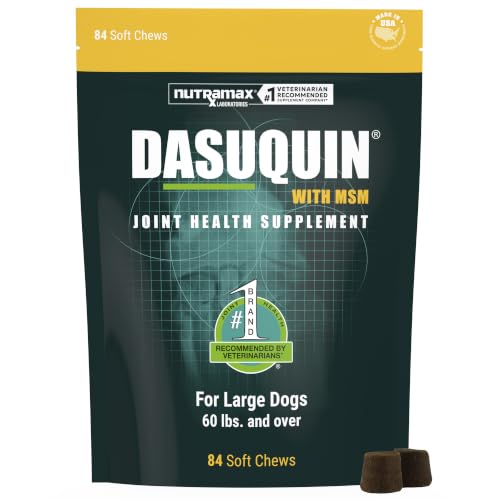
Nutramax Dasuquin with MSM for Large Dogs
What We Like
- Soft chew format
- Designed for large dogs per listing
- Includes glucosamine and chondroitin
- MSM and other joint-support ingredients are specified
What We Don’t Like
- Confirm the dog meets the label’s weight guidance
- Multi-ingredient blends warrant a medication and diet check
Dasuquin with MSM is positioned for large dogs and uses a multi-ingredient joint-support formula. Nutramax’s product information identifies glucosamine, chondroitin, ASU, and MSM in the line; the particular package should be checked for exact serving directions and amounts. This can help owners compare a broader formula with simpler products when speaking with a veterinarian about an older, larger dog. The soft chew format may make daily use easier for dogs that refuse tablets, and the large-dog designation is a useful starting point when assessing package fit. Still, weight category and serving size must be taken from the label, not inferred from breed or age. A large dog can also have joint pain from causes that need a clinical exam, such as injury or another orthopedic issue. The supplement’s product positioning does not diagnose a problem or establish that it will improve mobility for a given dog.
The tradeoff is complexity and cost: a multi-ingredient product gives more to review and may not be necessary for every dog. Ask the veterinarian to check the formula against the dog’s medications, existing supplements, allergies, and health history. If the vet recommends it, use the current package directions and avoid stacking it with a second product that repeats ingredients unless the clinic has calculated the combined intake. The chews may be more appealing than a tablet, but palatability differs and added flavor or calories can matter in a dog’s overall diet. Keep track of how your dog rises, walks, and uses stairs before and during any trial; do not judge results only by enthusiasm for the treat. If pain persists or worsens, schedule a reassessment rather than raising the amount. Dasuquin is best viewed as a vet-discussion candidate for owners who specifically want a large-dog soft chew with several labeled ingredients, not as a guarantee of relief.
My Recommendation
This is the strongest fit in the list when you have a large senior dog and want a soft chew with several labeled joint-support ingredients. I’d put it on the veterinarian’s shortlist, then compare the current label with the dog’s weight, health history, and existing supplements. The broader blend is a reason to check interactions, not a promise of stronger results. Confirm your dog fits the large-dog weight range and ask whether the additional ingredients are appropriate alongside current care.
Zesty Paws Senior Advanced Glucosamine for Dogs

What We Like
- Senior-focused product positioning
- Soft chew format
- Glucosamine included in the named product
- Useful label to compare for older dogs
What We Don’t Like
- Senior branding does not establish clinical benefit
- Check all active amounts and extra ingredients
Zesty Paws Senior Advanced Glucosamine is a senior-labeled soft chew for owners who want an age-specific product presentation. The manufacturer’s formula information should be checked on the current package because ingredients and directions can change; the verified listing identifies the product as a chicken-flavored senior joint supplement. A senior label can make browsing easier, but it does not tell you whether the formula is right for a particular dog or whether its glucosamine amount is meaningful for that dog’s plan. Look at the guaranteed analysis and active ingredient panel, serving size, calories, and warnings. Then compare those details with the dog’s weight, diet, health conditions, and medication list. Soft chews can help with acceptance, but some dogs have food sensitivities or need a lower-calorie option. The product is a supplement, not a diagnostic test or pain treatment, so a veterinary exam remains the first step for new mobility problems.
This product is most useful as a clearly labeled option to discuss, rather than a reason to assume all older dogs need the same blend. Evidence for glucosamine supplements in dogs is mixed and does not guarantee noticeable benefit. That makes measurement important: if your veterinarian approves a trial, choose a reasonable observation period and record practical changes such as willingness to walk, ease of getting up, and recovery after activity. Follow the current label and do not combine it with another joint product without checking overlapping ingredients. If your dog develops vomiting, diarrhea, itching, or a new symptom after starting any supplement, stop and contact the clinic for advice. Also consider whether the chew fits the dog’s broader nutrition plan, since treats and supplements contribute calories. Zesty Paws may suit owners who prefer a soft chew marketed for seniors; the right choice still depends on transparent dosing, the whole formula, and the veterinarian’s assessment of the underlying mobility issue.
My Recommendation
Pick this if senior-specific positioning and a soft chew make the routine easier for your household. Before buying, compare the current active ingredient panel and calories with your vet’s recommendation; the senior label alone does not establish better evidence or a therapeutic effect. It works best as a measured, veterinarian-approved trial. Review the complete formula and serving directions rather than choosing on age-label alone, and contact your veterinarian about any new symptoms.
VetriScience Extra Strength Healthy Hip & Joint

What We Like
- Chew format for routine use
- Glucosamine and chondroitin are included
- Multiple ingredients can be reviewed with a veterinarian
- Established product line
What We Don’t Like
- Check active amounts and weight directions on the exact pack
- More ingredients mean more label review
VetriScience Extra Strength Healthy Hip & Joint is a multi-ingredient chew that gives owners another established formula to compare. The product line includes glucosamine and chondroitin alongside other ingredients; consult the current label for the complete ingredient list and the exact amounts in this version. “Extra Strength” is a product name, not evidence that the supplement outperforms simpler alternatives or will help every senior dog. The chew format can make daily administration convenient for dogs that take treats readily, while a chew may be less suitable for dogs with food sensitivities or calorie limits. When comparing it with a tablet, assess serving size, active amount per day, and dog-weight instructions. A senior dog’s health history matters as much as the label, especially if it already receives medication or another supplement. Bring the package details to your veterinarian so the clinician can check whether the formula belongs in the care plan.
A multi-ingredient chew can be a reasonable candidate if its label is clear and the dog will take it consistently. The important limitation is that supplement evidence is not uniform, and none of these products should replace diagnosis or pain management. Ask the clinic what change would count as a useful response and when to follow up; a simple log of getting up, walking, and stair use can make the trial easier to assess. Follow label directions exactly rather than increasing the serving because a dog still seems stiff. Check whether ingredients overlap with other products, and stop to seek veterinary guidance if an adverse reaction appears. Consider treat calories as part of daily feeding, especially for a dog whose weight affects joint load. This formula is a sensible comparison point for owners who want a soft chew with several joint-support ingredients, provided they are willing to verify the exact formulation and set realistic expectations.
My Recommendation
VetriScience is a reasonable comparison option for owners who want a soft chew with glucosamine, chondroitin, and additional ingredients. I would review its current label with the veterinarian, especially if the dog takes medication or another supplement. Choose based on the daily active amounts, not the “extra strength” wording on the package. The final choice should match the dog’s history and measurable goals, with a follow-up plan if mobility stays the same.
Nutramax Cosequin Senior Soft Chews

What We Like
- Soft chew alternative to standard tablets
- Senior-focused product version
- Nutramax lists serving instructions by weight
- Easy to compare with the tablet line
What We Don’t Like
- Confirm current formula and serving directions
- Flavor and chew acceptance vary by dog
Cosequin Senior Soft Chews combine the familiar Cosequin name with an age-targeted chew format. The manufacturer’s current product information identifies glucosamine and chondroitin and presents this version for senior dogs; check the exact package for the full formula, active amounts, directions, and warnings. This is useful for an owner whose dog is reluctant to take tablets, or who wants to compare the senior chew with the standard Cosequin tablet. The format may make a daily routine easier, but it is still a supplement and should not be treated as a pain medicine. Product branding cannot determine whether stiffness comes from arthritis, injury, or another condition. If a senior dog has started limping or avoiding normal movement, have a veterinarian assess the cause before relying on a supplement trial. A clinical plan can also account for body condition, exercise, and other supports.
When comparing this soft chew with the standard tablets, focus on the ingredients and the daily amount rather than assuming that “senior” means more effective. The chew can have different serving guidance and additional ingredients, so do not substitute one version for another dose-for-dose without checking the label. Ask the veterinarian whether it fits the dog’s current diet and medications, especially if the dog uses another joint supplement. Keep a baseline of everyday function, follow the prescribed or label schedule, and check back with the clinic if mobility does not improve or worsens. A chew can contribute calories and may not suit every dog’s preferences or sensitivities. Cosequin Senior is a convenient choice for owners who want a soft chew from the same family as a well-known tablet product, but the correct formula depends on the individual dog and current label.
My Recommendation
Consider this version if your senior dog accepts soft chews more readily than tablets and your veterinarian is comfortable with its current formula. It is a format and age-targeting choice, not proof that senior dogs respond better. Check label directions carefully before switching from another Cosequin product. Keep the package handy when you ask about a switch so the clinic can compare servings and active amounts. Choose it only after checking label amounts, routine convenience, and the veterinary follow-up plan.
NaturVet Senior Dog Wellness Hip & Joint Advanced Plus

What We Like
- Senior-specific formula
- Soft chew format
- Manufacturer identifies glucosamine, chondroitin, and MSM
- Provides another comparison beyond the Cosequin line
What We Don’t Like
- Check the full formula for additional ingredients
- Discuss use with the veterinarian before starting
NaturVet Senior Dog Wellness Hip & Joint Advanced Plus is a senior-focused soft chew with glucosamine, chondroitin, and MSM in the manufacturer’s formula information. It gives owners a distinct option to compare when shopping beyond the better-known Cosequin and Dasuquin lines. The “Advanced Plus” name should not be interpreted as clinical evidence or a promise of improved mobility. Review the exact package for the complete ingredient panel, active amounts, daily directions, and warnings because listings and formulations may vary. This is particularly important for an older dog already taking medication or a separate supplement. A soft chew may make administration easier, but acceptance and tolerance differ from dog to dog. If your dog is newly stiff or painful, a supplement should not delay an examination; the veterinarian can determine whether an injury, arthritis, or another health problem is involved and discuss an overall plan.
The strongest reason to consider NaturVet is the combination of senior positioning and a chew format, not a guarantee that a more complex blend will be more effective. Evidence for common joint-supplement ingredients is mixed, so treat any change as something to assess rather than expect. Ask your veterinarian whether this formula’s ingredients and serving directions suit your dog, and whether it duplicates anything already in the diet. If approved, follow the package and track ordinary movement over time; do not raise the dose if you see no change. Check calories and flavor ingredients as well, particularly for a dog with food sensitivities or weight-management needs. Contact your veterinarian if symptoms worsen or a reaction appears. NaturVet belongs on the comparison list for owners looking for a senior-branded soft chew with several named joint ingredients, as long as the current label is clear and the care plan is guided by a professional.
My Recommendation
This is a good comparison pick when you want a senior-branded soft chew with glucosamine, chondroitin, and MSM. Ask the veterinarian to review the full current label and serving directions alongside the dog’s other supplements and medicines. I would choose it for fit and ease of use, not for the “Advanced Plus” name. Compare it against simpler formulas and choose only after checking the complete label and the dog’s existing care plan.
FAQs
Does glucosamine help senior dogs?
Evidence for glucosamine and related joint supplements in dogs is mixed. Some owners may discuss a monitored trial with their veterinarian, but no product guarantees pain relief or improved mobility.
How long does a joint supplement take to work?
There is no reliable timeline that applies to every dog. Ask your veterinarian whether a trial makes sense, what changes to track, and when to follow up.
Can I combine glucosamine with my dog’s medication?
Check with your veterinarian first. Share the complete ingredient list and the dog’s medications, diet, and other supplements before adding a product.
Should I give a supplement for a new limp?
No supplement should delay assessment of a new or worsening limp, pain, or difficulty standing. Contact your veterinarian to identify the cause and discuss treatment.
Final Verdict
For a senior dog, the right glucosamine supplement is the one whose formula, format, and serving directions fit a veterinarian-guided plan. Cosequin offers a straightforward tablet and a senior soft-chew option; Dasuquin suits owners comparing a broader large-dog formula. VetIQ, VetriScience, Zesty Paws, and NaturVet provide other chew formats and ingredient combinations. Check labels carefully, set realistic expectations, and seek care for pain or new mobility problems.
Related reading: our guide to joint supplements for dogs with hip dysplasia.
Feature photo by Vincent van Zalinge via Unsplash.
Affiliate disclosure: As an Amazon Associate, PetAdvisorPro earns from qualifying purchases.