
Mosquito protection for dogs depends on the product label, the dog’s weight, and how the product is meant to be used. A monthly topical is different from a spray applied to the pet, and both are different from a yard treatment. We compared five verified options with mosquito-related labeling or product claims, including dog-directed topicals, pet sprays, and one yard-and-kennel treatment. The list stays focused on products with a clear use case instead of treating every flea-and-tick product as a mosquito repellent. Read the exact label before use, especially in homes with cats, puppies, or dogs taking other preventives. Repellents do not replace heartworm prevention or testing, and a veterinarian can help match protection to your dog’s health and local risk.
Quick Picks
| Product | Best For | Key Advantage | View on Amazon | Jump to Review |
|---|---|---|---|---|
| K9 Advantix II Large Dog Topical | monthly topical for 21–55 lb dogs | label includes mosquito protection | View on Amazon | Jump to Review |
| Amazon Basics Flea, Tick & Mosquito Topical for X-Large Dogs | over-55 lb dogs | x-large weight band and mosquito indication | View on Amazon | Jump to Review |
| Vet’s Best Mosquito Repellent Spray for Dogs & Cats | plant-based direct-use spray | spray format for dogs and cats 12 weeks and older per maker | View on Amazon | Jump to Review |
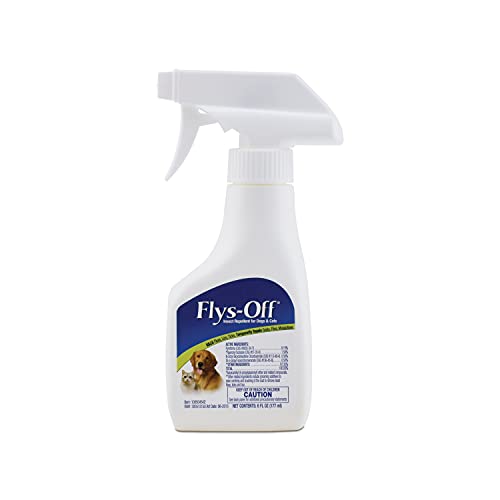
| Farnam Flys-Off Insect Repellent for Dogs & Cats | spray-on insect repellent | label category includes mosquitoes and other flying insects | View on Amazon | Jump to Review |
| Vet’s Best Yard & Kennel Spray Refill | treating outdoor surfaces | large refill intended for yard and kennel areas | View on Amazon | Jump to Review |
How to choose a mosquito repellent for dogs
First decide where protection is needed: on the dog, for a short outing, or across a yard surface. Use only products labeled for that use. Check the dog’s age and exact weight, active ingredients, frequency, application site, and any bathing or reentry directions. A topical must match the weight band; a yard product should never be treated as a pet spray. If cats share the home, review permethrin warnings carefully and follow the product’s separation instructions. Ask your veterinarian before combining parasite products, changing a preventive, or using a repellent on a dog with health issues.
Mosquito bites can matter beyond irritation, but no repellent replaces heartworm prevention, testing, or veterinary care. Keep standing water minimized and provide a screened or sheltered resting area when possible. Never use human insect repellent on a dog unless a veterinarian directs it, and do not infer safety from “natural” or plant-based wording. Follow the exact package label and contact a veterinarian if a pet has a reaction.
K9 Advantix II Large Dog Topical

What We Like
- Mosquito protection is stated by the manufacturer
- Large-dog size for 21–55 lb dogs
- Monthly topical format
- EPA-registered product label
What We Don’t Like
- Not the correct weight pack for dogs over 55 lb
- Contains permethrin; keep cats away per label
K9 Advantix II is a monthly topical option with mosquito protection stated in the product labeling. This verified package is for dogs weighing 21 to 55 pounds, so it is a fit only when the dog falls inside that range; owners of heavier dogs need the correct weight-specific package instead. The active ingredients include permethrin, and the label is the authority for eligibility, application, and precautions. Follow the product directions exactly, including keeping treated dogs away from cats as directed. This matters in mixed-pet homes because permethrin-containing dog products can be dangerous to cats. The topical format may suit owners who already manage monthly parasite prevention and prefer an on-dog product to a spray. It is not appropriate to assume that a flea-and-tick product protects against mosquitoes unless its current label specifically says so.
The principal tradeoff is that this is a pesticide treatment with species-specific handling rules, not a casual outdoor spray. Check the dog’s exact weight, age, health conditions, and other parasite products with a veterinarian before starting or switching. Use the right size pack and do not split doses or combine topicals unless the veterinarian approves. Keep cats from contact with a wet application and follow all label separation and drying instructions. Mosquito protection also does not replace heartworm prevention, testing, or veterinary care; ask the clinic what prevention plan is appropriate where you live. If the dog has a reaction, follow label first-aid guidance and contact a veterinarian. For a 21–55 pound dog whose household can follow the precautions, this is one of the more clearly labeled mosquito-specific options in the comparison, but the label and veterinary guidance should decide whether it is suitable.
My Recommendation
This is my top label-led pick when the dog weighs 21–55 pounds and the home can follow permethrin precautions. Confirm the exact weight range and current instructions with your veterinarian, especially if cats share the home or the dog uses other parasite preventives. It is not the right package for dogs above 55 pounds. It is a better fit when the owner wants a pet-directed monthly product and can maintain reliable cat separation during application. It also suits owners who want one labeled monthly product rather than repeated spray application.
Amazon Basics Flea, Tick & Mosquito Topical for X-Large Dogs

What We Like
- Specified for dogs over 55 lb
- Listing identifies flea, tick, and mosquito use
- Six-count package
- Topical format
What We Don’t Like
- Check the EPA label and veterinarian guidance before use
- Permethrin precautions apply; protect cats from exposure
This Amazon Basics package is listed for extra-large dogs over 55 pounds and identifies flea, tick, and mosquito protection. That weight range makes it a useful comparison for owners whose dog is too heavy for the 21–55 pound topical above. Confirm the actual dog’s weight against the product label, since a similarly named package may cover a different size. The verified listing identifies a six-count box, but package count does not determine the correct dose or whether the active ingredients suit a particular dog. Read the full current label before use and ask a veterinarian about health conditions, other treatments, and heartworm prevention. Because this is a permethrin-containing topical type, strict cat separation instructions matter in a mixed-pet household; do not let a cat contact or groom a dog until the label says it is safe.
A retailer brand does not change the need to follow its pesticide label. Check minimum age, application sites, bathing guidance, and directions for missed or repeated doses on the exact package. Never use an extra-large dose on a smaller dog, divide a tube, or layer it with another flea, tick, or mosquito product without veterinary advice. If a household has cats, ask the clinic whether the product’s handling requirements can be followed reliably before buying it. It is also important to maintain a separate heartworm prevention plan: a mosquito repellent claim does not establish protection from heartworm disease or replace testing. This option is worth considering for an over-55-pound dog only when the current label matches the dog and the owner can follow all precautions. The best reason to choose it is the clearly specified larger weight band, not a promise of better results than other labeled topicals.
My Recommendation
Consider this package for a dog over 55 pounds only after checking the current label and confirming with your veterinarian that the ingredients fit the dog’s health and prevention plan. The x-large weight band is its practical advantage. Cat separation and handling precautions need to be manageable in the home. Compare the exact active ingredients with the veterinarian, and check that this weight-specific box matches the dog’s current weight. Check the current ingredients and dose range before purchase; the dog’s weight can change over time.
Vet’s Best Mosquito Repellent Spray for Dogs & Cats

What We Like
- Made for direct use on pets per label
- Manufacturer lists use for dogs and cats
- Spray allows targeted application
- Plant-derived active ingredients
What We Don’t Like
- Must be reapplied as label directs
- Avoid eyes, nose, mouth, and irritated skin
Vet’s Best Mosquito Repellent Spray is a ready-to-use spray intended for pets, with the manufacturer listing direct use on dogs and cats 12 weeks and older. The formula is described with plant-derived ingredients such as lemongrass oil and geraniol. That makes it a different format from monthly topical preventives: the owner applies it when needed and follows the label’s repeat-use directions. Verify the current directions, active ingredient list, age minimum, and application amount on the package before using it. A botanical ingredient does not automatically mean zero risk, and some pets can react to sprays or scents. Apply carefully, avoid the face and sensitive areas, and do not let a pet lick the product while it is wet. The product is intended for animals; do not substitute it for a yard-treatment product or assume it gives month-long protection.
The main advantage is flexibility: a spray can be applied for a planned outdoor session without committing to a monthly topical. Its limitation is that coverage and duration depend on label directions and reapplication, so it may be less convenient for dogs outdoors for long periods. Use only the amount and frequency printed on the label, and test cautiously according to the manufacturer’s directions. Stop if irritation or other symptoms occur and ask a veterinarian for advice. If cats and dogs live together, follow the product’s species-specific instructions and prevent grooming until it is dry. Do not apply human insect repellents containing DEET or essential-oil blends that are not labeled for pets. Vet’s Best is a practical option for an owner seeking a direct-use spray, provided the household is comfortable with repeated application and the pet tolerates the formula.
My Recommendation
Choose this when you want a direct-use spray for a short outdoor outing and can follow the label’s age and reapplication directions. It is more flexible than a monthly topical, but it depends on careful coverage and repeat use. Introduce it cautiously and stop if your pet shows irritation. Reapply only when and as directed; more frequent spraying is not a safe way to compensate for mosquitoes. Keep the product for pet use and follow the package frequency instead of spraying more often than directed.
Farnam Flys-Off Insect Repellent for Dogs & Cats
What We Like
- Insect-repellent use for dogs and cats
- Mosquito and biting-insect label category
- Portable spray format
- Useful for targeted, supervised application
What We Don’t Like
- Read exact label for application frequency and precautions
- Avoid the face and prevent licking during application
Farnam Flys-Off is a spray-form insect repellent marketed for dogs and cats, and pesticide label records identify mosquitoes among the target flying insects. The verified product listing is a 6-ounce container. Because formulations and package directions can vary, use the label on the exact container as the controlling guide for where, how much, and how often to apply it. This is an on-animal repellent, unlike a yard spray, but it still requires careful handling. Keep the spray away from eyes, nose, mouth, and irritated skin, and do not saturate the coat unless the label specifically directs that amount. A portable bottle can be useful for outdoor use, although its practicality depends on whether the pet tolerates the spray sound and sensation. Introduce it in a calm setting and follow the label’s species and age restrictions.
The main caution is that an older or alternate label should not be replaced by assumptions based on the product name. Inspect the current package for active ingredients, first-aid directions, reapplication interval, and warnings, and ask a veterinarian if the dog is young, ill, pregnant, or taking other parasite products. Prevent licking until the label’s directions allow normal contact, and keep the bottle stored where children and pets cannot reach it. Do not combine it with another insecticide or topical preventive without veterinary guidance. Repellents also do not replace heartworm prevention or testing. Flys-Off may suit an owner who specifically wants a spray labeled for flying pests, but the current product label, not online shorthand or a seller description, should govern its use. If the label is unclear or the product has changed, check with the manufacturer or veterinarian before applying it.
My Recommendation
This is a candidate for owners looking for a portable spray with a mosquito indication, but I would read the current container label before purchase and use. Application details matter, especially around the face and in homes with cats. Choose it only if the label fits your dog and outdoor routine. If package wording is unclear, confirm the current label with the manufacturer instead of guessing from an older listing. Ask your veterinarian if your dog has a skin condition or uses another topical treatment.
Vet’s Best Yard & Kennel Spray Refill

What We Like
- Area-treatment format rather than on-pet spray
- Designed for yard and kennel use
- Large refill format
- Useful alongside pet-directed protection
What We Don’t Like
- Never apply directly to the dog unless label specifically permits
- Keep pets away during treatment and until label conditions are met
Vet’s Best Yard & Kennel Spray is an area-treatment product intended for outdoor spaces, not a substitute for a dog-directed repellent. The 96-ounce refill package is made for the brand’s yard-and-kennel use, which can make sense for owners who want to treat an outdoor area according to the current label. The product listing includes mosquito control among its pest claims, but application must follow the exact package directions for dilution, coverage, and reentry. Do not spray it on a dog, bedding, food bowls, or any surface not named on the label. A yard treatment is only one layer of an outdoor plan; it does not guarantee a mosquito-free yard or protect a dog continuously. Also reduce standing water and provide sheltered rest areas where possible. Keep the product secured and away from children, pets, waterways, and edible plants as the label directs.
Its most important distinction is location: area sprays and pet sprays are not interchangeable. Read the active ingredients and application directions before mixing or using the refill, and do not combine it with another yard pesticide unless the label allows that use. Observe all protective equipment, wind, watering, and drying instructions. Pets should remain away for the period stated on the label, and the area should be used only when the reentry conditions are met. If the dog has a history of sensitivity, discuss the plan with a veterinarian first. This can be useful for an owner treating a defined yard or kennel surface, but it does not replace an on-animal product or veterinary heartworm prevention. For more outdoor housing considerations, see our separate guide to outdoor dog kennels for large dogs.
My Recommendation
Use this only if you want an area treatment for a yard or kennel and can follow every label step for mixing, coverage, and pet reentry. It is not a dog spray. Pair environmental management with a veterinarian-approved pet protection plan rather than expecting the yard product to prevent every bite. This is an environmental layer only, so keep an on-dog and heartworm plan separate and veterinarian-approved. Pair yard treatment with a separate pet protection plan and eliminate standing water when possible.
FAQs
Can I use human mosquito spray on my dog?
Use only products labeled for dogs or specifically directed by your veterinarian. Human repellents may contain ingredients or concentrations inappropriate for pets.
Does mosquito repellent replace heartworm prevention?
No. Repellent claims do not replace veterinarian-recommended heartworm prevention and testing. Ask your veterinarian about a complete prevention plan.
Are permethrin dog products safe around cats?
Permethrin-containing dog products can be dangerous to cats. Follow the label’s separation and drying instructions and ask your veterinarian if cats live in the home.
Can I use a yard spray directly on my dog?
No, unless the exact product label specifically says that it is for direct use on dogs. Yard and kennel treatments have different application and reentry directions.
Final Verdict
For a product applied to the dog, choose by label and weight: K9 Advantix II is a clear option for dogs in its 21–55 pound band, while Amazon Basics has a verified extra-large version for dogs over 55 pounds. Vet’s Best and Farnam offer spray formats, and the Vet’s Best refill is for yard or kennel surfaces only. Use the exact current label, keep cat safety in mind, and maintain a separate veterinary heartworm plan.
Feature photo by Jamie Street via Unsplash.
Affiliate disclosure: As an Amazon Associate, PetAdvisorPro earns from qualifying purchases.