A comfortable resting place can help an older cat settle. Jumping onto a favorite sofa or climbing over a tall bed edge may have become harder. Choosing a bed, however, is personal: cats vary in sleeping posture, warmth preference, and willingness to try something new. If you are wondering how to choose the right orthopaedic cat bed for senior cats, start with daily habits. Consider mobility, too. Do not rely on labels promising “orthopaedic” support. Consider the sleeping surface, entry height, washable materials, and where the bed will sit. A best orthopaedic cat bed for senior cats should be easy to enter. It should feel comfortable and stay practical to clean. This guide explains what to look for, how to introduce a new bed, and when replacement makes sense. It also clarifies when a change in resting behavior deserves veterinary attention.
What an orthopaedic cat bed can offer
An orthopaedic-style bed usually has a padded surface. It is designed to support the body more evenly than a thin cushion. Some beds use foam, layered fill, or a supportive base. A label alone does not prove that a bed improves comfort. It also does not treat a medical problem. Cats may choose a folded blanket, a sunny patch, or a familiar chair instead.
Senior cats often benefit from a comfortable, warm resting place that is easy to reach. Veterinary resources recommend accessible resting places. Ramps can help cats with mobility limits reach favored spots. A bed can be one part of a comfortable environment, alongside clear pathways, low steps, and familiar routines. If a cat suddenly avoids resting or struggles to lie down, contact a veterinarian. Do the same if activity changes. Bedding alone may not solve the cause.
If you want to compare senior cat bed styles and fit considerations, use the review as a companion to this informational guide. The right choice depends on the cat’s behavior and the room setup, not a universal design.
How to choose the right orthopaedic cat bed for senior cats
How to choose the right orthopaedic cat bed for senior cats starts with observing where and how your cat already sleeps. Note whether the cat curls tightly, stretches out, leans against a wall, or prefers an elevated perch. Notice how easily your cat enters its current bed. Check whether that spot is quiet, warm, and free from drafts.
Match the bed to your cat’s sleeping posture
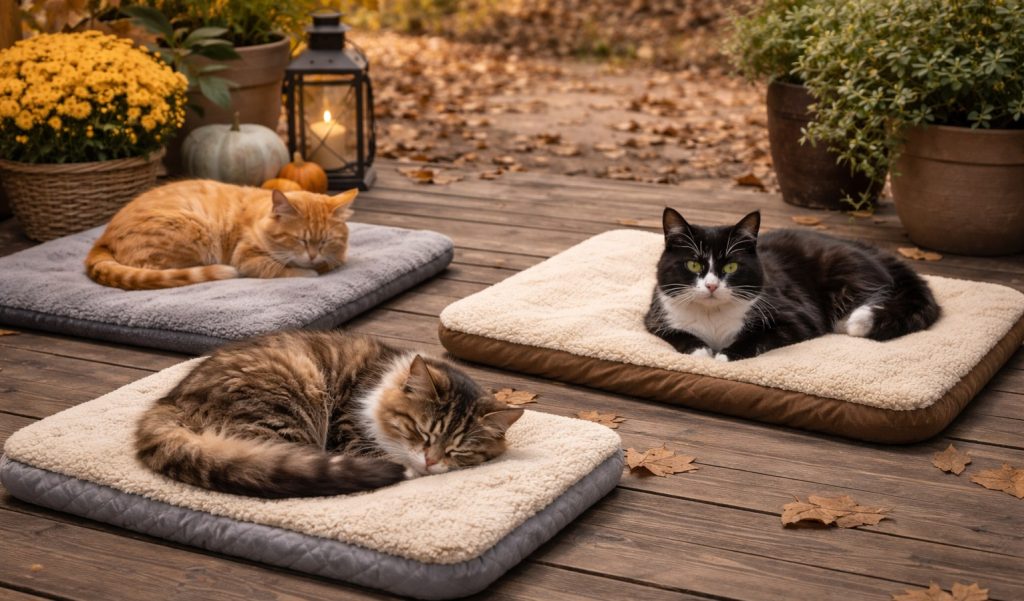
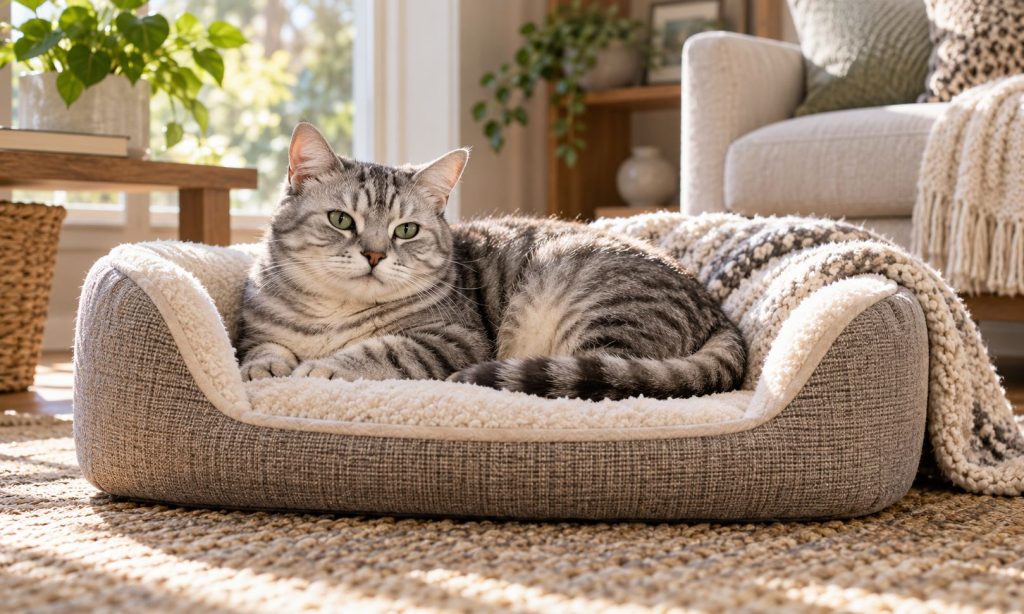
A curled sleeper may enjoy a round bed with a soft raised edge. A cat that stretches out needs enough length and width to rest without hanging off the sides. Some cats like a bolster to lean against, while others prefer a flat, open surface. Watch your cat’s current choices for several days before deciding which shape may feel familiar.
How to choose the right orthopaedic cat bed for senior cats also means measuring the cat while resting. Estimate the full length from nose to rump and add room for the preferred sleeping position. A bed that looks generous online may feel cramped if the cat sprawls. A very large bed may feel less secure to a cat that likes enclosed edges. Balance space with that preference.
Look at the sleeping surface and support
Check the bed’s base and cushioning rather than relying on words such as “orthopaedic” or “memory foam.” The surface should feel stable and should not bottom out easily under your cat’s weight. If the bed has removable layers, inspect how they fit together and whether the top layer shifts. The goal is a comfortable resting surface, not a medical treatment claim. How to choose the right orthopaedic cat bed for senior cats also depends on how long the cat rests on hard flooring.
Foam density, thickness, and construction vary. A thin pad may be easy to enter but provide little cushioning on a hard floor. A very thick cushion may feel soft but create an unstable step. Think about the floor beneath the bed and whether a non-slip bottom would help. Keep the bed on a level surface away from stairs or ledges.
Choose an entry height your cat can manage
For a cat with stiff movement or reduced balance, a low opening can make the bed easier to use. Check the height of the front edge and whether the cat must step over a tall bolster. A walk-in shape can be more accessible than a deep-sided nest. Avoid placing a new bed where the cat must jump down from a counter or climb over clutter to reach it.
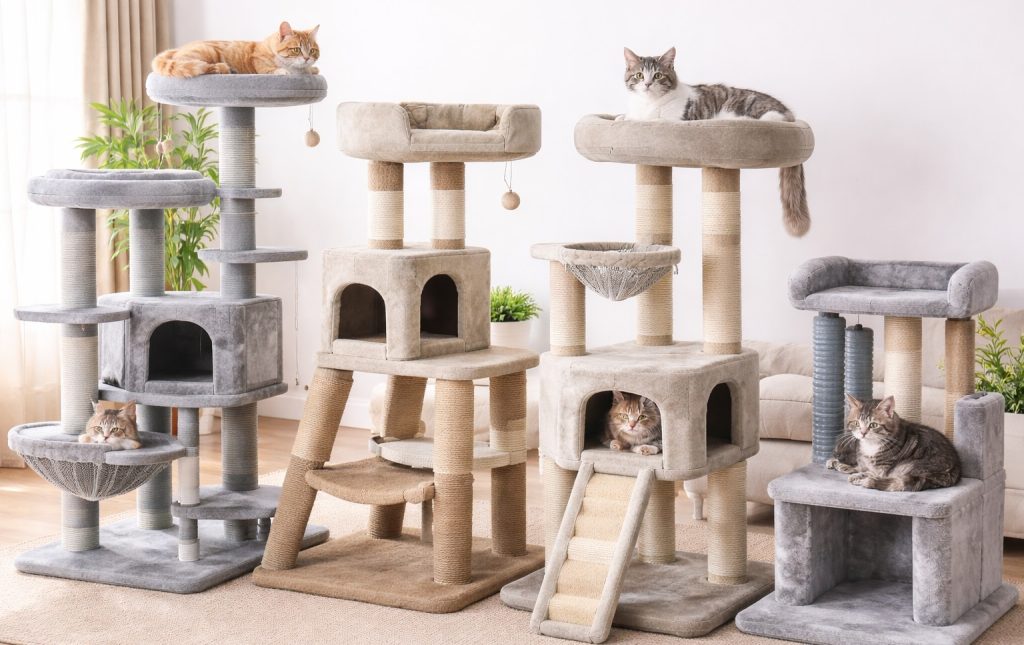
How to choose the right orthopaedic cat bed for senior cats also involves checking access from more than one side. A low-entry bed with a stable base may suit a cat that turns carefully before lying down. If your cat sleeps on a sofa or windowsill, stable steps may help. A ramp may also make that spot easier to reach. See the published guide to senior cat climbing and resting setups for related room-access ideas.
Consider warmth, breathability, and location
Older cats may seek warm resting spots, but not every cat wants a heavily insulated bed. Consider the home’s temperature, the cat’s coat, and the season. A breathable cover may be more comfortable in a warm room. Avoid placing a bed beside a heater, fireplace, or sunny window where the surface could become too hot. Keep the bed away from drafts and noisy appliances.
How to choose the right orthopaedic cat bed for senior cats can depend on location, too. The location can matter as much as the bed itself. Many cats prefer a quiet space where they can see what is happening without being disturbed. In a multi-pet household, make sure another animal cannot block access. A senior cat should have an easy way to leave the bed. For broader aging-cat access changes, the site’s older-cat litter box guide covers another common household adjustment.
Check the cover and cleaning requirements
A removable cover is convenient when it can be washed and returned without damaging the fabric. Read the care label before purchase. Check whether the cover zips off. See if the foam can be cleaned separately. Consider how long the bed takes to dry. How to choose the right orthopaedic cat bed for senior cats also involves choosing a cover you can clean. Washable materials help manage fur, dust, or spills.
How to choose the right orthopaedic cat bed for senior cats includes planning for everyday cleaning. Choose materials that tolerate the cleaning routine you can maintain. If the bed has a waterproof liner, check that it does not make the surface crinkly or noisy. A familiar blanket can be added on top if it stays flat and does not block the entry.
Check construction and household safety
Look for secure seams, intact zippers, and fill that cannot be reached easily by chewing. Avoid loose ties or small detachable parts. The base should not slide across the floor when your cat steps in or out. If you notice exposed foam, sharp edges, or loose threads, repair or replace the bed before continued use.
A heated bed needs extra care. Follow the manufacturer’s safety instructions. Do not use heated bedding with damaged wiring, wet fabric, or an unapproved power source. Cats should be able to move away from warmth easily. Ask your veterinarian before using a heated product. Do this if your cat has a condition affecting sensation or temperature regulation.
Introduce a new bed without pressure
How to choose the right orthopaedic cat bed for senior cats includes a careful introduction. Let the cat explore at its own pace. Place it near a familiar resting area, but leave the cat’s current favorite spot available. A familiar blanket or scent can make the new surface less unfamiliar. Let the cat investigate without carrying or pushing them into it.
Some cats use a new bed right away. Others ignore it for days or weeks. That response does not mean the bed is defective, and it does not mean the cat is being difficult. Try moving it to a location the cat already chooses. Keep food, water, litter, and resting areas easy to access without forcing the cat to cross busy paths.
If your cat seems uncomfortable or avoids a bed it once used, check the entry height. Consider whether the material is too warm or the location is noisy. A new difficulty lying down or getting up can also reflect a health change. A veterinarian can assess pain and mobility; a bed is not a substitute for that evaluation.
How often should you use or replace an orthopaedic cat bed?
There is no set number of hours an older cat should spend in an orthopaedic bed. Let the cat choose among comfortable resting places. You can keep a bed available throughout the day, but do not confine the cat to it. A range of accessible resting spots can help the cat choose a preferred temperature and location.
How often should you replace an orthopaedic cat bed for senior cats? Replace it if cushioning becomes flat or lumpy. Also replace it if the cover tears, the base slips, seams open, or odors remain after cleaning. Also reassess it if your cat’s body size, mobility, or preferred sleeping posture changes. A bed that used to fit may no longer be easy to enter.
Wash covers as often as the care label and household conditions require. Clean spills promptly and let all components dry fully before reassembling. Check for loose foam or damaged zippers during each wash. Even a well-made bed needs inspection, particularly if your cat scratches or chews the fabric.
When to ask a veterinarian about changes in rest
A new bed can make a resting place more accessible. It cannot explain why a cat’s sleeping habits changed. Contact a veterinarian if your cat suddenly stops jumping or withdraws. Seek advice if it vocalizes when moving, struggles to get comfortable, or changes litter box habits. These signs can have several causes, and only an examination can identify the reason.
Older cats may develop joint or other health conditions, but age alone does not establish a diagnosis. Keep notes about the behavior, timing, and home changes you observe. Share them with the veterinary team. Do not give human pain medicine or apply topical products unless a veterinarian specifically directs you to do so.
Frequently asked questions
These quick answers address common questions about senior cat beds, comfort, and upkeep.
Does an orthopaedic cat bed treat arthritis?
No bed should be described as a treatment for arthritis. Supportive bedding may provide a comfortable resting surface, but a veterinarian should assess pain, stiffness, or changes in movement.
Is memory foam always best for a senior cat?
No. Cats differ in their preferences, and foam quality and construction vary. Focus on stable cushioning, easy entry, suitable size, and whether your cat chooses to use the bed.
Should I choose a raised edge or a flat bed?
Choose based on how your cat sleeps and moves. A raised edge may suit a cat that likes to lean or curl. A flat bed may be easier to enter and leave.
How can I get my older cat to use a new bed?
Place it near a familiar resting spot and add a familiar blanket if safe. Let your cat explore it voluntarily. Try a quieter location if the cat avoids the first placement.
When should I replace a senior cat’s bed?
Replace the bed when its support flattens. Replace it if the cover is damaged, the bed slips, or cleaning no longer works. Reassess fit when your cat’s needs change.
Final words
How to choose the right orthopaedic cat bed for senior cats is a practical question. Consider comfort, access, and cleaning. Observe your cat’s sleeping style. Choose a stable surface with a manageable entry. Place the bed somewhere quiet and easy to reach. Introduce it gradually and keep other familiar resting options available. A best orthopaedic cat bed for senior cats is one your individual cat uses comfortably, not one with the boldest label. Inspect bedding regularly, clean it according to its care instructions, and replace it when support or safety declines. If your cat’s movement, rest, or behavior changes, ask a veterinarian for an assessment. A bed may not solve the problem.