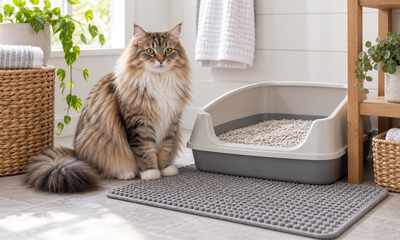
Long fur can collect loose litter around a cat’s paws, belly, or tail, but changing litter affects more than cleanup. Cats may prefer a familiar texture, and a sudden switch can lead to avoidance or tracking in a different part of the home. If you are asking what to look for in cat litter for long haired cats, start with the litter your cat already accepts, then note what is sticking, scattering, or creating extra dust. Particle size, clumping behavior, scent, depth, and box design all influence daily use. This guide explains how to compare those features, transition gradually, and decide when to change or replace litter. It also separates common housekeeping frustrations from signs that need veterinary attention. The phrase Best Cat Litter for Long Haired Cats does not point to one perfect formula; the most useful option is one your cat consistently uses and you can maintain safely.
Why litter can be challenging for long-haired cats
When deciding what to look for in cat litter for long haired cats, note whether loose particles are sticking to the paws, belly, or tail. Long fur may pick up loose particles, especially if the litter is lightweight, dusty, or wet near the box. Some cats scatter litter as they dig or cover waste. A litter mat, regular scooping, and a box with enough space can reduce mess, but no litter completely prevents tracking.
Owner experiences vary. Some long-haired cats track one litter across the room, while another cat in the same household leaves little behind. These personal reports are useful reminders to observe your own cat; they do not prove that a material works for every cat. What to look for in cat litter for long haired cats begins with your cat’s preferences and the type of mess you want to reduce.
What to look for in cat litter for long haired cats
The first step in what to look for in cat litter for long haired cats is noting the features that affect both your cat and your cleanup routine. For what to look for in cat litter for long haired cats, consider granule size, texture, dust, clumping, scent, and how the cat responds after a gradual transition.
Texture and particle size
For what to look for in cat litter for long haired cats, compare the texture your cat already accepts with the particle size you are considering. Fine particles may feel familiar to cats that already use traditional clay litter, but they can cling to fur and paws. Larger pellets may track less for some households, though a cat may dislike their texture or sound. No particle size is best for every cat. Watch whether your cat digs, covers, and exits the box comfortably.
If your cat steps carefully, avoids the litter, or eliminates beside the box after a change, return to a familiar option and ask your veterinarian if the behavior continues. Do not assume that a cat will accept a new texture simply because it is marketed for long-haired breeds.
Dust and scent
Another point in what to look for in cat litter for long haired cats is visible dust. Low-dust litter may make cleanup easier, especially in a small room or near a ventilation system. Scented litter can smell pleasant to people but may bother some cats. Unscented options are often a sensible starting point when you are comparing a new texture, since they avoid changing both scent and feel at once.
Check for visible dust when pouring and scooping. Follow the package’s handling directions and avoid adding fragrances or deodorizing powders unless a veterinarian recommends them. If a cat coughs, sneezes, or avoids the box after a change, stop using the new litter and discuss the reaction with your veterinarian.
Clumping and moisture handling
Clumping behavior is part of what to look for in cat litter for long haired cats. Clumping litter can make daily waste removal easier, while non-clumping litter may require more frequent full changes. Either type can work if the cat accepts it and the box stays clean. For a long-haired cat, check whether damp litter sticks to fur or paws. Scoop regularly and remove wet clumps before they break apart.
Do not choose solely by claims about odor control. A clean box, sufficient litter depth, and a suitable location contribute to odor management. If your cat uses a covered box, make sure there is enough room to turn around and that the opening does not trap long fur or make entry difficult.
Box size and litter depth
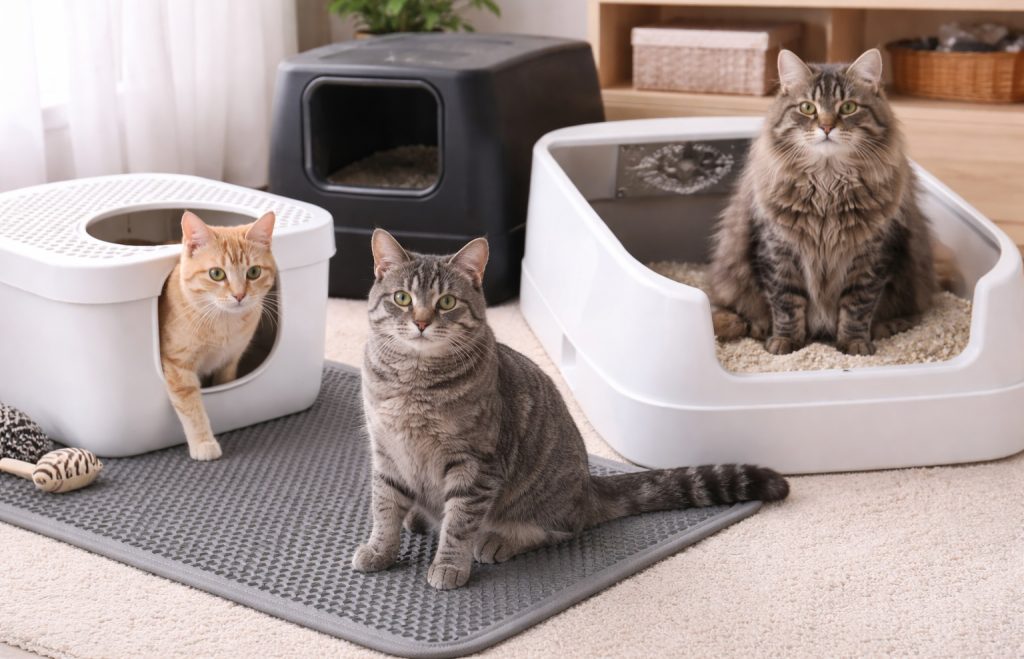
When considering what to look for in cat litter for long haired cats, check the box as well as the litter. A spacious litter box gives the cat room to turn and dig. Long fur should not get trapped under a high lip or caught in a door flap. If the cat is large, check the inside dimensions rather than the box’s outside measurements. Use the depth recommended on the litter package and maintain it as you scoop and refill.
Place a litter mat just outside the box if your cat tolerates it. Choose a mat that lies flat and is easy to clean. Avoid a setup that blocks a doorway or forces the cat to step over a sharp edge. The mat can catch loose particles, but it should not replace cleaning the box or checking the cat’s paws and coat.
How to choose the right cat litter for long haired cats
How to choose the right cat litter for long haired cats is a process of matching cat acceptance with a manageable cleanup routine. Change one feature at a time so you can tell whether texture, dust, scent, or clumping caused a difference.
- Write down the current litter type, scent, and particle size.
- Identify the main problem: fur sticking, tracking, dust, odor, or scooping.
- Choose one new feature to test rather than changing the full setup.
- Mix the new litter into the familiar litter gradually over several days or longer.
- Watch box use, digging, tracking, and the cat’s comfort during the transition.
If your cat refuses the new litter, return to the familiar material and slow the transition. If avoidance continues, or the cat strains, cries, urinates more often, or has blood in the urine, contact a veterinarian. A litter preference change can overlap with a health concern, so do not try several new litters while ignoring persistent symptoms.
What to look for in cat litter for long haired cats: quick checklist
A short checklist helps you compare options without assuming that a particular material suits every long-haired cat.
- Cat acceptance: Does your cat enter, dig, cover, and leave the box comfortably?
- Fur and paw tracking: Does litter stick to the coat or travel far from the box?
- Dust and scent: Is there visible dust or a fragrance your cat avoids?
- Clumping: Can you scoop waste cleanly without the litter breaking apart?
- Box fit: Is there room for your cat to turn and dig without catching its coat?
- Care: Can you scoop, refill, and replace the litter at a routine you can sustain?
When comparing options, do not switch to a new litter based on a label alone. Our Best Cat Litter for Long Haired Cats guide covers common material and tracking considerations. Use it as background, then observe how your own cat responds.
How often should you use or replace cat litter for long haired cats
For how to choose or replace litter, check the box daily. Scoop waste at least daily and follow the litter maker’s guidance for full changes. The schedule depends on the litter type, number of cats, box size, and how often the cat uses it. Keep enough litter in the box for digging, and refill as needed to maintain the recommended depth.
Replace litter when it is soiled, no longer clumps properly, or develops an odor that persists after scooping. Wash and dry the box during full changes according to safe household cleaning directions. Avoid harsh or strongly scented cleaners that may leave residue or discourage the cat from using the box.
There is no calendar date that fits every household. If litter becomes wet, contaminated, or difficult to scoop cleanly, change it sooner. Regular care supports what to look for in cat litter for long haired cats over time. A clean box is easier to monitor for changes in urine and stool, which can help you notice when your cat’s habits shift.
When litter habits need veterinary attention
A cat that suddenly avoids the box, strains, cries while urinating, produces very little urine, or has blood in the urine should be assessed by a veterinarian. Urinary problems can become urgent. Do not assume a new litter texture is the only reason for a sudden behavior change.
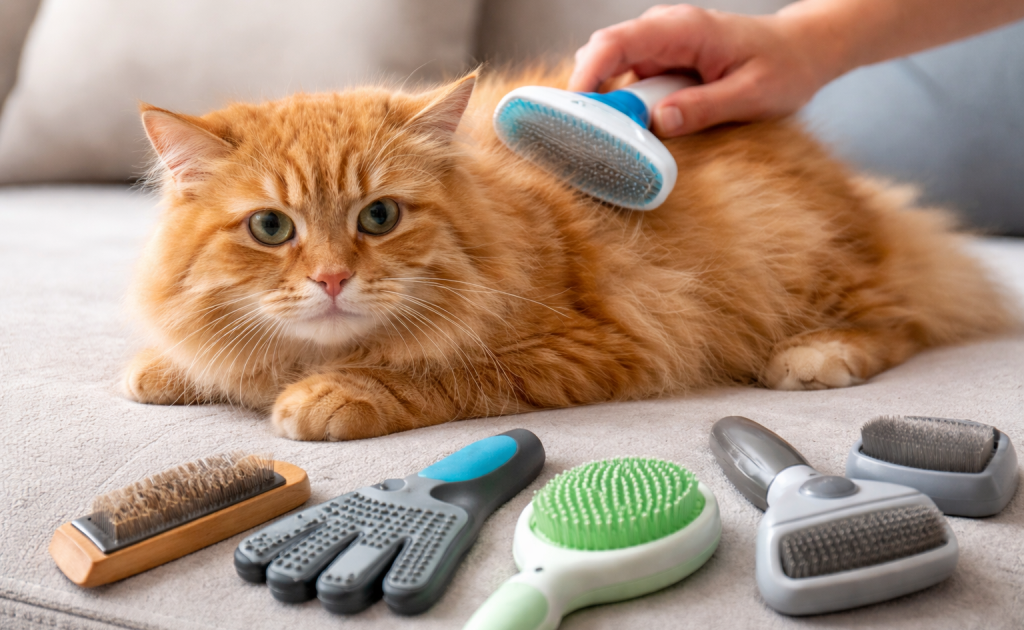
If litter is stuck to the coat, remove loose particles gently. Do not pull at mats or use scissors close to the skin. Ask a groomer or veterinarian for help if the fur is matted, the skin looks irritated, or cleaning causes distress.
Frequently Asked Questions
1. What type of litter is best for long-haired cats?
There is no single best type for every cat. Compare texture, dust, scent, clumping, and tracking, then choose one your cat consistently uses.
2. Does pellet litter prevent tracking?
It may reduce tracking in some homes, but cats vary in their response. Try a gradual transition and monitor whether your cat accepts the texture.
3. How do I stop litter from sticking to my cat’s fur?
Keep the box clean, remove wet clumps promptly, and inspect the paws and coat. If litter sticks repeatedly, consider a gradual change in texture and ask a groomer or veterinarian about coat care.
4. How often should I change cat litter?
Scoop daily and follow the litter’s directions for full changes. Replace it sooner if it becomes soiled, stops clumping, or develops persistent odor.
5. Should I trim the fur around my cat’s paws?
Ask a groomer or veterinarian before trimming, especially if your cat resists handling. Do not cut close to the skin or use scissors on mats.
Final Words
What to look for in cat litter for long haired cats is a balance of comfort, cleanability, and your cat’s willingness to use the box. Choose one feature to change at a time, scoop regularly, and check whether damp litter is sticking to the coat. Best Cat Litter for Long Haired Cats is a search phrase, not a guarantee of one universal material. Let your cat’s habits guide the final choice, and seek veterinary advice if litter-box behavior changes suddenly or your cat seems uncomfortable.