Silica litter is often considered for odor control because its crystals absorb moisture, but the litter still needs regular care and your cat must be comfortable using it. If you are deciding how to choose the right silica cat litter for odor control, start with the litter your cat currently accepts, the number of boxes in your home, and how much daily scooping you can manage. Crystal size, dust, texture, clumping behavior, scent, and package directions vary. A litter that helps contain odors may still be a poor match if your cat avoids the box or tracks crystals through the home. This guide explains what to compare, how to introduce a change gradually, and when to refresh or replace the litter. The phrase Best Silica Cat Litter for Odor Control does not guarantee one type will work for every cat or household.
How silica litter works in a litter box
For people learning how to choose the right silica cat litter for odor control, understanding the crystal format is a useful start. Silica litter is made from absorbent mineral crystals. Depending on the formula, the crystals may absorb moisture and help reduce odor between full litter changes. Some products are non-clumping, while others use different crystal sizes or blends. Read the directions because the recommended depth, stirring, scooping, and replacement schedule can differ.
If you are considering how to choose the right silica cat litter for odor control, remember that the box routine matters too. Odor control also depends on the litter box routine. Scoop waste as directed, remove solid waste promptly, keep the box in a ventilated area, and maintain enough clean litter. A box that is too small, crowded, or infrequently cleaned can smell even when the litter itself is designed to absorb moisture.
How to choose the right silica cat litter for odor control
When you decide how to choose the right silica cat litter for odor control, consider both the product’s instructions and your cat’s comfort. The best choice is an option your cat accepts and your household can maintain reliably.
Compare crystal size and texture
Crystal size affects how litter feels under a cat’s paws and how easily it scatters. Larger crystals may track differently from fine granules, but some cats dislike a coarse texture. Observe how your cat steps into the box and whether it digs and covers normally after a gradual introduction.
What to look for in silica cat litter for odor control includes whether your cat consistently uses the box. A strong odor claim is not helpful if the cat avoids the litter. For cats with sensitive paws or a strong preference for a familiar texture, change slowly and keep a second box with the old litter during the transition if space allows.
Check dust, scent, and tracking
Another part of how to choose the right silica cat litter for odor control is deciding what dust and scent level works for your home. Look for clear information about dust and fragrance. A scented product can seem like an easy fix, but added fragrance may bother some cats or mask an underlying cleaning problem. If dust is a concern, pour slowly and watch for visible particles. Follow any handling precautions on the package.
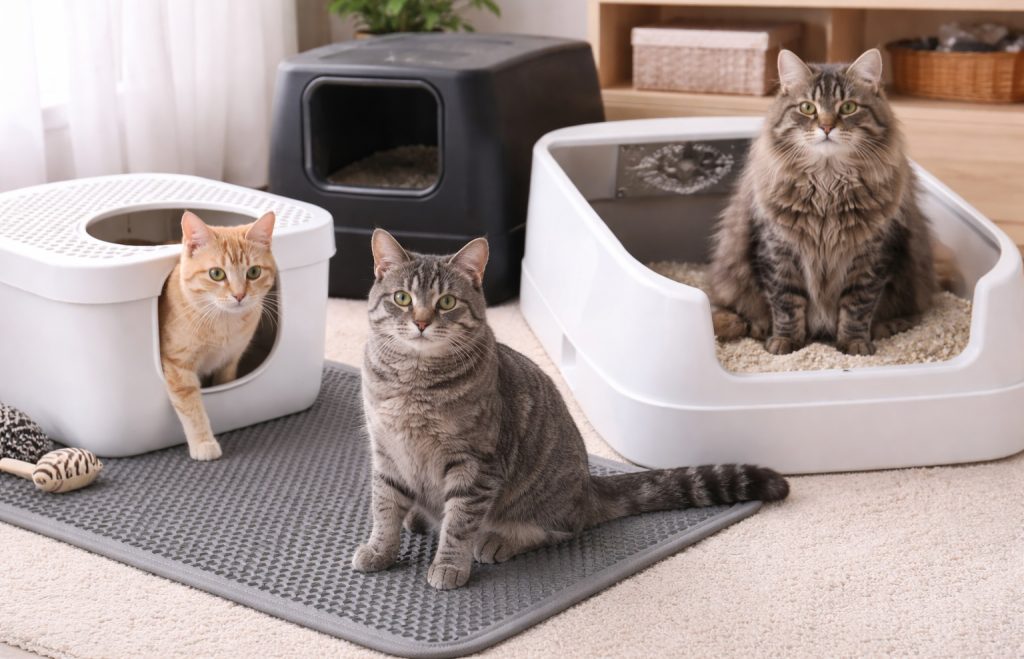
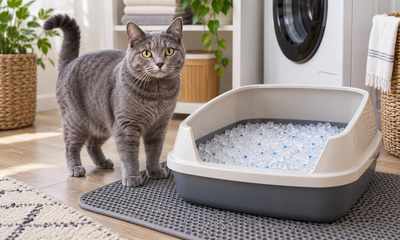
Place a litter mat outside the box to catch loose crystals, but make sure the mat does not slide or block entry. Some owners report that silica litter reduces odor or tracking in their homes; others find crystals on the floor or a cat that will not use the texture. Those household experiences vary. Try one change at a time to see what happens in your own setup. This makes how to choose the right silica cat litter for odor control a household trial based on observed box use rather than assumptions.
Understand clumping and maintenance
Silica litter products may be clumping or non-clumping. Check the exact directions for scooping solid waste, stirring the litter, and changing the full tray. Do not use a clumping method with a non-clumping product unless its instructions say to do so. If a formula uses color changes or moisture indicators, treat them as product features, not as a substitute for observing your cat or contacting a veterinarian about health concerns.
If you use an automatic litter box, confirm that the manufacturer’s instructions allow the specific litter type and particle size. Crystal size can affect how the mechanism moves or separates waste. Our guide to cat litter for automatic litter boxes covers compatibility as a separate consideration.
Consider box size and household needs
When deciding how to choose the right silica cat litter for odor control, consider whether the box itself is clean and roomy. A suitable litter can still perform poorly in a crowded box. Make sure the box offers enough space for each cat to turn, dig, and leave. In a multi-cat household, provide enough litter boxes in accessible locations and scoop them regularly. Keep the box away from food and water stations where practical.
If your cat has long fur, check whether crystals stick to its paws, belly, or tail. A litter mat and a spacious box may help with cleanup. For more on tracking and coat-related mess, see our guide to cat litter for long-haired cats.
What to look for in silica cat litter for odor control
Use this checklist to compare materials and directions without assuming that odor control alone makes a litter suitable.
- Texture: Check crystal size and whether your cat accepts the feel under its paws.
- Dust and fragrance: Look for clear handling information and consider an unscented option if your cat avoids scented litter.
- Maintenance: Follow the exact instructions for scooping, stirring, and full replacement.
- Box compatibility: Confirm that the litter works with your box or automatic system.
- Tracking: Observe how much litter reaches the floor and whether a stable mat helps.
- Cat acceptance: Watch whether your cat digs, covers, and returns to the box normally.
If you are comparing options, our Best Silica Cat Litter for Odor Control guide covers common design differences. The article is a comparison resource; use the litter’s own instructions and your cat’s behavior to decide what fits.
How to introduce silica litter gradually
A gradual switch is central to how to choose the right silica cat litter for odor control because it lets you monitor whether your cat accepts the new texture. A gradual switch gives your cat time to adjust and helps you see whether the new texture is accepted. Start by mixing a small amount of silica litter into the familiar litter, then increase the proportion over time if your cat continues to use the box. Keep the box in its usual location and avoid changing the food, box style, and litter all at once.
If your cat stops using the box, returns to the old litter if available, or appears reluctant to step into the tray, slow down or stop the transition. Do not withhold the familiar litter to force acceptance. Some cats adapt quickly; others prefer the litter they already know.
How often should you use or replace silica cat litter for odor control
Follow the product’s directions for daily scooping, stirring, and full replacement. How to choose the right silica cat litter for odor control also includes knowing when its capacity is spent. Even when a litter is designed to absorb moisture, it does not remain effective indefinitely. Scoop waste promptly and replace the litter sooner if it becomes saturated, smells persistently, or no longer stays clean.
When choosing how to choose the right silica cat litter for odor control, plan for the amount your household will need. The amount of time a bag lasts depends on the number of cats, box size, litter depth, and frequency of use. Keep the box clean rather than relying on a fixed calendar estimate. Wash and dry the box during full changes according to safe household cleaning directions, and refill it to the recommended depth.
If your cat eats litter, has repeated contact with dusty material, or shows a sudden change in urination or defecation, stop and ask a veterinarian what to do. Do not rely on color indicators or odor-control claims to assess a health problem.
Frequently Asked Questions
1. Does silica cat litter control odor?
Some silica formulas are designed to absorb moisture and reduce odor, but results depend on the product, cleaning routine, box setup, and cat use. Follow the package directions.
2. Do I need to scoop silica litter?
Follow the specific litter’s instructions. Many products still require daily removal of solid waste and regular mixing or full replacement.
3. Is silica litter safe for every cat?
No single litter type suits every cat. Ask your veterinarian if your cat eats litter, has a respiratory concern, or shows discomfort after a change.
4. How often should I replace silica cat litter?
Use the schedule on the package and replace it sooner if it becomes saturated, dirty, or persistently smelly. The number of cats and box use affect the timing.
5. What if my cat refuses silica litter?
Return to the familiar litter and slow the transition. If box avoidance continues or your cat seems uncomfortable, contact your veterinarian.
Final Words
How to choose the right silica cat litter for odor control means balancing odor management with your cat’s texture preference, box routine, and comfort. Start with the package directions, introduce the litter gradually, and keep scooping on schedule. The phrase Best Silica Cat Litter for Odor Control does not replace the daily work of maintaining a clean, accessible box. If your cat avoids the litter or its bathroom habits change, stop experimenting and ask your veterinarian for guidance.