Disclosure: As an Amazon Associate, PetAdvisorPro earns from qualifying purchases. This article is informational and product details can change; check the current label and listing before buying.
When your horse looks too lean, a supplement can seem like the quickest answer. But unexplained weight loss deserves a closer look: dental problems, parasites, illness, feed competition, and forage quality can all affect condition. Start with a veterinarian and a review of the whole ration. The University of Minnesota Extension’s underweight horse guidance emphasizes evaluating the horse and making diet changes carefully. The picks below add calories in different formats; they are not treatments or substitutes for forage.
If your plan centers on oil or fat for an older horse, compare these broader options with our guide to fat supplements for senior horses. Forage remains the foundation, and owners can also review hay choices for horses in winter when seasonal intake or hay quality is part of the concern.
Quick Picks
| Product | Best For | Key Advantage | Buy | |
|---|---|---|---|---|
| Manna Pro Weight Accelerator | Senior horses needing a calorie-dense meal topper | Fat, flaxseed, and added nutrients in one supplement | View on Amazon | Jump to Review |
| Horse Guard Super Weight Gain | Hard keepers needing a multi-ingredient supplement | Full-fat soy with probiotics and vitamins | View on Amazon | Jump to Review |
| Formula 707 Weight Gain Crumble | Owners who prefer a dry crumble | Vegetable fat, protein, and fiber | View on Amazon | Jump to Review |
| Manna Pro Cool Calories 100 | Adding concentrated calories in a small serving | Dry supplement listed as 99% fat | View on Amazon | Jump to Review |
| Formula 707 Weight Gain Crumble Fresh Packs | Travel, shared care, and measured feeding routines | Pre-measured single-use crumble packs | View on Amazon | Jump to Review |
| DAC Oil | Owners who prefer a liquid calorie source | Gallon jug of calorie-dense oil | View on Amazon | Jump to Review |
| Formula 707 MuscleMx | A specialized muscle-conditioning plan | Formula includes lysine, creatine, and other ingredients | View on Amazon | Jump to Review |
How to Choose a Horse Weight Gain Supplement
Start by confirming the horse is underweight and asking a veterinarian to look for the cause, including dental problems, parasites, pain, or illness. Review body condition, forage amount and quality, feed access, workload, and the complete nutrient profile before adding calories. A supplement should fill a defined gap; it should not replace suitable forage or obscure a medical problem. If possible, use a hay analysis and compare the labels of all current feeds and supplements so you can see whether the horse needs more energy, protein, or another specific nutrient.
Then choose the format that fits the plan: concentrated fat, a multi-ingredient topper, dry crumble, pre-measured packs, liquid oil, or a specialized muscle product. Compare the guaranteed analysis, feeding directions, and added vitamins or minerals; a product with more ingredients is not automatically a better match. Introduce feed changes gradually under your care team’s guidance, and track appetite, manure, and body condition rather than increasing portions quickly. If an older horse has trouble chewing, discuss dental care and an appropriate soaked or senior-feed plan. Recheck the horse if condition does not improve.
1. Manna Pro Weight Accelerator

What We Like
- High-fat, calorie-focused formula
- Flaxseed-derived omega-3s
- Includes probiotics and biotin
- Meal-topper format
What We Don’t Like
- Adds several nutrients, so check for overlap in the full ration
Manna Pro Weight Accelerator is a calorie-dense meal topper designed for horses that need extra energy in a relatively small serving. The current listing describes a formula with fat and flaxseed, plus probiotics, biotin, vitamins, and antioxidants. That combination makes it a convenient option when you want one product that adds calories while also supplying several supporting nutrients. It is a supplement rather than a complete ration, so it should be measured into the horse’s existing feeding plan instead of replacing forage or a balanced feed. Check the guaranteed analysis and feeding directions against the horse’s weight, workload, and current diet before choosing it.
Its senior-focused positioning may appeal to owners of older horses, although the listing does not establish that every senior needs a weight booster. A horse that is dropping weight may have dental pain, parasites, chronic illness, or difficulty competing for feed, so identifying the cause matters before adding calories. The meal-topper format can be practical if the horse already accepts a daily concentrate, but it may be less useful for a horse that refuses supplements or needs a carefully restricted diet. Introduce any change gradually and monitor body condition, manure, appetite, and overall comfort. Ask your veterinarian or equine nutritionist whether its fat, protein, and added nutrients fit the complete ration. Keep a simple feeding log so any change can be discussed with your care team.
My Recommendation
Consider this for an older horse whose veterinarian or nutritionist has already reviewed the cause of weight loss and wants a calorie topper with added nutrients. If you only need calories, a simpler fat product may be easier to balance.
2. Horse Guard Super Weight Gain

What We Like
- Full-fat extruded soy
- Includes probiotics
- Vitamin-mineral package included
- 10-pound bag listing
What We Don’t Like
- Added vitamins and minerals need to be counted with other feeds
Horse Guard Super Weight Gain combines full-fat extruded soy, probiotics, and a vitamin-mineral package in a single supplement. The Amazon listing identifies a 10-pound bag and describes roughly 20 servings for a 1,000-pound horse, though serving needs vary and the label should control your plan. The blend is intended to add calories while supplying protein and digestive-support ingredients, which may suit a hard keeper whose base ration has already been reviewed. Because it includes vitamins and minerals as well as calorie sources, compare the label with all other feeds and supplements to avoid doubling nutrients without a reason.
This product may be worth considering when you want a multi-ingredient powder or textured meal-style addition rather than a plain oil. Its formula is not a substitute for adequate forage, dental care, or diagnosis of unexplained weight loss. The listing’s weight-gain language is a product claim, not a guarantee of results for an individual horse. Start with the feeding directions and transition slowly, especially if the horse has a sensitive digestive system or a history of metabolic concerns. Confirm with a veterinarian or equine nutritionist that the product’s fat, protein, and vitamin-mineral contribution fits the whole ration. If you need to control each nutrient separately, a simpler calorie source or a balanced complete feed may be easier to tailor. Reassess the ration as forage lots, season, workload, and body condition change. when changing the daily ration.
My Recommendation
This can fit a ration that needs calories plus a broader nutrient contribution. Check the complete feed label first; a simpler topper may be preferable if the horse already receives a fortified concentrate.
3. Formula 707 Weight Gain Crumble

What We Like
- Crumble texture, not pellets
- Calorie-rich formula
- Includes vegetable fat
- Can be portioned with meals
What We Don’t Like
- May not suit horses that sort out unfamiliar crumble
Formula 707 Weight Gain Crumble is a calorie-rich crumble that the listing describes as providing vegetable fat, protein, and fiber. The product is explicitly presented as crumbles rather than pellets, a useful detail for owners comparing texture and mixing behavior. Its format can be sprinkled into an existing meal, but you should follow the package directions and consider how much concentrate the horse already receives. The extra energy may make it a candidate for a horse that needs more calories after forage quality, dental comfort, and overall health have been assessed. The label’s current ingredient and feeding information should guide the final decision.
This option focuses on adding calories and amino acids rather than serving as a complete feed. It may be a practical fit if you prefer a dry crumble that can be portioned with regular meals, but it is not necessarily ideal for horses that sort out unfamiliar feed or require a tightly controlled starch and sugar intake. Check the full guaranteed analysis and ingredients with your veterinarian or equine nutritionist, especially when the horse has metabolic disease or unexplained weight loss. Introduce it gradually over the transition period recommended by your feed professional, keep forage at the center of the ration, and track body condition over time. A steady feeding plan is more useful than simply increasing scoops quickly. Stable access to the same measured meals also helps you notice appetite changes.
My Recommendation
Choose this if a crumble is easy to mix into the horse’s normal meal and the ingredient profile matches the plan. If your horse needs tightly controlled starch or sugar, compare the full analysis with a professional first.
4. Manna Pro Cool Calories 100

What We Like
- Concentrated calorie source
- Dry format for mixing
- Fatty acids included
- May avoid adding a bulky meal
What We Don’t Like
- Requires careful measuring and gradual introduction
Manna Pro Cool Calories 100 is a concentrated dry fat supplement. Its listing describes a product that is 99% fat, supplying calories in a compact amount and fatty acids associated with skin and coat condition. A concentrated topper can be useful when adding a large amount of bulky feed is impractical, but the small volume also means careful measuring matters. The item is positioned for horses needing additional energy, including hard keepers and performance horses. It is not a complete feed and does not provide a reason to reduce forage or skip a review of the horse’s total diet.
This may suit an owner who wants a simple calorie source without adding another large meal. The product is described as highly palatable, though individual horses can still reject a new taste or texture. High-fat diets may require gradual adaptation, so follow the manufacturer’s directions and your veterinary professional’s transition advice instead of making a sudden change. Consider the horse’s workload, body condition, metabolic history, and the fat already present in its feed. If weight loss is new or persistent, investigate dental, parasite, pain, and health issues before assuming calories are the only problem. Compare cost per feeding and serving size using the current label, since concentrated products can look small while supplying a substantial amount of energy. Record the starting body condition and review progress instead of guessing from coat shine.
My Recommendation
This is a straightforward option when the goal is to add fat calories without much added volume. Its concentrated nature makes label directions and a gradual transition especially important.
5. Formula 707 Weight Gain Crumble Fresh Packs

What We Like
- Pre-measured portions
- Sealed individual packs
- Travel-friendly format
- Crumble texture with fat and protein
What We Don’t Like
- Single-use wrappers add packaging and may cost more per serving
Formula 707 Weight Gain Crumble Fresh Packs offer the same general crumble-style calorie support in pre-measured single-use packs. The listing says the packs are sealed to limit exposure to oxygen, moisture, and sunlight and can be convenient for travel or barn routines. Pre-measured portions can reduce scooping at feeding time and make it easier to keep the daily amount consistent across locations. The formula is described as calorie-rich and includes vegetable fat, protein, and fiber. Review the current package for the number of servings and directions, then fit it into the horse’s broader forage and concentrate plan.
Convenience is the main distinction from a larger container of crumble, so this format may be useful when several caregivers feed the horse or when you carry supplements to events. It can cost more per serving than a bulk product, and individually wrapped portions create more packaging. Like other calorie toppers, it should not be treated as a diagnosis or a cure for a horse that is losing condition. Make diet changes gradually and keep a record of appetite, manure, and body condition. Ask an equine veterinarian or nutrition professional to review the whole ration, particularly if the horse is older, has dental trouble, or needs limits on starch and sugar. The pre-measured format helps consistency but does not determine whether the supplement is appropriate. Keep the same transition schedule even when the pre-portioned format feels convenient.
My Recommendation
The fresh packs make sense when convenience and consistency are priorities. Compare the cost per feeding with the bulk crumble, and keep the same measured transition plan.
6. DAC Oil
What We Like
- Liquid format mixes into damp feed
- Large container for regular use
- Fat calories and fatty acids
- Simple calorie-focused addition
What We Don’t Like
- Oily texture may be refused by some horses
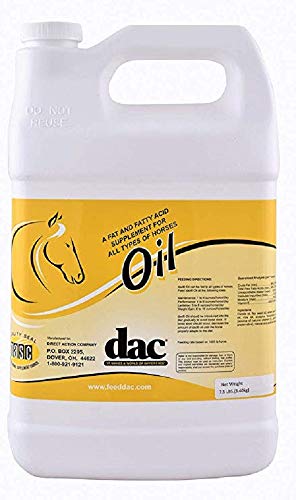
DAC Oil is a liquid calorie supplement sold in a gallon jug. The listing identifies it as an oil product intended to add fat calories and fatty acids to a horse’s ration, with skin and coat support also mentioned. A liquid can be easy to mix into a damp meal, and the larger container may suit a barn feeding several horses or using oil regularly. The exact fatty-acid profile and feeding amount should be checked on the current label. As with any concentrated energy source, the right amount depends on the horse’s current diet, body condition, work, and health.
Oil can be a straightforward way to add calories, but it does not contribute the same protein, fiber, or vitamins as a balanced feed. It may also be inconvenient for owners who want a dry supplement, and some horses dislike an oily texture at first. Follow the label and introduce it gradually so the horse can adapt; do not pour in a large amount at once. Review total fat in the ration and ask a veterinarian or equine nutritionist about use for a horse with metabolic or digestive concerns. If the horse is underweight, first check forage intake, dental function, parasite control, and possible illness. Use body-condition tracking to judge whether the feeding plan is helping rather than relying on appearance alone. Store the jug according to its label and prevent contamination around the feed area.
My Recommendation
Use this if a liquid format suits your routine and the current label matches your ration goals. A dry supplement may be easier if oil is messy or your horse rejects the texture.
7. Formula 707 MuscleMx

What We Like
- Muscle-conditioning focus
- Lysine listed among ingredients
- Includes creatine and gamma oryzanol
- 3-pound container listing
What We Don’t Like
- More specialized than a basic calorie supplement
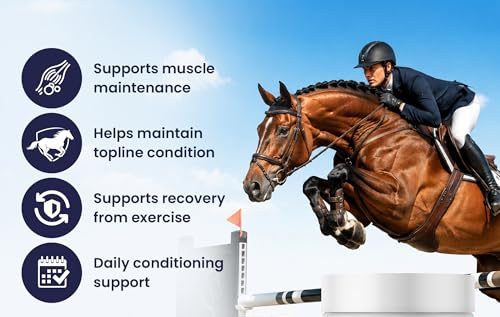
Formula 707 MuscleMx is positioned as a muscle-conditioning supplement rather than a basic fat source. Its listing identifies lysine, creatine, gamma oryzanol, and ornithine alpha-ketoglutarate among its ingredients and describes support for muscle mass and definition. That profile may make it relevant when the goal includes topline or conditioning alongside weight support, but visible muscle depends on the horse’s overall health, adequate protein and energy, and suitable exercise. The product is a supplement, not a complete ration, so it should be considered only after the foundational diet and workload have been reviewed.
This is the most specialized choice in the group and may not be the first pick for a horse that simply needs additional calories. The listing includes performance-related claims, but individual results are not guaranteed. Compare the ingredient panel with other supplements to avoid unnecessary duplication, and discuss use with your veterinarian or equine nutritionist if the horse has a medical condition, is competing, or is on medication. A horse with lost topline may need assessment for pain, poor saddle fit, inadequate protein, or reduced activity rather than a muscle product alone. If the main need is calorie density, a fat-focused supplement may be a more direct match. Make one measured change at a time and evaluate condition over several weeks. Pair any conditioning plan with an appropriate exercise schedule set for the individual horse. if condition remains poor.
My Recommendation
This is a narrower fit when the plan addresses conditioning as well as weight. For a horse simply needing calories, compare it with a fat-focused product; muscle loss can also call for veterinary evaluation.
My Recommendation
For a simple concentrated fat option, Manna Pro Cool Calories 100 is the most direct fit in this group. Horse Guard Super Weight Gain and Manna Pro Weight Accelerator offer broader ingredient blends, while the Formula 707 crumble versions emphasize meal-time convenience. DAC Oil is the liquid choice, and MuscleMx is the specialized conditioning product. The best option depends on the horse’s full ration, health, and feeding routine—not the label’s broad weight-gain promise.
Before adding any supplement, have a veterinarian or qualified equine nutritionist help identify the cause of low condition and set a gradual plan. Weigh or measure servings consistently, keep forage available as appropriate, and track changes rather than increasing portions quickly. If you are choosing a fat-focused plan for an older horse, see our companion guide to senior horse fat supplements for age-specific options.
Frequently Asked Questions
What is the best supplement to help a horse gain weight?
There is no single best choice for every horse. Select a product that addresses a specific calorie or nutrient gap after a veterinarian or equine nutritionist reviews the horse’s health and full ration.
Can I use a supplement instead of increasing hay?
Not automatically. Forage is central to a horse’s diet, so first assess forage quality, amount, and access. A professional can help decide whether a supplement or a different feed is appropriate.
How quickly should I change a horse’s feed?
Make changes gradually according to the label and your care professional’s advice. Abrupt changes can upset the digestive routine, and a horse’s response should be monitored.
Should I use a weight-gain supplement for unexplained weight loss?
Arrange a veterinary evaluation first. Weight loss can have dental, parasite, pain, or other medical causes that extra calories alone will not resolve.
Are these supplements suitable for senior horses?
Some products are marketed for older horses, but age alone does not determine the right ration. Dental function, metabolic status, workload, and existing feed all matter.
Check current product labels and feeding directions before purchase; Amazon listings and availability can change.