A senior cat that hesitates before jumping, climbs stairs less often, or changes its grooming habits may be experiencing joint pain, but these changes can have other causes. A cat joint supplement for senior cats should be considered only after a veterinarian assesses mobility and overall health. Supplements vary in ingredients, evidence, quality control, and suitability for cats taking other medicines. They also do not replace pain treatment, weight management, or home adjustments when those are needed. This guide explains how to evaluate a supplement label, what questions to ask, and how to track whether a care plan helps. For a separate overview of the topic, see the existing guide to a cat joint supplement for senior cats. Small changes are worth tracking.
Look for signs of changing mobility
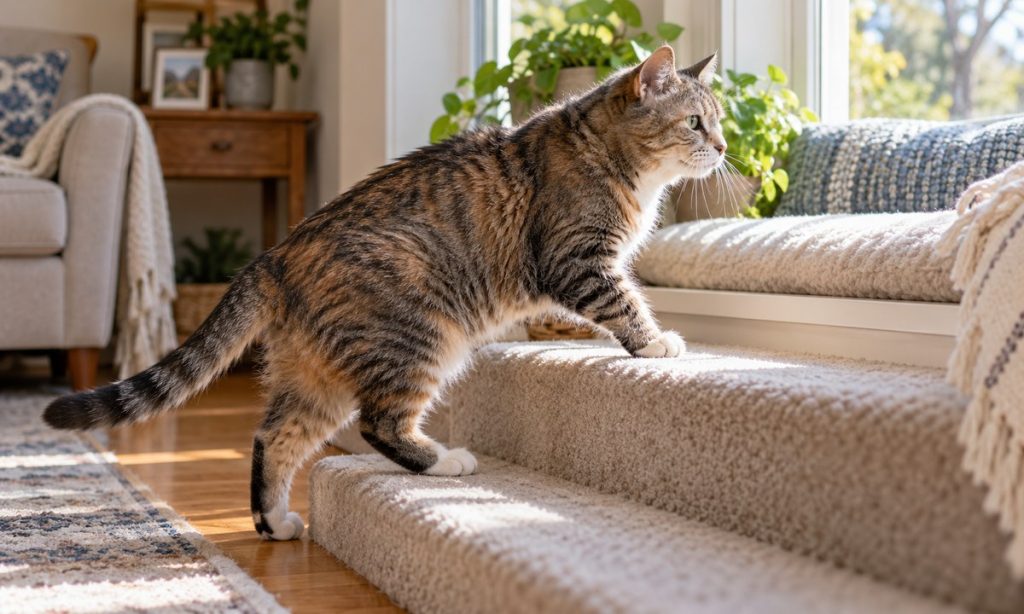
Cats often show pain through small changes rather than obvious limping. You may notice less jumping, stiffness after rest, reluctance to use stairs, shorter play, irritability when handled, or difficulty entering a high-sided litter box. A cat may also groom less, develop mats, or stop reaching favorite places.
These signs do not confirm arthritis. Dental pain, neurologic problems, injury, and other illnesses can affect movement. Schedule a veterinary exam when mobility changes, especially if the change is sudden, one-sided, or worsening. Do not give human pain relievers; several can be dangerous for cats.
Ask what the supplement is expected to do
Before choosing a supplement, ask the veterinarian what diagnosis or goal it addresses. “Joint support” is broad wording. Products may contain omega-3 fatty acids, glucosamine, chondroitin, green-lipped mussel, or other ingredients, but evidence and formulation differ. A claim on the package is not proof that the product will reduce pain or rebuild cartilage.
A veterinarian can explain whether a supplement fits alongside other care. Management of osteoarthritis may include several approaches, such as weight and activity adjustments, environmental changes, pain control, and sometimes nutritional supplements. A supplement alone may not provide adequate relief.
How to read a cat joint supplement label
Check the full ingredient panel
Look for named ingredients and the amount per serving, not just a proprietary blend. Confirm the directions are for cats and match the veterinarian’s advice. A dog or human formula may contain different concentrations or ingredients that are unsuitable for cats.
Review quality and safety information
Ask who makes the product, whether the company provides batch testing or independent quality verification, and how to report an adverse reaction. In the United States, dietary supplements are not approved by the FDA for effectiveness before sale in the same way as prescription drugs. Clear labeling and quality controls are useful, but they do not prove clinical benefit.
Consider the cat’s other health needs
Share all medicines, foods, and supplements with the veterinarian. Cats with kidney, liver, digestive, or bleeding concerns may need particular caution. Tell the clinic if your cat refuses the supplement, vomits, develops diarrhea, becomes unusually sleepy, or seems worse after starting it.
Set a way to judge whether it helps
Agree on a baseline before starting: note how often the cat jumps, uses stairs, plays, grooms, and enters the litter box. Short videos can help you compare movement over time. Ask the veterinarian when to reassess and what changes should prompt an earlier call.
Do not keep adding products when there is no improvement. Reassessment can reveal that the diagnosis, dose, formulation, or overall plan needs adjustment. A vet can also discuss evidence-based pain management and check for side effects.
Support comfortable movement at home
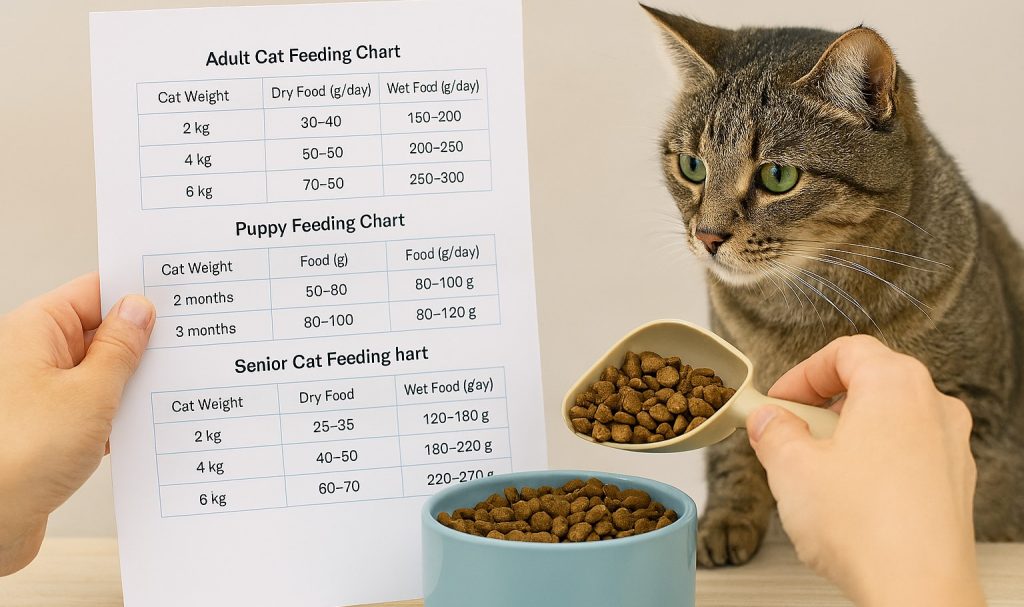
Low steps or ramps can help a cat reach preferred resting places. Keep food, water, and litter easy to access, and use a litter box with an entry the cat can manage. Provide nonslip paths where floors are slick. Maintain a healthy body condition with a veterinarian-approved feeding plan; do not sharply restrict food on your own.
Offer gentle, low-impact play if the cat is comfortable. Let the cat choose whether to participate and stop if movement seems painful. These adjustments support daily comfort but do not replace a medical assessment.
Compare claims with the evidence
Ask whether evidence applies to cats, to the ingredient amount in the product, and to the condition your cat has. A study of one formula does not prove that every product with a similar ingredient works the same way. Marketing phrases such as “clinically proven” need context: ask which study was conducted and whether it measured meaningful changes in cats.
Keep expectations realistic. A change in activity can reflect pain, weight, home layout, or another illness. Use the same observations over time and review them with the veterinarian instead of judging a supplement from one good or bad day.
Consider the whole joint-care plan
A veterinarian may recommend practical home changes, safe activity, weight support, pain management, or rehabilitation alongside a supplement. Lower resting spots, nonslip routes, and an easy-entry litter box can reduce daily effort. These changes may improve access even while a medical plan is being adjusted.
Never use a human pain reliever or change a prescribed medicine because a supplement is added. Keep a current list of everything the cat receives and tell the veterinarian about new products. If pain or mobility worsens, arrange a recheck instead of waiting for a supplement to take effect.
Frequently Asked Questions
Do all senior cats need a joint supplement?
No. A supplement should match a diagnosed need and the individual cat’s health. Ask a veterinarian before starting one.
How long does a joint supplement take to work?
There is no single timeline for every ingredient or cat. Set a reassessment plan with the veterinarian and track specific mobility changes.
Can supplements replace arthritis medicine?
Do not stop prescribed treatment without veterinary advice. Supplements may be considered as part of a broader plan, not as a guaranteed substitute.
Are dog joint supplements safe for cats?
Do not assume they are. Formulas and amounts can differ. Use only what your veterinarian approves for your cat.
What should I do if my cat’s mobility worsens?
Contact your veterinarian. Sudden weakness, severe pain, inability to walk, or an injury needs prompt assessment.
Final Words
Choose a cat joint supplement for senior cats with your veterinarian, using the diagnosis, ingredient amounts, product quality, and other medicines as the guide. Track specific changes and schedule a reassessment. A supplement is only one possible part of joint care. The site’s overview of a cat joint supplement for senior cats provides related context, and its guide to an orthopaedic cat bed for senior cats covers a home-comfort consideration. The care plan should fit your cat’s exam and needs.
Reference
- Chronic Pain Toolkit: Role of Each Therapy, Feline Veterinary Medical Association.
- Nutraceuticals for Joint Support in Cats with Osteoarthritis, VCA Animal Hospitals.
- The Special Needs of the Senior Cat, Cornell University College of Veterinary Medicine.
- Feeding Your Cat, Cornell University College of Veterinary Medicine.