How to choose the right heavy duty cat tree for multiple cats begins with matching the design to your cat’s preferences, routine, and environment. Think about where each cat can pause without being crowded. This guide explains how to assess those details, support peaceful access, and keep the structure safe with routine checks.
Decide what the tree needs to do
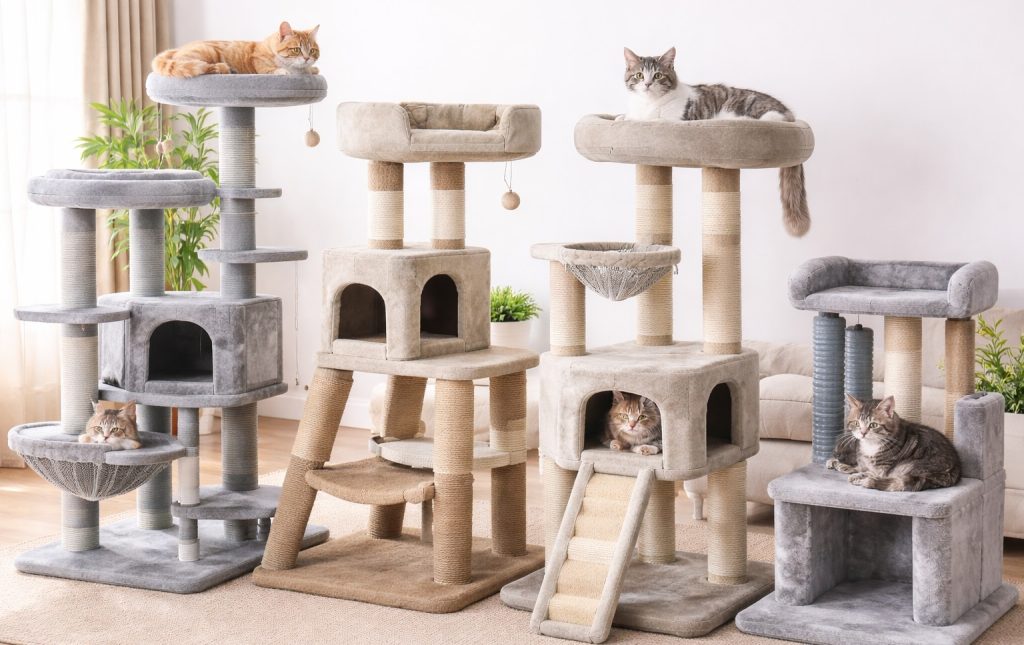
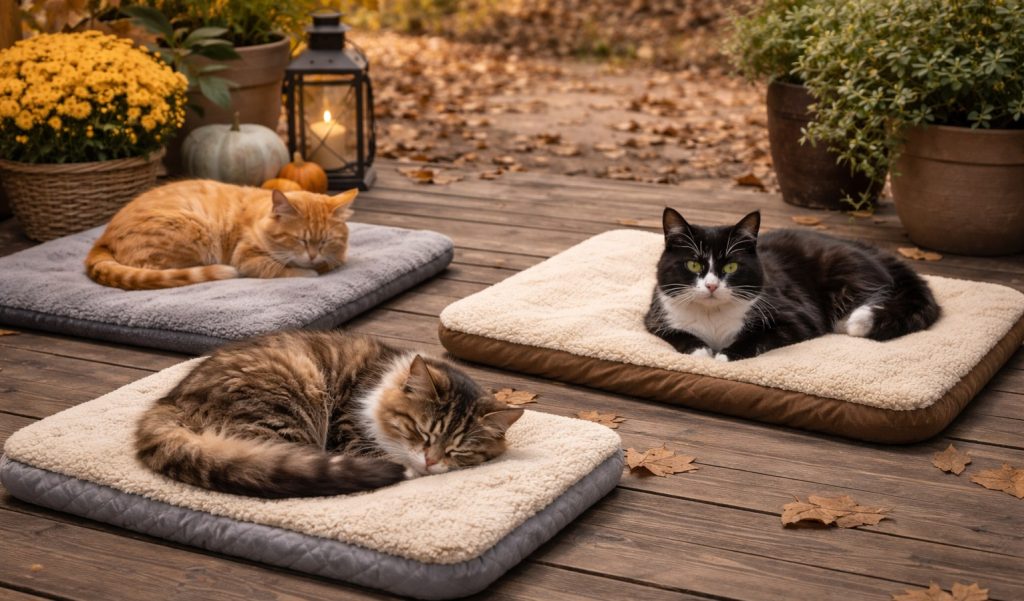
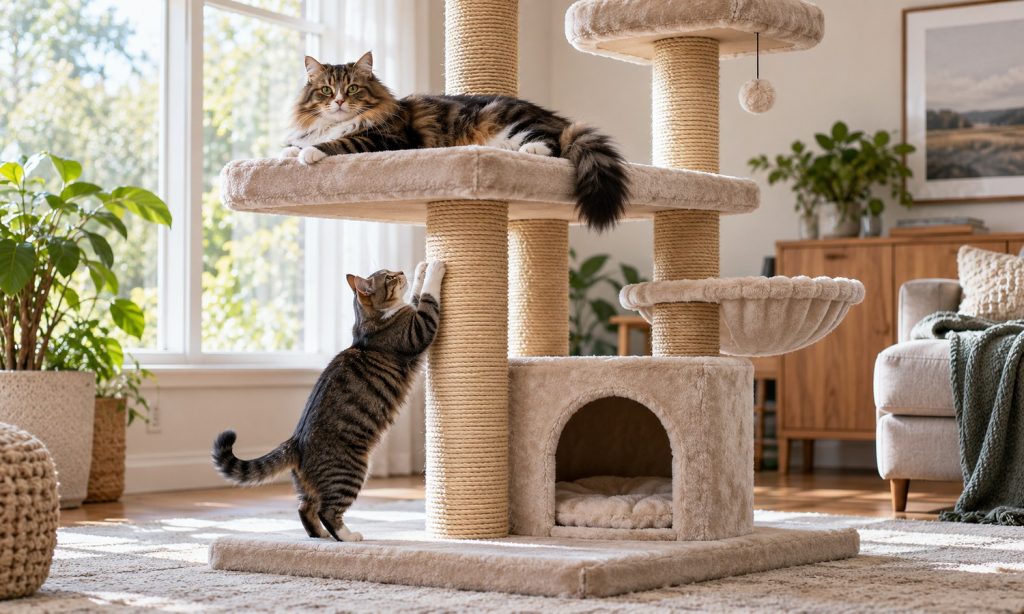
A multi-cat household may use a tree for climbing, sleeping, observing the room, scratching, or getting out of another cat’s path. These uses do not always happen at the same time. Watch which cats share space comfortably and which prefer separate resting spots. A tree with several levels may offer choices, but it cannot guarantee that cats will choose to share them.
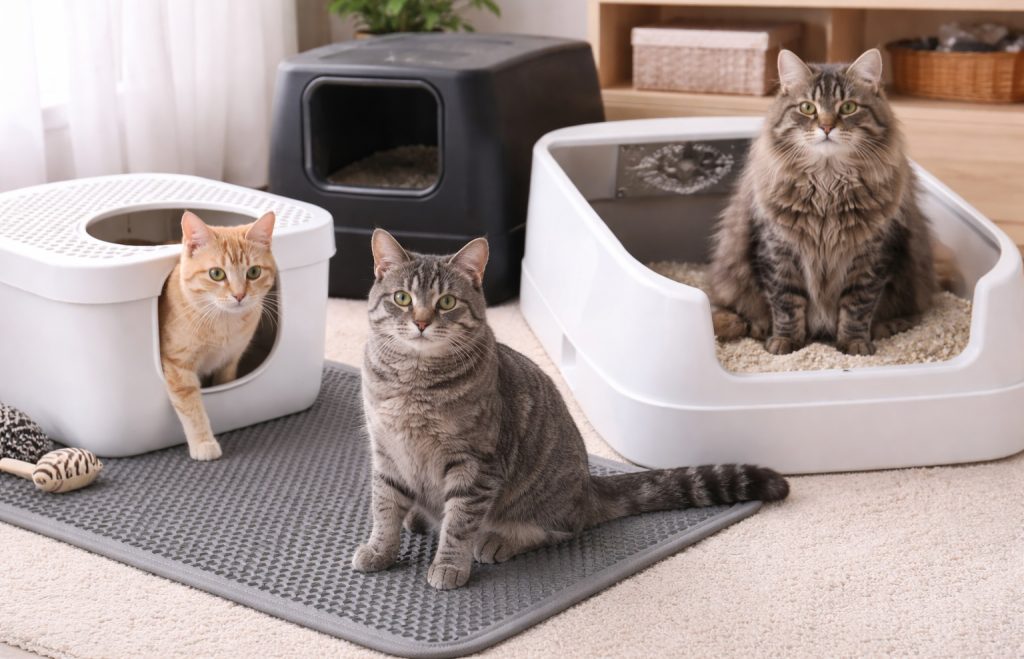
Treat the tree as one part of the home’s layout. Each cat should still have access to separate food, water, litter, resting, scratching, and play areas. Veterinary guidance emphasizes that key resources should be distributed so one cat cannot routinely block another. If your cats already avoid, chase, or guard each other, adding a larger tree alone will not resolve the social problem; plan more than one safe route and seek veterinary behavior guidance when tension persists.
Check weight capacity and structural stability
Read the stated weight capacity for the entire structure and for individual platforms, hammocks, or enclosed beds when those ratings are available. Think about the heaviest likely load: two cats may use one level together, or one cat may leap while another is resting. Do not estimate a safe capacity from the tree’s appearance or assume a whole-tree rating applies equally to each perch.
Inspect how the base, posts, and shelves connect. The base should sit flat on a level floor and resist rocking when the assembled structure is gently checked. Posts should feel firmly attached, and fasteners should be accessible for tightening. A broad base can help resist tipping, but a wide footprint by itself does not prove stability. Follow assembly instructions and any supplied anchoring directions. Use only hardware intended for the structure and appropriate for the wall; renters should check what installation is permitted.
When a maker provides no capacity information or clear assembly guidance, you have less evidence for judging whether the tree can support your household. If the product’s condition changes, such as a loose post, tilted shelf, or shifting base, keep cats off it until it is repaired according to the manufacturer’s instructions.
Look for roomy platforms and more than one route
Compare the usable width and depth of each perch with the bodies of the cats who may use it. Raised rims, posts, and fabric hammocks reduce the area available for resting. A platform that fits one cat may not comfortably hold two, even if the overall tree has plenty of levels. Avoid forcing cats to share a small bed just because it is described as a multi-cat design.
Look at how cats move between levels. Staggered shelves can give different routes upward and downward. Multiple exit paths help reduce the chance that a cat gets trapped at the top when another cat occupies a lower step. Avoid layouts where one narrow opening or single high platform controls access to the entire structure. A hiding cubby can provide a quiet retreat, but it should not become a dead end if another cat blocks its entrance.
Pay attention to your cats’ ages, confidence, and mobility. Some cats enjoy high jumps; others prefer shorter steps and lower resting spots. A multi-level tree should make it possible for each cat to reach a comfortable area without a leap it cannot manage. The most useful layout is the one that the actual cats can use safely, not the one with the greatest number of levels.
Match the tree to the cats and room
Measure the floor footprint, room height, doorways, and the space needed for cats to jump on and off. Leave walking routes clear. For compact rooms, the guide to planning a cat tree in a small apartment covers footprint and placement considerations that also matter in multi-cat homes.
If your cats vary in size, compare the top and intermediate platforms with the largest cat’s body. The guide to a cat tree for big cats discusses roomy perches and sturdy construction that can help you evaluate those dimensions. Use a small tape measure when specifications seem unclear; photographs can make platform depth hard to judge.
A window or a familiar resting area may make the tree more interesting, but place it away from blinds, cords, unstable furniture, and sharp edges. Cats may prefer different heights or locations. If the home has several cats, distribute other perches and scratching surfaces through the rooms instead of making one tree the only elevated space.
Consider scratching surfaces and upkeep
Cats may scratch vertically, horizontally, or at an angle, and preferences differ between individuals. Check whether the tree includes enough exposed scratching area for the cats’ preferred posture. A post that is too short or positioned where another cat blocks access may go unused. In multi-cat homes, separate scratching locations can prevent competition and give each cat an acceptable surface.
Inspect the wrapping, fabric, and edges. Loose fibers, exposed staples, torn mesh, or hanging strings can catch claws or invite chewing. Follow the maker’s cleaning instructions and check fasteners after assembly and periodically during use. Frequent jumping by several cats can loosen components over time. Keep the floor around the base clear so cats have a stable landing area.
Introduce the tree without creating competition
Place the tree where cats already spend time, but do not position it so one cat can guard an essential doorway, food station, or litter route. Let each cat explore at its own pace. Reward calm, voluntary interest if treats are appropriate for that cat, and avoid placing a reluctant cat on a high platform.
If one cat monopolizes the tree, add another resting or climbing location in a separate area and observe whether access improves. Multiple elevated spaces and separate resources can matter more than choosing a single oversized structure. Public caregiver discussions include reports of cats preferring different perches or failing to share a tower; these are individual experiences, not universal outcomes. Watch your own cats’ behavior and adjust the layout accordingly.
Frequently Asked Questions
How many cats can use one cat tree?
There is no standard number. Check the stated overall and per-platform capacities, usable space, and layout, then consider whether your cats actually choose to share.
Should multiple cats share one large perch?
Only if the perch provides enough room and the cats are comfortable together. Provide separate resting spots so no cat has to compete for access.
Does a heavy base guarantee that a cat tree will not tip?
No. Stability also depends on the base design, connections, assembly, floor level, and how cats use the structure. Follow the supplied instructions and inspect it regularly.
Can a cat tree reduce conflict between cats?
It can add vertical space and options, but it does not resolve persistent conflict by itself. Distribute resources, provide separate escape routes, and consult a veterinarian if tension continues.
What if one cat blocks the others from using the tree?
Add separate perches or scratching areas in other locations and make sure each cat can reach essential resources without passing the blocking cat.
Final Words
Choose by the cats’ combined weight, individual body sizes, preferred routes, and willingness to share. Confirm the load ratings, inspect the base and connections, and look for roomy platforms with more than one way up or down. A well-supported heavy duty cat tree for multiple cats should complement separate resting, scratching, and feeding spaces throughout the home. Introduce it calmly, watch which cats use each level, and make changes if access becomes competitive. Regular checks help catch loosened fasteners or damaged surfaces before the structure becomes unsafe.