Watching your dog struggle with recurring itching, ear irritation, or digestive upset can make food seem like an obvious culprit. But the best dog food for dogs with allergies depends on whether a veterinarian suspects a food reaction, another allergy, or a different condition. A retail “sensitive” label does not diagnose the cause. This guide compares hydrolyzed veterinary diets and limited-ingredient foods using verified product details, while separating diagnostic options from everyday formulas. Before changing food, ask your veterinarian what ingredients to avoid, which recipe to trial, and how long to feed it. A controlled plan usually includes the food and every treat, chew, supplement, and flavored medication. Use these picks as a discussion list, not a substitute for your dog’s care plan. If the signs are severe or persistent, contact the clinic before experimenting with new foods. Food choice should follow an assessment, and a diet trial should have a clear start, feeding rules, and follow-up date.
Quick Picks
These picks include veterinary hydrolyzed diets and limited-ingredient options. Confirm the right category with your dog’s veterinarian.
| Product | Best For | Key Advantage | Buy | |
|---|---|---|---|---|
| Blue Buffalo HF Hydrolyzed Salmon Dog Food | Veterinarian-directed hydrolyzed salmon trials | Hydrolyzed salmon protein and a veterinary diet format | View on Amazon | Jump to Review |
| Purina Pro Plan Veterinary Diets HA Hydrolyzed Dog Food | A veterinary-selected hydrolyzed formula | Hydrolyzed protein with one carbohydrate source | View on Amazon | Jump to Review |
| Royal Canin Hydrolyzed HP Small Adult Dog Food | Small adult dogs needing a hydrolyzed veterinary diet | Hydrolyzed formula with small-dog positioning | View on Amazon | Jump to Review |
| SquarePet Hydrolyzed Protein Pork Dog Food | Owners comparing a non-prescription hydrolyzed formula | Hydrolyzed protein and one primary carbohydrate source | View on Amazon | Jump to Review |
| Hill’s Prescription Diet z/d Hydrolyzed Dog Food | A veterinary-prescribed hydrolyzed food trial | Hydrolyzed protein formula with stated digestive support | View on Amazon | Jump to Review |
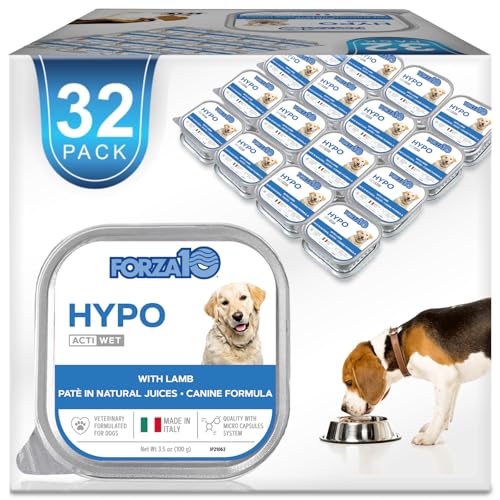
| Forza10 Active Hypo Lamb Wet Dog Food | A wet format considered with veterinary guidance | Single-serve 3.5-ounce cans in a lamb recipe | View on Amazon | Jump to Review |
| Wellness Simple Lamb & Oatmeal Dog Food | A limited-ingredient maintenance food if your vet approves | Lamb protein with oatmeal and a limited-ingredient positioning | View on Amazon | Jump to Review |
What to know before comparing allergy dog foods
A food trial works best when a veterinarian selects the diet and defines what counts as an exposure. The Merck Veterinary Manual describes a strict elimination trial followed by a controlled challenge as the reliable way to confirm food allergy. That means the package label alone cannot prove a food will work for your dog. The veterinary team may also consider skin, ear, parasite, or gastrointestinal causes.
A few products below are veterinary hydrolyzed diets; others are limited-ingredient or skin-support foods. They are not interchangeable. Do not mix formulas or add a “small” treat during a diagnostic trial unless the clinician approves it. For more background, review the veterinary overview of food allergy and elimination trials.
Product reviews
The seven products below differ in formula type and intended role. Review each with your veterinarian before deciding which, if any, belongs in your dog’s feeding plan.
1. Blue Buffalo HF Hydrolyzed Salmon Dog Food
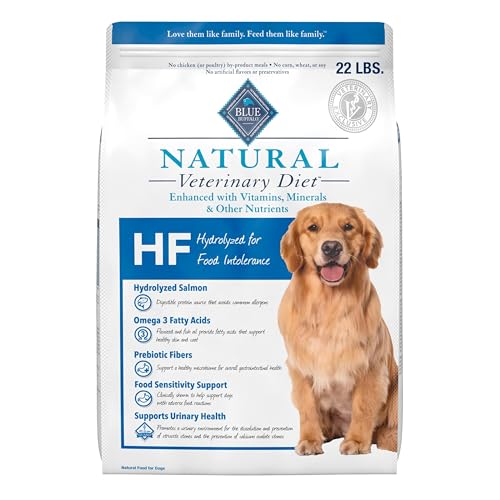
- Hydrolyzed salmon is the named protein source
- Veterinary diet intended for food intolerance support
- Omega fatty acids are included
- Large 22-pound bag for ongoing feeding
- Requires veterinary guidance; not an unsupervised food switch
A veterinary hydrolyzed diet is different from an ordinary limited-ingredient kibble. The product listing identifies hydrolyzed salmon as its first ingredient and describes the formula as a veterinary diet for food intolerance support. Hydrolysis breaks protein into smaller pieces, a strategy veterinarians may use during an elimination trial. That does not mean every dog with itching should start this food. Skin signs can have several causes, and a clinician needs your dog’s diet history before selecting a trial formula.
Blue Buffalo lists omega fatty acids from fish oil and flaxseed and notes the absence of corn, wheat, and soy. Those details may help you compare the recipe with a veterinarian’s plan, but they do not establish that the food is suitable for every allergy. The verified listing is a 22-pound bag, which could be convenient when a specific diet is planned for several weeks. Check the current feeding directions, life-stage statement, and availability before ordering.
Keep the trial controlled if your veterinarian recommends this formula. Ask whether treats, dental chews, flavored medicines, supplements, and table food need to stop, because extra ingredients can make a diet trial difficult to interpret. Transition timing should follow the clinician’s instructions, especially if your dog has active vomiting, diarrhea, weight loss, or a medical condition. Treat the product’s listed benefits as manufacturer information, not a promise that symptoms will resolve. Confirm the current bag matches the exact formula the clinic selected, then keep the same recipe throughout the agreed trial unless your veterinarian changes the plan.
My Recommendation
This is worth discussing when your veterinarian wants a hydrolyzed salmon veterinary diet and the product’s current label matches the plan. Its larger bag may suit a dog expected to stay on the selected formula. It is not a general answer for every itchy dog, and it should not be started as a substitute for diagnosis. Ask about trial length, treats, and prescription requirements before purchasing, then follow the clinic’s monitoring instructions. Compare the complete ingredient panel against foods your dog has previously eaten. A familiar or novel-sounding protein is not enough to establish trial suitability; your veterinarian should interpret that history and approve the exact recipe.
2. Purina Pro Plan Veterinary Diets HA Hydrolyzed Dog Food

- Hydrolyzed protein formula
- Single carbohydrate source is identified
- Highly digestible kibble is a stated feature
- 25-pound bag suits longer planned trials
- Veterinary diet selection and duration need professional direction
Purina Pro Plan Veterinary Diets HA is a dry hydrolyzed formula with a vegetarian protein source and one carbohydrate source, according to the verified listing. Hydrolyzed protein diets are often considered when a veterinarian investigates a possible food reaction. The formula’s veterinary-diet status makes professional selection important. A dog with suspected food allergy may need a controlled trial rather than simply changing to a product whose label uses sensitive-skin language.
The listing describes the kibble as highly digestible and provides a 25-pound bag. Those are useful comparison details if the veterinarian has chosen this specific formula and the household wants a larger supply. The product is also described as containing antioxidants. Avoid reading those broad label statements as individualized treatment advice; your dog’s age, prior ingredients, body condition, other diagnoses, and current medications affect diet selection.
During a supervised trial, feed only what the veterinarian allows and record the product, amount, treats, symptoms, stool, and skin changes. This is especially useful when several people feed the dog. If symptoms worsen or your dog stops eating, contact the veterinary team rather than extending or altering the trial yourself. Confirm the exact formula and bag size at purchase, since veterinary products may have multiple sizes or variations. Before starting, write down recent foods and treats so the veterinary team can compare this formula with the dog’s prior exposures. Follow the approved plan without substitutions.
My Recommendation
Consider this only when your veterinarian selects Purina HA as the trial diet. The hydrolyzed protein and single carbohydrate source make its profile distinct from everyday sensitive-stomach foods, while the 25-pound bag may suit a longer plan. The tradeoff is that a controlled trial requires strict feeding and veterinary oversight. If your dog has eaten ingredients relevant to the trial or has other health needs, ask whether another formula is preferable. Confirm the current bag and formula with the clinic before ordering. Product names and package sizes can resemble one another, while a controlled trial depends on feeding the exact diet selected for your dog’s case.
3. Royal Canin Hydrolyzed HP Small Adult Dog Food

- Hydrolyzed protein is the central formula feature
- Small-adult format is specified
- GI and skin support are described by the maker
- Kibble is shaped for small jaws
- The listed bag is smaller than large-dog options
Royal Canin’s verified listing identifies this as a veterinary hydrolyzed HP dry food for small adult dogs. It is made with hydrolyzed protein and is described as supporting skin and gastrointestinal health. The small-adult positioning can make this option more relevant for a smaller dog than a standard large kibble, but the listed 8.8-pound bag is also a smaller supply. Match it to the veterinarian’s diet plan instead of selecting it by size alone.
The product information says the formula is intended for dogs with food sensitivities and describes its kibble as shaped for small jaws. It also lists urinary support as a formulation feature. These details come from the product listing and are not a guarantee that the diet will resolve an individual dog’s signs. A veterinarian should confirm whether this specific formula fits a diagnostic elimination trial and whether it is appropriate for the dog’s age and health.
Measure each meal using the clinician’s instructions and keep the food sealed as directed on the package. Check whether the dog has eaten the listed protein or other ingredients before, and ask how to handle treats and flavored medications. If your veterinarian recommends a different hydrolyzed protein or a novel-protein diet, do not substitute this formula without checking first. The decision should fit the dog’s history and the purpose of the trial. Confirm that your dog’s prior diet history and size fit this exact formula. Ask the clinic whether to begin with this package or use another format for the planned trial.
My Recommendation
This is a product to discuss for a small adult dog when the veterinarian wants Royal Canin’s hydrolyzed HP formula. The small-dog positioning may be useful, and the verified listing gives a specific 8.8-pound size. Its main limitation is that its suitability depends on the dog’s history and the clinician’s plan. Ask whether this exact recipe should be used for diagnosis, maintenance, or another goal before switching. Ask whether the small-adult version is appropriate for your dog’s weight and life stage. The product name and package statement should match the veterinarian’s plan, not just the dog’s approximate size or appetite.
4. SquarePet Hydrolyzed Protein Pork Dog Food

- Hydrolyzed protein is stated on the listing
- One primary carbohydrate source is described
- Pork flavor offers a different profile
- 22-pound bag is a practical larger size
- Ask your veterinarian whether it suits a diagnostic food trial
SquarePet’s verified listing describes a pork-flavored hydrolyzed-protein dry food with one primary carbohydrate source. It is marketed as a veterinarian-formulated skin and digestive support diet, and the listing states that it does not require a prescription. That availability does not make it interchangeable with a therapeutic veterinary diet selected for diagnosis. Ask your veterinarian whether its ingredients, manufacturing controls, and intended use fit the question being investigated for your dog.
The product listing also mentions omega-3 and omega-6 fatty acids and a 22-pound bag. These are product details to compare against your veterinarian’s recommendation, not proof of a clinical result. A food trial depends on the whole feeding plan, including treats, supplements, chews, table scraps, and flavored medicines. If any of those introduce proteins outside the plan, the trial may not answer the question clearly.
This option may interest households comparing hydrolyzed products, but the right choice depends on the dog’s diet history and the clinician’s goals. Review the current package statement for nutritional adequacy and life stage, and verify serving directions before making a change. If your dog has persistent skin disease, recurrent ear trouble, vomiting, or diarrhea, arrange veterinary assessment rather than relying on a retail food change as treatment. Ask your veterinarian how this recipe compares with the specific therapeutic diet under consideration. The label alone cannot establish suitability for a food-allergy diagnosis or an individual dog.
My Recommendation
SquarePet may be a comparison point when your veterinarian is open to a non-prescription hydrolyzed formula. The pork flavor and larger bag distinguish it from some veterinary diets, and the listing names a single primary carbohydrate source. The key tradeoff is that availability without a prescription does not prove equivalence to a veterinarian-selected therapeutic food. Confirm the role of this product before using it in an elimination trial. Review the nutritional adequacy statement and the full ingredient list with your veterinarian. That check matters before feeding the product as a sole diet or using it in a supervised elimination plan.
5. Hill’s Prescription Diet z/d Hydrolyzed Dog Food

- Hydrolyzed protein is a core formula feature
- Veterinary diet is positioned for food sensitivities
- Omega fatty acids are included
- Large bag supports planned feeding
- Use only as directed by the dog’s veterinarian
Hill’s Prescription Diet z/d is listed as a hydrolyzed dry food for dogs with food sensitivities. The product information describes highly hydrolyzed protein and a digestive-support component. A veterinarian may consider a therapeutic diet when investigating an adverse food reaction, but the food itself cannot diagnose an allergy. The dog needs an appropriate trial plan, and the product should be used according to the clinician’s advice and the current label.
The verified listing is for a 25-pound bag and notes omega fatty acids as part of the formula. A larger bag can be practical if the veterinarian chooses this diet for an extended feeding plan, but it may be cumbersome for a small dog or a household that needs to confirm acceptance first. Ask whether the specific recipe and bag size match the plan, and do not swap between dry and canned variations without permission.
Keep the feeding period consistent and write down any exceptions. Food, treats, chewable preventives, supplements, and flavored medication can all matter when a veterinarian is trying to interpret a response. If your dog has severe itching, repeated vomiting, blood in stool, poor appetite, or weight loss, seek veterinary care promptly. Product claims about timelines or symptom changes should not replace follow-up exams or the clinician’s assessment. Recheck the exact recipe with the clinician before purchase, especially if the dog has received another z/d format. Do not substitute a similar-sounding product without approval.
My Recommendation
Discuss Hill’s z/d with your veterinarian if the plan calls for this specific hydrolyzed diet. The verified listing indicates a 25-pound bag and includes digestive-support language, which may be practical for an ongoing plan. It may not be ideal if your dog needs a different protein, format, or smaller quantity. Follow the package and clinician instructions, and avoid judging a food trial by a few meals. Keep the food separate from other household diets, and use a clean scoop and sealed storage. These simple routines can reduce accidental mixing while you follow the clinic’s chosen feeding plan.
6. Forza10 Active Hypo Lamb Wet Dog Food
- Wet texture can suit dogs preferring canned food
- Pack contains 32 small cans
- Lamb is the named flavor
- Can be served alone or mixed as the label permits
- Confirm nutritional adequacy and trial suitability with your vet
Forza10 Active Hypo is a wet food listing presented for allergies and skin support. The verified item is a lamb-flavored pack of thirty-two 3.5-ounce cans. That portion format can be convenient for measured meals or for dogs that prefer moist food, but a wet product still needs to fit the veterinarian’s nutrition plan. Ask whether this food is intended for your dog’s particular issue and whether it can be used alone or only as a complementary food.
The product listing describes the recipe as supporting skin and coat health and names lamb as its flavor. These are manufacturer statements; the product page does not establish that a dog has a food allergy or that this recipe will treat one. A veterinarian may choose a strict elimination diet with specific ingredients and feeding rules. If this product is not the exact food prescribed or selected for the trial, adding it could undermine the plan.
Check each can’s label for feeding directions, nutritional adequacy, life stage, and storage after opening. A multi-can pack offers predictable portions, yet requires storage space and a plan for leftovers. Keep notes on how much your dog eats and any symptoms. Contact the veterinary team if the dog refuses food, develops persistent digestive signs, or seems unwell rather than trying several diet changes in quick succession. Ask whether the clinic approves this exact wet recipe as a complete diet or as part of a plan. A flavor or format change can matter in a controlled trial.
My Recommendation
This wet option may suit a dog that needs a canned format and whose veterinarian approves the specific Forza10 recipe. The small cans support portion planning, and lamb is the listed flavor. Its limitation is that a wet food marketed for skin support is not necessarily a diagnostic elimination diet. Confirm whether it is complete for your dog’s life stage and whether it fits the trial before serving it. If your dog has a history of reacting to chicken or another ingredient, share that before buying. The veterinarian can compare the exact formula with the diet history and decide whether it fits.
7. Wellness Simple Lamb & Oatmeal Dog Food

- Lamb is the named protein source
- Oatmeal is identified as the carbohydrate
- Chicken-free formula is stated
- Large 26-pound bag
- Not a substitute for a veterinarian-directed diagnostic diet
Wellness Simple is a limited-ingredient adult dry food with lamb and oatmeal, according to the verified listing. It is described as chicken-free and formulated for dogs with food sensitivities and allergies. A limited-ingredient recipe may be useful for some dogs, but it is not automatically a diagnostic diet. Ingredient simplicity alone cannot confirm that the formula excludes every protein your dog has eaten before or meets your veterinarian’s trial requirements.
The product information lists prebiotics, omega fatty acids, and a 26-pound bag. Those details may help compare it for routine feeding when your veterinarian says an over-the-counter recipe is appropriate. For a true elimination trial, ask whether the company has suitable ingredient controls and whether the recipe is appropriate for your dog’s age and medical history. Do not assume that a food labeled for sensitivities will work as a veterinary therapeutic diet.
This is best considered a maintenance-food candidate rather than a self-directed treatment. Make a gradual transition only when the clinician agrees, and keep treats and other foods consistent with the plan. If your dog has a confirmed food allergy, the veterinarian may recommend a hydrolyzed or carefully selected novel-protein diet instead. Read the current package for full ingredients and feeding directions because formulations can change. If your veterinarian is using this food diagnostically, confirm the trial rules and whether the formula meets them. Otherwise, treat it as a routine-food option only when approved.
My Recommendation
Wellness Simple may fit routine feeding when your veterinarian approves a limited-ingredient lamb-and-oatmeal recipe. Its large bag and chicken-free positioning are practical details for some households. The important limitation is that it should not be presented as a treatment or used to diagnose allergy without a supervised plan. If a true food trial is needed, ask whether a prescription hydrolyzed or novel-protein formula would be more appropriate. Ask the clinic whether this recipe can serve as the only food or whether another formula is needed. That distinction is important when the goal is to evaluate a suspected reaction systematically.
How to choose best dog food for dogs with allergies
Start by clarifying what “allergy” means in your dog’s case. Itching can come from fleas, environmental allergens, infections, or food reactions. A food label cannot identify the cause. Tell your veterinarian when the signs began, what body areas are affected, which foods your dog has eaten, and whether vomiting, soft stool, ear problems, or skin infections recur. Bring photos of food labels if the ingredient history is unclear.
Choose the right trial type with your veterinarian
A veterinarian may recommend an elimination diet using a hydrolyzed formula or a carefully selected novel protein. Hydrolyzed proteins are processed into smaller fragments; novel-protein diets rely on ingredients your dog has not previously eaten. The right approach depends on the full diet history, the suspected reaction, other diagnoses, and the product’s suitability. Over-the-counter limited-ingredient foods may be reasonable for some maintenance plans, but they are not automatically interchangeable with therapeutic diets selected for diagnosis. Ask whether the product is complete and balanced for your dog’s life stage and whether it is suitable for a controlled trial.
Control every bite and plan follow-up
During a food trial, unapproved treats, table food, chews, supplements, flavored medicines, and scavenged snacks can introduce other ingredients. Ask the clinic what your dog may have and how to handle necessary medication. Record meals, skin changes, ear signs, stool, appetite, and any accidental exposure. Follow the transition and trial schedule your veterinarian provides; do not switch formulas early because symptoms fluctuate. If your dog has repeated vomiting, blood in stool, facial swelling, breathing trouble, marked lethargy, poor appetite, or weight loss, contact a veterinarian promptly. Review questions to ask a veterinarian about possible food allergies in dogs and use a symptom-and-meal log like the one in our guide to tracking a veterinarian-guided elimination diet.
Before you buy, save the veterinarian’s written diet instructions and compare them with the package in hand. Ask what to do if the chosen food is unavailable, whether a different size or flavor is an acceptable substitute, and when the clinic wants an update. Avoid switching between products during the same trial without guidance. If your dog has additional needs, such as growth, pregnancy, chronic disease, or prescribed medication, mention them before settling on a formula. Consistent notes help the veterinary team interpret the result.
Frequently Asked Questions
These answers explain general food-trial questions; your dog’s veterinarian should set the individual plan.
Can dog food cause itching?
Food reactions can be one cause, but fleas, environmental allergies, infections, and other conditions can also cause itching. A veterinarian can help sort through the possibilities.
Is limited-ingredient dog food the same as hypoallergenic food?
No. A limited-ingredient label does not by itself make a food appropriate for diagnosing food allergy. Ask your veterinarian to select the formula and trial rules.
How long should a dog stay on an allergy diet?
Follow your veterinarian’s timeline. Diagnostic food trials require a controlled feeding period, and the clinician may recommend a challenge or another step afterward.
Can I give treats during a food trial?
Only if your veterinarian approves them. Treats, chews, table food, supplements, and flavored medicines can add ingredients that complicate the trial.
Should I change food if my dog vomits?
Do not assume vomiting is caused by a food allergy. Repeated vomiting, blood, weakness, poor appetite, or weight loss needs veterinary advice.
Final Verdict
The best dog food for dogs with allergies is the formula that fits a veterinarian’s assessment and a clearly controlled feeding plan. Hydrolyzed veterinary diets may be considered for a diagnostic trial, while limited-ingredient foods can suit some other feeding goals. Compare the specific protein, formula type, package size, and directions, then ask your veterinarian which option matches your dog’s history. Don’t self-diagnose from itching alone, and don’t change trial rules without checking with the clinic.
Affiliate disclosure: This article contains Amazon affiliate links. If you purchase through them, PetAdvisorPro may earn a commission. As an Amazon Associate I earn from qualifying purchases.