
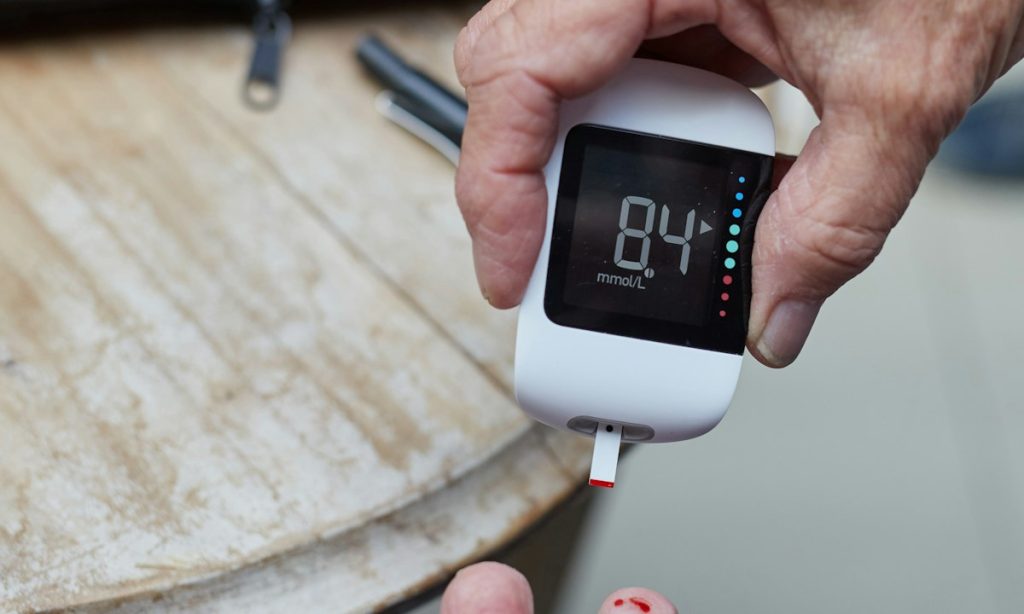
Common setup and adjustment problems with blood glucose meter equipment can make home monitoring stressful for a person caring for a diabetic cat. A meter may reject a strip, show an unexpected reading, or fail to register a small blood sample. Sometimes the equipment works, but the cat becomes frightened by the handling. A reliable routine starts with veterinary training, an appropriate meter, correct supplies, and clear instructions about what results mean.
If you are researching a blood glucose meter for cats, discuss device selection with the veterinary team before interpreting numbers. Different meters may report different values, particularly when designed for humans rather than animals. This guide explains practical troubleshooting, gentle sampling, recordkeeping, and emergency warning signs. It does not replace a prescribed diabetes plan. Never change insulin or other diabetes medication based on an isolated home reading without professional directions.
Confirm the Correct Meter and Supplies
Ask your veterinarian which glucose meter is appropriate for your cat and which strips it requires. The 2026 American Animal Hospital Association feline diabetes guidelines favor veterinary-calibrated glucometers for home blood glucose readings. Human-calibrated meters can give results that differ from veterinary-calibrated devices. Do not assume the same numbers are interchangeable. Make sure the meter, strips, lancets, and other supplies match the team’s instructions.
Check whether the device uses a coding or calibration procedure, and follow the model’s directions if applicable. Record the meter type so your clinic can interpret trends in context. If switching brands, tell the veterinary team before comparing old results with new ones. A new meter may show a systematic difference without a change in your cat’s diabetes. Common setup and adjustment problems with blood glucose meter monitoring often begin with incompatible supplies.
Check Strip Condition, Storage, and Expiration
Keep test strips in the original container when the manufacturer requires it, and close the lid promptly. Protect them from heat, moisture, and extreme cold. Check the printed expiration date and any discard period after opening. A strip that has become damaged, wet, or contaminated may not work reliably. Never reuse a disposable test strip. Replace a strip when the meter shows an error or when the sample was applied incorrectly.
Clean hands and dry them thoroughly before handling supplies. Follow the meter’s instructions about control solutions and quality checks. If several tests give errors, try a properly stored, compatible new strip from an in-date container. Contact the clinic or device support when problems persist. A damaged meter or strip should not be used to make an urgent medication decision. The veterinarian can arrange an alternate monitoring approach.
Prepare a Calm and Safe Testing Space
Choose a quiet location with comfortable footing and familiar bedding. Gather the meter, strip, lancet, cotton or gauze, rewards, and log before bringing the cat over. Let the cat settle. Practice gentle ear handling separately from testing when possible. A cat may need several calm sessions to become comfortable with the routine. Ask your veterinary team to demonstrate restraint that avoids pain and excessive pressure.
Use brief, gentle handling rather than forcing a struggling cat to remain still. If the cat becomes distressed, stop and seek advice about another approach. Stress can also influence glucose levels in cats. Repeated stressful attempts may make future monitoring more difficult. A consistent routine, familiar person, and clear ending help some cats cooperate. If you cannot collect samples safely, veterinary professionals can discuss alternatives rather than leaving the family to improvise.
Troubleshoot an Inadequate Blood Sample
A meter may display an error when the sample is too small or does not reach the intended area of the strip. Ask your veterinary team to demonstrate how much blood the model needs. Common collection sites include the edge of the ear, although the appropriate site and technique should be selected for your cat. Never puncture the ear randomly or press hard against delicate tissue.
Use the lancet and procedure recommended by the clinic. Follow the instructions for supporting the ear and applying a new strip. Do not keep puncturing the same place repeatedly when attempts fail. If bleeding persists, the area becomes swollen, or the cat resists strongly, stop and contact a veterinary professional. If blood is smeared on the strip incorrectly, use a fresh strip rather than trying to salvage a failed reading. Good technique matters more than rushing.
Understand Units and Unexpected Numbers
Confirm whether your meter displays milligrams per deciliter (mg/dL) or millimoles per liter (mmol/L). These units are different, so a number cannot be interpreted without its unit. Record the exact value and unit. Check the time relative to meals, medication, activity, and any signs of illness. One unusual reading may reflect a real change, a device problem, or a sampling issue.
Do not make insulin dose changes based on a single home number unless your veterinarian has given an explicit, individualized emergency or adjustment protocol. Trends, clinical signs, and the treatment regimen matter. If a result seems inconsistent with how your cat looks, follow the team’s advice about confirming a reading with a veterinary-calibrated meter. A cat showing concerning signs needs care even if the displayed number appears reassuring.
Build a Useful Home Monitoring Log
Record the date, exact time, glucose reading, unit, device, and any errors. Note whether the reading occurred before a meal, after medication, or at another veterinarian-directed point. Add observations about thirst, urination, appetite, body weight, energy, and behavior. A clear log helps the veterinary team compare results across days. Do not invent missing values or average away a concerning reading.
Ask whether your cat needs occasional checks, a structured home glucose curve, or continuous glucose monitoring. The suitable schedule depends on the treatment plan and clinical condition. Continuous glucose monitors measure interstitial glucose and may differ from blood readings, especially during rapid changes. Their interpretation and placement should be guided by a veterinarian. Do not purchase or apply a sensor solely because you want more numbers without a care plan.
Handle Recurring Error Messages
If the meter refuses to start, check its battery and approved operating conditions. For strip errors, confirm strip type, orientation, expiry, and any required setup. If a result is absent after a sample is applied, review sample placement and size. Avoid leaving blood on a surface while searching for instructions. Use the device manual for model-specific code explanations, and contact the clinic for practical demonstration.
If repeated problems continue, write down the exact error code and circumstances. Keep a picture of the screen if useful. Ask the veterinarian whether the meter can be checked with a control solution or compared with a clinical device. Never interpret a string of error messages as evidence that the cat’s glucose is normal. Common setup and adjustment problems with blood glucose meter devices should be resolved before relying on home measurements.
Recognize Signs That Need Immediate Care
A diabetic cat that is weak, trembling, disoriented, unusually sleepy, having seizures, or collapsing may have dangerously low blood glucose or another emergency. Contact an emergency veterinarian immediately. Follow only the individualized rescue instructions already provided by your veterinary team. Do not delay treatment while repeatedly trying to obtain a perfect meter result. If the cat cannot safely swallow, do not force food or liquid into its mouth.
Repeated vomiting, refusal to eat, severe lethargy, or rapid breathing can also signal serious diabetic complications and require urgent assessment. Home monitoring cannot determine every cause of illness. Bring the treatment schedule, medication details, meter readings, and supply information to the clinic. Never administer extra insulin to correct an alarming high reading without veterinary direction. Hypoglycemia and diabetic ketoacidosis can be life-threatening, and both require professional management.
Frequently Asked Questions
A meter reading is only one part of diabetic care. These answers cover common equipment and interpretation questions, but individual protocols should come from the veterinary team treating your cat.
When a device fails, prioritize the cat’s condition over the screen. Seek urgent help for weakness, collapse, seizures, or other serious changes, even if the meter does not produce a value.
Can I use a human glucose meter on my cat?
Current AAHA feline guidance does not recommend human-calibrated glucometers for routine monitoring because calibration differences can affect accuracy.
Why does the meter say the sample is too small?
The blood may not have reached the strip’s sampling area. Review the strip instructions and ask the clinic to demonstrate technique.
Why do two meters show different numbers?
Device calibration, sample handling, timing, and accuracy limits can affect results. Ask your veterinarian how to compare them.
Should I adjust insulin after a single high reading?
Not without the veterinarian’s prescribed instructions. A high number alone does not establish a safe dose change.
What if my cat refuses to be tested?
Stop forceful attempts and ask the veterinary team about gentler training, another sampling plan, or appropriate monitoring alternatives.
Final Words
Common setup and adjustment problems with blood glucose meter use should be handled systematically. Confirm compatible supplies, check strip storage, practice gentle sampling, note units, and track trends with a veterinarian’s guidance. Always evaluate your cat’s symptoms alongside the numbers. A comfortable, repeatable routine is more useful than repeated stressful attempts to force a reading.
Before choosing a blood glucose meter for cats, ask the treating veterinarian which veterinary-calibrated system and schedule suit your cat. Never change medication based on an isolated result without instructions. If the cat shows weakness, seizures, collapse, repeated vomiting, or marked distress, seek veterinary care rather than troubleshooting the device at home.
Reference
Veterinary guidance is the foundation for safe feline diabetes monitoring. The sources below describe glucose monitoring, device selection, clinical interpretation, and follow-up care for cats. They cannot replace instructions tailored to an individual patient.
These materials informed the safety principles in this article. Follow the latest directions from the veterinarian who knows your cat’s medication, medical history, and monitoring plan.









