How to clean a dry cat food for urinary tract health and keep it in good condition has an important clarification: never wash the kibble itself. Dry cat food is manufactured as a finished edible product. Rinsing it, wiping pieces with cleaners, or trying to dry damp kibble afterward can change its texture and increase contamination risk. Clean the bowl, scoop, storage bin, and feeding area instead, while keeping the food dry and in its labeled packaging.
Cats receiving a urinary-support or prescription diet may need consistency for a diagnosed condition. Our guide to dry cat food for urinary tract health explains the broader feeding context. Here you’ll learn the safest hygiene routine, how to protect unopened and opened food, when to discard suspect kibble, and how to avoid disrupting a veterinarian’s dietary plan. A clean feeding station cannot replace treatment for urinary illness.
Do Not Wash or ‘Clean’ Dry Kibble
Water can soften kibble, encourage spoilage when food remains at room temperature, and make handling less predictable. Household soaps, disinfectants, fragrances, and wipes are not intended to be added to cat food. Do not sift visibly contaminated pieces and assume the rest is safe. If water, pests, cleaner, or another unknown substance entered the bag, the cautious choice is to stop feeding it and ask the manufacturer or veterinarian for guidance.
How to clean a dry cat food for urinary tract health and keep it in good condition therefore refers to the equipment around the meal. Start by removing old crumbs and food dust from tools, washing them with dish soap and water, and drying them completely. The FDA advises safe handling and storage of pet food in original packaging, and those practices matter for ordinary and therapeutic formulas alike.
Moistened Meals Need Different Handling
A veterinarian may recommend adding water to a particular food to increase moisture intake. That is purposeful meal preparation, not ‘washing’ kibble. Follow the prescribed amount and feeding directions, use clean water and equipment, and discard leftovers according to food-safety guidance. Do not leave moistened food standing indefinitely or put served leftovers back into the original dry bag.
Wash the Food Bowl After Meals
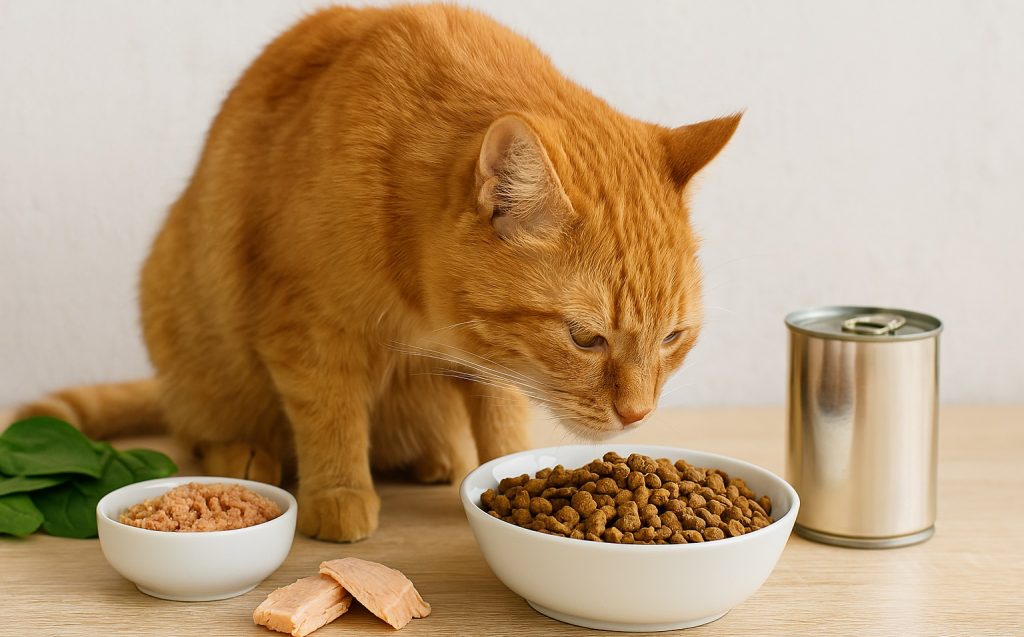
Remove uneaten food and wash bowls regularly with soap and warm water. Rinse thoroughly and let them dry before refilling. A food bowl can accumulate saliva, oil, and crumbs, even when it contains only dry kibble. Smooth, nonporous bowls that are easy to clean can simplify the routine, but no material eliminates the need for washing.
If your cat is unwell, immunocompromised, or has a prescribed feeding schedule, hygiene becomes even more important. Avoid sharing unwashed utensils between raw ingredients and pet food. How to clean a dry cat food for urinary tract health and keep it in good condition is partly about reducing cross-contamination at the serving point. Keep fresh water accessible in a separate clean bowl.
Do Not Use Strong Fragrance Around the Meal
A heavily scented cleaning product may leave residue or make the food area less appealing. Use routine dishwashing methods, rinse completely, and store cleaning chemicals away from food. Never add antimicrobial sprays directly to kibble. If a bowl develops scratches, cracks, or surfaces that cannot be cleaned properly, replace the bowl rather than improvising chemical treatments.
Clean the Scoop and Storage Container
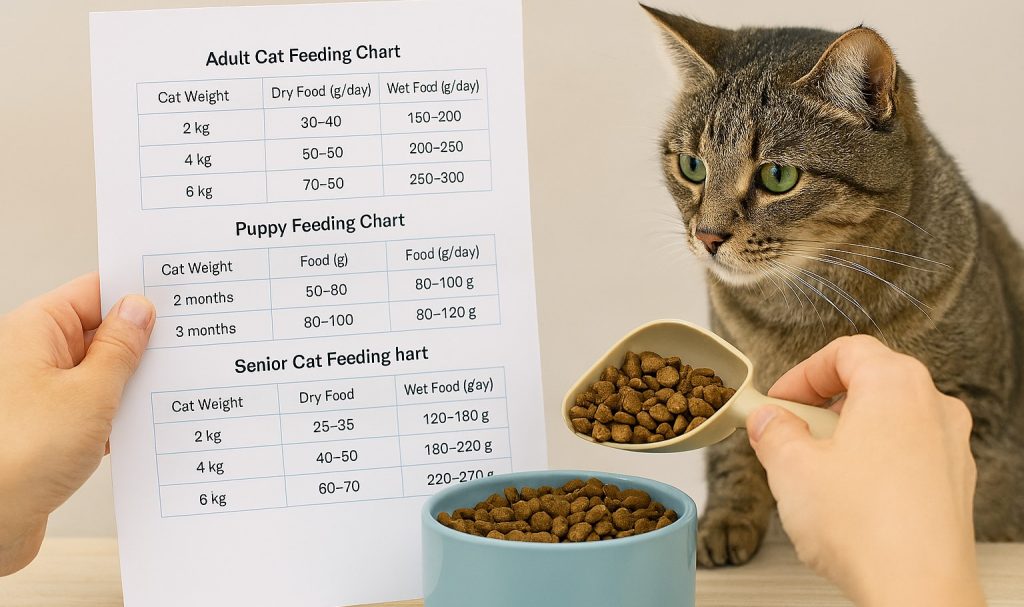
Use a dedicated clean scoop and avoid reaching into the bag with wet hands. After washing a scoop, dry it fully before it contacts dry food. Do not leave it resting in a sink or on a countertop that also holds raw meat. A simple dedicated tool reduces avoidable contamination and supports consistent measuring. It also helps caregivers track how much the cat actually eats.
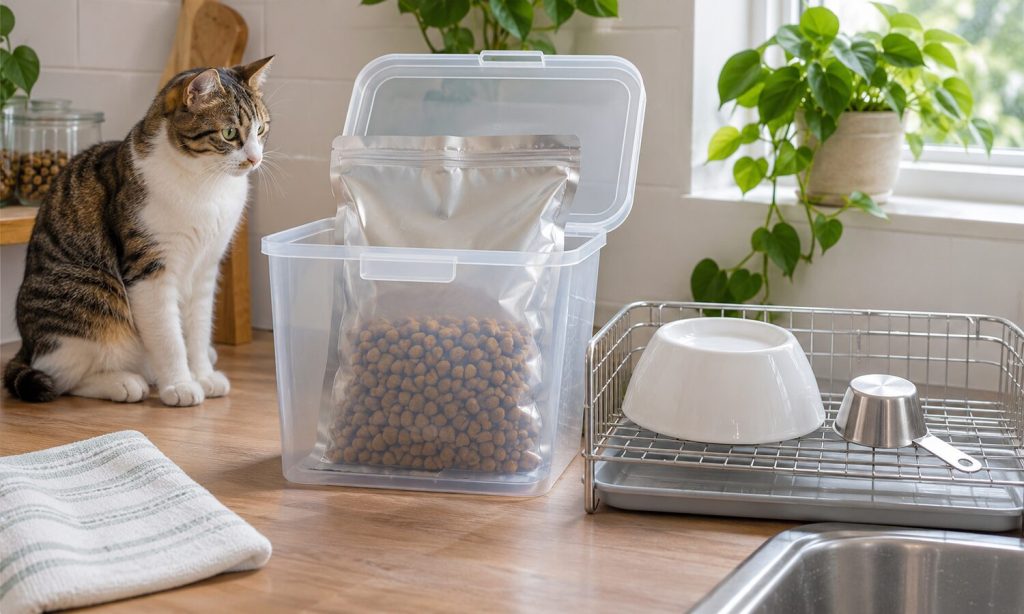
When changing bags, empty and wash the reusable storage bin, then dry it thoroughly. The FDA recommends putting the entire original bag inside another container instead of pouring loose kibble into it. This helps retain the original label, lot number, and best-by information. How to clean a dry cat food for urinary tract health and keep it in good condition involves cleaning the bin before a new bag, not mixing fresh food into old residue.
Keep the Package Identification
Save the original bag until it is empty. Its lot code can be important if a recall or complaint occurs. If food is stored in a secondary bin, keep the opening date and feeding directions readable. A written storage note can help, but do not cover required labeling. Protect the bin from pets, pests, moisture, and children who might spill other materials into it.
Protect Dry Food From Heat and Moisture
Choose a cool, dry location away from windows, hot appliances, damp basements, and household chemicals. Fold or fasten the opened bag securely after each use. Direct sunlight, humidity, and poor closure can affect quality. Do not freeze or refrigerate a bag unless the manufacturer specifically recommends it; condensation can be an unintended consequence of temperature changes.
How to clean a dry cat food for urinary tract health and keep it in good condition also means recognizing when cleaning cannot fix a problem. Throw away food with mold, pests, obvious moisture damage, an unusual smell, or evidence of contamination. Do not attempt to rescue it through baking, rinsing, or drying. A date printed in the future does not make contaminated food safe.
What to Do if the Bag Is Damaged
If a package arrives torn, unsealed, or wet, do not feed it. Keep the label and contact the seller or manufacturer about the problem. If the product has been recalled, follow official directions for that lot. Report suspected food-related illness to the veterinarian and keep the details needed for a complaint. Food safety is more important than avoiding waste.
Protect a Veterinary Urinary Diet Plan
Urinary problems differ. Cats may have idiopathic cystitis, stones, infection, or obstruction. A veterinarian selects the appropriate treatment and may prescribe a diet formulated for a specific goal. Do not dilute, mix, season, or substitute a therapeutic diet without medical advice. Switching formulas unexpectedly may undermine a carefully controlled plan.
In a multi-cat home, keep different diets identifiable and prevent accidental bowl sharing when one cat has a prescription. Measure portions consistently and record appetite. How to clean a dry cat food for urinary tract health and keep it in good condition must include protecting the food’s intended composition. Our separate guide to wet urinary-support diets discusses the format distinction, not a reason to mix treatments.
A Clean Bowl Does Not Treat a Blockage
Cats that strain, cry while urinating, make repeated unproductive trips to the litter box, or produce little to no urine need urgent veterinary assessment. Urethral blockage is an emergency, particularly in male cats. Do not wait to see whether a fresh bowl or different kibble solves the problem. Hygiene supports daily care, but diagnosis and treatment belong with the veterinarian.
Create a Repeatable Cleaning and Inspection Routine
After a meal, remove stale crumbs, clean the bowl, and wipe up spills. Once tools are washed, air-dry them completely before reuse. Each time you open the bag, check its closure, the food’s appearance, and the storage area’s dryness. Before starting a new bag, clean the bin and confirm the label matches the prescribed diet.
How to clean a dry cat food for urinary tract health and keep it in good condition becomes easier when every caregiver follows the same checklist. Keep cleaning supplies separate, note lot numbers, avoid overfilling bowls, and check the veterinarian’s feeding instructions. Small consistent steps are safer than occasional deep cleaning that leaves damp utensils or chemicals near food.
When to Seek Help About Food Quality
Contact the food manufacturer if unusual odor, texture, or packaging changes are not explained by the label. Contact a veterinarian for vomiting, diarrhea, lethargy, appetite loss, or changes in urinary symptoms. Save relevant packaging and photos of damaged containers if appropriate. Never use a visual inspection alone to rule out contamination.
Frequently Asked Questions
The word ‘clean’ can be confusing when it refers to food rather than a feeding station. These answers distinguish hygiene of bowls and containers from attempts to salvage old kibble.
For cats on a medical diet, follow the veterinarian’s instructions first. Do not change the diet in response to a dirty bowl or an uncertain package without discussing replacement options.
Can I rinse dry urinary cat food with water?
Do not wash kibble to clean it. If a veterinarian directs you to add water for hydration, prepare only a fresh meal under their instructions. Discard contaminated food.
How often should I wash the food bowl?
Wash it routinely, ideally after meals, and dry it before refilling. Clean and dry the scoop as well, especially when it becomes soiled.
Can I pour a fresh bag over old kibble?
Avoid mixing batches. Empty and clean the container before starting a new bag, and retain the original packaging information.
Is damp kibble safe after drying?
Do not try to salvage food that became unintentionally wet. Moisture may allow spoilage or contamination. Replace the affected food instead.
Does a urinary diet prevent every urinary emergency?
No. Urinary conditions differ and some require urgent treatment. Straining or inability to urinate requires immediate veterinary care.
Final Words
How to clean a dry cat food for urinary tract health and keep it in good condition means washing the bowl, scoop, and bin while keeping the kibble itself dry and untouched by cleaners. Preserve the original bag and lot number, avoid moisture and heat, and discard food that may be contaminated. A predictable hygiene routine protects meals without changing the recipe.
If your cat uses dry cat food for urinary tract health under veterinary direction, maintain the prescribed diet and ask before changing portions or mixing foods. Clean equipment helps, but urinary symptoms still deserve medical attention. Treat repeated unsuccessful attempts to urinate as an emergency rather than waiting for a food-storage fix.
Reference
Food safety guidance: U.S. Food and Drug Administration — Proper Storage of Pet Food & Treats; and FDA — Safe Handling of Pet Food and Treats.
Urinary health guidance: Cornell Feline Health Center — Feline Lower Urinary Tract Disease; and American College of Veterinary Surgeons — Urinary Obstruction in Male Cats.