
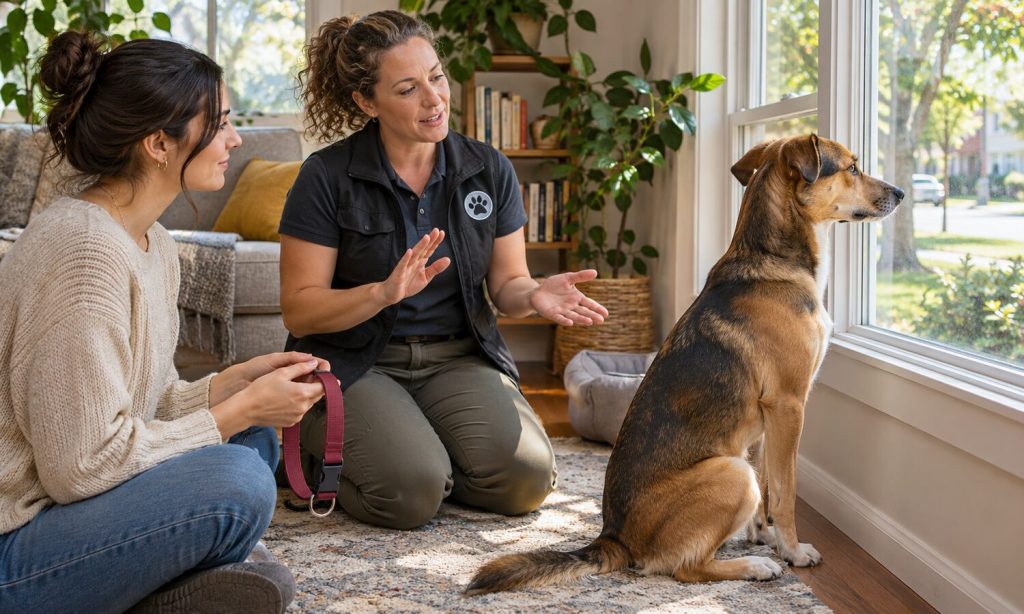
German Shepherds often enjoy active games, problem-solving, and carrying toys, but their strength can turn a poorly chosen toy into a safety hazard. Common mistakes when choosing a dog toys for german shepherds include buying objects that are too small, assuming ‘indestructible’ means safe, and ignoring the dog’s individual chewing style. A toy that suits a gentle fetcher may not survive a dog that systematically tears seams or swallows fragments.
This guide explains how to assess dog toys for german shepherds based on size, materials, supervision, play purpose, and maintenance. It also covers puzzle feeders, fetch games, puppy considerations, and signs that a chew may damage teeth. Rather than promising one toy is perfect for every Shepherd, the goal is to match each activity with a safe, satisfying option and replace damaged toys promptly.
Mistake One: Choosing by Breed Label Alone
A German Shepherd may be large, but age, jaw behavior, training history, dental health, and play preferences vary considerably. Some dogs love gentle retrieval; others shake, chew, pull, or guard toys intensely. A package labeled ‘for large dogs’ is a starting point, not a guarantee of safe dimensions or durability. Observe how your dog handles new objects during brief supervised sessions before allowing longer play.
Check whether the entire toy or any detachable component could fit far enough into the mouth to be swallowed or become stuck. Small squeakers, decorative eyes, loose rope strands, and detachable parts can present risks. Cornell University’s veterinary guidance notes that swallowed nondigestible objects can cause gastrointestinal obstruction. If your dog tends to eat fabric, foam, or plastic, use extra caution even with toys marketed for strong chewers.
Match the toy to the actual play style
A soft tug toy, a food-dispensing puzzle, and a retrieval ball serve different jobs. Choose a format designed for the planned game rather than asking one toy to do everything. For a vigorous tugger, inspect attachment seams and hold the toy low enough to avoid twisting the neck or forcing awkward jumping. For a fetcher, select a size that cannot lodge in the throat. For a puzzle beginner, start with a simple challenge so frustration does not become frantic destruction.
Mistake Two: Confusing Hardness With Safety
Extremely hard objects can threaten teeth even if a dog cannot break the toy. Cornell’s veterinary dental information cautions against hard chews such as antlers, bones, and certain manufactured objects that may fracture teeth. Look for appropriate material flexibility while considering whether a dog can rip off large pieces. ‘More durable’ is not always ‘more suitable,’ particularly for dogs with worn or damaged teeth.
Do not give cooked bones, splintering sticks, or household objects as casual toy substitutes. A toy should not leave sharp edges, exposed wires, or abrasive surfaces after a chewing session. If you notice blood in the mouth, sudden reluctance to chew, excessive drooling, or tooth sensitivity, remove the object and contact your veterinarian. Changing toy hardness may be necessary, but suspected dental damage requires clinical assessment.
Inspect chew edges during play
Start with a visual and fingertip inspection of the toy before each session. Check for cracks, sharp ridges, loose stuffing, exposed squeakers, and sections that have become small enough to swallow. Stop the activity immediately if chunks detach. Do not repair a cracked heavy-duty chew with household glue or tape, which may add new ingestion hazards. Discard or retire an unsafe toy even when it has been a longtime favorite. A short supervised test is safer than assuming a reputation for toughness guarantees the next session.
Mistake Three: Ignoring Mental Enrichment
German Shepherds often benefit from activities that engage the brain as well as the body. An endless cycle of frantic throwing can increase arousal while leaving the dog’s problem-solving needs unmet. Food puzzles, scent games, structured training, and calm search activities provide different types of engagement. The ASPCA describes meal-based enrichment as a practical way to make everyday feeding more interesting, provided the activity is safe for the individual dog.
Choose puzzle difficulty according to the dog’s experience. If the dog flips a feeder violently or tears it open, the challenge may be unsuitable or frustrating. Supervise the first attempts, use part of the measured daily food ration, and ensure cleaning is practical. Avoid leaving food-filled toys out long enough for moist contents to spoil. Rotate a few well-understood games instead of constantly presenting unfamiliar gadgets that increase excitement without learning.
Balance vigorous games with recovery
Fetch, tug, sniffing, training, and quiet chewing can complement one another. Avoid repetitive high leaps, sharp turns, and strenuous play in very hot weather, especially for growing dogs or those with orthopedic issues. Cornell recommends sensible ball-play habits that reduce impact and awkward catches. Watch for fatigue, uneven movement, or a dog that cannot settle after play. Enrichment should support welfare, not simply exhaust the dog.
Mistake Four: Leaving Every Toy Unsupervised
No toy is guaranteed safe when a powerful dog is left alone with it. Begin supervised and increase independence only when you understand the dog’s behavior with that exact item. Some dogs chew a stuffed toy gently for months; others remove the stuffing in minutes. Squeakers, threads, and torn rubber can become swallowing hazards. Store fragile or damaged playthings where the dog cannot retrieve them without you.
Supervision also matters during games involving people or multiple dogs. Teach a calm ‘drop’ or trade cue through positive reinforcement rather than grabbing a prized toy from the mouth. If resource guarding involves growling, stiffening, or snapping, consult a qualified reward-based behavior professional. Do not turn tug into a test of dominance. Use toys to create predictable, enjoyable interaction while keeping hands away from powerful closing jaws.
Keep the toy collection clean and inspectable
Wash toys according to their material and manufacturer’s directions. Discard wet or moldy stuffing, rinse away soap residue, and let toys dry fully before storage. Food puzzles require cleaning after meals to prevent residue buildup. Check seams after laundering because weakened stitches may open during play. Store different types in a ventilated basket and keep sharp or unsuitable household objects out of reach. A toy that cannot be cleaned adequately may not be a practical choice for repeated food contact.
Mistake Five: Failing to Adapt as the Dog Ages
Puppies explore with their mouths and need age-appropriate toys that account for developing teeth and changing body size. An object that was appropriately large last month may now be too small relative to the dog’s jaws or chewing strength. Older German Shepherds may need less impact, softer materials, or easier puzzles if they have dental or mobility limitations. Reevaluate toys after changes in health, behavior, or physical condition.
If your dog suddenly becomes destructive, starts swallowing objects, or refuses a once-favorite chew, consider medical or stress-related causes rather than replacing the toy with something harder. Dental pain, anxiety, boredom, and other issues can change behavior. A veterinarian can evaluate health factors; a qualified trainer or behavior professional can help with safe alternative activities. Safety requires ongoing observation, not a one-time purchase.
Frequently Asked Questions
A German Shepherd’s play needs can evolve throughout life. These questions address common misconceptions about selecting and maintaining toys.
Always supervise the first uses of any new toy and seek veterinary care if you suspect a swallowed piece or dental injury.
Are indestructible dog toys completely safe?
No. Materials can still fracture teeth, break unexpectedly, or become swallowable when damaged. Inspect every toy and supervise use.
What size toy is right for a German Shepherd?
Choose a size that cannot be swallowed or lodge in the throat, including any parts that might detach. Consider the dog’s actual mouth and chewing style.
Are hard bones and antlers good chew toys?
They can be too hard and may damage teeth. Ask your veterinarian about safer chewing options suited to your dog.
Can puzzle toys replace walks and training?
No. Puzzles add mental enrichment but complement appropriate physical activity, social engagement, and everyday training.
When should I replace a toy?
Replace it when seams split, pieces detach, cracks appear, sharp edges form, or cleaning is no longer effective.
Final Words
The biggest mistakes when choosing a dog toys for german shepherds are trusting broad durability claims, ignoring swallowable parts, selecting excessively hard materials, and skipping supervision. Match each toy to the dog’s size, dental health, chewing behavior, and play goal. Rotate safe activities, inspect items often, and replace anything damaged before it creates a hazard.
Explore our German Shepherd toy overview, chew toy safety checklist, and large-dog toy formats for related context. A well-chosen toy should create safe engagement and enjoyable time together, not merely withstand the strongest bite.









