
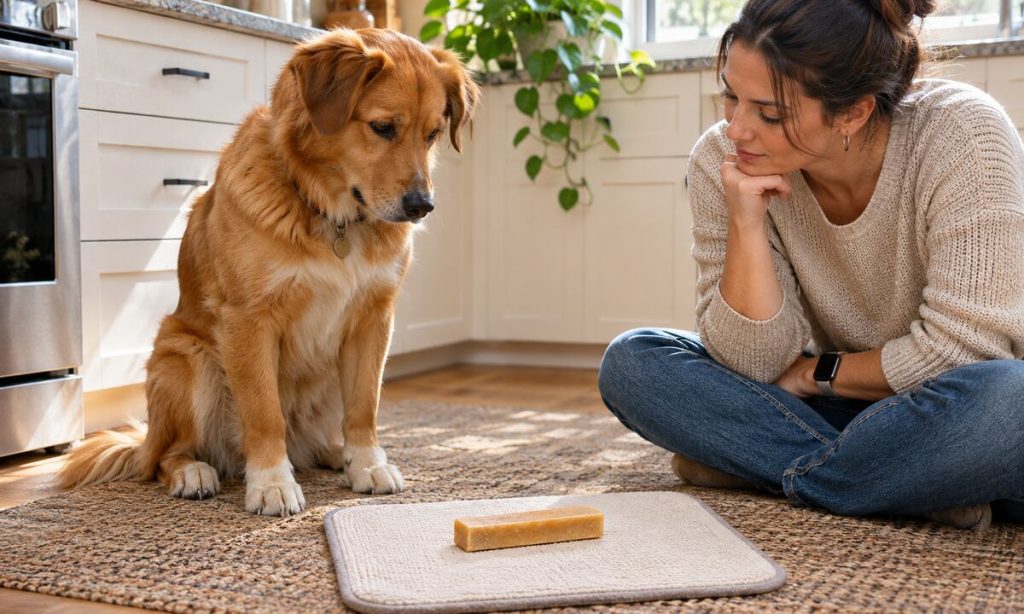
Yak chews for dogs are dense, often long-lasting edible chews made from dried milk ingredients. Their firmness is the central safety concern. A chew that feels durable may also be hard enough to damage teeth, while a small leftover piece can present a choking or swallowing risk. The right evaluation starts with your dog’s dental health, chewing style, size, and ability to swallow pieces. Do not assume that a natural ingredient makes a chew risk-free.
When examining a yak chew for dogs, read the label and inspect the actual chew instead of relying on a size category alone. This guide explains hardness tests, piece size, supervision, ingredients, and reasons to avoid a chew altogether. Veterinary dental guidance consistently warns against very hard chewing objects. The safest answer for some dogs will be to choose a different activity rather than insist on a particular chew.
Understand the Hardness Tradeoff
Many yak-style milk chews are intentionally hard. That is why they last longer, but tooth enamel and crowns can be damaged by very hard materials. Cornell University’s veterinary guidance notes that chewing hard objects is a common cause of fractured teeth in dogs. A dog does not need to yelp or visibly bleed for a tooth to be injured. Some stop chewing on one side, drop food, or become reluctant to bite.
Consider whether you can make an indentation with a thumbnail or whether the chew flexes at all. These are rough screening cues, not certified safety tests. If the object feels like a rock, caution is justified. Do not rely on a dog’s enthusiasm as proof that the chew is safe. A strong jaw can apply damaging forces even when the dog appears happy. Veterinary assessment is especially important for dogs with previous fractures or dental problems.
Evaluate Piece Size and Shape
Assess the chew in relation to the dog’s mouth, not just body weight. A piece that can slip entirely between the jaws can be swallowed with little chewing. Too-small pieces may become lodged in the throat or gastrointestinal tract. Inspect both ends for sharp corners, brittle edges, and fragments. Compare how the dog holds the chew: does the animal gnaw at one end or try to gulp the whole item?
Shape changes as a chew wears down. A long piece may eventually become a short plug that can be swallowed whole. Set a stop point and remove remaining pieces before they become risky. Keep a container for safely discarded leftovers so another animal cannot retrieve them. The site’s chew-toy size and damage safety guide explains how to recognize these problems across different chew materials.
Read Ingredients and Feeding Directions
Yak-style chews usually involve dried milk-based ingredients, but exact formulations can vary. Read the full ingredient list, calorie information where available, and any stated size or age restrictions. A dog with a confirmed food allergy or sensitivity may react to an ingredient that seems familiar. Treats still contribute calories and should not displace a complete, balanced diet. Ask your veterinarian when pancreatitis, digestive disease, obesity, or a prescribed diet complicates treat choices.
Labels can also specify how to store the chew and what to do with small ends. Follow those directions only when they do not conflict with veterinary safety guidance. Do not microwave, soften, or alter a chew in an improvised way unless the manufacturer expressly describes an approved process. Heating can produce uneven temperatures or change texture. Ingredient simplicity does not eliminate physical hazards from hardness and size.
Match the Chew to Your Dog’s Mouth
An adult dog with healthy teeth may still be vulnerable to injury from hard objects. Puppies have developing teeth and different chewing needs. Older dogs may have worn, fractured, loose, or painful teeth that make hard chewing inappropriate. Flat-faced dogs can have dental crowding, and dogs that gulp food may swallow pieces rapidly. A veterinarian is best placed to evaluate whether this category is suitable for a particular mouth.
Look for warning signs before any chew session: persistent bad breath, bleeding gums, pawing at the face, one-sided chewing, dropping food, or avoiding harder food. Arrange a dental examination if these appear. The site’s discussion of signs of dental pain in dogs illustrates why changes in chewing behavior deserve attention. Do not offer an extra-hard object as a way to clean a painful mouth.
Supervise Every Chewing Session
Stay in the room and actively watch. Supervision means you can see the dog and respond when a large piece breaks off, the chew becomes too small, or vigorous biting begins. Do not leave hard edible chews in a crate overnight or while traveling. Some dogs become possessive when approached, so plan a calm trade with a familiar cue rather than grabbing abruptly. A safe routine should not provoke guarding.
Limit the session when the dog becomes overexcited or starts using excessive crushing force. Check the mouth for distress afterward without forcing it open. If the dog swallows a large piece, develops repeated gagging, cannot breathe normally, drools excessively, vomits, or appears painful, contact a veterinarian urgently. Severe choking is an emergency. Keeping your veterinary clinic and emergency number accessible is part of the safety plan.
Avoid Common Misleading Claims
A claim that a chew is natural, traditional, or long-lasting does not establish dental safety. Nor does a statement about cleaning teeth prove that the object has been assessed for tooth-fracture risk. Hard chewing may remove some debris, but it is not a replacement for brushing, veterinary dental exams, and care recommended for the individual dog. Be skeptical of promises that one chew solves bad breath or prevents dental disease.
Compare claims with known risks. The ASPCA’s guidance on chews emphasizes choking and obstruction hazards, and veterinary dental organizations warn about exceptionally hard objects. The site’s discussion of other edible dog chews may help you understand how ingredient, digestibility, size, and supervision concerns vary. No edible chew is risk-free, and no category should be treated as universally suitable.
Storage, Damage, and Disposal
Keep unused chews dry, sealed, and away from heat, moisture, pets, and children. Check the package for storage directions and the use-by date. Discard a chew with mold, unusual odor, contamination, sharp fractures, or damage. Do not try to salvage a contaminated or cracked chew. Wash hands after handling animal treats and clean the area where chewing occurs, especially when saliva and crumbs collect on fabric.
Remove leftovers that have become small enough to swallow or too sharp to handle safely. Do not save a saliva-soaked remnant indefinitely. Observe the next bowel movements and appetite if a dog chewed off unusual pieces, and contact the veterinarian when concerned. Physical safety is the priority, not getting maximum minutes from each treat. Sometimes stopping early is the best value the chew can offer.
Frequently Asked Questions
These answers address the questions owners most often ask when considering a very hard edible chew. Every dog’s mouth and chewing behavior differ, so use them as safety prompts rather than permission to ignore veterinary advice.
An individual chewing history can change the answer quickly. Dogs with known dental disease, fast gulping habits, or previous obstruction may need a different enrichment plan that a veterinarian can help design.
Can a yak chew crack a dog’s tooth?
Yes. Very hard chews can contribute to tooth fractures. Veterinary dental sources caution against hard chewing objects, especially for dogs with existing dental problems.
Is a larger chew always safer?
No. Oversized hard objects can still injure teeth. A piece that later becomes small enough to swallow presents a different hazard.
Should puppies use hard yak chews?
Ask your veterinarian first. Developing teeth and chewing behaviors need special consideration, and very hard chews can be inappropriate.
What should I do if my dog swallows a big chunk?
Contact a veterinarian promptly for advice. Choking, breathing trouble, repeated retching, or collapse warrants emergency care.
Do hard chews replace toothbrushing?
No. Daily brushing where possible and veterinary dental care remain important. Chewing alone does not prevent or diagnose dental disease.
Final Words
The most important things to look for in a yak chew for dogs are whether it is too hard for the teeth, whether its pieces can be swallowed, what ingredients it contains, and how your dog actually chews. Check for dental pain, supervise closely, and discard damaged or undersized remnants. A tough treat is never worth a fractured tooth or blocked airway.
Use the site’s yak chew for dogs overview as additional category context, not as a substitute for veterinary guidance. If you cannot comfortably assess hardness and swallowing risk, pause and discuss safer enrichment options with your dog’s veterinarian. Dental health and breathing safety come before treat longevity.
Reference
These veterinary sources inform the discussion of hard chews, tooth fractures, choking hazards, and dental care. They are included because decisions about dental injury risk affect animal health.
Seek individual veterinary guidance for dogs with dental disease, swallowing concerns, or any sudden symptoms during chewing. Educational guidance cannot determine whether a particular chew is safe for a particular dog.
- Cornell University College of Veterinary Medicine — Risks From a Fractured Tooth.
- Cornell University College of Veterinary Medicine — Dental Disease and Home Dental Care.
- ASPCA — Position Statement on Dog Chews/Treats.
- American Veterinary Medical Association — Pet Dental Care.









