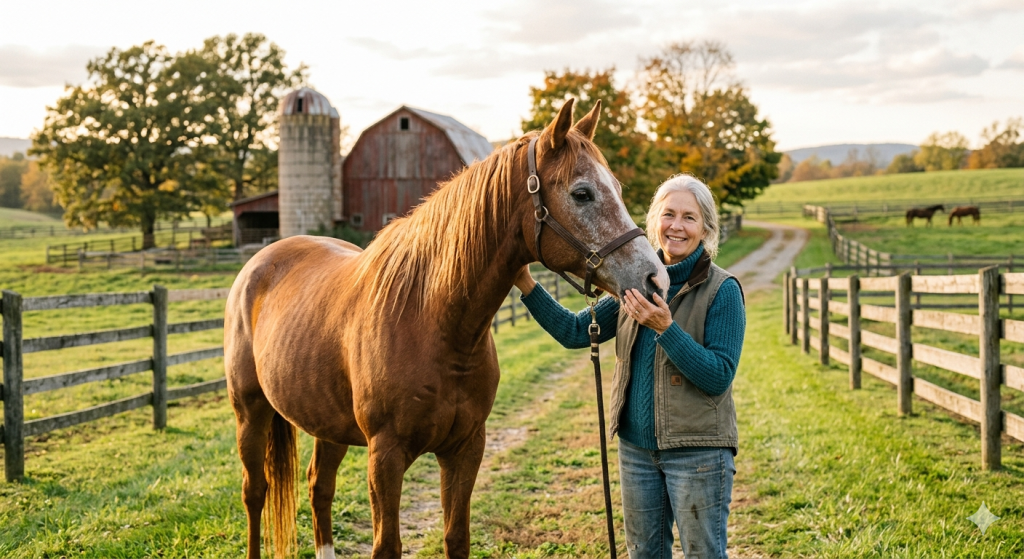
So, you’ve finally decided to trade your free time and clean fingernails for a 1,200-pound toddler with hooves. Welcome to the club! One of the first things every new or aspiring owner asks is: how long does a horse live? Knowing the commitment helps you plan for a future that involves a lot of hay and even more vet bills.
I remember my first pony, a stubborn Shetland who lived well into his thirties just to spite the gate latch he loved to break. Most domestic horses usually reach 25 to 30 years of age. However, modern veterinary medicine and better nutrition mean we see plenty of “golden oldies” pushing 35.
Think of it this way: buying a horse isn’t like buying a car; it’s more like adopting a roommate who never pays rent and eats the furniture. Are you ready for a three-decade relationship? Let’s break down what determines whether your equine buddy becomes a long-term legend or a shorter-term project.
what is the average age of a horse depending on the breed?
Not all horses are created equal when it comes to the aging process. Generally, smaller breeds outlive larger ones. It’s a bit of a cruel joke from Mother Nature—the bigger the horse, the faster the “wear and tear” seems to set in.
Ponies are the undisputed champions of longevity. It is not uncommon to see a Shetland or Welsh pony hit 35 or 40. They are hardy, efficient, and apparently fueled by pure mischief. On the flip side, Draft breeds like Clydesdales or Shires often have shorter lifespans, usually averaging 15 to 20 years.
- Ponies: 30–40 years
- Arabians: 25–35 years (known for incredible stamina and health)
- Thoroughbreds: 20–25 years (often due to the physical toll of racing)
- Quarter Horses: 25–30 years
- Draft Horses: 15–20 years
Horse Life Stages
Understanding where your horse sits on the timeline helps you manage their workload and diet. You wouldn’t ask a toddler to run a marathon, right? IMO, treating a horse according to its specific life stage is the secret sauce to a long life. 🙂
Newborn (Birth to Weaning)
This stage is all about rapid growth and staying alive despite their best efforts to trip over their own legs. Foals rely entirely on their mother’s milk and antibodies for the first few months. This period is critical for developing a strong immune system.
Weanling (Up to 1 Year Old)
Once they leave mom (usually around 4 to 6 months), they become weanlings. They spend most of their time growing like weeds and testing boundaries. Proper nutrition here prevents orthopedic issues later in life.
Yearling (1 to 2 Years Old)
Think of this as the “awkward teenager” phase. They are often gangly, out of proportion, and full of misguided confidence. They aren’t ready for a rider yet, as their growth plates are still wide open.
Adolescent (2 to 4 Years Old)
Most people start light training during these years. While they look like adults, their skeletons are still finishing up. Patience during this stage prevents chronic lameness issues when they hit their teens.
Adult (4 to 15 Years Old)
These are the “prime” years. Your horse is at its peak physical strength and mental maturity. If you’ve done your job right, this is when you get the most out of your riding or driving partnership.
Senior (15+ Years Old)
The “Senior” label is a bit subjective. Some 20-year-olds act like five-year-olds, while some 15-year-olds start showing gray hairs and stiff joints. Specialized senior feeds and more frequent dental checks become your new best friends here.
Common Causes of Death in Horses
Life isn’t always green pastures and sugar cubes. Horses are remarkably fragile for animals that weigh half a ton. Understanding the risks helps you catch problems before they turn into tragedies.
Colic
This is the boogeyman of the horse world. Colic is basically a fancy term for abdominal pain, but it can be fatal. Digestive upsets or twisted intestines cause the majority of non-age-related deaths.
Laminitis
Imagine your fingernails trying to peel off while you stand on them. That’s laminitis. It is a painful inflammatory condition of the hoof tissues. Severe cases often lead to euthanasia because the pain becomes unmanageable.
Navicular Disease
This involves the degeneration of the navicular bone in the hoof. While it’s often a chronic lameness issue rather than a direct killer, it frequently ends a horse’s career. Long-term management is expensive and not always successful.
Injuries
Horses have a “fight or flight” reflex that usually chooses “flight” at the most inconvenient times. A broken leg is still a very serious, often terminal, injury for a horse. Their heavy bodies make it nearly impossible to keep weight off a limb long enough for it to heal.
How To Increase Your Horse’s Lifespan
We can’t stop the clock, but we can certainly slow it down. If you want your horse to be the one setting records for longevity, you have to be proactive. FYI, consistency is more important than expensive supplements.
Provide Routine Veterinary Care
Don’t wait for an emergency to call the vet. Annual vaccinations and bi-annual dental floats are non-negotiable. Bad teeth lead to poor nutrition, which leads to a downward spiral of health.
Provide a Balanced Diet
Forage should always be the foundation. High-quality hay or pasture keeps the digestive system moving. Avoid overfeeding grain, as “hot” diets often lead to metabolic issues and laminitis.
Provide Protection and Reduce Stress
A stressed horse is a sick horse. Ensure they have adequate shelter from extreme weather and plenty of “turnout” time. Horses are social creatures, so having a buddy prevents the mental stress of isolation.
what are the signs of ageing in horses?
How do you know if your horse is feeling the years? The signs are usually subtle at first. You might notice they take a little longer to warm up during a ride.
Graying hair around the muzzle and eyes is the most obvious sign. You might also notice a “dipped” back (swayback) as muscle tone decreases. Their teeth also change shape and angle, which a vet can use to estimate their age.
what can cause a horse to die?
Aside from the medical issues mentioned above, old age eventually leads to organ failure. The heart or kidneys simply give out. In many cases, owners choose humane euthanasia when a horse can no longer get up on its own or maintain a decent quality of life. It’s the hardest part of ownership, but it’s the final kindness we owe them.
How to Estimate a Horse’s Age
Did you buy a horse without papers? Good luck! Unless you were there for the birth, you’re playing a guessing game. However, we have one reliable—though not perfect—indicator.
Teeth
“Looking a gift horse in the mouth” isn’t just a saying. We check the incisors for wear patterns, the presence of Galvayne’s Groove, and the angle of the teeth. By age 20, the teeth slope forward significantly. It won’t give you a birth certificate, but it gets you in the ballpark.
Other Things to Take Into Account
Environment plays a massive role in how long a horse lives. A horse living in a dusty, dry climate might struggle with respiratory issues. Conversely, a horse in a damp, muddy area might deal with constant hoof rot. Your management style is the biggest factor you can control.
Who was the Oldest Horse?
Think your 30-year-old is impressive? Meet Old Billy. He was a barge horse from England who lived to be 62 years old. He died in 1822, likely because he was too tough to quit. While 62 is definitely an outlier, it shows what the equine body is capable of with the right conditions.
Summary
To recap, most horses live between 25 and 30 years. Ponies usually live longer, while Drafts live shorter lives. Key factors for a long life include:
- Preventative vet and dental care.
- A forage-based diet.
- Weight management (obesity kills!).
- Low-stress environments.
Frequently Asked Questions
Can a horse live to be 50?
It is extremely rare, but it has happened. Most horses consider 35 to be a very ripe old age.
Do wild horses live longer than domestic ones?
Actually, no. Wild horses usually live only 15 years because they lack dental care, consistent food, and protection from predators.
When is a horse considered “old”?
Generally, the industry labels them as seniors at age 15, though many stay active well into their 20s.
Final Words
Owning a horse is a long-term journey that requires heart, soul, and a very sturdy bank account. While the question “how long does a horse live?” has a statistical answer, the real answer depends on the love and care you provide every day. Enjoy every ride, even the ones where they decide a butterfly is a soul-devouring monster.