
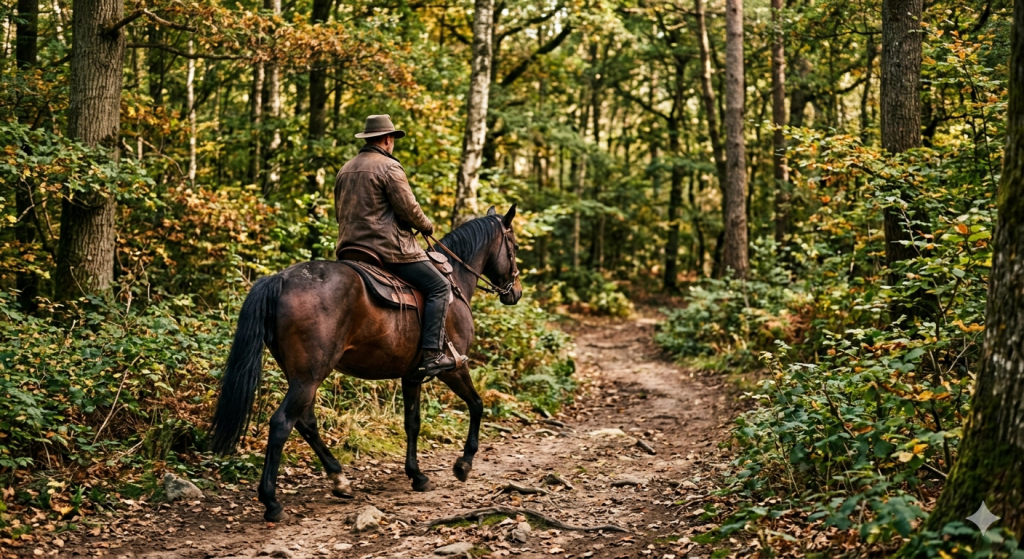
Ever watched a horse walk off down a trail and thought, “Okay… but how far can that majestic tank actually go in one day?” Same here. I asked that question the first time I planned a long trail ride and realized Google gave me answers that felt vague at best. So let’s fix that. How Far Can a Horse Travel In a Day? depends on way more than just speed, and I’ll walk you through it like we’re chatting over coffee—minus the manure smell
I’ve ridden endurance horses, lazy pasture potatoes, and everything in between. Trust me, distance looks very different depending on the horse, the rider, and the conditions. Let’s break it down in a way that actually makes sense.
Present Horses vs. Ancient Horses
People love saying ancient horses crossed continents like it was nothing. They didn’t exactly do that casually, but they did cover impressive ground.
Ancient horses worked as survival tools. Humans depended on them for travel, war, and trade, so people trained them for long, steady distances, not Instagram-worthy sprints. Riders focused on pacing, rest, and horse care because failure meant real consequences.
Modern horses live softer lives. We pamper them, feed them premium hay, and let them retire early (lucky creatures). Today’s horses still travel far, but riders rarely push daily limits unless endurance riding demands it. IMO, modern horses can match ancient distances, but riders choose comfort over necessity—and honestly, fair enough.
Horses in the Wild
Wild horses don’t care about your riding schedule. They move because survival tells them to move.
Feral horses often travel 10–20 miles per day just to find water, forage, and safety. They don’t rush, and they don’t stop early unless danger or exhaustion shows up. They master efficiency like pros.
Wild horses teach us a big lesson. Slow, consistent movement beats fast bursts every single time. Ever notice how they rarely look tired? That pacing strategy works wonders.
How Far Can a Horse Travel In a Day?
Here’s the short answer everyone wants—and yes, context matters.
A healthy, conditioned riding horse usually travels:
- 20–30 miles at a relaxed pace
- 30–40 miles with proper conditioning and breaks
- 50–100 miles in endurance events with expert management
Most casual riders stay in the 10–20 mile range, and that feels perfect for trail rides. Push beyond that without training, and you’ll regret it faster than skipping a saddle pad.
So when someone asks, How Far Can a Horse Travel In a Day?, I always reply: “As far as you prepare it to go.” Sounds cheesy, but it’s true.
Speed and Different Gait
Gaits change everything. Distance doesn’t depend on speed alone, but speed influences fatigue big time.
Let’s keep it simple:
- Walk (4 mph): Ideal for long distances and all-day travel
- Trot (8–12 mph): Efficient but tiring if overused
- Canter (12–15 mph): Fun, not distance-friendly
- Gallop (25–30+ mph): Cool for photos, terrible for endurance
Endurance riders rely heavily on the trot, mixed with walking breaks. I learned the hard way that too much cantering kills stamina fast. FYI, your horse remembers bad pacing longer than you do
The Important Parameter and Condition
Distance doesn’t live in a vacuum. Several factors decide how far your horse actually travels in a day.
Horse’s Health and Fitness
Fitness sets the ceiling. Period.
A well-conditioned horse handles long distances calmly, recovers quickly, and keeps a steady heart rate. An unfit horse struggles after ten miles and starts throwing subtle warning signs.
I always check:
- Breathing recovery
- Sweat pattern
- Willingness to move forward
A tired horse won’t complain loudly, so you must pay attention.
Existing Terrain and Footing
Terrain either helps or sabotages your plans.
Flat dirt trails feel easy. Rocky hills chew through energy. Sand feels like running on a beach—fun for five minutes, exhausting after that.
Distance drops fast when terrain includes:
- Steep climbs
- Deep sand
- Mud or slick clay
- Loose gravel
Bad footing shortens safe distance, no debate there.
Weather Conditions
Weather changes everything. Heat drains energy faster than distance ever will.
Hot, humid days reduce mileage safely by 20–30%. Cold weather helps endurance but increases hydration needs. Wind sneaks fatigue in quietly, especially on open terrain.
I cancel long rides during extreme heat. No ride beats heat exhaustion—ever.
Feed, Water and Rest the Horse
Fuel matters. A lot.
Horses burn calories like furnaces during long rides. Without proper feed and water, even fit horses hit a wall.
Key rules I follow:
- Water every 5–10 miles
- Offer electrolytes during long rides
- Allow short grazing breaks
Rest keeps muscles elastic and minds calm. Skip it, and distance drops fast.
Equipment
Equipment either helps or hurts.
A poorly fitted saddle ruins a long ride faster than bad weather. I’ve ended rides early because I ignored a small rub—big mistake.
Watch for:
- Saddle fit
- Pad thickness
- Hoof protection
- Bridle comfort
Comfortable horses travel farther, period.
Rider’s Skills and Fitness
Yes, this one stings a bit.
An unbalanced rider drains a horse faster than extra weight alone. Tension travels straight down the reins and into the horse’s back.
Good riders:
- Maintain rhythm
- Adjust gait intelligently
- Spot fatigue early
I ride shorter distances when I feel tired. Horses shouldn’t pay for human ego.
Summary
Let’s bring it all together without overthinking it.
How Far Can a Horse Travel In a Day? Usually 20–30 miles comfortably, more with training, less without preparation. Terrain, weather, fitness, and rider decisions shape the final number.
Wild horses prove that slow and steady wins. Ancient horses remind us that conditioning matters. Modern horses thrive when we respect limits instead of chasing numbers.
Frequently Asked Questions
Can a horse travel 50 miles in one day?
Yes, with conditioning, rest stops, and smart pacing.
Is walking better than trotting for long distances?
Walking protects stamina. Trotting boosts efficiency. Mixing both works best.
Do heavier riders reduce distance?
Weight matters less than balance and skill. Poor riding tires horses faster than size.
How often should a horse rest during long rides?
Short breaks every hour keep muscles fresh and minds relaxed.
Final Words
I’ll leave you with this thought. Distance doesn’t impress horses—comfort does. Train smart, pace patiently, and listen closely, and your horse will happily carry you farther than you expect.
So next time someone asks, How Far Can a Horse Travel In a Day?, smile and say, “As far as we treat them right.” That answer never fails