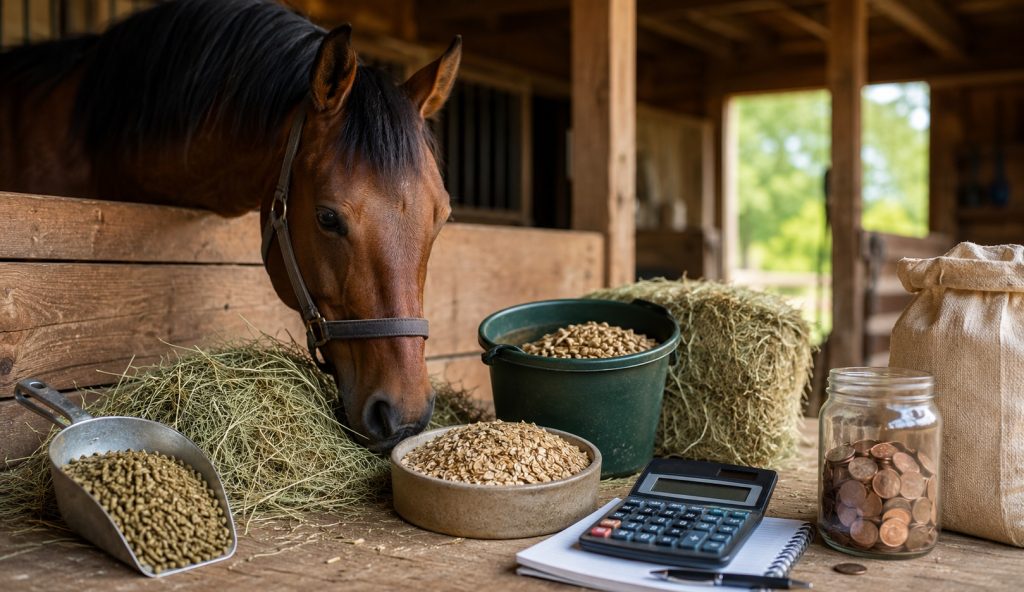
Expect $80–$400 per month per horse, depending on hay, grain, and boarding choices.
I have managed barns and worked with owners for over a decade, so I know the range and the reasons behind it. This article explains how much does it cost to feed a horse monthly, breaking down hay, concentrates, supplements, pasture, and regional differences. Read on for clear estimates, practical examples, and tools you can use to build a realistic monthly feeding budget.
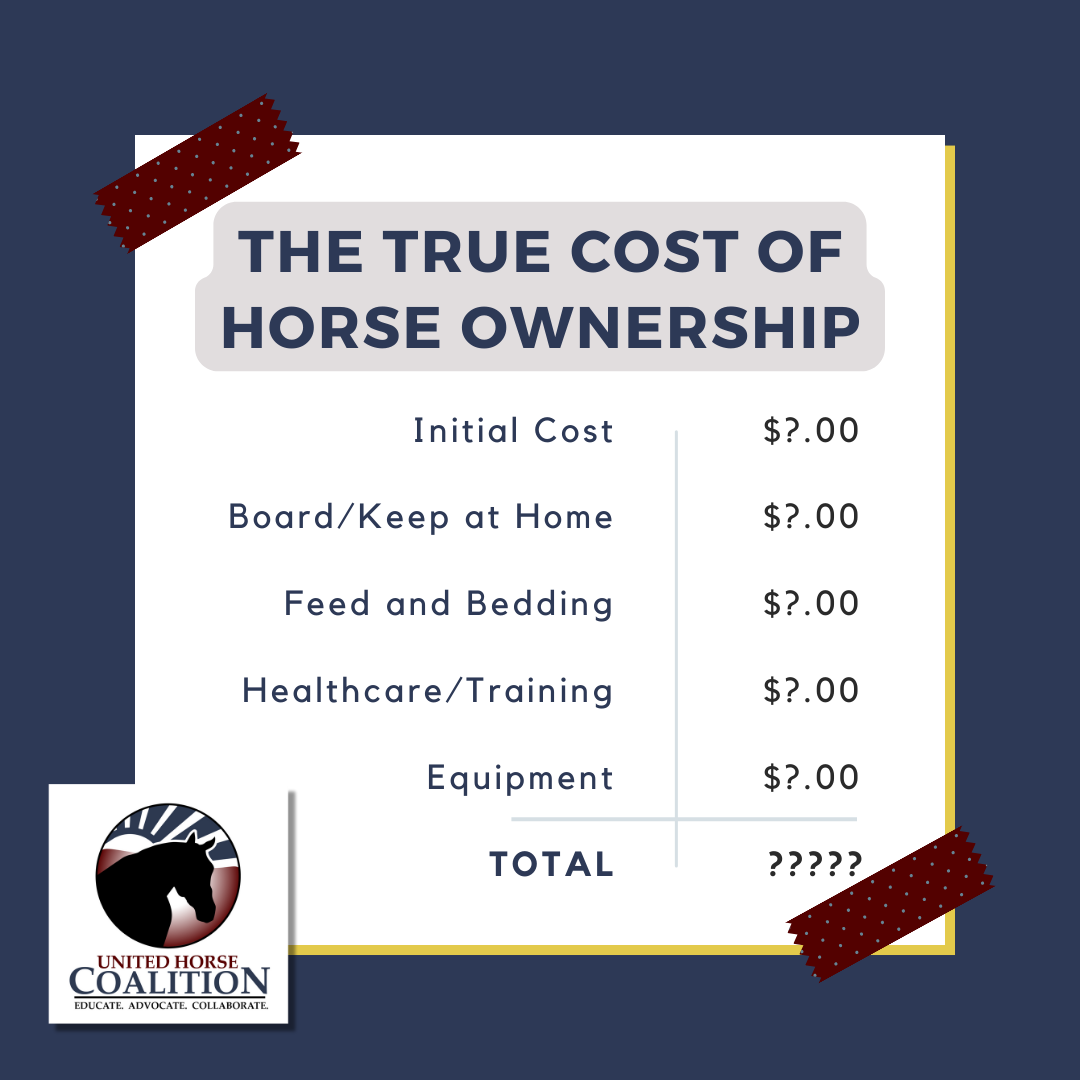
Source: unitedhorsecoalition.org
Understanding the drivers of monthly feeding cost
Feeding cost depends on the horse, the feed types, and where you live. Small ponies and retired animals use less hay and grain. Performance horses need more energy, so feed and supplement bills rise quickly.
Key cost drivers include:
- Hay quality and price, which dominate most monthly bills.
- Concentrates and grain for work, growth, or weight gain.
- Pasture availability and fencing that affect hay needs.
- Supplements, salt, and free-choice minerals.
- Feeding method and waste — loose hay wastes add to cost.
Regional markets change prices a lot. In some areas, hay is plentiful and cheap. In drought years, hay can double or triple. When you ask how much does it cost to feed a horse monthly, always factor in seasonal swings and local supply.
Typical monthly cost breakdown (realistic examples)
Below are simple examples that reflect common situations. Prices are rounded to keep math easy.
Light maintenance horse on pasture with supplemental hay
- Hay: 1 small bale per week at $7 = $28
- Grain: none or minimal = $0–$20
- Supplements/minerals: $10
Estimated monthly total: $38–$58
Average riding horse with moderate work
- Hay: 3 large round bales per month at $40 each = $120
- Grain/concentrate: 10–20 lb per day (bagged feed) ≈ $60–$120
- Supplements/minerals: $15–$40
Estimated monthly total: $195–$280
Performance or hard-working horse
- Hay: 4–6 bales per month = $160–$240
- Grain/concentrate: $120–$250
- Supplements and electrolytes: $40–$100
Estimated monthly total: $320–$590
Boarding situations change the math. If your barn includes feed in the board, your direct feed purchase drops. If you buy high-quality hay or custom mixes, expect higher costs. When people ask how much does it cost to feed a horse monthly, these scenarios help them pick the right bucket for their horse.
How to estimate your horse’s monthly feed cost
Follow a simple step-by-step method to get a tailored estimate.
- Determine daily forage need
- Most horses eat 1.5% to 2.5% of body weight in dry matter daily. For a 1,000 lb horse, that’s 15–25 lb of hay per day.
- Calculate monthly hay use
- Multiply daily hay by 30 days and convert to bales based on bale weight to find monthly bale consumption.
- Price the hay
- Multiply monthly bale consumption by local bale cost to get the monthly hay bill.
- Add concentrates and supplements
- Estimate weight and cost of grain per day, then multiply by 30. Add monthly cost of supplements and salt.
- Factor pasture and waste
- If pasture reduces hay need by 25%, subtract that. Add 5–15% for wastage if hay is fed loose.
Example: 1,000 lb horse eating 20 lb/day, hay bales 50 lb at $8 each
- Daily hay = 20 lb → monthly = 600 lb → 12 bales
- Hay cost = 12 bales × $8 = $96
- Grain = $1.50/day → $45/month
- Supplements = $20/month
Total = $161/month
This simple method answers how much does it cost to feed a horse monthly with numbers that reflect your actual situation.

Source: equusmagazine.com
Ways to lower your monthly feeding costs without risking health
You can reduce bills while keeping horses healthy. Small changes add up.
Practical cost-saving strategies:
- Improve pasture management to reduce hay needs.
- Buy hay by the ton or in bulk to get a lower per-bale price.
- Use slow-feed nets or racks to cut waste by 20–30%.
- Match feed to the horse’s activity level; avoid overfeeding concentrates.
- Compare local suppliers and split bulk purchases with neighbors.
Avoid trimming costs that harm health. Underfeeding protein or vitamins to save money will create higher veterinary bills later. When planning reductions, consult your vet or nutritionist so feeding changes are safe. These steps are practical answers to how much does it cost to feed a horse monthly and how to control that cost.
Common mistakes and lessons learned from experience
I’ve seen owners underestimate how much hay a wet winter or growth spurt uses. Here are frequent errors to avoid.
Common mistakes
- Not accounting for seasonal hay price spikes.
- Ignoring pasture rotation and overgrazing.
- Feeding more grain than needed because of worry over weight.
- Failing to weigh feed and using cups that vary in size.
Lessons from the barn
- We once bought low-cost hay and had higher vet bills due to poor nutrition. Spend on quality where it matters.
- Investing in a slow-feed hay net cut our monthly hay bill and improved a horse’s weight stability.
- Sharing bulk purchases with three neighbors saved each of us 15–25% annually.
These real-world examples show how the question of how much does it cost to feed a horse monthly is not just about numbers; planning and choices matter.

Source: thehorse.com
Frequently Asked Questions of how much does it cost to feed a horse monthly
How much hay does a horse eat per month?
Most horses eat 1.5% to 2.5% of body weight in dry matter daily, which translates to roughly 450–750 lb of hay per month for a 1,000 lb horse. Local bale weight and feeding method change the final bale count.
Does pasture reduce monthly feeding costs?
Yes. Good pasture can reduce hay needs by 20–50% seasonally, lowering monthly feed bills. Rotational grazing and soil care maximize savings.
How much do supplements add to the monthly cost?
Supplements typically add $10–$100 per month depending on needs like joint care or senior formulas. Use them only when recommended by a vet or nutritionist.
Will buying bulk hay save money?
Buying by the ton or in bulk usually reduces per-bale cost and can save 10–30% annually. Be sure you have dry storage and a plan to use it before it spoils.
What is a realistic budget for feeding a riding horse?
For an average riding horse, plan $150–$350 per month for feed, including hay, grain, and basic supplements. Adjust up for high-performance horses or expensive regions.
Conclusion
Feeding a horse monthly typically ranges from about $40 for a laid-back pasture-kept pony to $400 or more for performance horses on high-quality rations. The best estimate comes from calculating your horse’s forage needs, local hay prices, concentrate use, and extras like supplements and waste. Start by tracking daily intake for 30 days and pricing local feed sources to build an accurate monthly figure.
Take action now: calculate your horse’s daily forage, check local bale prices, and create a three-month feeding budget. If you want a template or help estimating for your horse, leave a comment or subscribe for a downloadable cost worksheet.