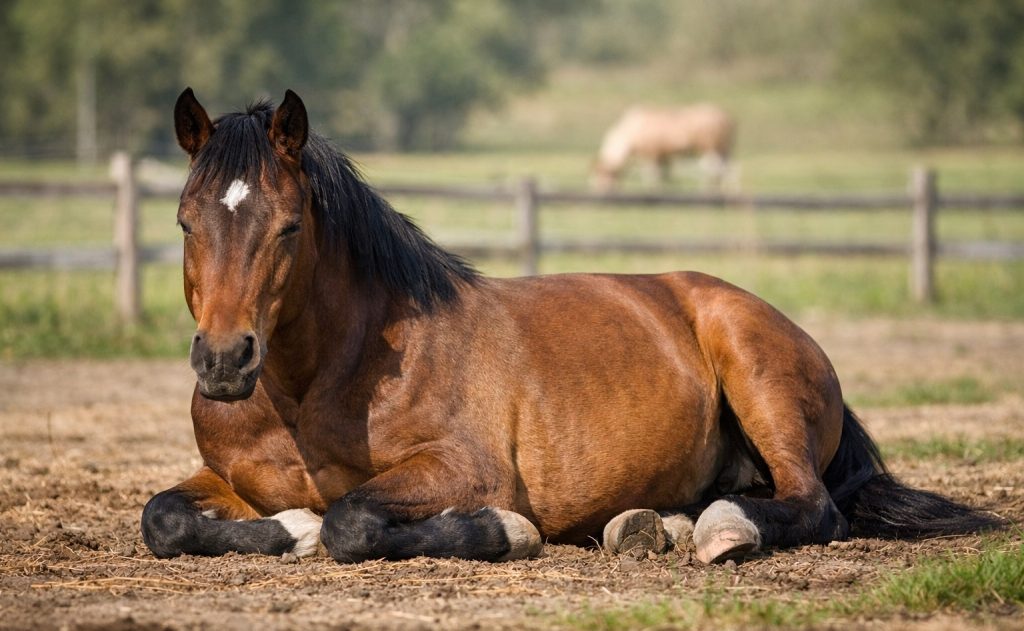
A horse laying down can mean normal rest, tiredness, or a sign of pain or serious illness.
I have worked with horses for many years as a rider, groom, and volunteer at equine clinics. I write this guide to explain what does it mean when a horse is laying down. I blend hands-on experience with veterinary guidance. Read on to learn when lying down is fine, when it is dangerous, and exactly what to do if you see it.
Common reasons a horse is laying down
Horses lie down for many reasons. Some are normal. Some are urgent.
- Rest and REM sleep. Horses need short periods of deep sleep. They lie down to enter REM sleep.
- Relaxation. A horse may lie down to roll, scratch an itch, or rest after exercise.
- Fatigue or heat stress. A tired or overheated horse may lie down to recover.
- Pain or illness. Colic, lameness, or systemic disease can make a horse lie down more often.
- Injury or weakness. Muscle strain, fractures, or severe wounds may force a horse to lie down.
What does it mean when a horse is laying down will depend on context. Look at the horse’s behavior before and after it lies down. Note how long it stays down and how it gets up. These clues tell you if the reason is normal or worrying.

Source: horseandman.com
How to tell normal lying down from a problem
Watch body language and timing. Small signs make big differences.
- Normal rest
- The horse lies down calmly for short periods.
- It rolls, stretches, then rises easily.
- Eating, drinking, and social behavior stay normal.
- Concerning behavior
- The horse lies down for long, repeated periods.
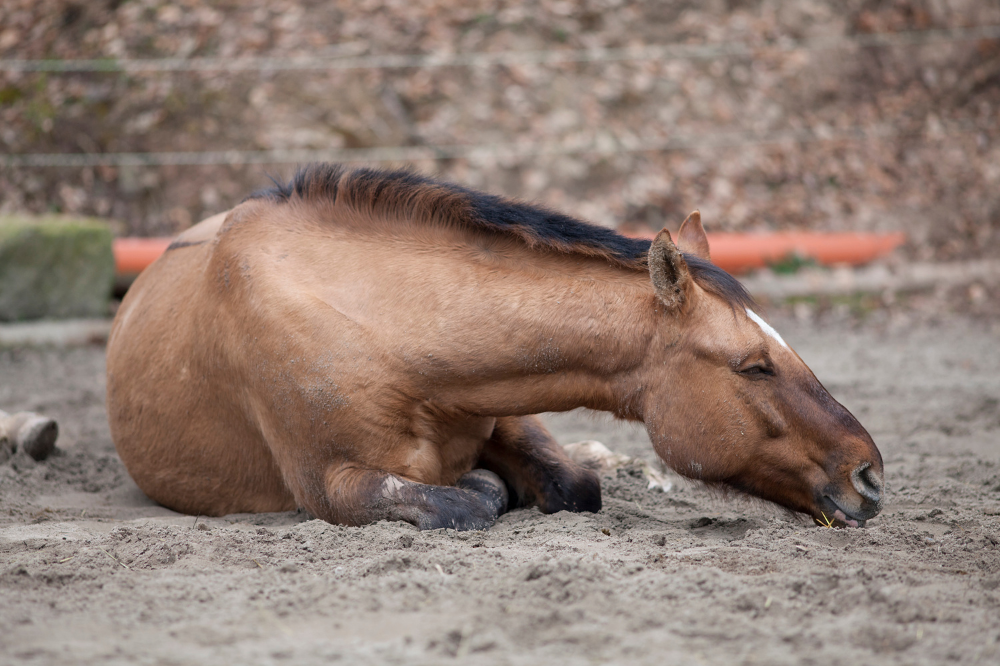
- It rolls violently, paws, sweats, or kicks at its belly.
- It stands awkwardly, limps, or has a stiff gait after getting up.
If you ask what does it mean when a horse is laying down and it also shows sweating, pawing, or lack of appetite, assume a medical problem until proven otherwise. These signs often point to colic or another urgent condition.
When to call a veterinarian
Act quickly if lying down comes with other worrying signs.
- Call a vet immediately if the horse shows severe rolling, constant sweating, or repeated attempts to get up.
- Seek urgent care for signs of colic, such as no gut sounds, distended belly, or violent rolling.
- Call if the horse cannot get up, has a limb stuck, or if breathing is labored.
Knowing when to call makes a big difference. I have seen horses recover when owners called early. I have also seen delayed calls make problems worse. Trust your instincts.
How to safely help a horse that is laying down
Be calm. Your actions should reduce stress and risk.
- Secure the scene
- Keep people and other animals away.
- Turn off nearby equipment or trailers that could frighten the horse.
- Assess without touching the belly or legs aggressively
– Check breathing, pulse, and mucous membrane color if you can do it safely.- Look for cuts, swelling, or obvious wounds.
- Help a stuck horse only if safe
- If a limb is trapped, call professionals trained in large animal rescue.
- Do not try to roll a heavy horse alone. You can worsen injuries.
- Keep the horse comfortable
- Offer water if the horse is calm and able to drink.
- Shade or blankets can help with temperature, but avoid overheating.
When you ask what does it mean when a horse is laying down, remember that first aid can stabilize the horse. Proper first steps buy time until the vet arrives.
Source: gg-equine.com
Preventing problematic lying down
Good management reduces risk and keeps horses healthy.
- Maintain a regular turnout and exercise routine.
- Feed a balanced diet and avoid sudden feed changes.
- Keep water fresh and accessible at all times.
- Monitor body condition and weight to avoid metabolic stress.
- Check hooves, tack, and paddock surfaces for hazards that cause injury.
Preventive care lowers the chance that what does it mean when a horse is laying down becomes an emergency. Prevention is simple and effective.
Personal experience, lessons learned, and practical tips
I once found a gelding lying quietly in his stall after a long trail ride. He rose easily and ate hay. That was normal rest. Another time, a mare lay down and rolled repeatedly; she later required surgery for severe colic. Those two moments shaped how I respond now.
Lessons I learned
- Always watch what happened before the horse lay down.
- Record how long the horse stayed down and any odd actions.
- Call a vet sooner rather than later if you have doubt.
Practical tips
- Keep a basic equine first-aid kit and a contact list for your vet and large-animal ambulance.
- Practice safe handling and have an evacuation plan for stalls and pastures.
Frequently Asked Questions of what does it mean when a horse is laying down
Is it normal for a horse to lie down every day?
Yes. Most horses lie down for short periods daily to get REM sleep. Short, calm rests are normal.
How long is too long for a horse to stay lying down?
If a horse is down for more than one to two hours without rising, call a veterinarian. Extended recumbency risks injury and complications.
Can lying down be a sign of colic?
Yes. Repeated rolling, pawing, and sweating with lying down often signal colic and need urgent attention.
Should I help a horse that will not get up?
Only if you and helpers can do so safely. Call professionals or your vet first to avoid causing more harm.
When is lying down an emergency?
If the horse cannot rise, shows severe pain, labored breathing, or heavy sweating, treat it as an emergency and call a vet right away.
Can a horse die from lying down too long?
Yes. Long recumbency can lead to muscle damage, breathing issues, and circulation problems. Rapid veterinary care reduces risk.
Conclusion
Horses lie down for normal sleep, comfort, tiredness, or because of pain and illness. To know what does it mean when a horse is laying down, watch context, body language, and how long the horse stays down. Trust your instincts and call a veterinarian when signs point to colic, injury, or prolonged recumbency. Use prevention, regular checks, and clear plans to reduce emergencies. If you found this guide helpful, try these steps with your horse, subscribe for more equine care tips, or leave a comment with your questions.