Most horse manure composts in 6 to 12 months with active management and good conditions.
I have worked with stables and gardens for years. I composted piles, tested temps, and advised owners. This guide explains how long does it take for horse manure to compost, why timelines vary, and exactly what to do to speed safe breakdown. Read on for clear steps, real-world tips, and answers to common questions so you can turn manure into reliable garden compost.
What is horse manure composting?
Composting horse manure is the natural breakdown of manure and bedding into stable, dark humus.
Microbes, heat, moisture, and oxygen do the work.
Manure from stabled horses often contains bedding like straw or wood shavings. This affects time and method.
Knowing the basics helps you control how long does it take for horse manure to compost and what to expect.

Source: com.au
Typical timelines and stages
Composting has clear stages. Each stage affects how long does it take for horse manure to compost.
- Initial heating stage
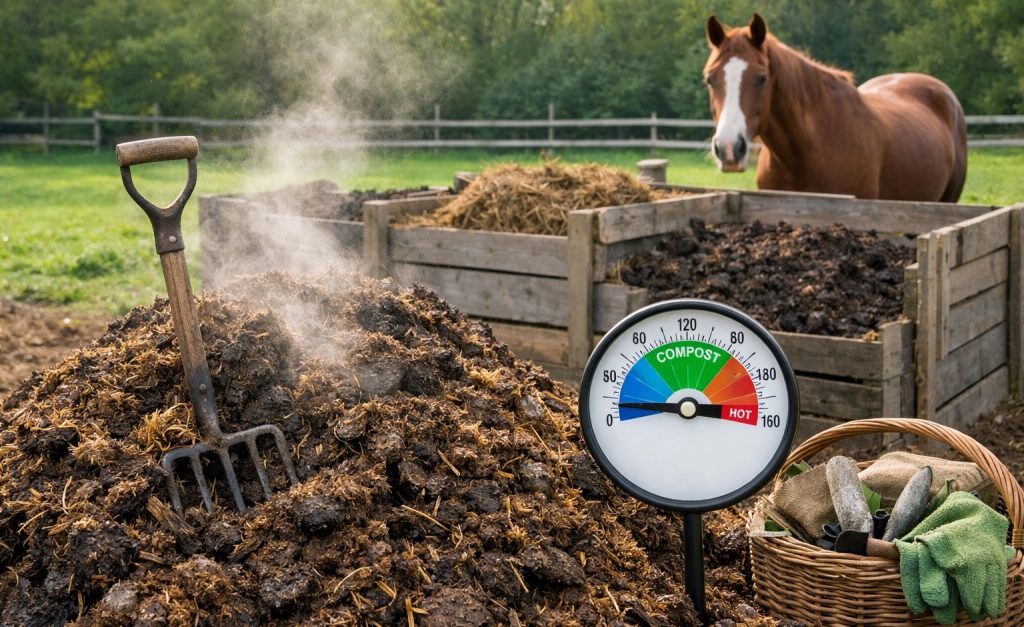
- Lasts days to weeks. Microbes heat the pile to 120–160°F when active.
- Active decomposition
- Rapid breakdown. This can take 1 to 6 months with turns and good conditions.
- Curing and cooling
- Stabilization and breakdown of tougher material. Expect 2 to 6 more months.
- Finished compost
- Dark, crumbly, and earthy. Safe to use for many plants after curing.
Typical total time ranges
- Fast, well-managed piles: 3 to 6 months.
- Average backyard piles: 6 to 12 months.
- Cold, unmanaged piles: 12 months or more.
Factors like bedding type, pile size, and climate explain variations in how long does it take for horse manure to compost. University extension data and compost research support these ranges.
Factors that speed up or slow down composting
Many things change how long does it take for horse manure to compost. Control these to get steady results.
- Moisture
- Maintain a damp sponge feel. Too dry stalls microbes. Too wet blocks air.
- Carbon-to-nitrogen ratio
- Horse manure with straw has more carbon. Add green waste or fresh manure to balance C:N near 25–30:1.
- Particle size
- Smaller pieces break down faster. Chop straw or mix bedding.
- Aeration
- Turning adds oxygen. Regular turns speed the pile and reduce time.
- Pile size and shape
- Aim for at least 3 feet high and 3 feet wide for heat retention. Too small cools fast.
- Temperature and climate
- Warm weather speeds microbial activity. Cold slows it.
- Bedding type
- Straw composts faster than wood shavings. Sawdust can slow down composting and lower nitrogen.
By adjusting these factors you can drastically change how long does it take for horse manure to compost.
How to compost horse manure: a step-by-step guide
Follow these steps to cut time and create safe compost. This also answers how long does it take for horse manure to compost under good practice.
- Collect and segregate
- Remove fresh piles from stalls daily. Keep manure separate from heavy bedding if possible.
- Mix carbon and nitrogen
* Add straw, leaves, or green clippings to balance the pile if bedding is heavy in carbon. - Build the pile or use a bin
- Layer manure and carbon. Make a pile at least 3 x 3 x 3 feet for heat.
- Monitor moisture
- Aim for damp, not soggy. Add water or dry material as needed.
- Monitor temperature
- Use a compost thermometer. Target 120–160°F during active phase.
- Turn regularly
- Turn every 1–3 weeks. Frequent turning speeds composting but may cool the pile if overdone.
- Cure
- After active phase, let the pile sit for 2–6 months to finish stabilizing.
- Test and use
- Finished compost is dark and crumbly and smells earthy. Screen if you want fine texture.
Personal note: In my stable work, piles managed with weekly turns and a mix of straw and green waste reached usable maturity in about five months. Piles with heavy sawdust bedding and no turns took over a year.

Source: gardenersworld.com
Uses and safety of finished horse manure compost
Finished compost is valuable and safe when handled right. This also informs expectations about how long does it take for horse manure to compost before use.
- Garden beds
- Use as a soil amendment. Mix into topsoil or use as side dressing.
- Vegetable gardens
- Ensure full curing. Wait until compost is fully broken down to avoid nitrogen tie-up.
- Pathways and mulch
- Use coarser compost for paths and around non-edible plants.
- Safety concerns
- High temps kill most pathogens and weed seeds. Incomplete compost may still contain them.
- Salt and medication residues can concentrate in bedding-heavy piles. Test sensitive plants.
Follow application rates and let compost mature. This avoids plant damage and health risks.
Troubleshooting common problems
Common issues tell you why how long does it take for horse manure to compost is longer than expected.
- Pile never heats
- Likely too dry, too small, or low in nitrogen. Add moisture, manure, or green material. Increase pile size.
- Bad odor
- Often from lack of air. Turn the pile and reduce excess moisture.
- Slow breakdown
- High sawdust content or low temperatures. Add nitrogen or insulation and wait for warmer weather.
- Pests or rodents
- Compact piles invite pests. Turn regularly and avoid food scraps that attract animals.
Small fixes like more turning or balancing C:N often cut weeks or months off the timeline.

Source: wikihow.com
Frequently Asked Questions of how long does it take for horse manure to compost
How quickly will a fresh pile of horse manure break down?
With good management, a fresh pile can reach active breakdown in days and become usable compost in 3 to 6 months. Poor conditions can extend that to a year or more.
Does bedding type change how long does it take for horse manure to compost?
Yes. Straw breaks down faster than wood shavings or sawdust. Heavy sawdust can add months to the process without added nitrogen.
Can I speed up how long does it take for horse manure to compost?
Yes. Increase aeration, balance C:N, maintain moisture, and keep pile size adequate. Weekly turning and adding green waste are effective.
Is heat necessary to make manure safe for garden use?
High temperatures help kill pathogens and weed seeds. Properly heated and cured compost is safer. If a pile never reaches high temps, allow longer curing.
When is horse manure compost ready to use in vegetable gardens?
Use in vegetable beds only after it is dark, crumbly, and cooled. This often takes 6 months or more, depending on pile care and climate.
Conclusion
Horse manure can become excellent compost when you manage moisture, oxygen, and carbon balance. Expect 3 to 12 months for most piles, and plan based on bedding type, climate, and how much work you put in. Start with small, active piles, monitor temperature, and cure fully before use. Try one pile with regular turns and one passive pile to compare results. Share your success or questions below, subscribe for more compost tips, or test a small batch in your garden this season.