
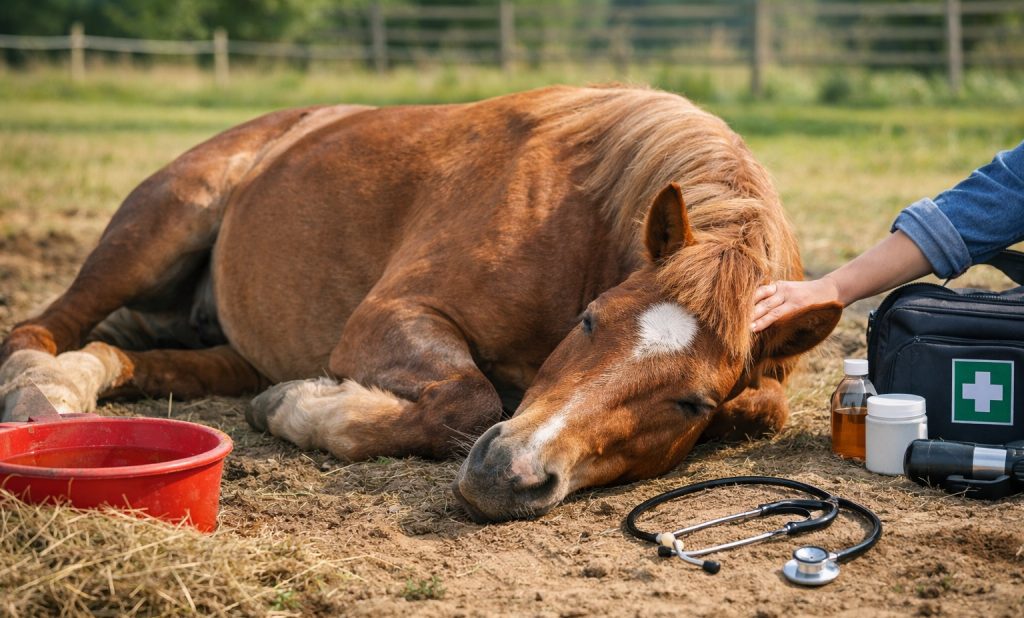
A healthy horse can usually lie down safely for up to four hours; beyond that, risks rise.
I have worked with horses for over a decade as a rider and barn manager, and I will guide you through how long can a horse lay down before it dies. This article explains normal rest, the key risks of prolonged recumbency, signs to watch for, and clear actions to take. You will get practical tips, real-life examples from my experience, and evidence-based reasons to act fast when a horse will not rise.

Source: teamequinety.com
Why this question matters
Horses are flight animals with unique needs. They rest while standing and also take short periods of lying down. Knowing how long can a horse lay down before it dies helps owners spot danger early. Timely action can prevent pain, organ damage, or death.
Normal resting behavior of horses
Most horses sleep standing for short intervals. They use a stay apparatus in their legs to relax without falling. Lying down is normal for deep sleep and rolling. Healthy horses usually lie down for short bouts. Typical sessions last from a few minutes to about one hour.

Source: thehorse.com
How long can a horse lay down before it dies: factors and timelines
The answer depends on health, age, and cause. A fit horse may lie down for a few hours with no harm. But if a horse lies down for more than four to six hours, serious problems can develop. Prolonged recumbency can lead to:
- Muscle damage from prolonged pressure.
- Reduced blood flow to limbs and organs.
- Respiratory issues from being down too long.
- Colic or laminitis as secondary problems.
When assessing how long can a horse lay down before it dies, consider these timelines:
- Under two hours — usually low risk if the horse can rise or is resting normally.
- Two to four hours — monitor closely and encourage standing.
- Over four hours — seek veterinary help. Risks to life and limb rise quickly.
- Over 12 hours — very high risk of irreversible damage and death.
In practice, I once had a horse lie down after a mild colic episode and fail to rise for about five hours. Early veterinary treatment and careful turning saved the horse, but it developed pressure sores that took months to heal. That case taught me to treat any recumbency over four hours as urgent.
Medical complications from prolonged recumbency
Lying too long causes many health issues. Each can be life-threatening.
- Compartment syndrome — Muscles under constant pressure swell and lose blood flow. This can cause permanent loss of limb function.
- Myopathy — Muscle tissue breaks down. Toxins from this damage stress the kidneys.
- Respiratory compromise — A horse on its side may not move air well and can develop pneumonia.
- Circulatory collapse — Blood pooling and low perfusion harm organs.
- Secondary conditions — Colic, laminitis, shock, and infections can follow prolonged recumbency.
Early vet care can limit damage. Tests often include bloodwork, imaging, and careful physical exams. Treatment may require fluids, pain relief, antibiotics, and gradual repositioning.
How to assess a downed horse quickly
A calm and quick check helps vets and saves time. Use these steps:
- Observe from a safe distance before approaching.
- Check breathing rate and pattern.
- Look for signs of colic: rolling, pawing, lip curling.
- Try to get the horse to shift weight or sit up.
- Call your veterinarian if the horse will not rise within a couple of hours or shows distress.
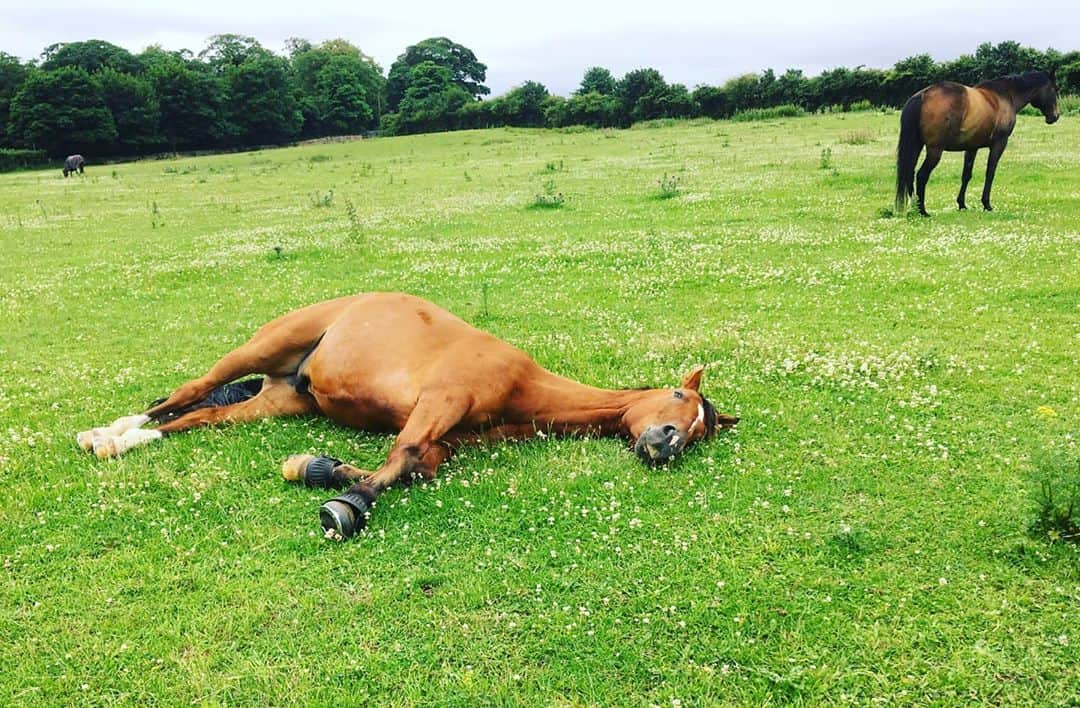
In my experience, a quick hands-off assessment while calling the vet is best. Never force a tired or injured horse up without guidance.
Source: seriouslyequestrian.com
What to do if your horse won’t get up
Stay calm and act in the horse’s best interest. Follow these steps:
- Call your veterinarian immediately. Describe exact signs and timing.
- Keep the horse comfortable and quiet. Reduce noise and light.
- Offer sips of water if swallowing is normal.
- If instructed, assist the horse to change position slowly to avoid sudden strain.
- Prepare a soft area and padding if the vet asks to turn or lift the horse.
Do not inject or medicate without vet approval. My barn once had to wait for a vet to arrive for a downed mare. The team provided shade, calm, and regular checks. That patience reduced stress and improved the outcome.
Prevention and management strategies
Preventive care lowers the risk of dangerous recumbency. Key steps include:
- Regular vet checks for chronic disease and lameness.
- Proper nutrition and weight management to prevent laminitis.
- Safe, dry bedding so horses lie down and rise more easily.
- Immediate care for colic signs and early treatment for systemic illness.
- Training staff and owners to spot and act on prolonged recumbency.
If a horse has a known weakness or past myopathy, work with your vet to set action plans and thresholds for immediate help. Small changes in daily care can reduce severe outcomes.
Common quick questions
Q: Can a horse die from lying down too long?
A: Yes. Prolonged recumbency can cause muscle damage, organ failure, and respiratory problems that may be fatal.
Q: How long can a horse lie down without harm?
A: A few minutes to a couple of hours is usually safe. More than four hours raises serious risk.
Q: Is it normal for horses to lie down at night?
A: Yes. Short periods of deep sleep while lying are normal. Long, continuous periods are not.
Frequently Asked Questions of how long can a horse lay down before it dies
What immediate signs show a horse is at risk after lying down?
Look for heavy breathing, inability to stand, muscle swelling, and signs of shock. These need urgent veterinary care.
Can turning a downed horse help its chances?
Turning can help if done correctly and under vet guidance. Improper handling can worsen injuries.
Does age change how long a horse can lie down before it dies?
Yes. Older or very young horses often have less reserve and higher risk with prolonged recumbency.
Are there treatments to reverse damage from long recumbency?
Some damage can be treated with fluids, drugs, and rehab. Some injuries can be permanent.
When should an owner call a vet about a downed horse?
Call when the horse will not stand within two hours, shows distress, or has other concerning signs such as colic or labored breathing.
Can supportive care at home replace a vet visit for a downed horse?
No. A downed horse needs professional assessment. Home care can help but not replace veterinary treatment.
Conclusion
Horses normally lie down for brief rest, but prolonged recumbency is dangerous. If you wonder how long can a horse lay down before it dies, treat four hours as a critical threshold and get veterinary help fast. My hands-on years in barns taught me that calm prompt action, good bedding, and early vet care save lives and limbs. Act quickly, prepare a plan with your vet, and teach barn staff to respond. Share this article, consult your vet, and keep your horse safe by watching rest patterns closely.