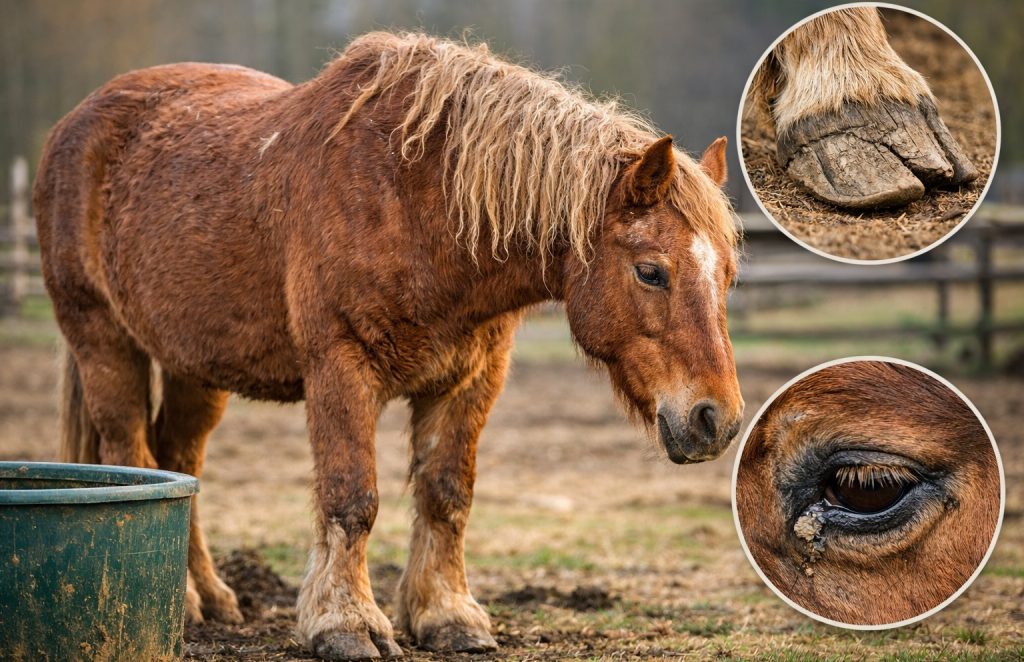
Early signs include an abnormal long coat, increased thirst, frequent urination, muscle loss, and lethargy.
As an equine clinician with years of field and hospital experience, I will walk you through what are the first signs of Cushing’s disease in horses, why they matter, and how to spot them early. This guide combines clinical knowledge, practical tips, and clear steps you can use now to protect your horse’s health and quality of life.
Source: co.uk
Understanding Cushing’s disease (PPID) in horses
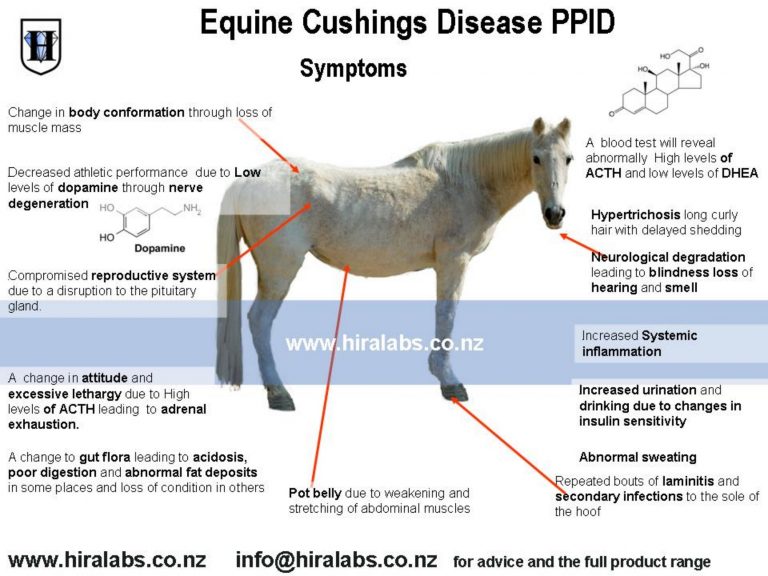
Cushing’s disease in horses is most often called pituitary pars intermedia dysfunction, or PPID. It is a hormonal disorder. The pituitary gland in the brain produces excess hormones. This causes a cascade of changes in skin, hair, metabolism, and immunity.
PPID is more common in older horses. Many cases develop slowly over months to years. Early signs are subtle. Recognizing what are the first signs of Cushing’s disease in horses helps owners and vets act sooner.
- Definition: Chronic neurodegenerative disease of the pituitary leading to hormonal imbalance.
- Typical age: Mostly seen in horses older than 15 years.
- Core effect: Increased ACTH and related peptides cause systemic signs.
Source: org.nz
Early clinical signs: what to watch for
Early signs can be mild and easy to miss. Focus on changes you can see or feel at home.
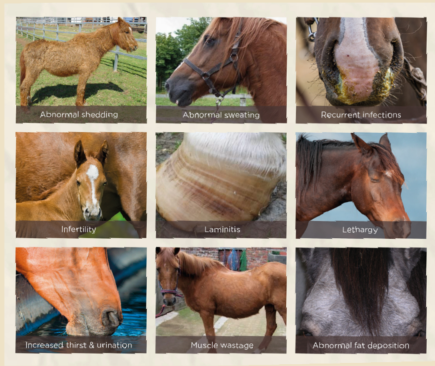
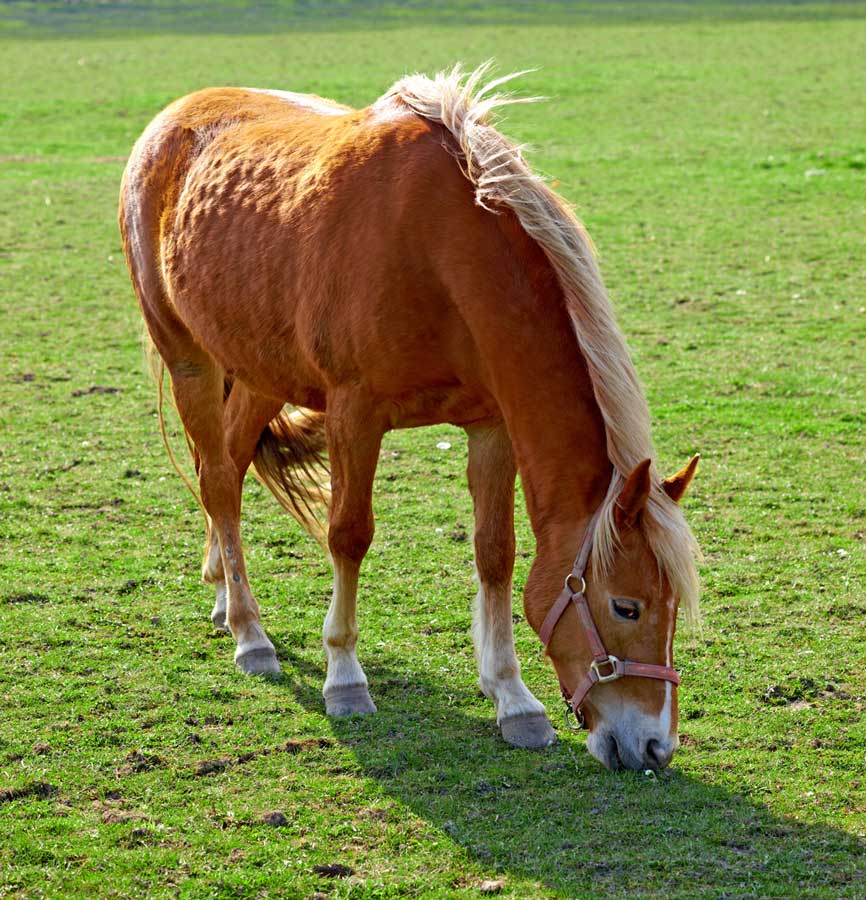
- Long, thick, or curly coat that fails to shed in spring. This is often the first obvious sign.
- Excessive thirst and increased urination. Owners may notice a wetter stall or more frequent water refills.
- Muscle wasting, especially along the topline and hindquarters. The horse may look sunken or weak.
- Weight loss despite good appetite. Some horses eat well but lose condition.
- Lethargy or reduced energy. They may be slower to work or less willing to move.
- Cresty neck or fat pads in odd places. Fat can redistribute even as muscle decreases.
- Recurrent infections, slow wound healing, or laminitis episodes. Immune changes make problems more common.
Repeated: knowing what are the first signs of Cushing’s disease in horses lets you look for coat change, thirst, urination, muscle loss, and stalled shedding.
Signs may appear singly or in combination. Track changes with photos and notes. Small, steady changes often point to early PPID.
Why early detection matters
Early detection improves outcomes. Treatment slows disease progression. It lowers the risk of serious complications like laminitis and severe infections.
- Better quality of life. Treated horses often regain energy and weight.
- Reduced laminitis risk. Early therapy cuts painful hoof episodes.
- Easier management. Early diagnosis allows for simple changes in diet and care.
- Lower veterinary costs over time. Preventing complications saves money and stress.
When you ask what are the first signs of Cushing’s disease in horses, remember that early fixes are easier and kinder for the animal.

Source: foxvalleyequine.com
Diagnosis and testing
Diagnosis relies on clinical signs plus targeted testing. Your veterinarian will choose tests based on symptoms and season.
- Baseline plasma ACTH test. Often the first lab screen.
- TRH stimulation test. Helps when baseline tests are borderline.
- Insulin testing. To assess risk of insulin dysregulation and laminitis.
- Clinical exam. Look for hirsutism, muscle loss, fat pads, and dental status.
PAA-style question: How accurate are ACTH tests?
- ACTH tests are generally accurate but vary by season and lab. Fall can give higher false positives, so vets use reference ranges and repeat testing.
PAA-style question: Can a physical exam alone confirm PPID?
- No. A physical exam raises suspicion, but lab tests are needed to confirm PPID and guide treatment.
Tests should be interpreted by a vet familiar with equine endocrine disorders. Seasonal changes and stress can affect results. Always combine test data with clinical signs when answering what are the first signs of Cushing’s disease in horses.

Source: hartog.eu
Management and treatment options
Treatment focuses on controlling clinical signs and preventing complications.
- Pergolide is the most common effective medication. It reduces pituitary hormone production.
- Adjust diet to reduce nonstructural carbohydrates if insulin dysregulation is present.
- Manage weight and provide gentle exercise to maintain muscle.
- Regular dental care, farriery, and parasite control to reduce secondary problems.
- Monitor for laminitis. Protect hooves and consult your farrier proactively.
Treatment does not cure PPID but controls signs well. Early recognition of what are the first signs of Cushing’s disease in horses allows earlier therapy and better long-term control.
Source: vet-advantage.com
Prevention, monitoring, and long-term care
You cannot prevent the underlying pituitary degeneration in most cases. But you can reduce complications and detect signs early.
- Regular wellness exams for older horses. Check coat, weight, and behavior every season.
- Keep records. Note changes in shedding, water use, and weight.
- Annual or semiannual endocrine testing for horses over 15 years.
- Preventative hoof care and prompt treatment for any hoof soreness.
- Vaccination and deworming to avoid infections that stress the immune system.
Knowing what are the first signs of Cushing’s disease in horses helps you choose the right monitoring schedule for your herd.
Personal experience and practical tips
I have diagnosed PPID in many older horses on farms and clinics. In one case, the owner reported a horse that “looked shaggy” two springs in a row. Photos showed delayed shedding and gradual topline loss. Early testing confirmed PPID and treatment returned the horse to a lively, comfortable life.
Lessons learned:
- Take photos each season. Visual records make early signs obvious.
- Log water use. A small trough change can reveal increased thirst.
- Don’t wait for multiple signs. A single persistent abnormal coat often warrants a vet call.
- Avoid panic. Early management is effective and improves life quickly.
Practical tips:
- Compare your horse to herd mates of similar age.
- Keep a simple chart of coat, appetite, weight, and energy.
- Work closely with your vet for test timing and interpretation.
Frequently Asked Questions of what are the first signs of cushing’s disease in horses
What is the most common first sign of PPID in horses?
The most common early sign is an abnormal coat that grows long, thick, or curly and fails to shed. Owners often notice this before other signs.
How soon should I test my horse if I see early signs?
Test as soon as you notice persistent signs like a long coat or increased thirst. Early testing and diagnosis lead to better control.
Can young horses get Cushing’s disease?
PPID is rare in young horses. It is usually a disorder of older horses, commonly seen after age 15.
Will treatment reverse muscle loss and coat changes?
Treatment often improves coat, energy, and muscle over months. Full reversal varies by how early therapy begins and the horse’s overall health.
Are there home checks I can do to spot early signs?
Yes. Regularly photograph your horse, monitor water intake, check body condition, and watch for shedding delays or decreased activity.
Conclusion
Recognizing what are the first signs of Cushing’s disease in horses empowers you to act early, reduce suffering, and protect long-term health. Look for a persistent abnormal coat, increased thirst and urination, muscle loss, weight changes, and reduced energy. Track small changes, work with your veterinarian for timely testing, and begin management promptly when PPID is confirmed.
Take action now: start a simple monitoring routine for older horses, schedule a vet exam if you notice early signs, and consider joining a local equine health group to share observations. Leave a comment about your experience or subscribe for more practical guides on equine care.